
Reviewed · PORTUGAL
Alcobaça: Entry to UNESCO Alcobaça Monastery
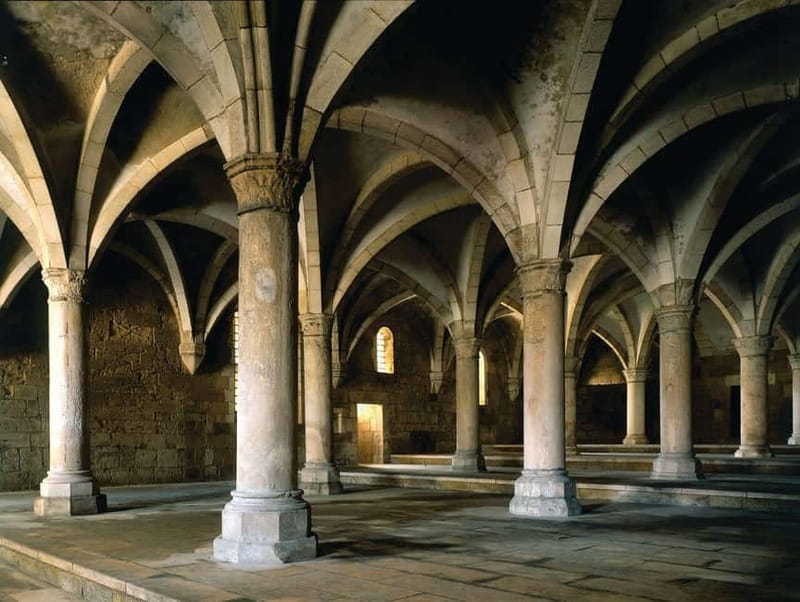
Serenity can hit fast at Alcobaça Monastery, where Gothic lines feel calm instead of cold. This entry experience puts you inside one of Portugal’s key Cistercian foundations, founded in 1153, and lets you experience how Portuguese architecture evolved from the 12th into the 18th century. You will also get a guided-by-the-building kind of story, with emphasis on the abbey’s cultural and ideological importance, not just the pretty stones.
What I love is how much you can feel the simplicity and grandeur of Gothic architecture in the medieval rooms. I also like the way the visit frames the monastery’s purpose, from the abbey’s strategic construction starting in 1178 to its role in Portugal’s Christian expansion. Both elements help you look at the space with meaning, not just as a checklist of sights.
One thing to think about is that this is not a guided tour. If you want someone to interpret every room for you, you may wish you had a guide, and you should also plan your time carefully near closing hours.
In This Review
- Key highlights at a glance
- Alcobaça Monastery in a nutshell: Cistercian Gothic built for influence
- Where your visit starts at Praça 25 de Abril
- Medieval rooms access: the Gothic feel you notice right away
- The monastery’s “white jewel” Gothic moment
- Construction beginning in 1178: reading the abbey’s strategy
- Blending architectural styles from the 12th to the 18th century
- Christian expansion context: why the abbey mattered
- How long you’ll want to plan, and why timing near closing matters
- Photography rules and how to take better shots
- Price and value: what $17 buys you
- Who should book this entry ticket?
- Should you book the Alcobaça Monastery entry ticket?
- FAQ
- What is the price and duration of the Alcobaça Monastery entry experience?
- What does the ticket include?
- Is a guided tour included?
- Where is the meeting point?
- Is the site wheelchair accessible?
- Are meals included?
- Are there days when the monastery is closed?
- Is photography allowed?
- Is the booking refundable?
Key highlights at a glance
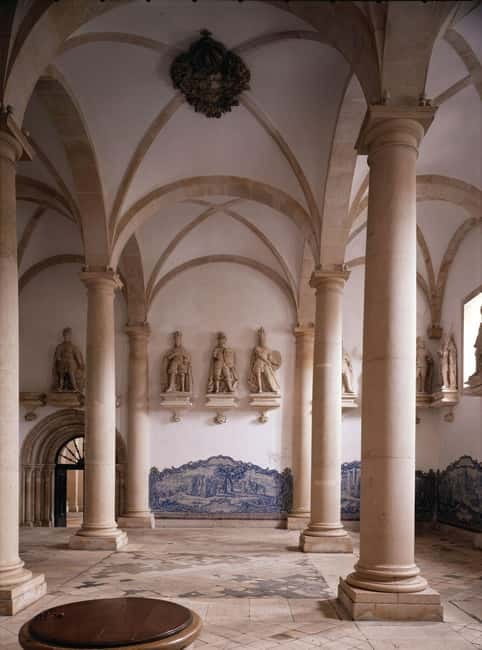
- Medieval rooms access, so you can focus on the preserved early spaces
- Gothic architecture you can actually read with your eyes, not just admire
- Construction story from 1178, tying building phases to bigger purposes
- A mix of historical and architectural styles across centuries
- Skip-the-ticket-line entry to help you use your time well
- Wheelchair accessible for visitors who need barrier-free access
Alcobaça Monastery in a nutshell: Cistercian Gothic built for influence
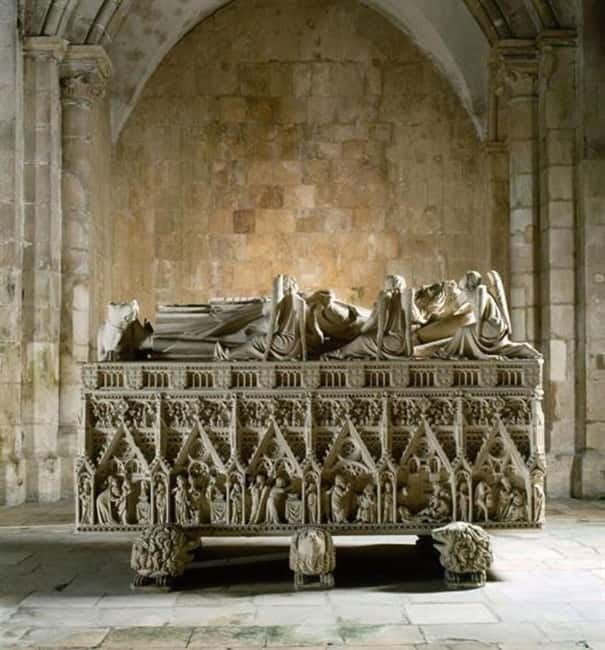
Alcobaça Monastery, also called Mosteiro de Alcobaça, is one of Portugal’s most significant Cistercian monastic foundations. Founded in 1153, it is the kind of place where the architecture tells you what the community was trying to achieve.
The standout is that you are not just looking at one era. You are seeing an evolution, with the complex showing changes from the 12th to the 18th centuries. That makes the monastery especially satisfying for curious visitors who want to understand how styles and priorities shift over time.
Also worth booking around Portugal:
- The Unvanquished Tour in Porto City Center
★ 5.0 · 26,497 reviews - Lisbon City Center Tour – The Unmissable Lisbon
★ 5.0 · 22,234 reviews - Lisbon: Sintra, Pena, Regaleira, Cabo da Roca & Cascais
★ 4.7 · 19,656 reviews
Where your visit starts at Praça 25 de Abril
Your meeting point is the main entrance at Praça 25 de Abril. This matters because it keeps the start simple, and you do not waste time figuring out where to go.
The experience also includes skipping the ticket line. That is a practical benefit in a busy heritage site, and it can make a big difference when you are trying to fit the visit into a day of walking around Alcobaça.
Medieval rooms access: the Gothic feel you notice right away
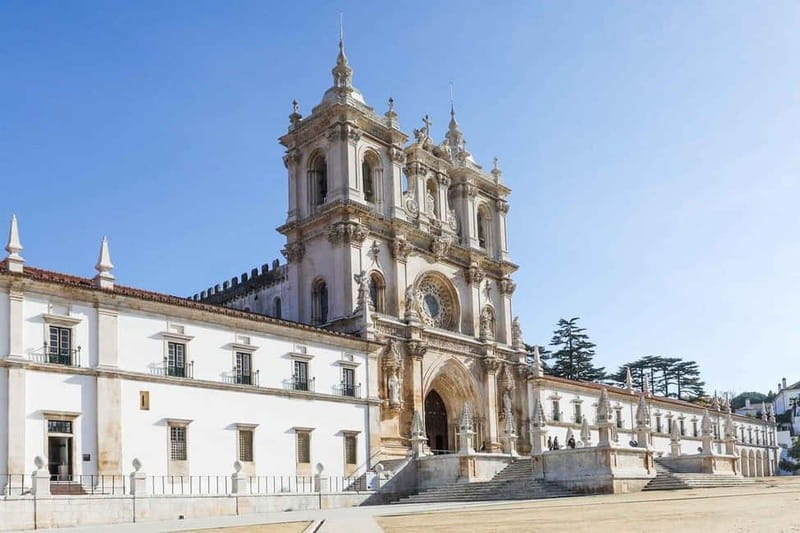
The included focus is the medieval rooms, where the simplicity and grandeur of Gothic architecture are evident. This is where you will likely slow down the most, because the space is designed to feel both disciplined and dramatic.
Instead of rushing through general halls, you can center your attention on the preserved rooms. That helps you make sense of how the monastery looked in earlier centuries, and it gives you a more grounded connection to the timeline that the visit highlights.
A small practical note: since there is no guided tour included, you will get the most out of this visit if you take a steady pace and let the rooms do the talking. Look for changes in details as you move from space to space, because that is where the centuries show up.
The monastery’s “white jewel” Gothic moment
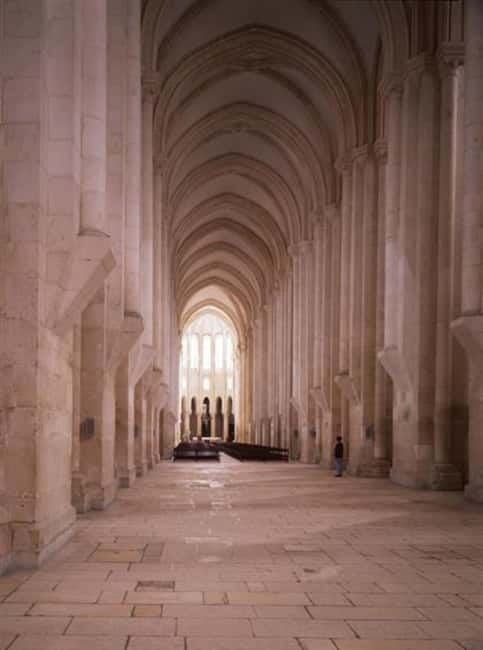
One of the most memorable ideas here is the monastery as a white jewel of Gothic architecture, isolated yet prominent in the landscape. Even without going into extra claims, you can expect the visual effect to be striking when you approach and when you pause to take in the overall silhouette.
What makes that moment worthwhile is that you get to connect the look to the larger story. The monastery’s prominence is not only about beauty. It also ties to how the abbey functioned as a powerful institution, with the ability to attract attention and reinforce influence.
If you enjoy architecture, plan at least one calm stop where you simply take it in from a distance. Then compare that view with what you notice up close inside the rooms.
In the same part of Portugal:
- From Porto: Douro Valley w/ Boat Tour, Wine Tasting & Lunch
★ 4.7 · 19,061 reviews - Lisbon Card: 24, 48, or 72-Hour Pass
★ 4.5 · 17,944 reviews - Sintra: Pena Palace and Park Entrance Ticket
★ 4.2 · 17,410 reviews - Lisbon: Jerónimos Monastery Entrance Ticket
★ 4.1 · 14,164 reviews
Construction beginning in 1178: reading the abbey’s strategy
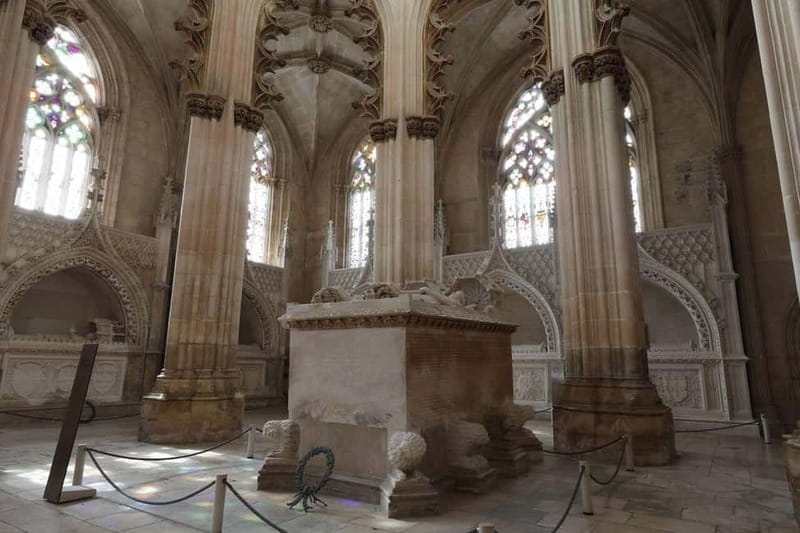
A key part of the experience is understanding the abbey’s strategic significance, with construction beginning in 1178. That date is not just trivia. It is your clue that the monastery was built with long-term plans, not as a quick project.
When you walk through, think like this: the people in charge were shaping a long-lasting institution. That helps you interpret why certain parts feel intentional and why the complex developed over time, from the 12th century onward into later centuries.
Because the emphasis includes cultural, religious, and ideological importance, you should come prepared to see the monastery as infrastructure for ideas as much as for worship. Even if you are touring without a guide, you can still connect architecture to purpose by paying attention to how spaces relate to one another.
Blending architectural styles from the 12th to the 18th century
Alcobaça’s story is built into the walls. The visit highlights the evolution of Portuguese architecture over centuries, from the 12th through the 18th. In practice, that means your eyes should be moving constantly, because styles and building techniques can shift from area to area.
Without a guided tour, the most effective approach is simple: pick one feature to focus on. For example, you might concentrate on proportions, window and doorway shapes, or how the interior feels in terms of height and light. When you do that, the “blend” becomes readable instead of overwhelming.
This is also where the monastery feels unique in a way that is hard to replicate. Many heritage sites are frozen snapshots. Here, you get a sense of how priorities changed over long stretches of time, while the monastery stayed central to the community’s identity.
Christian expansion context: why the abbey mattered
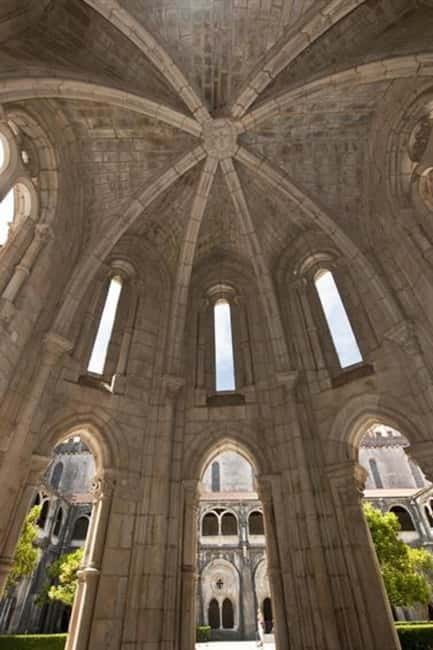
The visit does more than show rooms. It also frames the monastery’s role in Portugal’s Christian expansion. That matters because it gives you a reason to care about the institution beyond aesthetics.
As you move through, you can connect the physical presence of the abbey to its broader function. A monastery like this was not just a private spiritual space. It was part of how religious authority, culture, and ideology spread and consolidated over time.
If you are the kind of visitor who likes historical connections, take a few moments before you start looking at details. Ask yourself what it means for a building to be strategic, and then watch for how the architecture supports that idea.
How long you’ll want to plan, and why timing near closing matters
This activity is valid for 1 day, with starting times you can check based on availability. Since meals are not included, you are really building your day around the visit itself, plus whatever you do next in Alcobaça.
Here is the most important timing reality: do not gamble on a rushed last-minute entry. There is clear evidence from recent experiences that being close to closing can cut into what you get to see, and staff may ask visitors to move along. You want enough time to see the medieval rooms without feeling pushed.
A practical plan: arrive a little early, get your bearings at the entrance, and then work methodically through the key spaces. You will enjoy it more, and you will avoid the end-of-day stress that ruins great architecture.
Photography rules and how to take better shots
Photography is allowed, but no flash. That is common for indoor heritage sites, but it also affects how you should plan your photos.
If light is limited in some rooms, your best move is to use your camera’s normal settings and steady your hands. Skip the idea of dramatic flash photography. You will capture more natural-looking images and respect the site’s rules.
Also, because this is a self-paced entry experience (no guided tour included), your best photos come from your own pacing. Stop when something clicks, not when you think you should.
Price and value: what $17 buys you
The price is listed at $17 per person, and the value is mainly in three things: entry, access to the medieval rooms, and a faster start thanks to skipping the ticket line.
Is it worth it? Usually yes if you are comfortable touring without a guide. You are essentially paying to get in and focus on the preserved areas that carry the most historical weight. You also have a clear scope: this experience is about entering the monastery and seeing the medieval rooms, not adding a full interpretation service.
If you need someone to explain every architectural detail and historical nuance step by step, you may feel shorted, because a guided tour is not included. In that case, you might look for a different option that includes interpretation.
Who should book this entry ticket?
This fits best if you want a calm, self-guided walk through a major Cistercian monastery. It is also a good choice for visitors who enjoy architecture and are happy reading spaces on your own.
You will likely get the most out of it if you:
- Like Gothic architecture and want to see the medieval rooms directly
- Prefer a self-paced visit over a structured tour
- Want skip-the-line entry and wheelchair accessibility
- Are building a broader day exploring Alcobaça, since the tour ends in a central location
Should you book the Alcobaça Monastery entry ticket?
Book it if you want direct access to one of Portugal’s most important monastic sites, and you are happy without a guide. The inclusion of medieval rooms and skip-the-ticket-line entry makes the experience practical, especially if you are already planning to spend time in Alcobaça.
Skip it or reconsider if you are specifically seeking a guided interpretation package, because guided tour access is not included. Also, if you are visiting during busy weeks or late in the day, plan your timing carefully so you do not end up with less than you hoped to see.
One last tip: check closure dates ahead of time. The monastery is closed on January 1st, Easter Sunday, May 1st, August 20th, and December 25th. That single step can save your day.
FAQ
What is the price and duration of the Alcobaça Monastery entry experience?
The price is listed at $17 per person, and the experience is valid for 1 day.
What does the ticket include?
It includes entry and access to the medieval rooms.
Is a guided tour included?
No. A guided tour is not included.
Where is the meeting point?
The meeting point is the main entrance at Praça 25 de Abril.
Is the site wheelchair accessible?
Yes, the experience is wheelchair accessible.
Are meals included?
No, meals and beverages are not included.
Are there days when the monastery is closed?
Yes. It is closed on January 1st, Easter Sunday, May 1st, August 20th, and December 25th.
Is photography allowed?
Photography is allowed, but no flash is permitted.
Is the booking refundable?
This activity is non-refundable.
Just added around Portugal
- Discovering the charms and places of Coimbra★ 5.0 · 78 reviews
- Fatima Private Tour: Shrine, Sacred Way & Shepherds’ Hometown★ 5.0 · 41 reviews
- Aveiro, Costa Nova beach and Moliceiro Boat, half-day from Coimbra★ 5.0 · 18 reviews
- Conímbriga Roman Ruins & Museum | Private Tour★ 4.5 · 33 reviews
- Coimbra Scavenger Hunt and Sights Self-Guided Tour★ 5.0 · 20 reviews
- Conimbriga and The Roman Tour★ 5.0 · 132 reviews
- An adventure through the Schist Villages of Lousã★ 5.0 · 98 reviews
- Joanina Library & Coimbra University | Private Former Alumni Tour★ 5.0 · 135 reviews