
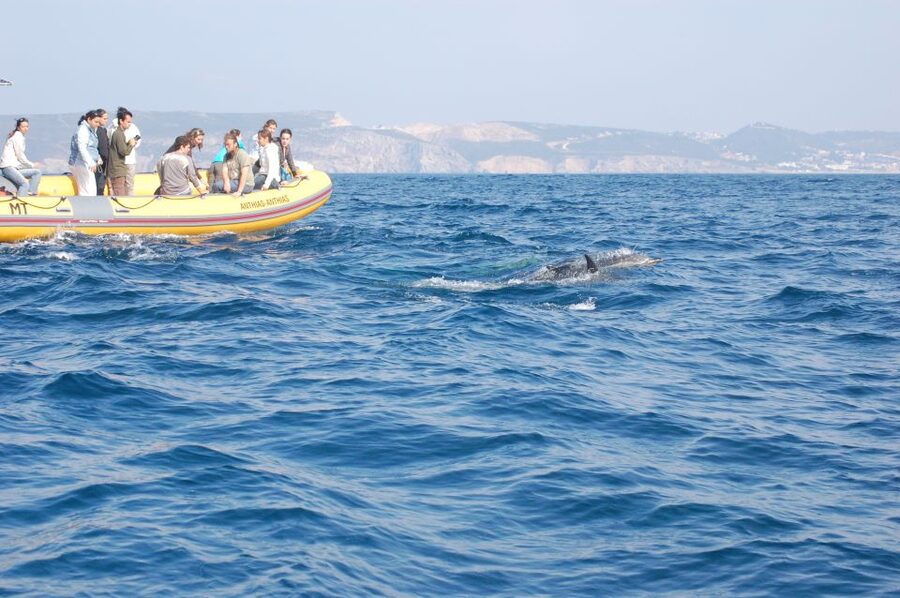
Reviewed · SETUBAL & ARRABIDA DAY TOURS
Arrábida – Sesimbra: Dolphin Watching
Wild dolphins, a clean-ocean mission, and sea views.
I like that this 2-hour boat trip is built around wild dolphin spotting with a very high success rate, around 98%, plus an expert marine ecologist who helps you understand what you’re seeing. I also love the added purpose: you help locate and collect plastic floating in the ocean, so the outing feels more than just watching. One consideration, dolphins are wild animals, so sightings can’t be 100% guaranteed even with that strong success rate.
You start from Sesimbra by boat and head along the Arrábida Natural Park coastline toward the Sado River area. You’ll be given a lifejacket, plus water, and there’s a small taste of the region’s typical cake, farinha torrada. If you’re trying to pack a lot of nature into a short window without needing a long day, this format is a good fit.
In This Review
- Key things you’ll want to know before you go
- Sesimbra to the Coast: How the 2-Hour Cruise Actually Runs
- Dolphins, Not Aquariums: What You’ll Look For on the Water
- The Sado River Estuary: Why This Area Matters for Dolphins
- A Plastic-Collection Mission That Changes the Tone of the Trip
- Views of Arrábida’s Coastline, Plus a Chance for a Bonus Detour
- Your Marine Ecologist Guide and the Learning You’ll Take Home
- Price and Value: Why $58 Makes Sense for This Mix
- What to Bring, What Not to Do, and How to Stay Comfortable
- Who This Dolphin Watching Tour Fits Best
- Should You Book Arrábida to Sesimbra Dolphin Watching?
- FAQ
- Where does this dolphin watching tour start?
- How long is the experience?
- How much does the tour cost?
- What is included in the ticket price?
- Is hotel pickup and drop-off included?
- What food or drinks are provided?
- Are dolphin sightings guaranteed?
- What marine species will you try to spot?
- What should I bring?
- Are there age restrictions?
Key things you’ll want to know before you go
- 98% success rate for seeing the targeted dolphin species, but still not a promise
- Common and bottlenose dolphins, including bottlenose dolphins linked to the Sado River Estuary
- A plastic-collection activity that turns your ride into a small conservation action
- Arrábida Natural Park coastline coverage, extending up toward the Sado River
- A marine ecologist guide who explains conservation and what’s living there
- Comfort-focused inclusions, like a lifejacket, water, insurance, and a taste of farinha torrada
Sesimbra to the Coast: How the 2-Hour Cruise Actually Runs
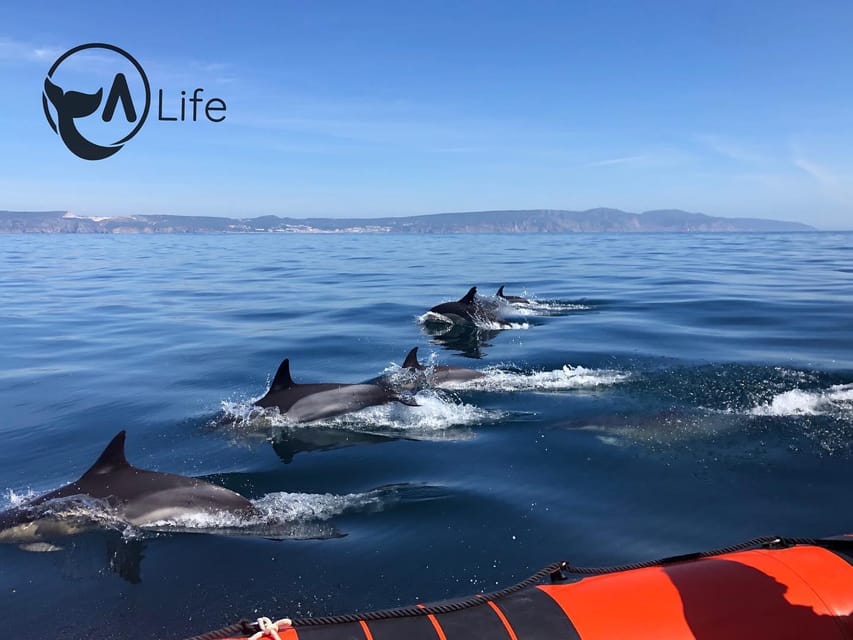
This experience is short, which is part of the appeal. You’re out for about 2 hours, moving by boat from Sesimbra as the crew searches for marine life along the coast. That time structure matters because it’s enough for multiple spotting attempts without turning into a half-day logistics puzzle.
You’ll go out wearing a lifejacket (included), and you’ll have water onboard. You also get a taste of farinha torrada, which is a nice local touch because it keeps the trip from feeling like a pure “tour-only” product. Bring comfortable shoes and clothes you can stand in and sit in easily, because you’ll want to stay ready for sudden spotting moments.
A practical note: this is a wildlife activity, not a theme-park show. You’ll do best if you stay flexible in your expectations about where dolphins appear and how long they hang around.
Other Sesimbra plans worth comparing
- Lisbon: Sesimbra Kayak Discovery Experience
★ 4.9 · 1,033 reviews - Sesimbra: Arrabida Natural Park & Caves Guided Kayaking Tour
★ 4.9 · 775 reviews - Sesimbra: Ribeiro Cavalo Beach, Caves, & Arrábida Kayak Tour
★ 4.8 · 384 reviews
Dolphins, Not Aquariums: What You’ll Look For on the Water
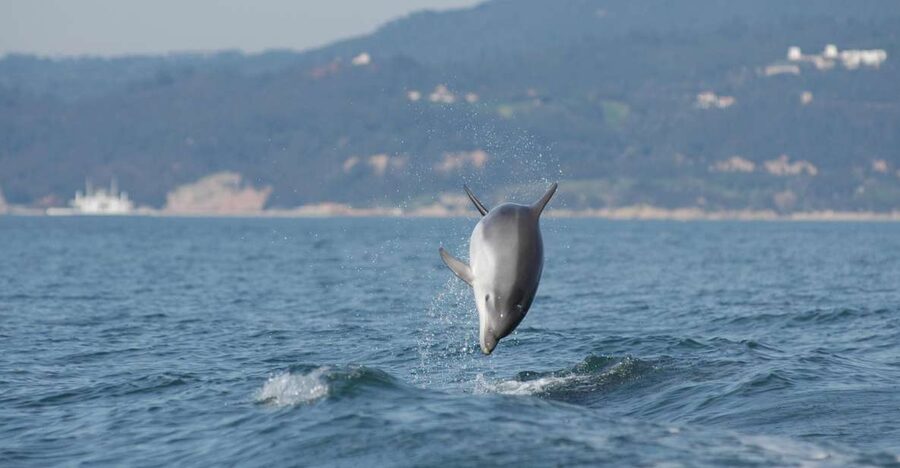
The core goal is simple: observe dolphins in their natural habitat along the coastline near Arrábida. Your marine ecologist guide helps you search for species that live there, especially common dolphins and bottlenose dolphins. If you’re hoping for variety, this trip can deliver it, because the crew also looks for other marine species that share the same waters.
What I like about this approach is the way it gives you a reason to pay attention beyond the moment you see fins. The guide’s job is to translate behavior into understanding, including why certain spots matter for dolphins, and how conservation efforts connect to real places.
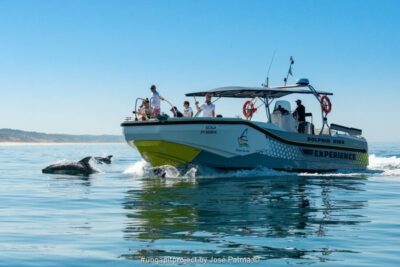
One more thing to plan for: the dolphins you’re watching are wild, so you may get moments of excitement or you may have quieter stretches. The activity partner reports a success rate of about 98%, and past departures suggest people often see dolphins close to the boat, but weather and animal movement still control the final outcome.
The Sado River Estuary: Why This Area Matters for Dolphins
You don’t just circle randomly offshore. The route is designed to cover the coastline of the Arrábida Natural Park up toward the Sado River area. The Sado River Estuary is treated as a prime conservation point, and that’s the kind of detail that helps you understand why you’re being routed where you are.
The key takeaway is continuity: dolphins live there all year round. That detail matters because it suggests you’re not chasing a seasonal rumor. Instead, you’re observing animals in a place recognized for their long-term presence, which also makes the conservation angle feel more grounded.
Expect your guide to tie what you see to that conservation context. Even if you’re new to dolphin biology, you’ll have a framework for interpreting sightings, not just a checklist of species names.
A Plastic-Collection Mission That Changes the Tone of the Trip
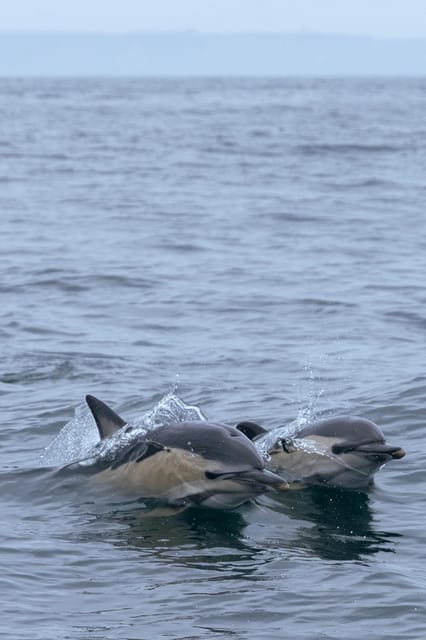
This is the one feature that gives the boat ride extra meaning. Along the way, you help locate and collect harmful plastic that floats in the ocean. It’s not presented as a “cleanup event with photos,” it’s integrated into the experience so you’re actively participating while you’re also learning and observing.
For me, the value here is simple: conservation isn’t only explained, it’s practiced in a small, direct way. That changes how you remember the outing, because you leave with a sense of involvement, not just a view.
There are also clear behavior rules. You’re not allowed to litter, and you’re not allowed to touch marine life. That combination matters because it keeps the mission focused on removing debris while protecting wildlife.
In the same part of Portugal:
- Sesimbra: Arrábida Dolphin and Whale Watching with Biologist
★ 4.9 · 310 reviews - Sesimbra: Dolphin and Whales Watching with Biologist Guide
★ 4.8 · 197 reviews - Sesimbra: Arrábida Beaches & Caves Boat Tour with Snorkeling
★ 4.9 · 191 reviews - Sesimbra: Family Friendly Boat Sea Tour w/ Submarine Vision
★ 4.6 · 175 reviews
Views of Arrábida’s Coastline, Plus a Chance for a Bonus Detour
The sightseeing component is built around the coastline scenery while you travel between Sesimbra and the broader Arrábida Natural Park coastline up toward the Sado River. People consistently rate the experience highly for the views, and the pairing of coastline scenery with dolphin searching is exactly what makes the 2 hours feel worthwhile.
Some departures may add a short detour to nearby caves when conditions allow. It’s not something to bank on, but it’s a realistic “bonus” you might encounter on the day, depending on how the crew plans the route.
If you’re the type who likes photos, you’ll enjoy the coast. If you prefer quiet observation, you’ll still get it, because the ride is paced around spotting and learning rather than constant stops.
Your Marine Ecologist Guide and the Learning You’ll Take Home
This tour isn’t only about seeing dolphins. You get a marine ecologist responsible for the activity, and the guide works in Portuguese, English, and Spanish. That language flexibility helps a lot if your group has mixed preferences, and it also supports the kind of learning where you can actually ask questions.
What you’re learning is conservation-focused: what makes the Sado area important, why dolphins need protected habitat, and what threats like plastic pollution can mean for marine environments. When an activity includes a guide with that role, it tends to change the way you watch. Instead of scanning randomly, you understand what patterns to look for, and you’re better at noticing behavior.
Based on strong ratings, the tone of the guides comes through as friendly and attentive. You should still treat the experience as an outdoor wildlife trip first, and learning second, but you’ll likely get both.
Price and Value: Why $58 Makes Sense for This Mix
At about $58 per person for a 2-hour tour, the pricing is easiest to judge by what’s included. You’re not just paying for a boat ride. You also get insurance, the marine ecologist guide, a lifejacket, water onboard, and a taste of farinha torrada. There’s also no hotel pickup or drop-off included, so you’re paying mainly for the activity itself rather than transportation logistics.
Food and beverages are not included, so plan for that if you’re pairing this with other activities. If you’re already eating before or after, that’s fine. If you’re hungry when you get back, bring a plan for where you’ll get food next.
One more value point: the success rate is reported at about 98% for the targeted species. That doesn’t make it a guarantee, but it does mean you’re paying for an experience with real operational know-how, not a vague “maybe you see dolphins” product.
What to Bring, What Not to Do, and How to Stay Comfortable
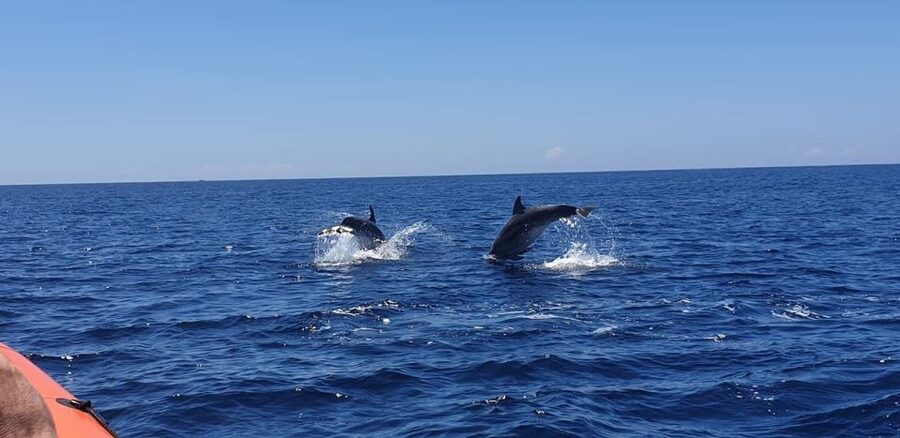
This is a boat tour, so your comfort choices matter. Wear comfortable clothes you can move in, and bring comfortable shoes. A hat and sunscreen are strongly recommended because you’ll be on deck with sun exposure likely depending on the season.
You should also remember two behavior rules:
- No littering
- No touching marine life
These are more than “keep it clean” instructions. They help protect the animals and keep the conservation mission safe and respectful. You’ll also get a smoother experience when everyone is following the same basic wildlife etiquette.
If you’re sensitive to sun or wind, dress for that too. Even in the warmer months, you can still feel a breeze on the water, and you’ll be happier if you’re not thinking about adjusting your outfit constantly.
Who This Dolphin Watching Tour Fits Best
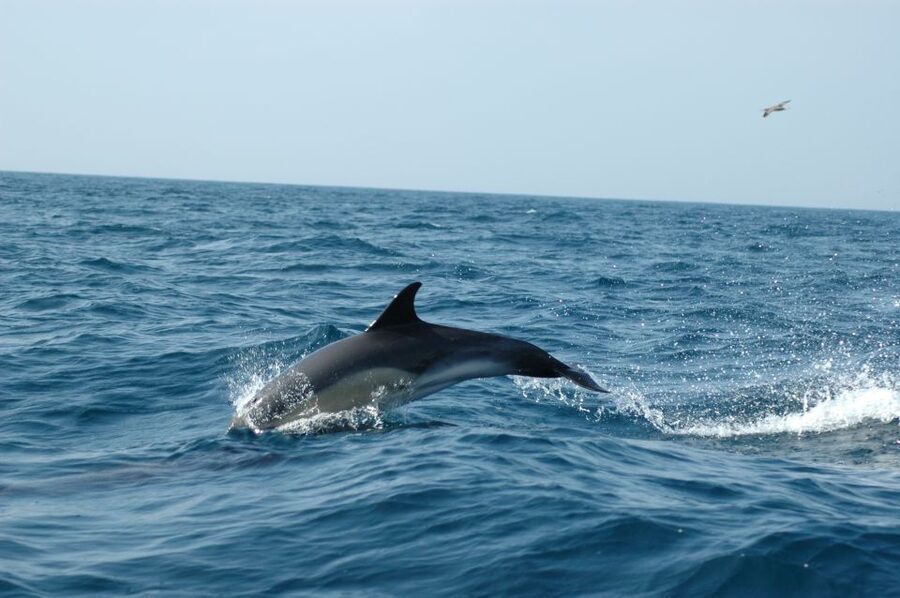
This one is a good match for people who want a nature-focused outing with a conservation angle, without taking a full day. If you like learning while you observe, and you appreciate expert guidance, the marine ecologist component is a strong reason to choose this.
It’s also a solid option if you’re visiting the Lisbon area and want something that feels authentically coastal. Sesimbra is the departure point, and you spend time around Arrábida Natural Park and the Sado River zone, which keeps the experience grounded in place.
Not suitable: children under 2 years. If you’re traveling with very young kids, you’ll need a different plan. For older kids and adults who can handle the marine setting and follow instructions, this can be an engaging wildlife experience.
If you have serious motion sickness issues, you should think carefully. The information provided doesn’t specify boat type details, so I can’t promise how smooth it will feel. In general, though, anyone who struggles on the water should plan accordingly.
Should You Book Arrábida to Sesimbra Dolphin Watching?
I’d book this if you want three things in one package: wild dolphin watching, real conservation action through plastic collection, and a guided learning experience tied to a known dolphin area in the Sado estuary. The price is reasonable given what’s included, and the reported success rate is high enough to make it a practical choice.
I wouldn’t book it if you need guaranteed dolphin sightings, because wildlife never comes with 100% certainty. I’d also think twice if you’re not comfortable on a boat or you dislike outdoor activities in sun and wind.
But if you like the idea of combining beautiful coastline views with a short, purposeful sea outing, this is a strong pick. It’s the kind of trip where you’re not only entertained, you also do something useful while you’re there.
FAQ
Where does this dolphin watching tour start?
It departs by boat from Sesimbra.
How long is the experience?
The duration is 2 hours.
How much does the tour cost?
The price is listed at $58 per person.
What is included in the ticket price?
Insurance, a marine ecologist guide, lifejacket, water, and a taste of farinha torrada are included.
Is hotel pickup and drop-off included?
No, hotel pickup and drop-off are not included.
What food or drinks are provided?
Food and beverages are not included. Water is included, and you get a taste of farinha torrada.
Are dolphin sightings guaranteed?
No. Dolphins are wild animals, so sightings cannot be 100% guaranteed, even though the local partner reports a very high success rate of about 98%.
What marine species will you try to spot?
The activity focuses on spotting common dolphins and bottlenose dolphins, including bottlenose dolphins associated with the Sado River Estuary. Other marine species may also be seen.
What should I bring?
Bring comfortable shoes, a hat, sunscreen, and comfortable clothes.
Are there age restrictions?
Children under 2 years are not suitable for this activity.
Just added around Sesimbra
- Sesimbra: Family Friendly Boat Sea Tour w/ Submarine Vision★ 4.6 · 175 reviews
- Sesimbra: Ribeiro Cavalo Beach, Caves, & Arrábida Kayak Tour★ 4.8 · 384 reviews
- Sesimbra: Caves & Secret Beaches★ 4.9 · 54 reviews
- Sesimbra: Dolphin and Whales Watching with Biologist Guide★ 4.8 · 197 reviews
- Sesimbra: Arrábida Beaches & Caves Boat Tour with Snorkeling★ 4.9 · 191 reviews
- Sesimbra: Arrábida and Espichel Caves Tour and Snorkel★ 4.5 · 20 reviews
- Sesimbra: Arrábida Dolphin and Whale Watching with Biologist★ 4.9 · 310 reviews
- Lisbon: Try Scuba Diving in Arrábida Marine Reserve w/photos★ 5.0 · 50 reviews
Setubal & Arrabida Day Tours, compared.
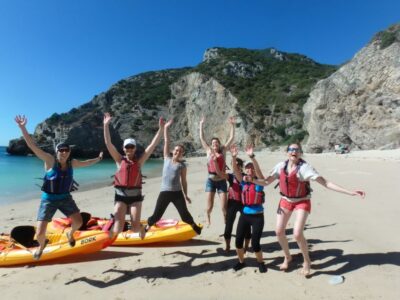

Private Lisbon Arrabida Wine Tour: Food & Wines, Mountain and Sea
Read our review →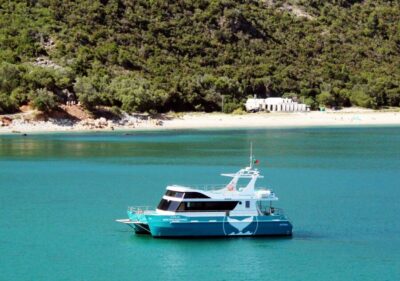
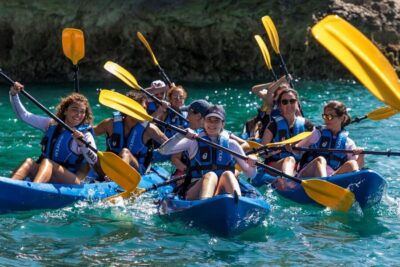
Sesimbra: Arrabida Natural Park & Caves Guided Kayaking Tour
Read our review →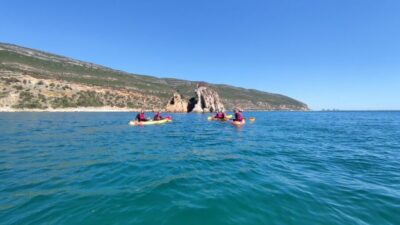
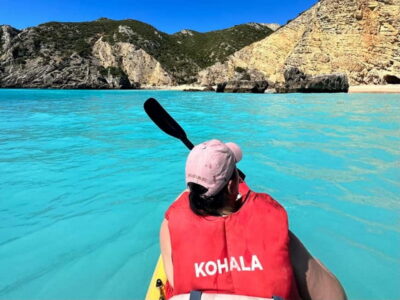
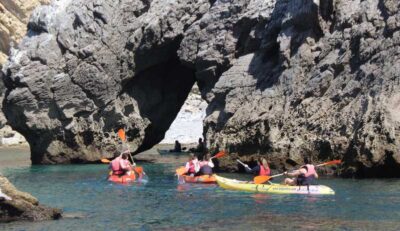
Sesimbra: Ribeiro Cavalo Beach, Caves, & Arrábida Kayak Tour
Read our review →Browse the lists this tour appears in