
Reviewed · TICKETS
Lisbon: Entry Tickets to Mosteiro de São Vicente de Fora
Lisbon has a way of surprising you with quiet corners. Here, I love how the baroque azulejos stay in their original place and how you get a big panoramic view over the city and river. It is a monument that feels like it belongs to the skyline, yet it is easy to enjoy at a slower pace.
One thing to think about: this is self-guided. You get informative panels and a flyer map, but there is no guided tour and no audio guide included, so you will want to read as you go (or just enjoy it visually).
In This Review
- Key Highlights You Should Not Miss
- Getting In at the Church Door: What Your Ticket Covers
- São Vicente de Fora in Context: From Afonso Henriques to the Bragança Kings
- Entering the Church: Style, Detail, and a Calm Pace
- The Azulejos You Came For: Baroque Tiles in Original Place
- Royal Pantheon and the Sacristy: Marble, Memory, and Power
- A Working Medieval Cistern: The 12th-Century Surprise
- La Fontaine Fables on Glazed Panels: A Fun Exhibition in Tile Form
- Panoramic View Over Lisbon and the River: Your Orientation Stop
- Price and Logistics: Why This Ticket Is Such Good Value
- Who This Experience Fits Best (And Who Might Want a Guide Elsewhere)
- Should You Book This Ticket?
- FAQ
- FAQ
- Where is the ticket office?
- How much does the entry ticket cost?
- How long is the activity?
- What is included with the ticket?
- Is there a guided tour included?
- Is an audio guide included?
- What languages are available for the host or greeter?
- Are areas outside the circuit included?
- What items are not allowed inside?
- Is free cancellation available?
Key Highlights You Should Not Miss
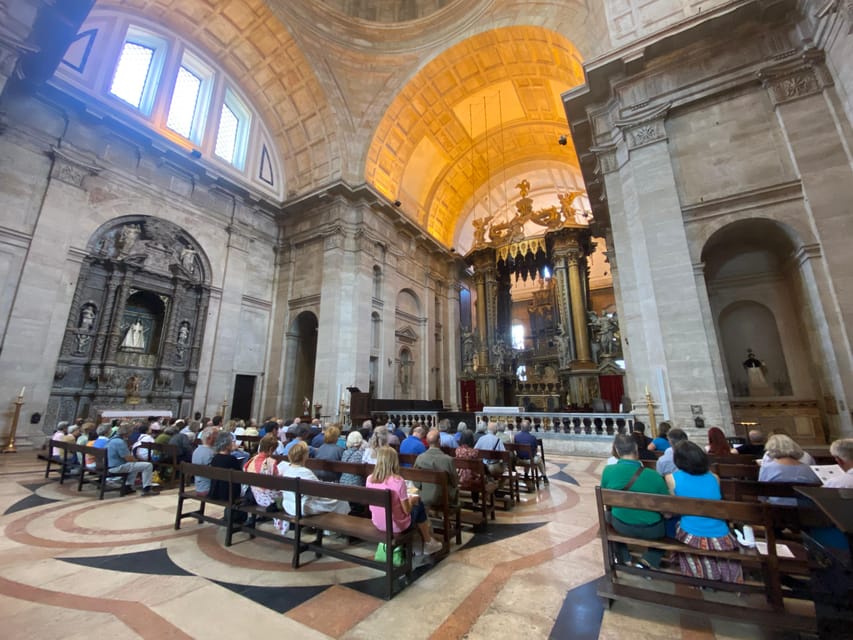
- Baroque glazed tiles in situ: a huge collection still where it was meant to be
- A legendary tile-focused site: it is described as the 2nd monument in the world with the most tiles in their original place
- Royal power made visible: Bragança Dynasty areas, including the Royal Pantheon
- A working medieval cistern: a 12th-century feature you can appreciate beyond looks
- La Fontaine fables on glazed panels: an exhibition of 38 tile-depicted stories
- Panoramic Lisbon view: a calm spot to orient yourself over the river
Getting In at the Church Door: What Your Ticket Covers
Your ticket is for entry to Mosteiro de São Vicente de Fora, and the meeting point is simple: the ticket office inside the Church of São Vicente de Fora. This matters, because you are not dealing with a remote pickup or a long walk with luggage. Just go to the church entrance, find the ticket office, and start exploring.
This is not a “stand in a line with a guide” kind of experience. You get access to all exhibitions and areas that are part of the visitor circuit, plus a bathroom. Inside, you will also find informative and explanatory panels and a flyer with a map and brief description to keep you oriented as you move.
There is no guided tour, and no audio guide. For me, that is the main practical tradeoff. If you like reading on site and following your curiosity, it works great. If you prefer someone to narrate every detail, you might wish it came with a guide.
Other Lisbon plans worth comparing
- Lisbon City Center Tour – The Unmissable Lisbon
★ 5.0 · 22,234 reviews - Lisbon: Sintra, Pena, Regaleira, Cabo da Roca & Cascais
★ 4.7 · 19,656 reviews - Lisbon Card: 24, 48, or 72-Hour Pass
★ 4.5 · 17,944 reviews
São Vicente de Fora in Context: From Afonso Henriques to the Bragança Kings
This monastery is not just pretty tile and stone. It is a visible timeline of Portuguese power.
It was founded in the 12th century by D. Afonso Henriques, and then rebuilt in the 16th century by D. Filipe I (II of Spain). That shift alone helps explain why the site reads like a layered monument: different eras shaped the spaces you walk through.
Later, it was reappropriated by successive kings of the Bragança Dynasty. That is where the “why does this feel royal?” factor really clicks. This place is closely tied to the symbolism of rule in Portugal, and you feel it most in the areas reserved for dynastic memory, decorative display, and religious ceremony.
A simple way to use this context while you visit: as you move from tiles to pantheon to ceremonial rooms, ask yourself what each space is trying to communicate. Art and architecture are doing politics here, just with glazes and marble instead of speeches.
Entering the Church: Style, Detail, and a Calm Pace
The monastery is part of Lisbon’s recognizable set of historic landmarks, but it is still possible to enjoy it without feeling swallowed by crowds. I like that it lets you slow down, especially in a city where many big sights can feel like a queue contest.
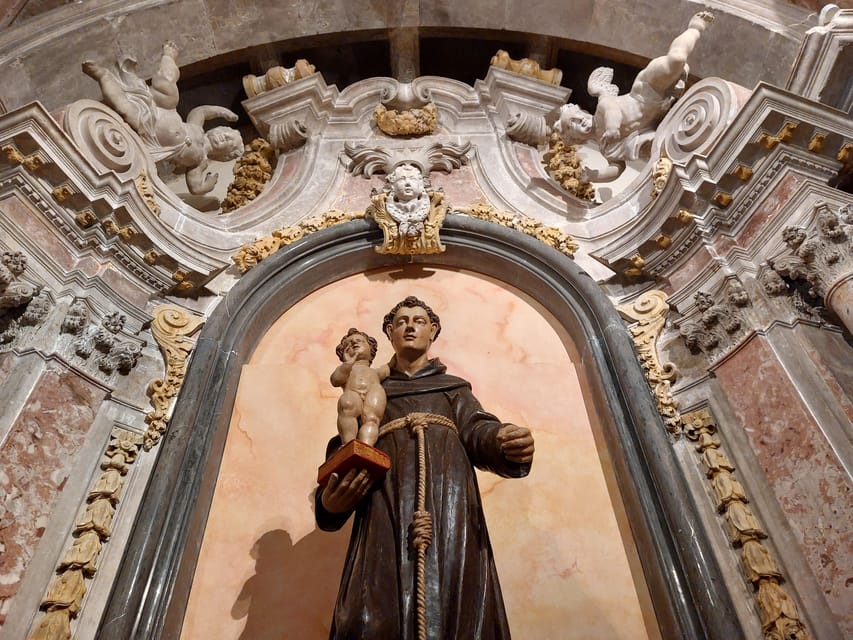
Architecturally, this is described as one of the best examples of Mannerism style in Portugal. Even if you do not know the style name, you can still sense it through the way the spaces feel composed and ornamental. The church and related interior spaces are decorated in ways meant for viewing up close, not just from across a square.
A practical tip for the church area: take a few minutes to look first, then read the panels after. Your brain links the symbolism to what you are seeing faster that way, and you avoid the “I read a lot but I did not really register the room” problem.
The Azulejos You Came For: Baroque Tiles in Original Place
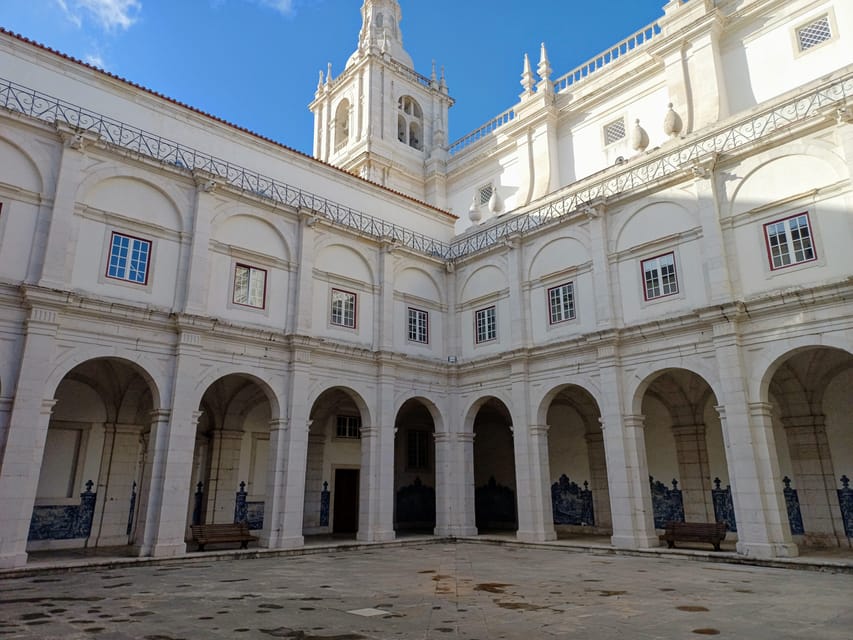
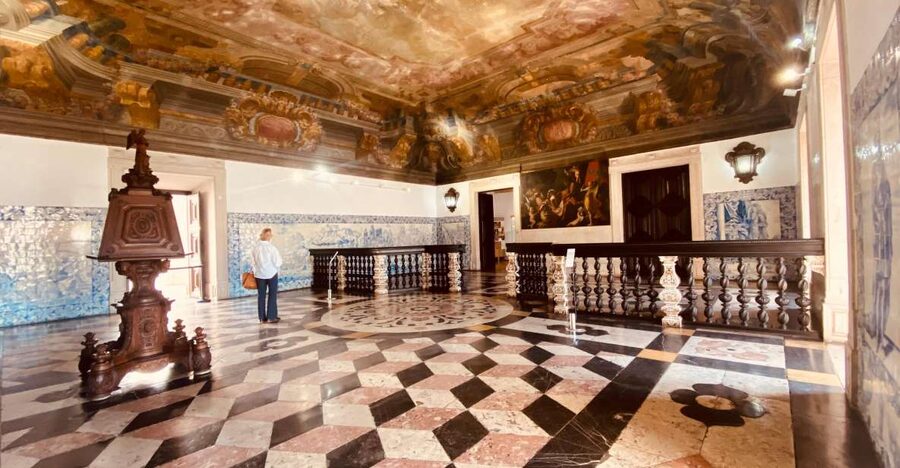
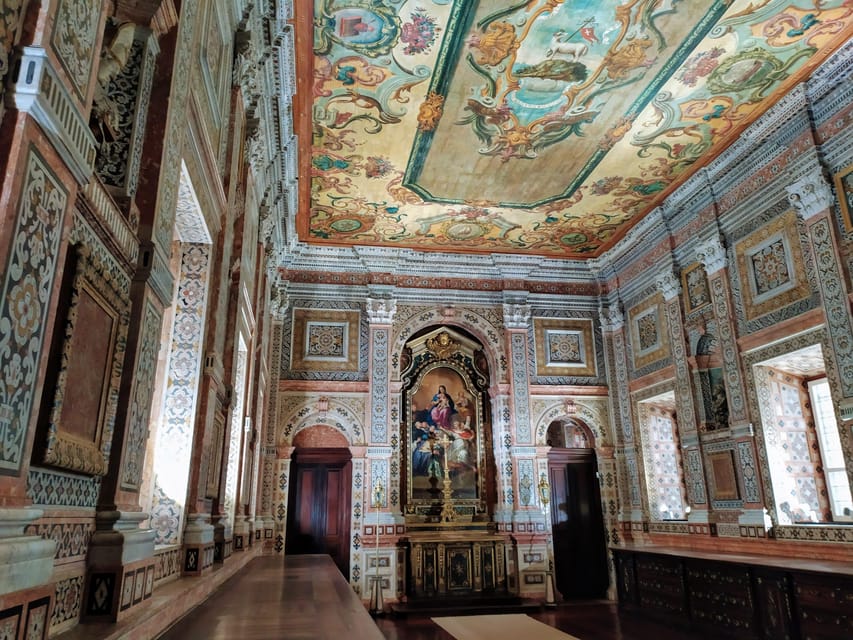
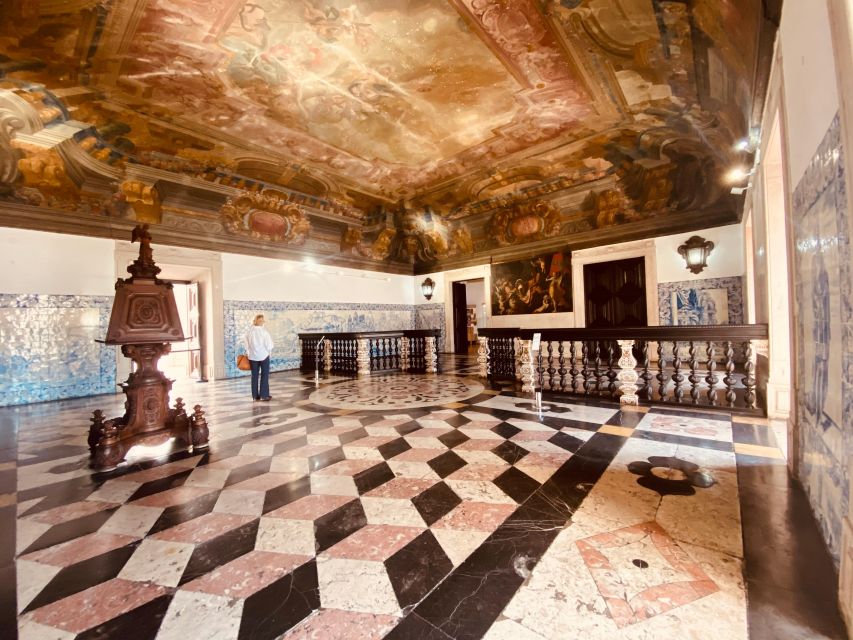
Let’s talk about the reason many people make a stop here. The monastery is home to an exceptional collection of baroque glazed tiles in their original place (in situ). In plain terms, it means the tiles are not just on display in a museum-like setting. They are integrated into the architecture, so the decoration and the room become one scene.
The site is also described as the 2nd monument in the world with the most tiles in their original place. That is a big claim, but it lines up with what you likely want from azulejos: not only beauty, but the sense of scale. You are not seeing a handful of panels. You are seeing a sustained visual environment.
As you walk through the tile areas, try this approach:
- Focus on where the decoration meets stone or ceiling lines
- Look for how different tile scenes are framed
- Notice the way the tiles guide your path through the room
You do not need a photography obsession to get something out of this. If you enjoy detail work, pattern, and the feeling of centuries of careful production, this is a highlight.
In the same part of Portugal:
- Lisbon: Jerónimos Monastery Entrance Ticket
★ 4.1 · 14,164 reviews - Lisbon: History, Stories and Lifestyle Walking Tour
★ 4.8 · 10,902 reviews - Lisbon: Sunset Boat Party Cruise with DJ and Open Bar
★ 4.5 · 10,378 reviews - Lisbon: Sintra, Pena, Regaleira, Cabo da Roca, and Cascais
★ 4.7 · 10,147 reviews
Royal Pantheon and the Sacristy: Marble, Memory, and Power

When you reach the Royal Pantheon of the Bragança Dynasty, the tone changes. This is where the site becomes more about lineage and remembrance than about surface decoration. It is also where the last Portuguese royal family is entombed, so you are walking through a space tied directly to national royal history.
Then there is the sacristy, and it is specifically noted for walls fully decorated with inlaid marbles. That is a good reminder that this monastery is not only tile. Marble inlay adds texture and depth that you can feel visually, even without touching anything.
A balanced way to experience these rooms: do not rush them. The pantheon area can feel solemn, and the marble detail can reward close looking. I would give yourself time to move slowly, especially if you like decorative arts.
A Working Medieval Cistern: The 12th-Century Surprise
One of the most interesting practical details is the medieval cistern from the 12th century, and the fact that it still works. This is the kind of feature you might walk past quickly at other sites. Here, it is part of the emotional mix, because it connects the monastery to daily function, not just display.
Why it matters for your visit: when a historic site includes working elements, it adds credibility to your imagination. You can picture how the monastery supported life, not only worship or ceremony.
If you are a “details person,” this is a great stop. You will likely enjoy it more if you take a minute to read what it is and what it does, then look at it again with that understanding.
La Fontaine Fables on Glazed Panels: A Fun Exhibition in Tile Form
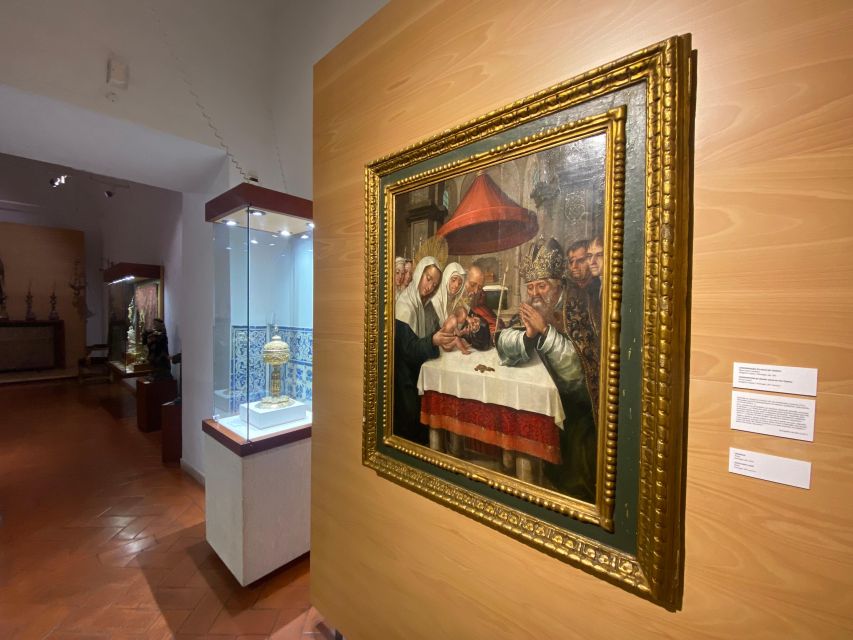
Another standout is the exhibition of 38 fables written by Jean de La Fontaine, depicted in glazed tile panels. This is a clever way to combine storytelling with Portuguese decorative traditions.
Even if you do not know La Fontaine well, you can still enjoy the experience because it is visual and structured. Fables are built for memorable scenes: moral lessons turned into images. That makes it easy to follow at a self-guided pace.
My advice: spend time here even if tiles are your main interest. This exhibition gives your eyes a break from purely decorative patterns and gives you story scenes with sequence. It also helps your brain connect Portugal’s tile tradition to wider European literary culture.
Panoramic View Over Lisbon and the River: Your Orientation Stop
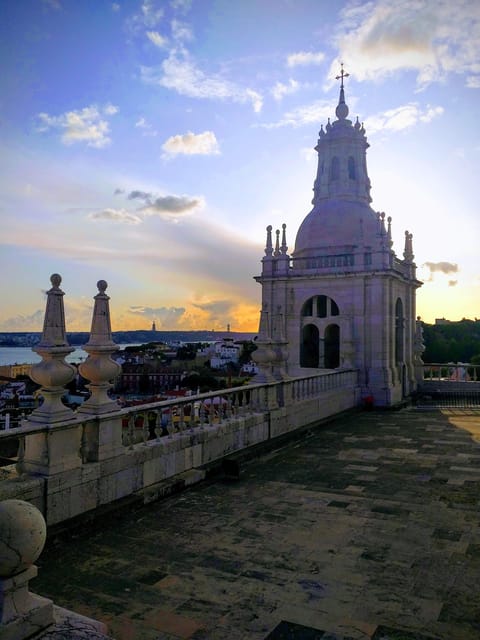
The monastery also comes with one of its most loved perks: a magnificent panoramic view over the city and the river. This is not just a nice photo moment. It gives you a sense of place, especially in a city where neighborhoods can feel like different worlds.
For using the view well, do not treat it as a quick glance. Take a moment to look for landmarks in your mind, then match what you see to where you plan to go next. Even without exact landmark names, your internal map gets sharper.
If you like slow travel, this is a perfect place to pause and reset. After tile and history rooms, stepping into open sightlines makes the whole visit feel complete.
Price and Logistics: Why This Ticket Is Such Good Value
The price is listed as $9 per person, and the inclusions explain why it feels fair. For that cost, you get:
- Entry to the monastery
- Access to all exhibitions and areas in the circuit
- Informative panels throughout the visit
- A flyer map
- A bathroom
You do not get a guide or audio. But for many visitors, that is not automatically a negative. A lot of the value here is in what you can see with your own eyes: the tile environment, the cistern feature, the marble work, the pantheon space, and the view.
Also, the visit is described as not crowded, which can genuinely change your experience. A quieter monument means you spend longer looking and reading, instead of counting down minutes in a crowd.
If you are traveling on a budget, this is one of those “small-ticket” stops that can still be a major memory, mainly because of the azulejos and the setting.
Who This Experience Fits Best (And Who Might Want a Guide Elsewhere)
This ticket is a strong match if you:
- Love azulejos and want them in an architectural setting, not just behind glass
- Enjoy history that shows dynasties and changing eras in one physical place
- Like exhibitions that are interactive visually, like the La Fontaine fables tiles
- Prefer exploring at your own pace with panels and a map
It might feel less perfect if you:
- Want a spoken narrative for every room
- Do not like reading on site
- Are looking for areas outside the main visitor circuit, since access out of the circuit is not included
The good news is that nothing about this ticket requires special expertise. You do not have to be an art historian to get a lot from the tile scale and royal storytelling.
Should You Book This Ticket?
Yes, I think you should book if you want a high-impact Lisbon sight for a small price. The combination is hard to beat: baroque tiles in situ, royal pantheon history, a 12th-century cistern, a tile exhibition of Jean de La Fontaine’s 38 fables, and a panoramic view that helps you understand Lisbon from above.
Skip it only if you know you will be frustrated without a guide or audio narration. If you are happy to use the panels, you will likely find this visit rewarding in a way that feels both cultural and practical.
FAQ
FAQ
Where is the ticket office?
The ticket office is inside the Church of São Vicente de Fora.
How much does the entry ticket cost?
The price is listed as $9 per person.
How long is the activity?
It is listed as 1 day, with starting times depending on availability.
What is included with the ticket?
Included items are entry to the monastery, access to all exhibitions and areas in the circuit, a bathroom, informative panels, and a flyer with a map and brief description.
Is there a guided tour included?
No. A guided tour is not included.
Is an audio guide included?
No. An audio guide is not included.
What languages are available for the host or greeter?
English, Spanish, French, Portuguese, and Italian.
Are areas outside the circuit included?
No. Access to areas out of the circuit is not included.
What items are not allowed inside?
Smoking, food and drinks, luggage or large bags, and alcohol and drugs are not allowed.
Is free cancellation available?
Yes. You can cancel up to 24 hours in advance for a full refund.
Just added around Lisbon
- Tomar: Knight’s Templar Castle and Convent of Christ Tour★ 4.9 · 84 reviews
- Tour Bohemian de Tuk Tuk: Bertrand, Miradouros e Estrela★ 5.0 · 24 reviews
- From Lisbon: Fátima, Nazaré and Sintra Guided Tour★ 4.7 · 155 reviews
- From Lisbon: Tomar, Batalha, Alcobaça, & Óbidos Templar Tour★ 4.9 · 47 reviews
- From Lisbon: Sintra Pena Palace Cascais 8-People Group Tour★ 4.9 · 93 reviews
- The Real Lisbon Street Art Private Guided Tour by Minivan★ 4.7 · 49 reviews
- Lisbon: The Jewish Sephardic Walking Tour★ 4.9 · 22 reviews
- From Lisbon: Tomar, Christ Convent & Almourol Castle Tour★ 5.0 · 64 reviews
Tickets, compared.



Livraria Lello Entry Ticket & Foundation Option
Read our review →
Quinta da Regaleira Skip-the-Ticket-Line Entry & Audioguide
Read our review →