

Reviewed · STREET ART
Lisbon: Street Art Tour
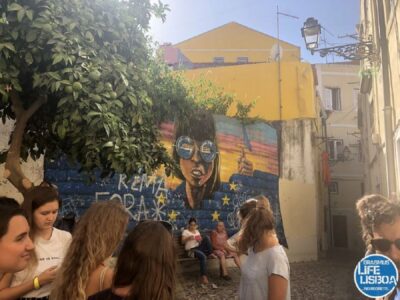
Street art in Lisbon feels like a live textbook. This 3-hour walk is led by a street artist guide who points out murals, graffiti, and street sculptures, then explains how the work connects to the neighborhood you’re standing in. I especially love the neighborhood-by-neighborhood context and how the route stays focused on what’s around you, not just famous pieces.
Two specific things I like a lot are the mix of major murals and small surprises you’d otherwise miss, and the calmer pace that helps you get away from the biggest tour crowds. One consideration: you’ll walk a lot on uneven, sometimes unpaved ground in hilly streets, so pack comfortable shoes and be ready for a bit of climbing.
In This Review
- Quick hits before you go
- Starting in Lisbon: finding Interpress and getting your bearings
- Bairro Alto: the 1-hour street art opener that sets the mood
- Chiado: quick hits of art context in 20 minutes
- Baixa de Lisboa: understanding the city through walls in 20 minutes
- Mouraria: 30 minutes of street stories with everyday textures
- Graça Historic District: the big finale with 1 hour of payoff
- Why the guide style matters: Erica, Maria, and Laith effect
- Price and time: what $40 buys you in Lisbon
- Terrain, rain, and comfort: the practical stuff that makes or breaks it
- After the tour: how to keep spotting street art around Lisbon
- Should you book this Lisbon Street Art Tour?
- FAQ
- How long is the Lisbon Street Art Tour?
- How much does the tour cost?
- Where do I meet the guide?
- What neighborhoods will the tour cover?
- Is a live guide included, and what language is it in?
- What is not included in the price?
- What should I bring?
- Is the tour wheelchair accessible?
Quick hits before you go
- Street-artist guidance that links each wall to the area’s culture and everyday life
- Bairro Alto and Graça balance, from modern-feeling streets to historic viewpoints
- Spotting tricks like learning to look up for tiny details and signatures
- A tour route built for side streets, so you spend more time seeing art and less time waiting
- Art technique and intent talk, not just who painted what
- Pavement and terrain are real, so this is not a flat stroll
Starting in Lisbon: finding Interpress and getting your bearings
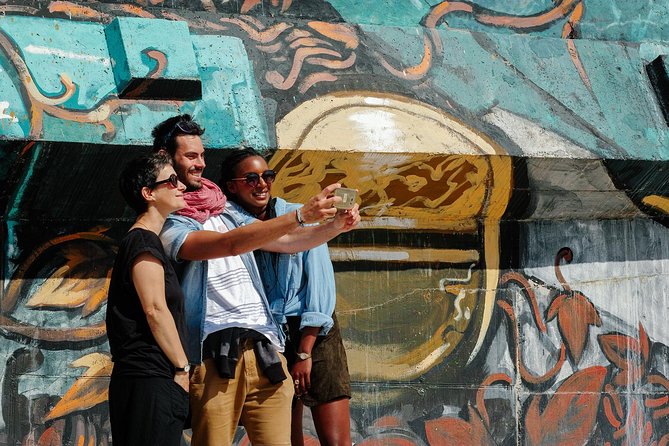
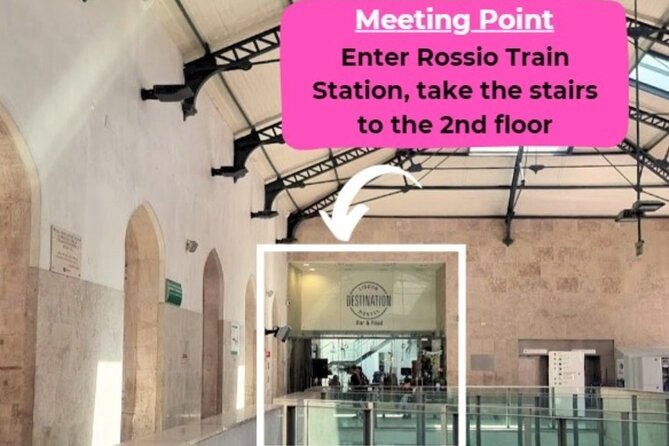
You’ll meet your guide at the Interpress building area, near R. Luz Soriano 67. Plan to arrive a few minutes early and take a quick scan of the streets before the group moves. Lisbon street art is best understood when you’re already noticing textures, doors, shutters, stairways, and small alley bends.
This tour is a walking experience first, with interpretation second. That matters because the art you’ll see is tied to where it’s placed, how light hits it, and what kind of street life passes in front of it. When your guide starts pointing out patterns early, you’ll get into the right headspace fast, noticing composition, lettering, paint layers, and the way pieces respond to the street layout.
One more practical note: there’s no hotel pickup. You’ll want to route yourself to the meeting point using whatever is easiest that day, then keep your phone charged for navigation during the rest of your trip.
Other Lisbon plans worth comparing
- Lisbon City Center Tour – The Unmissable Lisbon
★ 5.0 · 22,234 reviews - Lisbon: Sintra, Pena, Regaleira, Cabo da Roca & Cascais
★ 4.7 · 19,656 reviews - Lisbon Card: 24, 48, or 72-Hour Pass
★ 4.5 · 17,944 reviews
Bairro Alto: the 1-hour street art opener that sets the mood
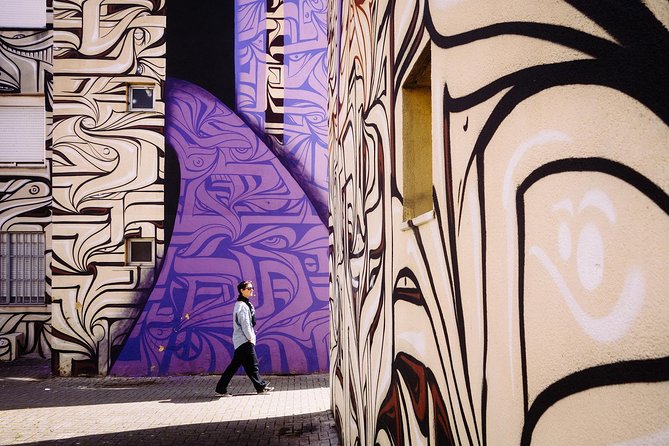
Bairro Alto kicks things off, and it works. This first stretch is your orientation to Lisbon street art as a living scene, not a museum display. Expect the guide to show you standout murals and street sculpture-style works, then talk about how the surrounding street culture shapes what people see and how they react.
This is also where the tour’s pacing becomes clear. Guides like Erica, Maria (and sometimes Marie), and Erika are repeatedly praised for turning the walk into a story, with clear answers and a style that keeps people engaged for the full time. Even if you’re new to street art, you’ll usually leave Bairro Alto understanding one big idea: walls here are part of local conversation.
Why the 1-hour stop matters for you: it gives you enough time to train your eye. After a good opening, you start spotting things without being told, like small tags that look random until you realize they’re part of a visual network, or recurring themes that show up again later in the tour.
Chiado: quick hits of art context in 20 minutes
Chiado is next, and the stop is short. That’s not a flaw, it’s a strategy. In 20 minutes, your guide can point out how street art shifts from neighborhood identity to broader city energy, and how it fits beside more classic Lisbon streetscapes.
This is also a good time to pay attention to contrasts. Street art doesn’t sit alone here. You’ll see it layered into the urban rhythm, where traditional storefront fronts and street details can make modern graffiti and murals read differently. Your guide should connect the work to the feel of the area, including how residents interpret these pieces over time.
If you’re the kind of person who likes details, this is where your guide’s technique talk can pay off. Some guides in this tour style explain methods and artistic choices, so what you thought was simple graffiti becomes something you can actually see in layers.
Baixa de Lisboa: understanding the city through walls in 20 minutes

Baixa de Lisboa is the “center of gravity” kind of place, and your tour time here is designed for momentum. In 20 minutes, you’ll move quickly but with purpose, learning how street art can act like a commentary lane in a high-visibility part of the city.
For you, this stop is valuable because it shows how street art isn’t only for out-of-the-way streets. It can show up in areas people pass through all the time, and still carry meanings that take time to decode. A good guide will help you read symbolism, color choices, and the message behind a piece without turning it into a lecture.
A practical tip: since the time is brief, don’t get stuck photographing one mural for too long. Let the guide finish the point, then go back for your favorite shots. That way you end the stop with both images and context.
In the same part of Portugal:
- Lisbon: Jerónimos Monastery Entrance Ticket
★ 4.1 · 14,164 reviews - Lisbon: History, Stories and Lifestyle Walking Tour
★ 4.8 · 10,902 reviews - Lisbon: Sunset Boat Party Cruise with DJ and Open Bar
★ 4.5 · 10,378 reviews - Lisbon: Sintra, Pena, Regaleira, Cabo da Roca, and Cascais
★ 4.7 · 10,147 reviews
Mouraria: 30 minutes of street stories with everyday textures

Mouraria is where the tour often becomes more personal in tone. You’re still learning about artists and street art techniques, but the focus starts to shift toward the neighborhood’s lifestyle and social context. This is where Lisbon’s walls start feeling less like random art and more like community messaging.
The 30-minute pace gives your guide time to slow down and connect dots between what you see and what the area is known for. You’ll likely notice more variety in how pieces are placed, how they interact with buildings, and how residents living around them shape their meaning.
If you enjoy history, Mouraria is a strong stop because street art here can feel like it’s responding to real conditions, not only making aesthetic choices. Some guides also weave Portugal and Lisbon historical background into the art discussion, so you start noticing themes that echo across time.
Weather note: Mouraria streets can be slippery if it rains, so keep your shoes grippy and your walking pace steady. The tour tends to keep going even in light rain, and that means you should bring the right footwear more than anything else.
Graça Historic District: the big finale with 1 hour of payoff
Graça Historic District is your longer finale stop, around 1 hour. This is where the view factor and the wall factor often line up, so you feel the payoff of the earlier walking. Your guide typically shows the most rewarding street art moments here, including larger works and pieces that feel almost “built into” the architecture.
For you, this final hour is when the tour’s main lesson clicks: street art in Lisbon is not just decoration. It’s a dialogue between artists, neighborhoods, and the people who walk past every day.
You might also pick up practical navigation ideas while you’re here. For example, one recurring guide strength is being helpful beyond the art itself, including recommending public transport options when certain metro access gets tricky in hilly zones. If you’re planning your next day, ask a simple question at the end like what route makes sense from Graça to where you’re going next.
One more thing: many people come off the Graça portion saying they notice street art everywhere after. That’s usually because this stop gives you both scale and context, so you can compare what you saw earlier to what you see later on your own.
Why the guide style matters: Erica, Maria, and Laith effect
In street art, a good guide does two jobs. First, they help you see what you’re looking at. Second, they help you understand why it exists in that exact place.
On this tour, guides like Erica, Maria (and variations like Marie), and Laith are repeatedly praised for turning the walk into a story. That usually shows up in a few concrete ways:
- They answer questions clearly instead of rushing past them
- They explain more than one art idea per stop, like technique plus social meaning
- They connect Lisbon history and neighborhood life to what’s painted on the wall today
You also get a social benefit from this kind of leading. The tour is described as away from large crowds and groups, and many people highlight that the group feels manageable enough for discussion. If you like to ask why a specific piece uses certain colors or symbols, this style makes that feel normal, not awkward.
Finally, there’s the “I’ll keep noticing things” effect. Several visitors note that after the tour they start spotting details on their own, including smaller works they would’ve walked past. That is a real value add, because it keeps paying off for days.
Price and time: what $40 buys you in Lisbon
At $40 per person for about 3 hours, you’re paying for a live guide and a route that strings together multiple neighborhoods in a way you likely wouldn’t stitch together on your own. The biggest value isn’t just the murals. It’s the interpretation that helps you read them.
Here’s how to think about it for your day planning:
- You get a structured walk across different areas, so you don’t spend your trip testing random streets
- You spend limited time in each zone, which keeps the tour moving and the attention sharp
- You end with a long finale in Graça, so the experience finishes strong
The downside is also time-based. This is not a sit-and-stare outing. You’ll need a willingness to walk for the full 3 hours, including uneven patches. If you’re trying to cram this into the hottest part of the day or right after a long hike, you’ll feel it.
If you want good value, plan this early enough that you can use what you learn immediately afterward. Street art viewing changes once you know what questions to ask.
Terrain, rain, and comfort: the practical stuff that makes or breaks it
This tour requires you to be able to walk on unpaved or uneven terrain, and it’s not suitable for wheelchair users. That means your main gear choice is shoes. You’ll want something comfortable with traction, especially in older neighborhoods with irregular pavement.
Oversize luggage is not allowed, so travel light. If you’re carrying a big bag, think about where you’ll stash it between your other sightseeing stops.
Weather is always a factor in Lisbon. Even when rain shows up, the tour continues, which is why comfort and grip matter more than hoping for perfect skies. A light drizzle might not stop the walk, so bring a simple rain layer if the forecast looks iffy.
If you’re unsure about your fitness level, look at the tour as a steady urban walk with hills. People mention 3 hours feels like a lot until the pace makes sense, but the terrain is still real. Pace yourself and ask the guide questions when you need a break.
After the tour: how to keep spotting street art around Lisbon
One of the best side effects of a tour like this is that it changes your scanning habits. Instead of hunting for one big mural, you start looking for small tells: tags in the corner, paint edges where layers overlap, lettering styles that match specific artists, and symbols that connect back to a theme your guide mentioned.
Try this right away during your next walk:
- Look up often. Lisbon has plenty of vertical surprises on building facades and stair-adjacent walls
- Notice how pieces relate to street life. If a piece sits near a doorway or viewpoint, it usually gets interpreted by people passing it daily
- Compare styles between neighborhoods you just visited. Bairro Alto and Graça can feel like different moods of the same city
You’ll also likely benefit from the way your guide explains art techniques. Even without being an art person, you can start recognizing what makes one mural feel loud, another feel political, and another feel like it belongs to local character.
And if you still have energy, use your newfound eye to find extra pieces near where the tour ended. Graça is a great place to keep going on foot because the terrain makes every street feel like a mini discovery.
Should you book this Lisbon Street Art Tour?
Book it if you want street art with real context and you’re happy walking through multiple neighborhoods in one go. This tour is a strong choice for first-timers because the guide’s storytelling style helps you understand what you’re seeing, not just where it is. It’s also a smart way to get away from the biggest crowd energy while still feeling like you covered the important street art zones.
Skip it or rethink it if you need a fully wheelchair-accessible route or if uneven terrain will be a problem for you. If your trip is tight on stamina, consider when you schedule this so you’re not mixing it with another long day of sightseeing.
If you want an art-focused introduction to Lisbon that pays off immediately in how you look at the city after, this is an easy yes.
FAQ
How long is the Lisbon Street Art Tour?
The tour lasts 3 hours.
How much does the tour cost?
It costs $40 per person.
Where do I meet the guide?
Meet your guide in front of the Interpress building.
What neighborhoods will the tour cover?
You’ll visit Bairro Alto, Chiado, Baixa de Lisboa, Mouraria, and the Graça Historic District.
Is a live guide included, and what language is it in?
Yes, a live guide is included, and the tour is in English.
What is not included in the price?
Hotel pickup and drop-off are not included, and food and drinks are not included.
What should I bring?
Bring comfortable shoes.
Is the tour wheelchair accessible?
No, it is not suitable for wheelchair users.
Just added around Lisbon
- Tomar: Knight’s Templar Castle and Convent of Christ Tour★ 4.9 · 84 reviews
- Tour Bohemian de Tuk Tuk: Bertrand, Miradouros e Estrela★ 5.0 · 24 reviews
- From Lisbon: Fátima, Nazaré and Sintra Guided Tour★ 4.7 · 155 reviews
- From Lisbon: Tomar, Batalha, Alcobaça, & Óbidos Templar Tour★ 4.9 · 47 reviews
- From Lisbon: Sintra Pena Palace Cascais 8-People Group Tour★ 4.9 · 93 reviews
- The Real Lisbon Street Art Private Guided Tour by Minivan★ 4.7 · 49 reviews
- Lisbon: The Jewish Sephardic Walking Tour★ 4.9 · 22 reviews
- From Lisbon: Tomar, Christ Convent & Almourol Castle Tour★ 5.0 · 64 reviews
Street Art, compared.





The Real Lisbon Street Art Private Guided Tour by Minivan
Read our review →
Browse the lists this tour appears in