Reviewed · LISBON TOURS & ACTIVITIES
Lisbon’s Post-Colonial Feast
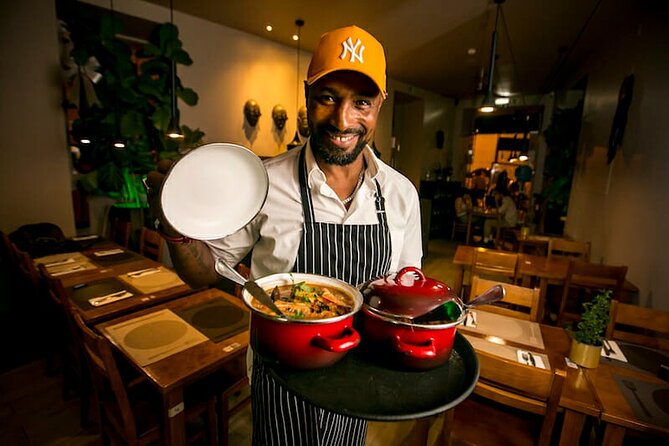
Lisbon’s food tells a complicated story. This post-colonial feast blends neighborhood walking with tastings, from chocolate to chorizo stew, and pairs it with an honest look at Portugal’s colonial aftermath. You’ll cover several parts of the city in about five hours, led in English.
I really like that the group stays small, max seven people, so the conversation does not feel like you are shouting over strangers. I also like that the day is built around both eating and learning, including the grim history of slavery, repression, and exploitation.
One possible drawback is the subject matter. If you want a purely light food stroll, the historical theme can feel heavy even while you are enjoying regional bites.
In This Review
- Key takeaways before you go
- Lisbon’s post-colonial food story in five hours
- Price, group size, and why the small numbers matter
- Starting at Praça do Chile, then walking through the day
- Paço da Rainha and Campo dos Mártires da Pátria: setting the theme
- Fonte Luminosa to Jardim do Torel: where the discussion meets your next bite
- Largo de São Domingos: finishing with specialties and a sense of closure
- What you eat: chocolate, chorizo stew, and cross-Atlantic influences
- History you can taste: slavery, repression, and exploitation in context
- Guide energy, meeting people, and how the tour feels
- Plan around weather and pacing
- Value for $150 and who should book
- Should you book Lisbon’s Post-Colonial Feast?
- FAQ
- How long is Lisbon’s Post-Colonial Feast?
- What time does the tour start?
- Where do I meet the tour?
- Where does the tour end?
- How many people are in the group?
- What language is the tour offered in?
- What food is included?
- Do I get a mobile ticket?
- What happens if the weather is bad?
- Can I cancel for a full refund?
Key takeaways before you go
- Max seven people keeps the vibe relaxed and discussion easy
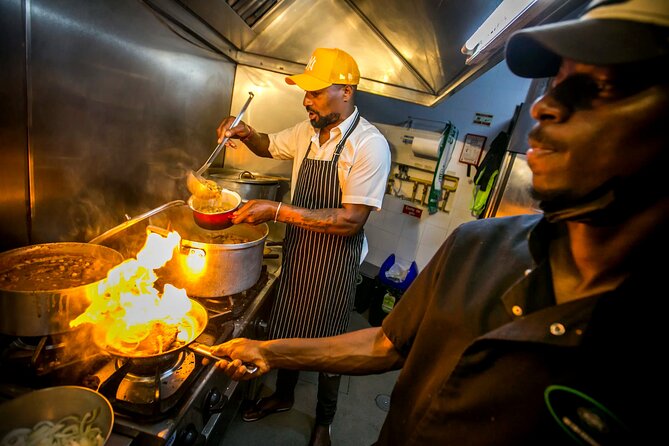
- Chocolate and chorizo stew are front-and-center among the tastings
- Post-colonial themes connect Portuguese cuisine to former colonies
- Multiple neighborhood stops help you get your bearings fast
- English-language guide makes the learning straightforward
Lisbon’s post-colonial food story in five hours
This is not your average Lisbon food tour that focuses only on what to eat. The core idea is simple: Portuguese cuisine did not develop in isolation, and its flavors were shaped by contacts across the Portuguese empire. The tour uses the city itself as the classroom, then rewards you with food along the way.
The pacing is built for a half-day outing that still feels like a journey. It runs about 5 hours and starts at 11:00 am. You will spend time at five stops, with a mix of walking, guided discussion, and tastings. The first four stops are about 45 minutes each, with a longer finish at the last square.
Other Lisbon plans worth comparing
- Lisbon City Center Tour – The Unmissable Lisbon
★ 5.0 · 22,234 reviews - Lisbon: Sintra, Pena, Regaleira, Cabo da Roca & Cascais
★ 4.7 · 19,656 reviews - Lisbon Card: 24, 48, or 72-Hour Pass
★ 4.5 · 17,944 reviews
Price, group size, and why the small numbers matter
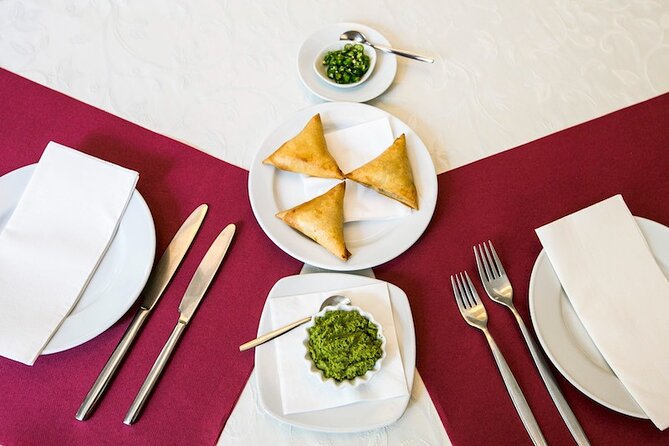
At $150 per person, this is a splurge compared with budget street-food hopping. But the price makes sense when you factor in three things you actually get: time, guided context, and multiple tastings in one outing.
You also benefit from the small group size. Maximum is seven people, which changes the feel fast. It is easier to ask questions, and the guide can steer the discussion based on what you care about. If you like meeting like-minded people without the awkwardness of a big bus group, this format is a strong match.
Another practical plus is that the tour uses free admission for the listed stops. That matters because it keeps the experience focused on walking and conversation instead of ticket lines or museum pacing.
Starting at Praça do Chile, then walking through the day
You meet at Praça do Chile 2, 1170 Lisboa, Portugal. The tour is designed to return you back to the same meeting point at the end, which is helpful if you are planning lunch or an afternoon plan nearby.
The meeting area is marked as near public transportation, which is a big deal in Lisbon. You do not want to burn time getting to the start, especially when the tour runs several stops over a half-day schedule.
Also, plan to bring your patience for a history-heavy conversation. This tour explicitly teaches the Portuguese side of colonization and its consequences, including slavery, repression, and exploitation. The food is part of the point, but the tone is serious.
Paço da Rainha and Campo dos Mártires da Pátria: setting the theme
Your first stop is Paço da Rainha. The plan is to take in the sites as you make your way toward the next area, with time to settle in and get the day’s theme framed. Even without museum time, this is where the guide can connect Lisbon’s neighborhoods to the larger story of Portugal’s global connections.
Then you head to Campo dos Martires da Patria. Here, the focus shifts toward the city’s history and culture. Think of it as a quick but meaningful foundation. You are not just walking for views, you are learning how place and memory show up in everyday city life.
Two things to watch for at these early stops:
- Pace yourself. By the second or third tasting, the day’s lesson and the food both start building momentum.
- Bring questions. If you are curious about how colonial connections show up in ingredients and dishes, the early context helps you spot the pattern later.
In the same part of Portugal:
- Lisbon: Jerónimos Monastery Entrance Ticket
★ 4.1 · 14,164 reviews - Lisbon: History, Stories and Lifestyle Walking Tour
★ 4.8 · 10,902 reviews - Lisbon: Sunset Boat Party Cruise with DJ and Open Bar
★ 4.5 · 10,378 reviews - Lisbon: Sintra, Pena, Regaleira, Cabo da Roca, and Cascais
★ 4.7 · 10,147 reviews
Fonte Luminosa to Jardim do Torel: where the discussion meets your next bite
At Avenida da Fonte Luminosa, you pause to discuss the theme of the day and then take in the surrounding sites. This part matters because it is the bridge between walking and eating. The guide uses the neighborhood setting to make the food story feel less abstract.
Next comes Jardim do Torel, described as a beautiful site where you will find out the next best bite. This is the moment where the tour can shift gears from classroom to snack break, which is how it stays enjoyable even with heavy topics in the background.
One small detail that seems to come up in the experience is how the guide keeps the tone balanced. In one highlight shared from a group, the guide Celia was praised as super lovely and well prepared, with the kind of energy that keeps people engaged. When the group is small, that personal guidance matters even more.
Largo de São Domingos: finishing with specialties and a sense of closure
The last stop is Largo de Sao Domingos, a square where you will find some specialties. This is the longer part of the tour, lasting about 1 hour. That extra time gives the meal portion room to land, so the day does not feel like it ends abruptly when the conversation turns emotional.
Squares are great for tours like this because you can look around and connect the story to real public space. You get a natural moment to reflect on what you learned, and then you get to taste again without rushing.
If you have ever left a food tour hungry for context, this ending style is a good fix. The day has a start, a middle, and then a finish that lets the food and history meet in one place.
What you eat: chocolate, chorizo stew, and cross-Atlantic influences
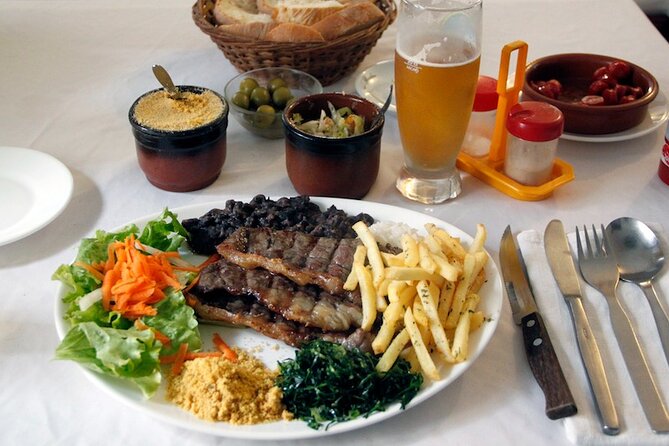
Food is the hook here, but it is not random. The tour is built around a feast that includes chocolate, chorizo stew, and a wealth of regional delicacies. Expect multiple tastings spaced across the route rather than one big sit-down meal.
The post-colonial framing is important because it explains why you might taste influences that do not immediately come to mind when you think of Portugal. In one shared experience, people loved trying foods connected to former Portuguese colonies and also learning how those interactions reshaped cuisine both in the colonies and in Portugal itself.
You should also know that some specific restaurant details can change. One person noted that an Angolan restaurant that had been planned had closed recently, but the group was still well fed. That is not something you can predict, but it is a reminder to focus on the bigger idea: the guide ties multiple flavors and stories together.
Practical tip for your stomach: this is a full walk with tastings over hours. Come with an appetite, but also do not show up after a huge late breakfast. You want to enjoy, not just survive.
History you can taste: slavery, repression, and exploitation in context
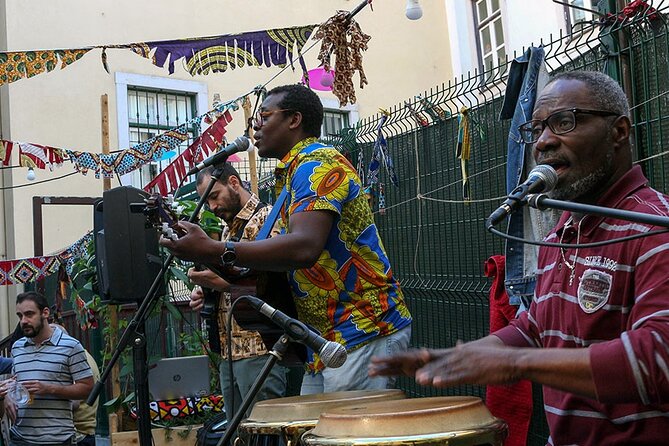
This tour is upfront about teaching the grim history behind Portuguese colonization. The theme includes slavery, repression, and exploitation. That is not a vague reference, it is the core learning topic.
What I like about this approach is that it treats history as part of daily life. Food is not presented as a cute side dish. It is used to connect migration, trade, and power to what ends up on plates.
You also get a guided explanation of how post-colonial communities and cultural exchanges shape Portuguese food. One person highlighted that the tour delivered both a taste of cuisine and learning about colonial interactions. That dual structure is what makes this more than a flavor tour.
If you are sensitive to heavy topics, plan to treat this as a learning experience first, meal second. The snacks help, but they do not sugarcoat the subject.
Guide energy, meeting people, and how the tour feels
With a maximum of seven people, the tour is built for conversation. You do not feel like you are being herded. You are more likely to remember what you asked, because the guide can actually respond.
In the shared feedback, Celia came up as especially praised for being super lovely and knowledgeable in a way that made people feel comfortable. Another person said that even after decades of visiting Lisbon, they still learned neighborhoods they had never explored. That is a great sign for anyone who has already done the headline sights.
One extra emotional benefit of this size: you can react to the topic without worrying that your reaction will slow the group. If the discussion lands hard, the small format gives it space.
Plan around weather and pacing
This experience requires good weather. If it is canceled due to poor weather, you will be offered a different date or a full refund. Since you are walking between several stops, checking conditions the day before is not optional.
The time structure is also worth noting. With roughly 45 minutes at the first four stops and about 1 hour at the end square, the tour is active but not frantic. You should wear comfortable shoes and be ready for a few hours outdoors.
Also, because you start at 11:00 am and end back at the meeting point, you can build an afternoon plan after. If your schedule is tight, just keep a buffer for a calm transition after the last tasting.
Value for $150 and who should book
Is $150 expensive? Yes, compared with typical walking tours. But you are paying for a bundle: guided post-colonial history plus multiple tastings plus a small group format, all wrapped into about five hours.
It is especially good value if:
- you want Lisbon food with context, not just flavors
- you like walking enough to cover multiple neighborhoods
- you prefer small-group interaction over a large crowd vibe
- you are curious how colonial-era exchange shows up in everyday dishes like stew and chocolate
It may be less ideal if you want only quick snacks and a casual vibe with no serious historical discussion. The tour’s theme is not optional. If you accept that upfront, you will get a lot more out of it.
One more timing note: it is commonly booked about 55 days in advance. That suggests demand is steady. If this is on your must-do list, booking earlier is smart.
Should you book Lisbon’s Post-Colonial Feast?
Book it if you want to eat in Lisbon with a purpose. The small group size, the clear focus on post-colonial influences, and the mix of chocolate, chorizo stew, and regional specialties make it a memorable half-day. You also get a guided explanation of slavery, repression, and exploitation, which is not common in standard food walks.
Skip it if you are looking for a purely light food tour where history stays in the background. This one puts the history at the center, and the food supports the message.
If you are torn, treat it like this: choose this tour when you want Lisbon to make sense in more than one way.
FAQ
How long is Lisbon’s Post-Colonial Feast?
It lasts about 5 hours.
What time does the tour start?
The start time is 11:00 am.
Where do I meet the tour?
You meet at Praça do Chile 2, 1170 Lisboa, Portugal.
Where does the tour end?
The activity ends back at the meeting point.
How many people are in the group?
The maximum group size is seven travelers.
What language is the tour offered in?
The tour is offered in English.
What food is included?
You can expect chocolate, chorizo stew, and a wealth of regional delicacies.
Do I get a mobile ticket?
Yes, the tour includes a mobile ticket.
What happens if the weather is bad?
This experience requires good weather. If it is canceled due to poor weather, you will be offered a different date or a full refund.
Can I cancel for a full refund?
Yes, free cancellation is available if you cancel up to 24 hours in advance for a full refund.
Just added around Lisbon
- Morning Sailing Tour in Tagus River from Lisbon★ 5.0 · 68 reviews
- Private Half Day – The Majestic Pena Palace & Sintra★ 5.0 · 90 reviews
- Lisbon Private 3 hours tour★ 4.5 · 33 reviews
- PRIVATE Unforgettable Full Day Tour to Sintra from Lisbon★ 5.0 · 236 reviews
- Lisbon: Catamaran Luxury Sunset and Wine Tour★ 5.0 · 119 reviews
- Lisbon’s authentic Food and Wine tour with a Winemaker★ 5.0 · 67 reviews
- Sesimbra Wild Beach Tour from Lisbon★ 5.0 · 57 reviews
- Private Jeep Tour from Lisbon – Arrábida, Sesimbra & Beach Picnic★ 5.0 · 48 reviews
Lisbon Tours & Activities, compared.
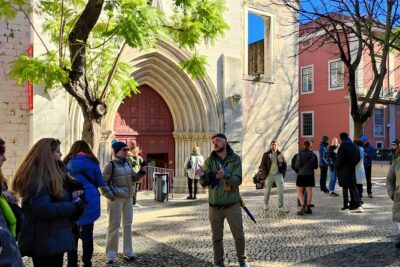
Lisbon City Center Tour – The Unmissable Lisbon
Read our review →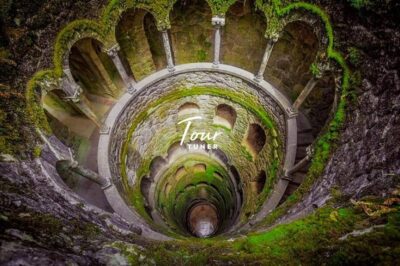
Sintra, Pena, Regaleira, Cabo da Roca & Cascais
Read our review →


Sunset Boat Party Cruise with DJ and Open Bar
Read our review →
Sintra, Pena, Regaleira, Cabo da Roca, and Cascais
Read our review →