Reviewed · PORTO TOURS & ACTIVITIES
Matosinhos: Conservas Pinhais Factory Tour
Canned sardines, made in front of you. I love the hands-on tin wrapping and the included tasting with wine or soft drink. One thing to keep in mind, you might not always see fish being handled, since production depends on the sardine catch and what the team has planned.
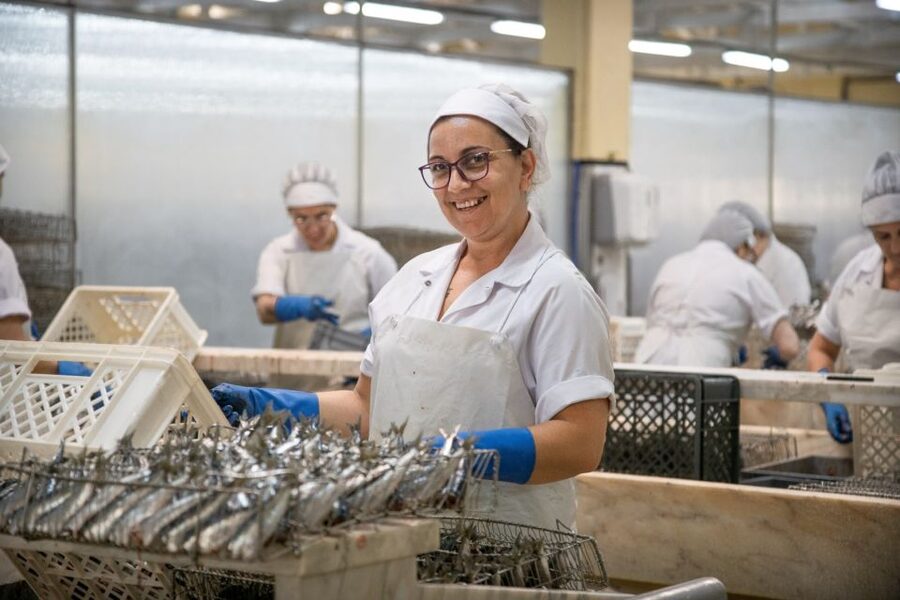
This is a 1.5-hour, plain-english walkthrough of how a long-running family business turns fresh fish into shelf-stable comfort food. You get protective clothing, headsets (so the guide stays clear), and a real look at working routines that have been carried forward for a centenary.
In This Review
- Key Highlights You Should Not Miss
- Matosinhos Sardine Canning: Why This Tour Feels Real
- Price and Timing: What $30 Buys You in Real Value
- Start Here: Av. Menéres 700 and the Voucher Exchange
- English Guide, Headsets, and How the Tour Stays Clear
- Centenary Building and Audiovisual Areas: The Story Before the Floor
- The Production Floor: Artisanal Steps You Can Actually Understand
- Wrapping Your Own Tin: The Interactive Part That Sticks With You
- Can-Tin Café Tasting: Sardine Preserves With Wine or Soft Drink
- Practical Logistics: What to Bring, What to Leave Behind
- Does This Tour Fit You? Best Matches and One Smart Caution
- Should You Book Conservas Pinhais in Matosinhos?
- FAQ
- How long is the Conservas Pinhais Factory Tour?
- Is the factory tour offered in English?
- What tasting is included?
- Where does the tour start, and do I need to exchange a voucher?
- Is the tour wheelchair accessible?
- What items are not allowed in the factory areas?
- Will I definitely see fish being handled during the tour?
- Can I reserve without paying right away, and can I cancel?
Key Highlights You Should Not Miss
- Wrap your own tin, with guidance from people who do this day after day
- Tasting at Can-Tin Café, paired with a glass of wine or soft drink
- Centenary building plus historical workshop spaces, depending on the day
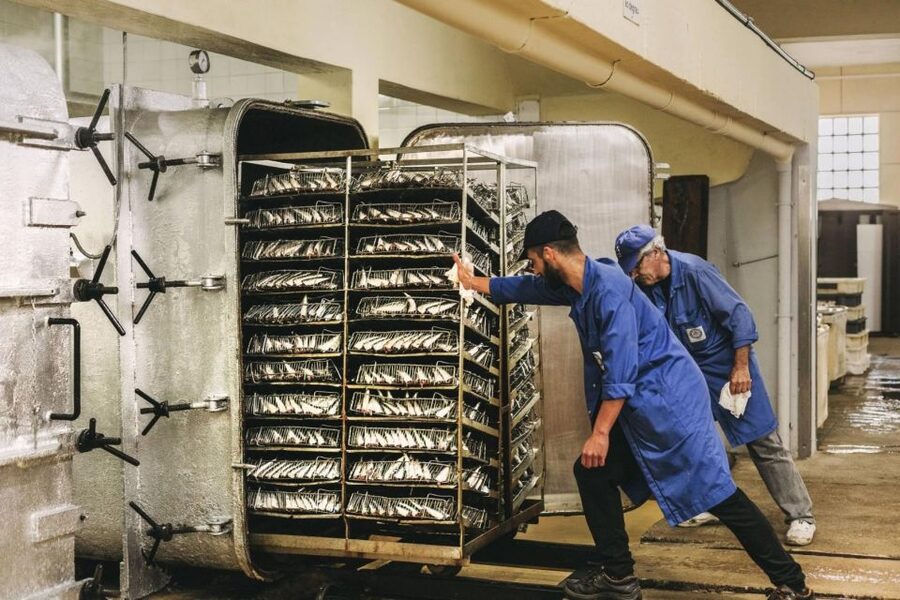
- Production-floor access, with the practical steps of the artisanal process
- Old-school factory craft, not a staged show
Matosinhos Sardine Canning: Why This Tour Feels Real
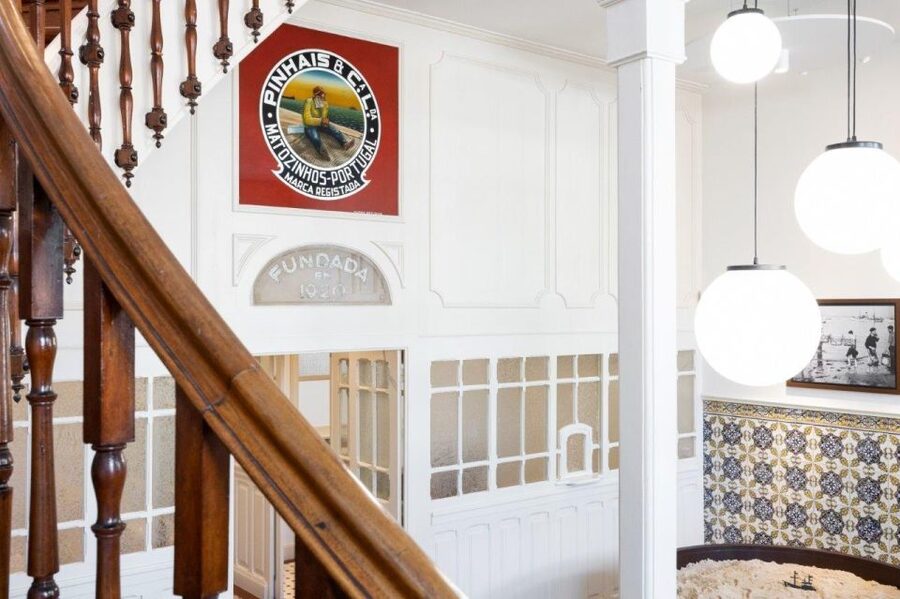
Matosinhos is where Porto’s coastline energy meets a working food tradition. Conservas Pinhais keeps that tradition practical, not museum-like. Instead of just watching from behind glass, you do parts of the process yourself, and you learn what each step is supposed to achieve.
The best part is the mix of story and hands-on work. You spend time in the centenary building and then move into the production flow where workers follow a routine that is meant to deliver consistency batch after batch. It is also very multi-sensory. You will notice smells and sounds of a working cannery, not just the final product.
If you are the type who likes to understand why food tastes the way it does, this tour scratches that itch. You learn the logic behind wrapping, preserving, and finishing. And if you just want to eat something good afterward, the end tasting makes the whole trip pay off.
The one “heads up” I would give: the company cannot promise that you will see fish being handled. That depends on the day and catch limits, so approach it as a process tour, not a guaranteed fish-show.
Other Porto plans worth comparing
- The Unvanquished Tour in Porto City Center
★ 5.0 · 26,497 reviews - From Porto: Douro Valley w/ Boat Tour, Wine Tasting & Lunch
★ 4.7 · 19,061 reviews - Complete Douro Valley Wine Tour with Lunch, Wine Tastings and River Cruise
★ 5.0 · 12,920 reviews
Price and Timing: What $30 Buys You in Real Value
At about $30 per person for a 1.5-hour guided tour, you are paying for three things you usually do not get together:
1) a guided look through production steps,
2) equipment like protective clothing and headsets, and
3) a tasting with a drink included.
If you compare this to a standard city food tour, it is shorter. But it is more specific and more hands-on. You also get access that most people never see in person: the factory floor and the old workshop areas.
Plan for the tour length, not your schedule around Porto. This is not a “squeeze it in anytime” stop. Go with the mindset that you are trading about an hour and a half of your day for a guided understanding of how canned fish is made.
Start Here: Av. Menéres 700 and the Voucher Exchange
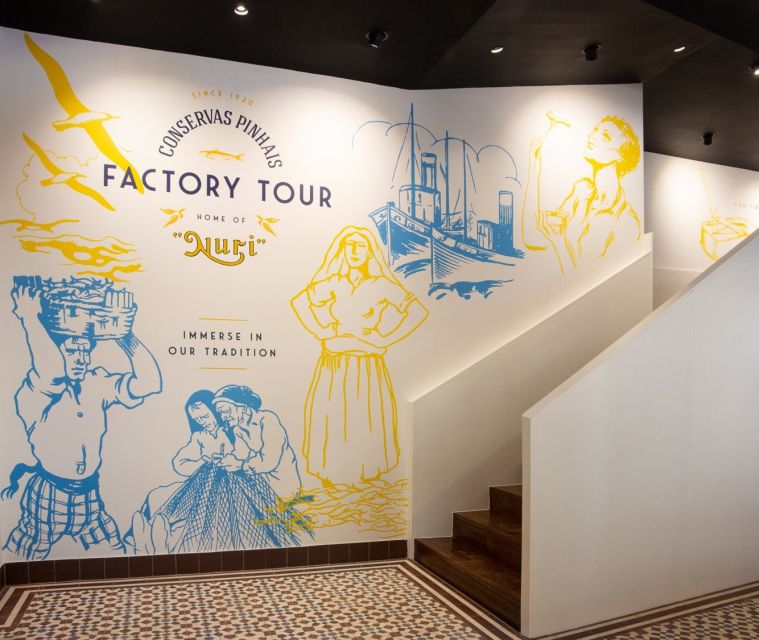
Your starting point is Av. Menéres 700. Before you go anywhere, you need to exchange your voucher at the ticket counter before the tour begins. That means you should arrive a bit early, especially if you are traveling at peak times.
The tour is wheelchair accessible, so that is good to know. Also, the factory requires lockers for a long list of items: food, drinks, medicines, jewelry, and bags and suitcases. Basically, anything you might want to carry with you on the floor should not come into production spaces.
If you are traveling light, that is easy. If you are not, this is the kind of tour where you will be glad you packed a small bag and kept the rest in your accommodation.
English Guide, Headsets, and How the Tour Stays Clear
This is a live tour with an English guide, plus an English audio guide. Headsets are included, which matters in a working factory where it can get loud and the group moves.
In the experience, clarity is part of the design. You hear the guide well while people are doing their jobs and you are walking between areas. It also helps when you are learning specific steps like wrapping.
You may hear names like Roberto mentioned in past tours, and that can be a reassuring sign if you are hoping for a guide who explains with patience. Either way, the format is designed to keep the group on track.
In the same part of Portugal:
- Porto: Six Bridges Cruise
★ 4.2 · 11,680 reviews - Porto: Douro Valley with Winery Lunch, Tastings & Cruise
★ 4.7 · 7,002 reviews - Porto: Live Fado Show with Glass of Port Wine
★ 4.8 · 6,498 reviews - Porto: 6 Bridges Douro River Cruise
★ 4.3 · 6,472 reviews
Centenary Building and Audiovisual Areas: The Story Before the Floor
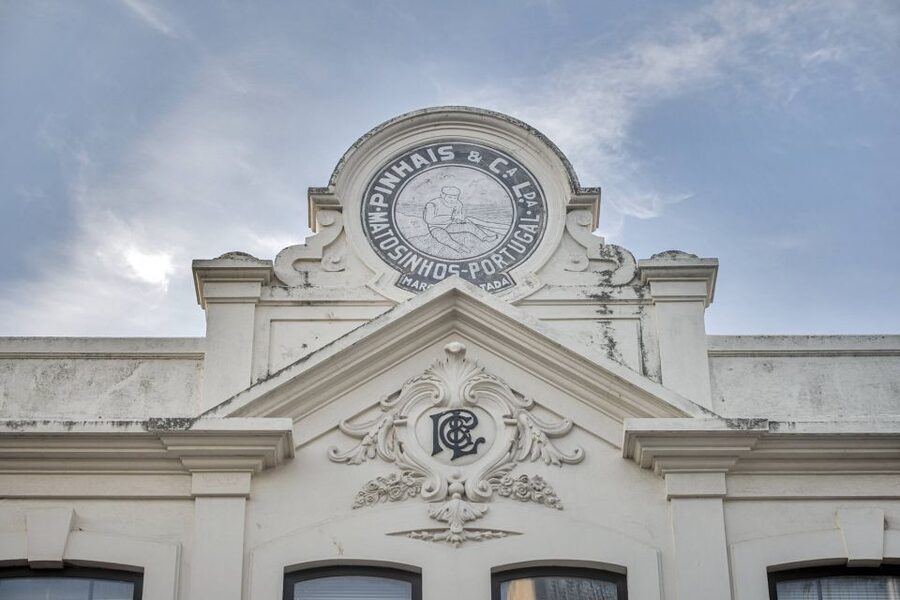
Depending on the day, you will start with the centenary building and its historical areas. On Monday to Friday, the tour includes access through these historical sections along with audiovisual content.
Why this part matters: it gives you context before you start seeing machinery and routines. You learn that this is not just about making cans. It is about keeping a tradition alive through process, ingredients, and the people who do the work.
You will also see the old factory workshop area. That is usually the place where you can mentally connect what you are watching on the production floor with the kind of craft work that built the cannery’s reputation.
On weekends, national holidays, or after-hours visits, the plan shifts slightly. The tour still includes historical areas and audiovisual content. But you are more likely to spend time in other production spaces during a workers weekly break, when it is possible to explore some of the factory’s most exclusive areas and feel the traditional method with your own hands.
The Production Floor: Artisanal Steps You Can Actually Understand
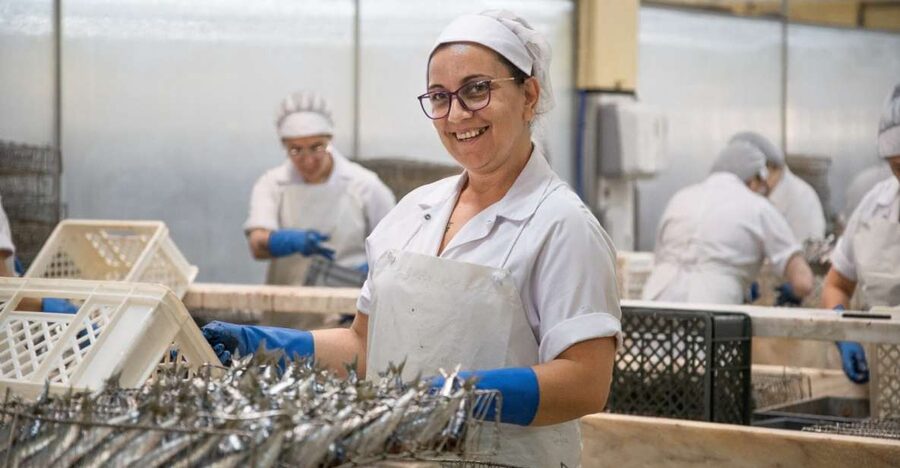
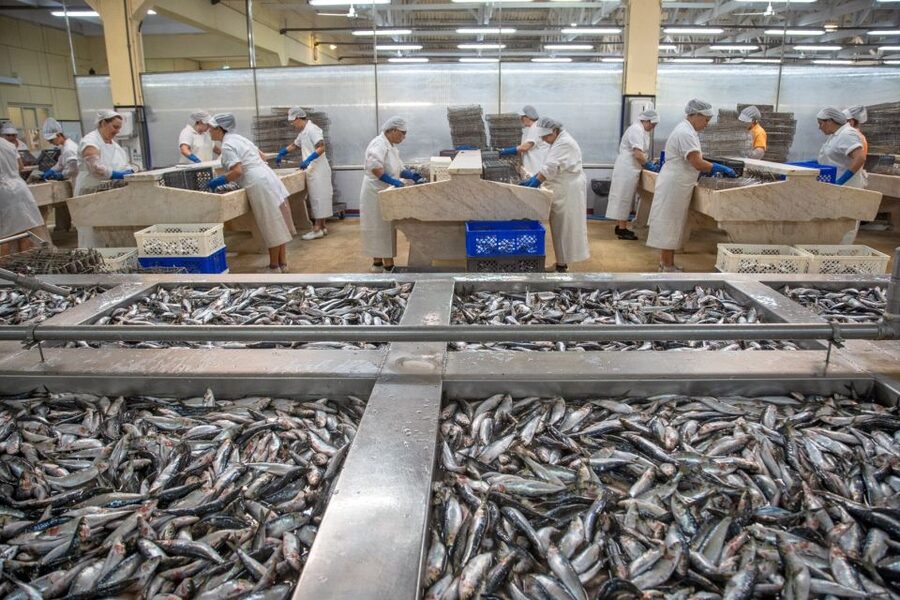
After the historical and audiovisual segments, you move to the production floor. This part is described as plain activity where you learn the unique steps of the artisanal process made by experienced workers.
Here is the practical reality you should expect: factory tours like this do not always run like a theater script. The activity visitors attend is the activity planned by the production team that day. And because there is a sardine catch limit, the company cannot guarantee that you will see fish being handled.
So your best approach is to focus on what you can control, the learning:
- how the production sequence fits together,
- what the workers are doing at each stage,
- and how the process links to the final taste.
Also, remember that this is a production environment. People work. You walk. You listen. You follow instructions. The goal is to show the real steps, not freeze a moment for photos.
Wrapping Your Own Tin: The Interactive Part That Sticks With You
One of the main reasons this tour gets such strong reactions is the wrapping experience for all guests. You learn how to wrap your own tin, which turns a food story into something you can do with your hands.
This is not just for fun. Wrapping is a big part of preserving the fish correctly and keeping the process consistent. When you actually do it, you stop thinking of tinned fish as something anonymous. You start thinking of it as a crafted outcome.
It also helps you remember details. After you wrap a tin yourself, you naturally ask better questions during the tasting about the flavors and how the process affects them.
If you are bringing kids, this is the part they usually remember most. It is hands-on, structured, and it gives the day a clear ending moment before the food shows up.
Can-Tin Café Tasting: Sardine Preserves With Wine or Soft Drink
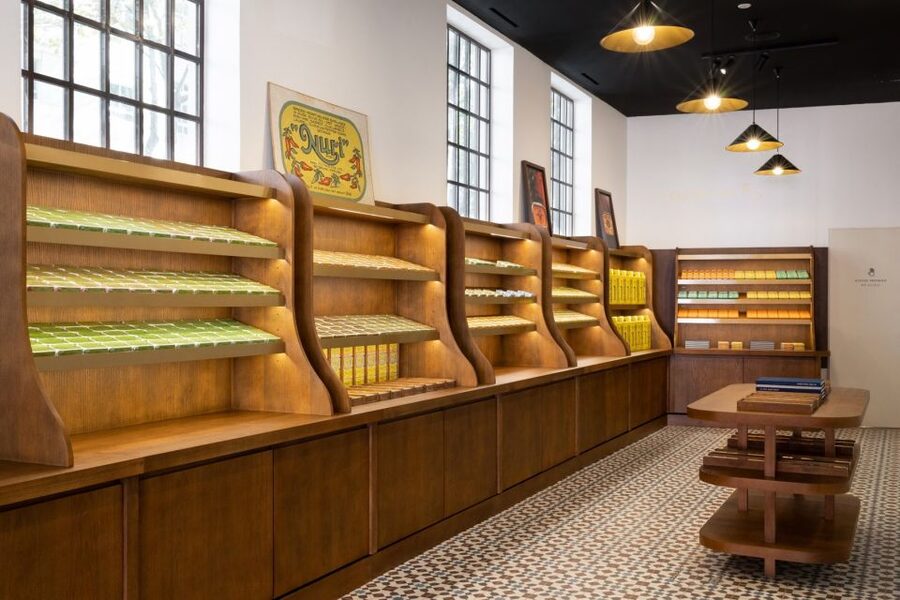
The tour finishes with a tasting of the conserves, served with a glass of wine or a soft drink at the Can-Tin Café.
You are tasting the company’s famous fish preserves. That is a direct payoff for everything you learned earlier, because the production steps you saw should show up in the flavor and texture.
One practical tip: do not eat a huge lunch right before. People often recommend arriving with room for the sardines at the end, and I agree. This tasting is the point where the information becomes something you can evaluate with your palate.
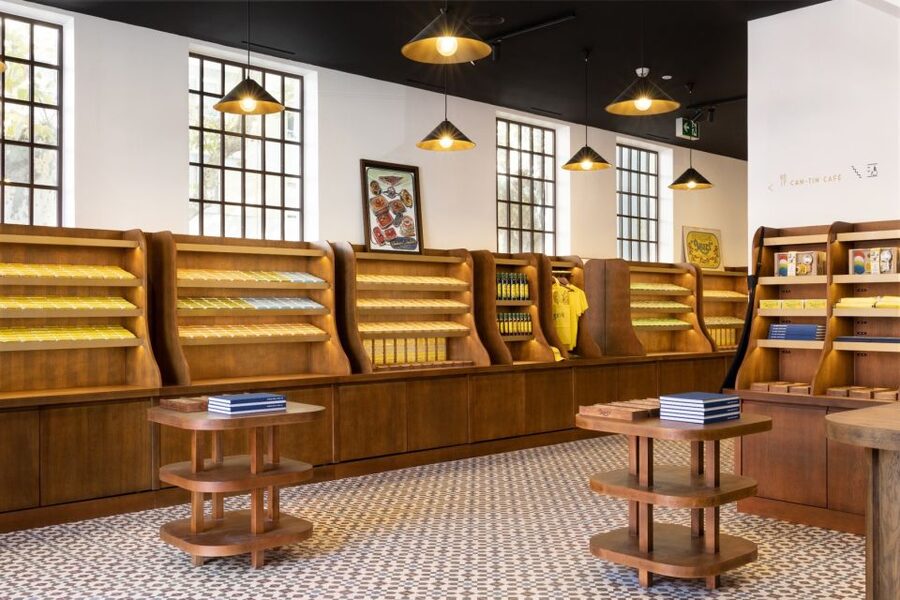
If you are a sardine fan, this part can turn into a shopping mission. The iconic Shop is part of the experience, and many people leave with more tins than they planned.
What to look for in the shop is your own taste. If you like classic flavors, start there. If you like heat, spicy versions are usually a safe bet with a crowd that knows sardines. You can also ask staff what they recommend based on what you liked during the tasting.
Practical Logistics: What to Bring, What to Leave Behind
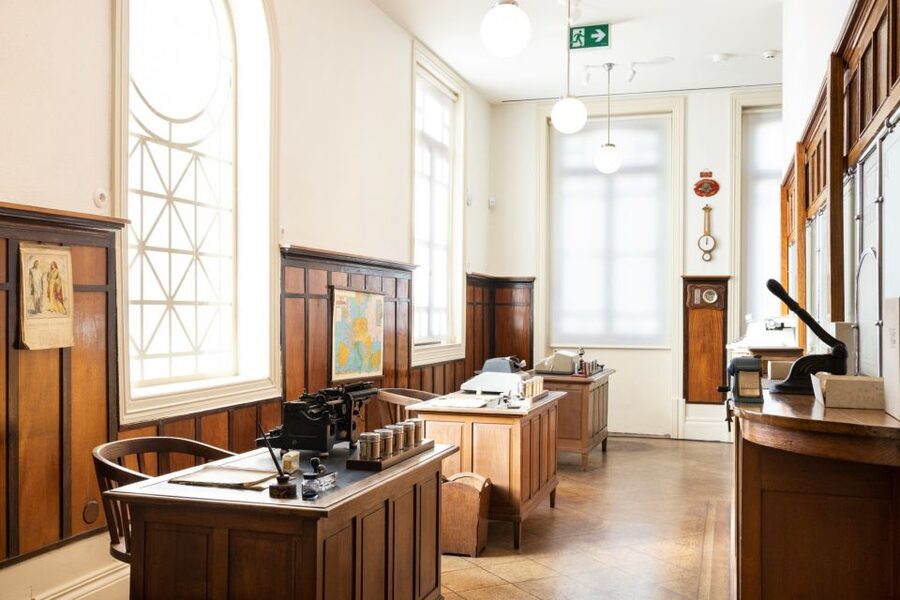
The factory sets clear rules for what goes into lockers: food, drinks, medicines, jewelry, and bags and suitcases. That means you should plan for a quick storage stop at the start and travel with minimal items.
Protective clothing and headsets are included. So you do not need to worry about bringing safety gear or hearing tools. You do need to wear what is comfortable for walking around a factory area and following staff directions.
If you are prone to forgetting basics, bring a light layer, since indoor factory spaces can feel cooler depending on airflow and production rooms. Keep in mind that you will not carry a big bag with you.
Also, note the tour duration listed is 1.5 hours. Do not schedule another critical appointment right after. Give yourself time to shop or decompress on the way out.
Does This Tour Fit You? Best Matches and One Smart Caution
This is a great fit if you want:
- a food experience tied to real production steps,
- a cultural stop in Matosinhos that goes beyond eating,
- and a tour with hands-on participation.
It also works well for couples and solo travelers who enjoy learning. You get guided context, and you end with a tasting that lets you judge quality for yourself.
If you do not care about food process and just want views or big sights, this might feel too production-focused. And if your top priority is watching fish handled, take the company’s warning seriously. Seeing fish being handled depends on the day’s production plan and sardine catch limits.
Should You Book Conservas Pinhais in Matosinhos?
I think you should book if you like thoughtful food craftsmanship and you want the kind of tour where you leave with better taste instincts. The value is strong because you get the English guided experience, equipment like headsets and protective clothing, plus a tasting with a drink.
Skip it or adjust expectations if you want guaranteed fish handling footage. Treat this as a process tour with strong tasting payoff, not as a guaranteed behind-the-scenes fish moment.
If you are deciding between multiple Porto area activities, this one is small, focused, and practical. And once you wrap your own tin, you will understand why people keep coming back for the flavors and the work behind them.
FAQ
How long is the Conservas Pinhais Factory Tour?
The tour lasts 1.5 hours.
Is the factory tour offered in English?
Yes. The tour includes an English live guide and English audio guide.
What tasting is included?
You get a tasting of the fish preserves, plus a glass of wine or a soft drink.
Where does the tour start, and do I need to exchange a voucher?
The starting location is Av. Menéres 700. You must exchange your voucher at the ticket counter before the tour begins.
Is the tour wheelchair accessible?
Yes, the tour is listed as wheelchair accessible.
What items are not allowed in the factory areas?
Food, drinks, medicines, jewelry, backpacks, bags, and suitcases must be kept in the lockers.
Will I definitely see fish being handled during the tour?
No. The company cannot guarantee visitors will see fish being handled, depending on the day’s production activity and sardine catch limits.
Can I reserve without paying right away, and can I cancel?
Yes. The experience offers reserve now and pay later. It also allows free cancellation up to 24 hours in advance for a full refund.
Just added around Porto
- Porto: Tuk tuk Tours with Port Wine Tasting★ 4.5 · 65 reviews
- Tour Porto: Classic Adventure in Electric Tuk Tuk★ 4.7 · 33 reviews
- The Soul of Porto: Walking Tour with Food and Wine Tasting★ 5.0 · 21 reviews
- The Douro Valley Tour – Late Start Experience★ 4.8 · 48 reviews
- The Beautiful Story of Porto: Guided Tour with Entry Tickets★ 4.8 · 111 reviews
- From Porto: Full-Day Douro Valley Trip★ 4.7 · 481 reviews
- Eat Porto Like a Local: The Ultimate Full-Meal Food Tour★ 5.0 · 97 reviews
- Small Group: Douro Valley Wine Tasting from Porto★ 4.8 · 20 reviews
Porto Tours & Activities, compared.

Douro Valley w/ Boat Tour, Wine Tasting & Lunch
Read our review →
Complete Douro Valley Wine Tour with Lunch, Wine Tastings and River Cruise
Read our review →
Douro Valley with Winery Lunch, Tastings & Cruise
Read our review →