
Reviewed · DOURO VALLEY TOURS & RIVER CRUISES
Port : Private Cruise in the Douro — 6 Bridges & Sunsets
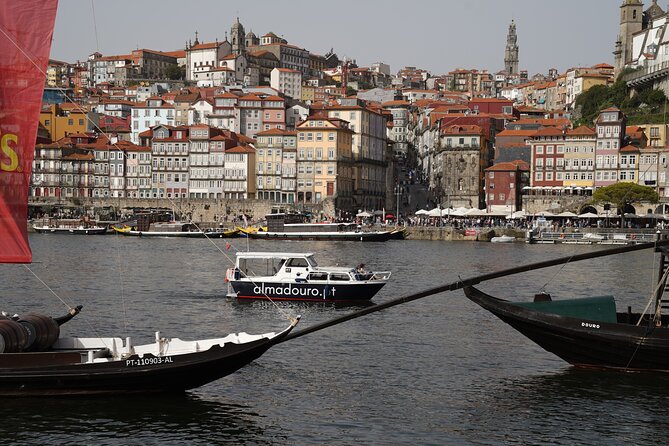
Six bridges, one calm river ride. This private Douro cruise strings together the fishing lanes of Afurada, the engineering icons between Porto and Vila Nova de Gaia, and a shot at sunset over the water, all in about 2 hours. I love how Nadia and Paulo, the hosts, pace the evening like a conversation, not a lecture.
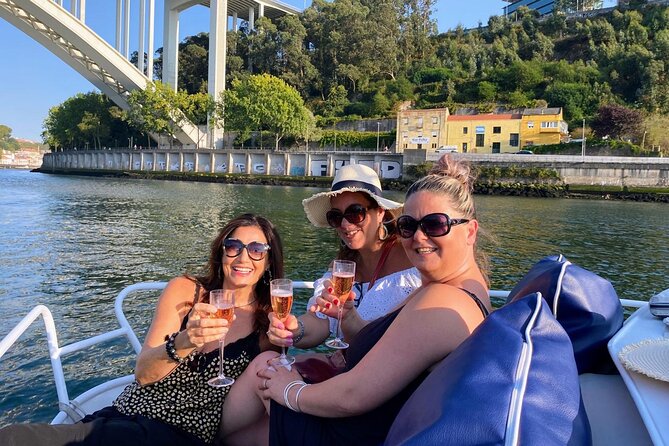
I also like the comfort details that make a short cruise feel special: cushions on board, blankets when it cools down, and drinks and snacks that fit Portuguese flavors. If you want a relaxed way to see Porto from the river, this is built for that.
One thing to weigh: it is not recommended for reduced mobility, and the experience depends on good weather. If the sky turns ugly, you may need to shift plans.
In This Review
- Key Highlights You Should Know Before You Go
- First Stop: Afurada at Marina da Afurada, Then Out on the Douro
- Ponte da Arrábida: Porto and Gaia’s Bold Bow Bridge
- Electric Car Museum at Massarelos: When Public Transport Turns into Story
- Crystal Palace Gardens and the View Over the Douro
- Massarelos Church and the Maritime Connection
- New Customs: Neoclassical Built for Trade, Restored for Events
- Ribeira do Porto: UNESCO Streets Along the Water
- Dom Luís I Bridge: The Icon You Really Want to See Up Close
- Cais de Gaia and the Port Wine World: Rabelos Boats and Cellar Country
- Infante Bridge and Maria Pia Bridge: Modern Concrete Meets 19th-Century Iron
- Ponte de São João and Ponte do Freixo: The City Keeps Solving the River
- Foz do Douro Sunset Moment: Where the Douro Meets the Atlantic
- Comfort, Drinks, and Snacks: The Small Things That Make It Feel Worth $84.48
- Who This Private Douro Cruise Is Best For
- Should You Book This Private Cruise in Porto?
- FAQ
- Where does the cruise start?
- Is this a private tour?
- How long is the Douro cruise?
- Is the tour offered in English?
- Does the cruise depend on weather?
- Is it suitable for reduced mobility?
Key Highlights You Should Know Before You Go
- Six major bridges you can really look at, from Dom Luís I to Ponte do Freixo
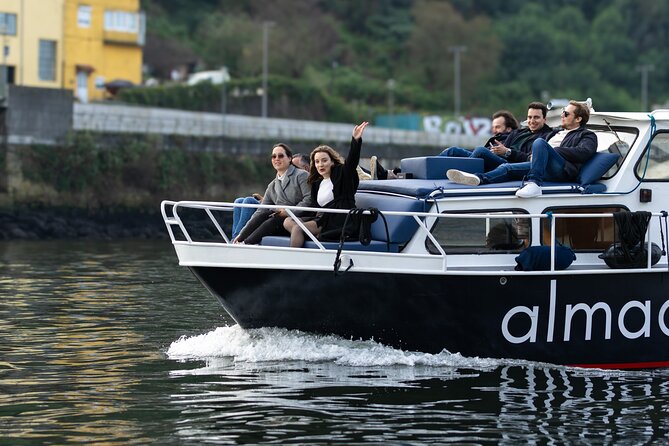
- A small, private boat setup where you can control the pace and ask questions
- Nadia and Paulo as hosts, with history and navigation handled smoothly
- Comfort items like cushions and blankets for cooler evenings
- Local drinks and snacks that feel made for the ride, including sangria in reviews
- Sunset timing, plus the sea-breeze feel as the river meets the Atlantic at Foz do Douro
First Stop: Afurada at Marina da Afurada, Then Out on the Douro
The cruise starts at Marina da Afurada in Vila Nova de Gaia, right by a part of the city that still feels tied to fishing. Afurada sits in the foothills near the Douro, with colorful houses, narrow streets, and a working maritime rhythm you can sense even before you leave the dock.
From the water, that neighborhood reads clearly. You get the mix of land and river life in one glance, and it sets the tone for the rest of the trip: Portugal here is practical, coastal, and proud. It also makes a nice contrast with what comes next, because the scenery turns into something grander and more engineered as you work toward the bridge belt between Porto and Gaia.
You’ll also want to remember this is a short, 2-hour outing, so the goal is getting your bearings fast, seeing the river flow, and letting the bridges do their thing.
More Boat Tours in Porto
- From Porto: Douro Valley w/ Boat Tour, Wine Tasting & Lunch
★ 4.7 · 19,061 reviews - Complete Douro Valley Wine Tour with Lunch, Wine Tastings and River Cruise
★ 5.0 · 12,920 reviews - Porto: Six Bridges Cruise
★ 4.2 · 11,680 reviews
Ponte da Arrábida: Porto and Gaia’s Bold Bow Bridge
One of your earliest bridge moments is the Ponte da Arrábida, a bow bridge that rises over the Douro and links Porto and Vila Nova de Gaia. It opened in 1963, and at the time it was considered the largest armed concrete bow in the world. Even if you do not care about structural trivia, you will feel why locals treat it like a landmark: it is unmistakable.
What makes this stop worth your attention is timing. Early in the cruise, your eyes are still fresh, and you can watch how the bridge changes the river’s geometry. The view is not just a photo backdrop. It frames the waterway, controls the lines, and helps you understand how Porto grew around bridges and river crossings.
A small consideration: bridge sightlines are best when the boat is positioned well and the light is friendly. If skies are overcast, the details still show, but sunset color may be muted.
Electric Car Museum at Massarelos: When Public Transport Turns into Story
Next up is the Massarelos area, including the Electric Car Museum. This one is interesting because it is not the usual stop of old buildings and old streets. It is about movement. The museum started in 1992 with the goal of preserving and displaying a large collection of electric cars and related vehicles, tied to the earlier public transport story of Porto.
Even from the outside, the museum’s setting matters. It lives in a building that includes the Massarelos Thermoelectric Power Station, built in 1915 to produce energy for electric vehicles that circulated around the city. That power station backstory gives you a sense of how Porto powered modern life at the time.
If you are the kind of person who likes small design details, the museum’s tram experience sounds exactly like that: wood and iron inside, seats whose backs can move so passengers can choose their facing direction during the journey, and wooden-framed windows that open fully. You might not be inside for long on a cruise-only format, but the story around it helps the whole river route feel layered, not just scenic.
Crystal Palace Gardens and the View Over the Douro
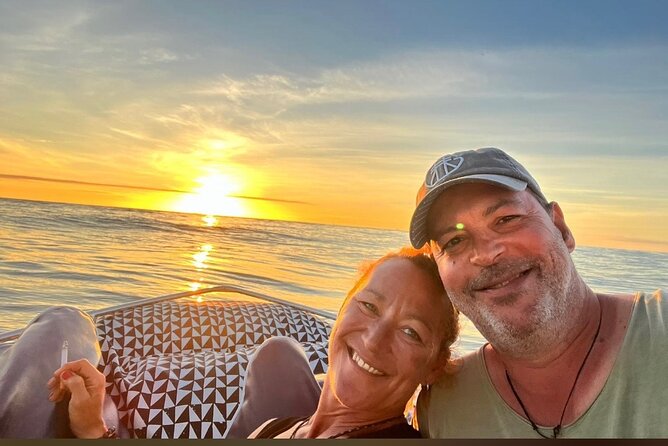
The cruise also passes by the Gardens of the Crystal Palace, a major green space in Porto with an area of 10 hectares. The headline here is the panoramic outlook over the Douro and the city of Porto.
What I like about this kind of stop is the pause it creates in your mind. A boat cruise is mostly motion, bridges, and man-made angles. Then a garden like this brings in softness, and you can almost imagine stepping out for a slow walk and a breather.
A practical note: you are still on the water, so you cannot replace the gardens with a long stroll. But the views from the river help you “place” Porto in relation to the hills and the river curves, which makes the rest of the bridge spotting much more satisfying.
More Douro Valley wine days:
- Porto: Douro Valley with Winery Lunch, Tastings & Cruise
★ 4.7 · 7,002 reviews - Porto: 6 Bridges Douro River Cruise
★ 4.3 · 6,472 reviews - Porto: Guided Tour by Tuk-Tuk & Optional Douro River Cruise
★ 4.5 · 5,980 reviews - Douro Valley: Historical Sites, Wine Experience, Lunch & Cruise
★ 5.0 · 5,133 reviews
Massarelos Church and the Maritime Connection
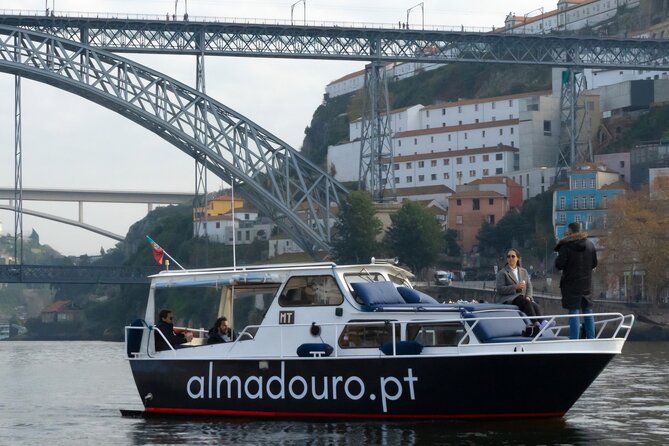
Nearby is the Church of Massarelos, described as important to the cultural and religious life of the neighborhood. It also plays a practical storytelling role because its location close to the Douro links it to the tradition of fishermen and sailors.
This is one of those spots where the cruise context matters. From the water, you do not see it as an isolated church building. You see it as part of the working river culture. That makes the cruise feel more grounded, more local, and less like you are just collecting postcard views.
If you enjoy small “why is this here” details, this is the kind of place that helps the tour feel personal, especially with hosts like Nadia and Paulo who seem to enjoy explaining what you are seeing.
New Customs: Neoclassical Built for Trade, Restored for Events

You also pass the New Customs building, a structure with roots going back to 1822 and restored to host events like conferences, gala dinners, exhibitions, and concerts. The restoration preserves the original neoclassical architecture, which means you get the sense of a serious, formal building rather than a random waterfront warehouse.
From a cruise perspective, this stop is about atmosphere. Customs buildings are where trade routes become real money, real schedules, and real logistics. In Porto and Gaia, that story is inseparable from port wine, river transport, and the bridges you are about to see next.
Even if you are not there for an event, the setting gives you a “trade-era” context for why the river towns look the way they do today.
Ribeira do Porto: UNESCO Streets Along the Water
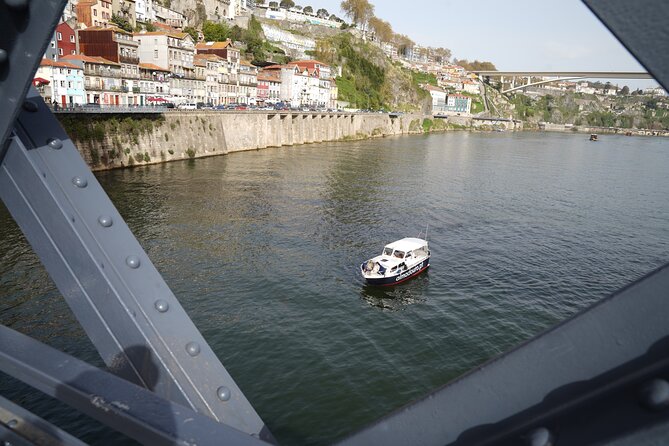
Ribeira do Porto is one of the oldest and most charming neighborhoods in Porto, and it sits on the riverbanks with narrow, colorful streets and historic buildings. It is also listed as a UNESCO World Heritage Site, which matters less as a label and more as a clue: this is a place that has survived change without losing its core shape.
From the boat, Ribeira does what it does best: it compresses Porto into something you can grasp quickly. You see the river edge, the curve of the waterfront, and the way people live close to the water rather than turning their backs on it.
A drawback to keep in mind is that a cruise cannot replace exploring Ribeira on foot. If you want to wander alleyways, you will still need a separate walk. But for understanding the city’s layout and getting hooked, the river view is the fast track.
Dom Luís I Bridge: The Icon You Really Want to See Up Close
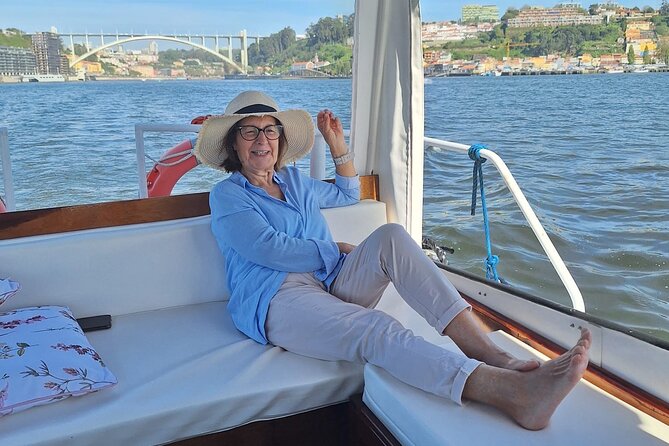
Now you hit one of the big emotional landmarks: the Don Louis I Bridge (Ponte Dom Luís I). This iron structure is treated as a symbol of Porto and a meeting point, connecting Porto and Vila Nova de Gaia.
What makes this bridge special on the cruise is that it is both functional and dramatic. It is not a background object. It splits the river view and adds a sense of scale, letting you appreciate how close the two sides of the city are and how essential river crossings are here.
If you like photography, you will want to take a moment and look not only at the bridge, but at how it frames the river traffic and waterfront buildings beneath it.
Cais de Gaia and the Port Wine World: Rabelos Boats and Cellar Country
On the south bank opposite Ribeira is Cais de Gaia, a vibrant meeting point known for the Port wine cellars. This is where the wine ages and develops its character, and it is also where you can admire traditional rabelos boats, once used to transport wine pipes across the Douro.
Even if you do not tour a cellar on this cruise, Cais de Gaia gives you the “why” behind the area. You see the pier and the boats lined up, and suddenly the port wine story feels tied to daily logistics, not just a tasting room concept.
A small reality check: wine lovers often want to do tastings and deeper cellar visits. This cruise gives you the setting and the connection, but it does not replace a full winery afternoon.
Infante Bridge and Maria Pia Bridge: Modern Concrete Meets 19th-Century Iron
After Dom Luís I, your route includes the Infante Bridge, noted for a modern and elegant design with a concrete arch rising over the river. That arch gives you a different kind of bridge view, more streamlined and sculptural than the heavier iron feel.
Then comes the Maria Pia Bridge, linked to Gustave Eiffel, built with the boldness and vision associated with him. Opened in 1877, it was at the time the bridge with the largest iron bow in the world. It is one of those structures where you can practically see the engineering ambition in the lines.
I like pairing the Infante and Maria Pia moments because they show time layers in one evening. One bridge reads like a modern solution to traffic and crossings. The other reads like a dare, a statement that the iron age could stretch the imagination.
If you are worried about overcast skies, do not skip this pair. The shapes still hold up and often look even cleaner when the light is flat.
Ponte de São João and Ponte do Freixo: The City Keeps Solving the River
You then pass Ponte de São João, inaugurated in 1991 to replace the older Maria Pia crossing that had become insufficient. The structure has robust pillars and elegant lines, showing Porto’s push to innovate and keep traffic moving.
Finally, the newest of the bridges on your route is the Ponte do Freixo, inaugurated in 1995. It was designed to ease traffic on other bridges, particularly Dom Luís I and Ponte da Arrábida, and it uses a contemporary armed concrete design with straight, elegant lines.
This last stretch is where the tour’s bridge theme pays off. You are not just seeing six monuments. You are seeing Porto’s pattern of adaptation, how each era solves the same river problem differently. That’s the kind of storytelling that makes a short cruise feel richer than its clock time.
Foz do Douro Sunset Moment: Where the Douro Meets the Atlantic
As the cruise moves toward the end, you reach Foz do Douro, where the river meets the Atlantic Ocean. This is the moment that usually makes people book a sunset version, because you get that sea-breeze feel and a wide sky to watch color change.
In the best case, the sky lights up and the river looks like it has depth you cannot get from land. In a less-perfect case, like reviews mentioning overcast conditions, you might not get a dramatic sunset. Even then, the evening atmosphere still works because the sea and river meeting point creates a natural “finish line” for the trip.
If you run cold easily, this is where those blankets that hosts bring matter. They seem to plan for it, so you are not stuck shivering through the last stretch.
Comfort, Drinks, and Snacks: The Small Things That Make It Feel Worth $84.48
Let’s talk value, because the price is real money. At $84.48 per person, you are buying time on a private boat, plus the kind of host attention that turns sightseeing into an evening.
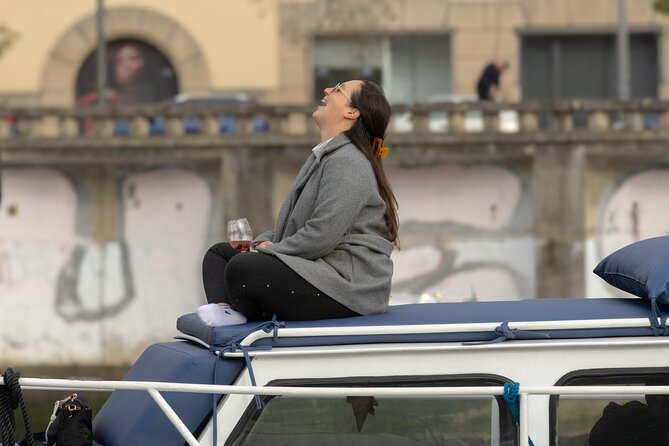
The best part, based on what people highlight, is the extra care: cushions that make the top seating comfortable, blankets when it gets chilly, and drinks that often include sangria. You also get snacks tied to local producers, and in some accounts the charcuterie style board is described as homemade, with cheese, meat, and fruit.
That matters because on a quick cruise, your attention can get split between looking and being comfortable. When the ride is smooth, the drinks arrive, and you have something easy to snack on, you stay present. You can watch bridges rather than thinking about your next meal.
One more thing I appreciate is the host role. Nadia and Paulo come across as warm and hands-on, with quick responses to messages and history told in a way that keeps the flow. Also, one review specifically noted they speak English, Spanish, and Portuguese, so you should feel in safe hands even if your language skills are limited.
Who This Private Douro Cruise Is Best For
This works especially well if you want a relaxed evening with real sights. It is a good fit for couples, families who want a calm boat experience, and anyone who wants Porto’s big bridges without doing a full-day sightseeing marathon.
It is also a strong choice if you care about comfort. The cruise is short enough that you can handle it even on a busy travel schedule, and the blanket and cushion approach suggests they want you settled, not fidgeting.
Two cautions from the provided info: it is not recommended for reduced mobility, and the experience needs good weather. If you have accessibility needs or you’re traveling during a rainy stretch, plan backup options.
Should You Book This Private Cruise in Porto?
If you want the fastest way to see Porto and Vila Nova de Gaia’s most iconic bridge lineup, in a format that feels human and unhurried, I think this is a smart booking. The 6 bridges theme is clear, and the addition of stops tied to transport history, port wine docks, and the Ribeira waterfront makes it more than a simple sightseeing loop.
Skip it only if you need an on-foot museum crawl, or if weather risk would stress you out. For everyone else, it is exactly the kind of trip you remember because it mixes big views with comfortable hosting, right up to the river meeting the sea.
FAQ
Where does the cruise start?
The meeting point is Marina da Afurada, R. da Praia 430, 4400-554 Vila Nova de Gaia, Portugal. The activity ends back at the meeting point.
Is this a private tour?
Yes. It is a private tour/activity, so only your group will participate.
How long is the Douro cruise?
It runs for about 2 hours.
Is the tour offered in English?
Yes, it is offered in English.
Does the cruise depend on weather?
Yes. The experience requires good weather, and if it is canceled due to poor weather, you will be offered a different date or a full refund.
Is it suitable for reduced mobility?
It is not recommended for reduced mobility. Service animals are allowed.
More Cruises & Boat Tours in Porto
- From Porto: 2 Wine Regions, Farm-to-Table Lunch & Boat
★ 4.9 · 5,724 reviews - Authentic Small Group Douro Wine Tour with Lunch & River Cruise
★ 5.0 · 4,775 reviews - Porto: Bridges Cruise & Sunset & Port Wine Cellar Option
★ 4.2 · 4,180 reviews - Porto: River Douro 6 Bridges Cruise
★ 4.3 · 4,168 reviews
Just added around Porto
- Meditation Experience at a Lovely Farm in Porto★ 5.0 · 19 reviews
- Private Portuguese Cooking and Wine Experience in Porto★ 5.0 · 30 reviews
- Douro Valley Prime Tour: Wine Tastings, Boat & Lunch from Porto★ 5.0 · 572 reviews
- Port Wine Tour | 3 Cellars | 7 Tastings | 12 Participants Maximum★ 5.0 · 443 reviews
- Private Boat Tour on the Douro River at Sunset★ 5.0 · 21 reviews
- Visit to Cockburn’s Cellars★ 5.0 · 526 reviews
- Wine Tasting with Tapas Walking Tour in Porto★ 4.5 · 544 reviews
- PORTO city Walking Tour★ 5.0 · 132 reviews
Douro Valley Tours & River Cruises, compared.
Douro Valley w/ Boat Tour, Wine Tasting & Lunch
Read our review →
Complete Douro Valley Wine Tour with Lunch, Wine Tastings and River Cruise
Read our review →
Douro Valley with Winery Lunch, Tastings & Cruise
Read our review →
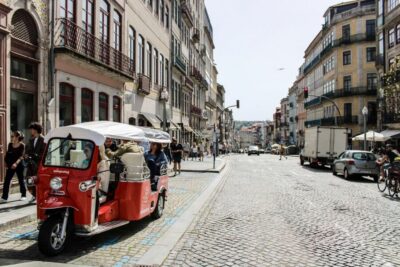
Guided Tour by Tuk-Tuk & Optional Douro River Cruise
Read our review →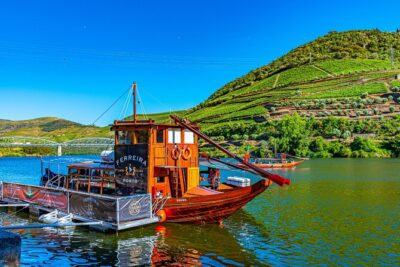
Douro Valley: Historical Sites, Wine Experience, Lunch & Cruise
Read our review →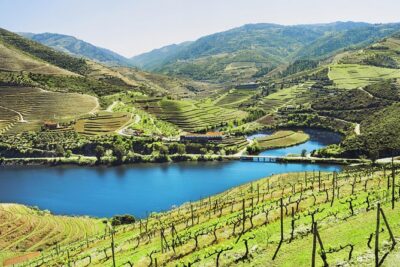
Authentic Small Group Douro Wine Tour with Lunch & River Cruise
Read our review →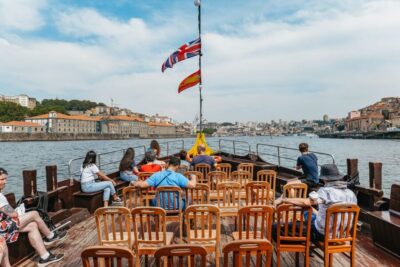
Browse the lists this tour appears in