
Reviewed · MUSEUMS
Porto: Chocolate Museum – Unwrap the Secrets of Chocolate
Chocolate turns into a story machine. At the Porto Chocolate Museum, you walk through 5,000 years of cocoa history while a working chocolate factory is in view, so it’s part museum, part sensory workshop.
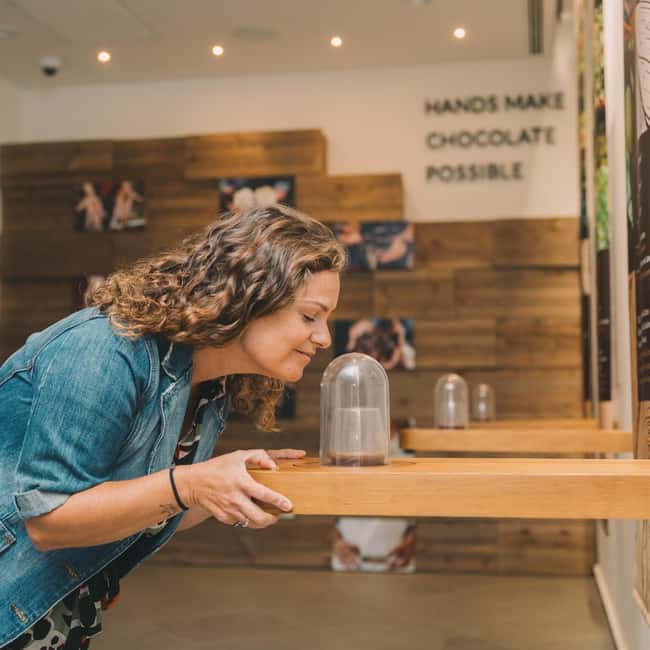
I love the straightforward setup: you see, smell, and taste your way through how chocolate goes from bean to bar. I also like that the experience keeps moving, with tastings of raw cacao and artisan-style samples plus a guided audiotrack in several languages.
One thing to consider is pacing. The museum includes a lot of text, so if you’re not a museum-reader, lean on the audioguide and don’t try to read every label.
In This Review
- Key takeaways before you buy
- Porto’s Chocolate Museum in 90 minutes, and why the format works
- What’s included, at a glance
- From sacred cacao rituals to global chocolate culture
- Expect more than one “mode” of learning
- Bean-to-bar learning, with the Vinte Vinte factory in the background
- How you’ll likely see it
- Tasting raw cacao and artisan samples, without turning it into a sugar blur
- The 20|20 tasting is a key stop
- Audioguide tour: how to use it so the museum feels less text-heavy
- Don’t miss the “small moments”
- Pricing, value, and what you’re really paying for
- Logistics in Porto: meeting point, hours, and a smart day-of-week choice
- Sunday strategy if factory viewing is your priority
- Shop and cafe at the end: plan your chocolate budget
- Who should book this Chocolate Museum, and who might skip it
- FAQ
- How long is the Porto Chocolate Museum experience?
- How much does it cost?
- What’s included with the ticket?
- What languages are available for the audioguide?
- Where do I meet for the tour?
- Do I get hotel pickup or drop-off?
- Are there any restrictions on minors?
- What are the opening hours?
- Should you book the Porto Chocolate Museum?
Key takeaways before you buy
5,000 years of chocolate, in a guided flow that connects ancient use to modern mass-market habits.
Live factory viewing with the Vinte Vinte setup gives you a real sense of production (not just posters).
Multiple tastings along the route including raw cacao and samples tied to what you’re seeing.
Audioguide tour included in 4 languages so you can control how you follow the story.
A working chocolate factory may not be running on Sundays, so choose your day if that matters to you.
Porto’s Chocolate Museum in 90 minutes, and why the format works
The Porto Chocolate Museum experience is built around a simple promise: you’ll learn the chocolate story while you’re still hungry to taste. In about 90 minutes, you move through exhibits, then hit tasting moments that match the process you’re studying.
This is not a long, slow gallery where you’re supposed to sit and read for an hour. The pacing is more like a guided walk where each section gives you a new angle, then hands you a sample to connect the theory to flavor.
You start at the meeting point by showing your ticket at The Chocolate Story. From there, you follow the route for the day, with the audioguide taking you through the main themes of chocolate history and production.
Other Porto plans worth comparing
- Porto: Cálem Cellar Tour, Interactive Museum & Wine Tasting
★ 4.5 · 4,113 reviews - FC Porto: Museum & Tour
★ 4.6 · 3,807 reviews - Porto: The Wine Experience, Best Wine Museum in the World
★ 4.7 · 621 reviews
What’s included, at a glance
You get admission to the museum, an included tasting of the 20|20 brand, and an audioguide tour. That matters because it turns the visit into a planned experience, not just wandering around and hoping you understand what you’re looking at.
From sacred cacao rituals to global chocolate culture
The heart of the museum is how it explains chocolate as culture, not just candy. You’ll see the big arc, starting with cacao’s roots in sacred and ritual use, then moving forward to how chocolate became a worldwide favorite.
What I appreciate here is that it doesn’t treat chocolate as a single invention. It frames chocolate as something that traveled, changed, and picked up new meanings as it spread across continents and centuries.
You also get a look at how chocolate influenced everyday life beyond taste. The museum talks about chocolate’s role in advertising, packaging, and production, which helps you understand why the chocolate you buy today looks and behaves the way it does.
Expect more than one “mode” of learning
This museum hits several senses. The idea is that your brain remembers better when you see the process, smell ingredients, and taste results right after.
That same approach helps with 20|20’s included tasting. You’re not just trying sweets, you’re comparing what you learned in the exhibit to what you taste in the moment.
In the same part of Portugal:
- The Unvanquished Tour in Porto City Center
★ 5.0 · 26,497 reviews - From Porto: Douro Valley w/ Boat Tour, Wine Tasting & Lunch
★ 4.7 · 19,061 reviews - Complete Douro Valley Wine Tour with Lunch, Wine Tastings and River Cruise
★ 5.0 · 12,920 reviews - Porto: Six Bridges Cruise
★ 4.2 · 11,680 reviews
Bean-to-bar learning, with the Vinte Vinte factory in the background
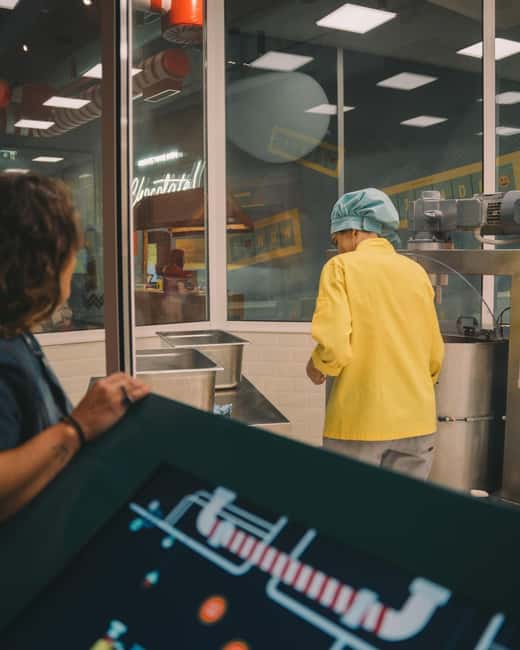
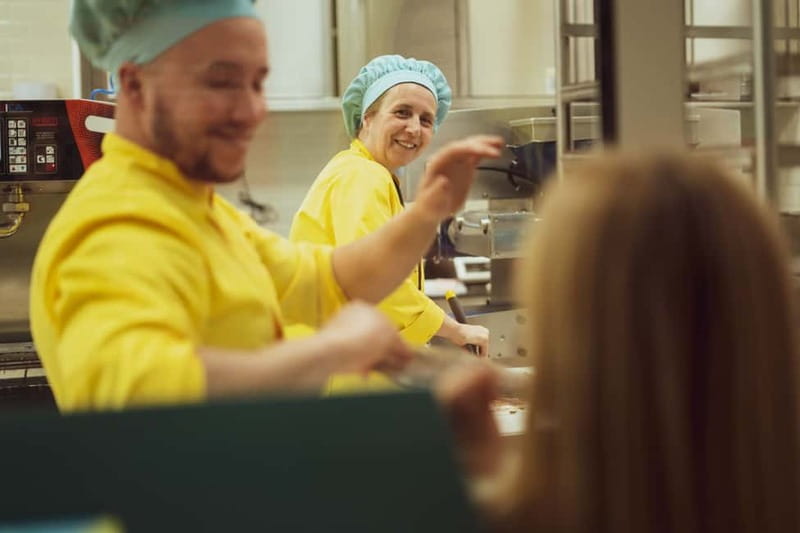
A big reason to come is the factory side of the story. The experience includes a live, working chocolate factory in action, showing the process behind the scenes while you’re still inside the visitor flow.
The museum describes this as bean to bar, and that framing is useful. It keeps you from thinking chocolate is magic. You see that it’s a sequence of steps, with each one affecting flavor, texture, and final results.
One practical tip: if you specifically want to see the in-house chocolate factory working, plan around your day. A note worth taking seriously is that factory action may be different on Sundays, so if that’s your priority, aim for another day of the week.
How you’ll likely see it
The factory is presented as a live working area you can observe during the tour. In many museums like this, production viewing can be through viewing areas rather than hands-on participation, so set expectations for observation, not doing the production yourself.
That still counts as value. Watching real equipment while you hear about what each stage is doing makes the whole bean-to-bar story click faster than reading alone.
Tasting raw cacao and artisan samples, without turning it into a sugar blur
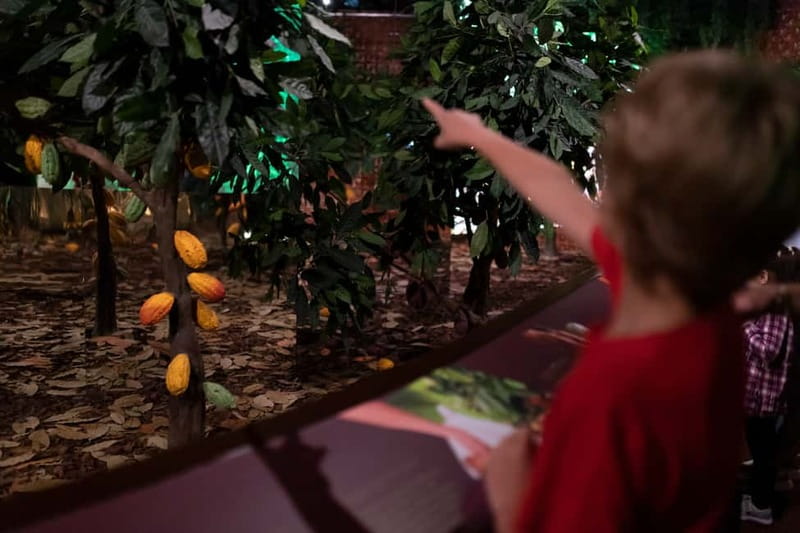
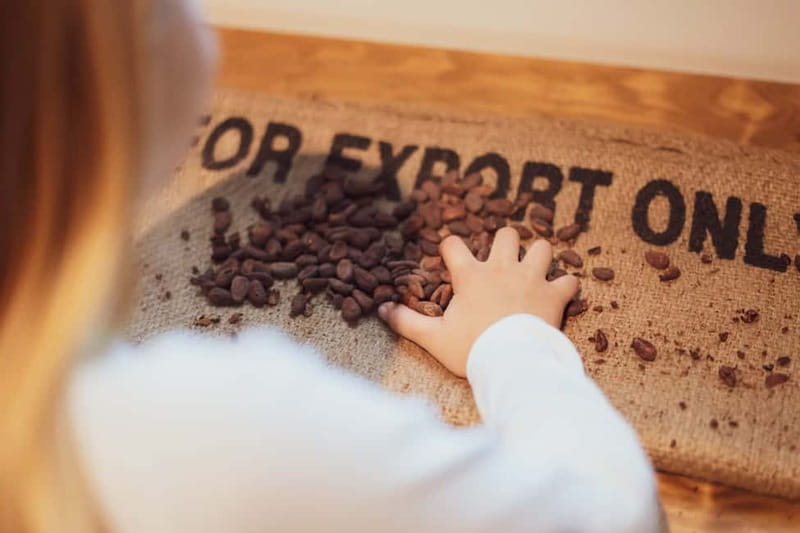
Let’s be honest. You come for the history, but you stay for the tasting. This museum leans hard into that, including raw cacao tastings and artisan-style chocolate samples.
The most helpful part is that the tasting isn’t random. It’s tied to what you’re learning, which helps you start noticing differences instead of just thinking everything tastes sweet.
If you’re the type who likes to learn by comparing, you’ll probably enjoy sampling the stronger notes in raw cacao. Cacao at the raw end can be less sweet and more intense, and it’s a great way to understand why traditional chocolate starts as something you don’t automatically want to eat like a candy bar.
The 20|20 tasting is a key stop
Your included tasting is for the museum’s chocolate brand 20|20. That’s great for value because you’re not guessing how the museum’s own products compare to what you’ve had elsewhere.
It’s also a good “checkpoint” moment. After learning about the process, you can taste the result and connect the steps to what hits your tongue.
Audioguide tour: how to use it so the museum feels less text-heavy
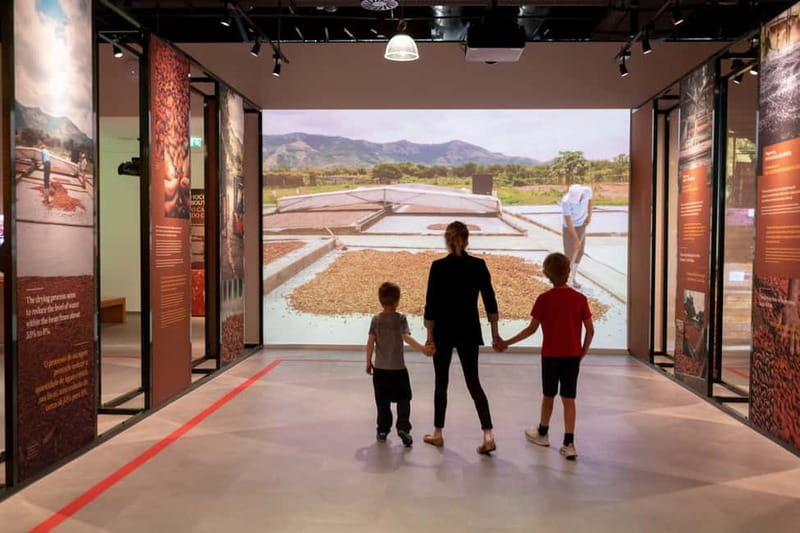
The audioguide is included, and you get English, Spanish, Portuguese, and French. That’s a strong plus because the museum environment can include a lot of labels and explanation panels.
Here’s how I’d use the audioguide for an easier visit. Start it early, then let it steer you rather than trying to read everything. If you’re naturally a skimmer, this keeps you from turning a 90-minute experience into a half-day homework assignment.
Some parts of the route can feel a bit like you’re following a flow that’s clear only once you’re in it. A simple move helps: take a quick look at signage when you enter a new area, then let the audioguide tell you where to focus.
Don’t miss the “small moments”
The best museum memories often come from the quick in-between bits: scent stations, tasting points, and short explanations tied to the samples. If you rush those, you miss the connection between what chocolate is becoming and why it tastes the way it does.
Pricing, value, and what you’re really paying for
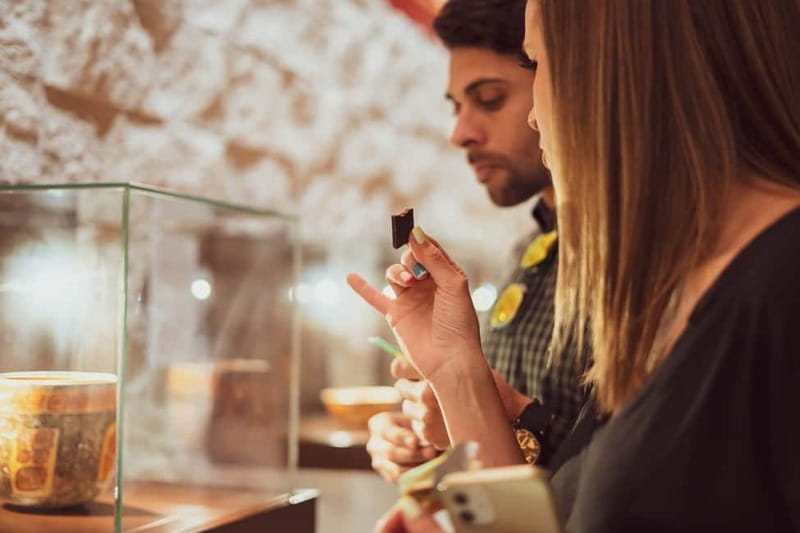
The price is about $23 per person, and that number feels fair if you consider what’s included. You’re getting entry, a branded tasting, and an audioguide, plus access to a live factory viewing element.
Value here comes from three things working together: instruction, sensory tastings, and factory context. If it was only a history museum, you’d likely feel the cost. If it was only a tasting, you might call it a snack stop. This hybrid format is why it lands closer to “worth it” than “just another entry ticket.”
Also, this is a good use of time. A 90-minute visit is long enough to learn something meaningful, but short enough that you can pair it with Porto sightseeing the same day.
Logistics in Porto: meeting point, hours, and a smart day-of-week choice
You meet by showing your ticket at The Chocolate Story. There’s no hotel pickup or drop-off included, so plan to arrive under your own steam.
The museum is open daily from 10:00 AM until 7:00 PM, with last entrance listed at 7:00 PM. Because opening hours can shift on bank holidays, check the official schedule if you’re visiting around a public holiday.
A useful detail for planning: you can use your ticket any time on your selected date during opening hours. That gives you flexibility if your Porto day runs late.
Sunday strategy if factory viewing is your priority
If factory action is a must-do for you, avoid scheduling your visit for Sunday. That’s the one timing tip worth acting on, because the museum itself suggests that factory viewing can be different that day.
Shop and cafe at the end: plan your chocolate budget
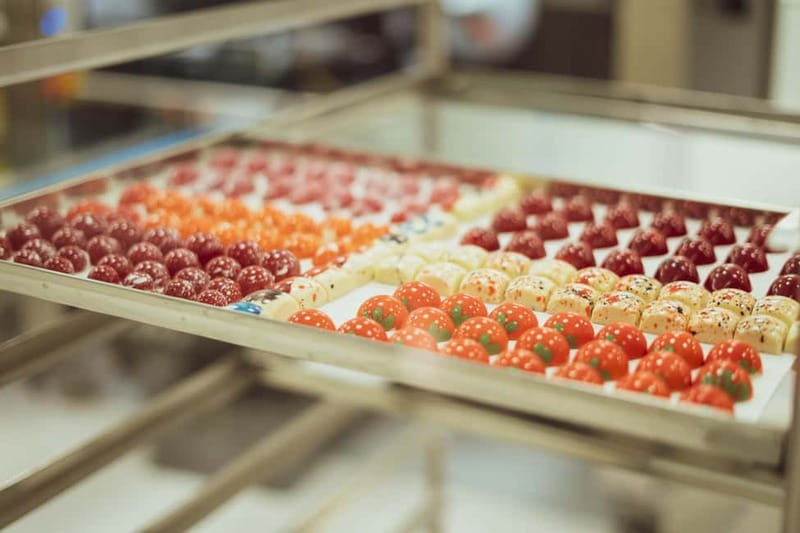
Like many food-focused museums, there’s a shop and cafe nearby after the main route. You might want to pick up a souvenir bar, and it can be fun to bring home something you tasted during the experience.
Just keep your expectations on price. The museum shop can be pricey compared with what you’d find outside, so treat it like a premium purchase and not your everyday chocolate shopping plan.
If you’re traveling with a sweet tooth and you don’t want to spend too much, you can also use the included tastings as your main sampling, then buy only one or two items you truly want.
Who should book this Chocolate Museum, and who might skip it

This is a strong fit if you enjoy food history, science-y explanations, and tasting as part of learning. It’s also ideal if you want an activity that’s not weather dependent and that works well in short time windows.
Kids can enjoy it, but the content is more “guided education” than a playground. A practical rule of thumb: if your child is old enough to follow museum explanations and wait for tasting moments, it’s a better fit. Very young kids may enjoy the sensory parts, but the heavier reading and structured flow can make it harder to keep attention.
One more note: unaccompanied minors are not allowed. If you’re bringing kids, plan on being there with them through the whole experience.
FAQ
How long is the Porto Chocolate Museum experience?
It runs about 90 minutes.
How much does it cost?
The listed price is $23 per person.
What’s included with the ticket?
You get museum entry, an included chocolate tasting of the 20|20 brand, and an audioguide tour.
What languages are available for the audioguide?
The audioguide is available in English, Spanish, Portuguese, and French.
Where do I meet for the tour?
Show your ticket directly at The Chocolate Story.
Do I get hotel pickup or drop-off?
No, hotel pickup and drop-off are not included.
Are there any restrictions on minors?
Unaccompanied minors are not allowed.
What are the opening hours?
The experience is open daily from 10:00 AM until 7:00 PM, with last entrance at 7:00 PM.
Should you book the Porto Chocolate Museum?
Book it if you want a hands-on-feeling chocolate education in a tight time frame, with real tastings and a live factory viewing element. It’s especially worth it if you like learning about processes and want your food education to come with samples, not just labels.
Consider skipping or adjusting expectations if you hate text-heavy exhibits or prefer fully hands-on workshops. In that case, you might still enjoy the tastings, but the main value comes from the guided explanation and observation, not from doing the production yourself.
Just added around Porto
- Tour Porto: Classic Adventure in Electric Tuk Tuk★ 4.7 · 33 reviews
- Porto: Tuk tuk Tours with Port Wine Tasting★ 4.5 · 65 reviews
- The Soul of Porto: Walking Tour with Food and Wine Tasting★ 5.0 · 21 reviews
- The Douro Valley Tour – Late Start Experience★ 4.8 · 48 reviews
- The Beautiful Story of Porto: Guided Tour with Entry Tickets★ 4.8 · 111 reviews
- From Porto: Full-Day Douro Valley Trip★ 4.7 · 481 reviews
- Eat Porto Like a Local: The Ultimate Full-Meal Food Tour★ 5.0 · 97 reviews
- Small Group: Douro Valley Wine Tasting from Porto★ 4.8 · 20 reviews
Museums, compared.
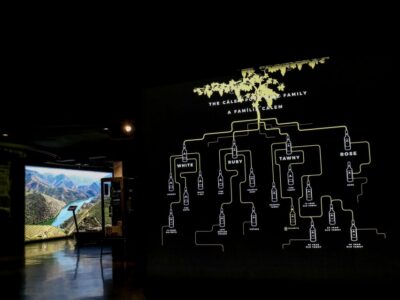
Cálem Cellar Tour, Interactive Museum & Wine Tasting
Read our review →

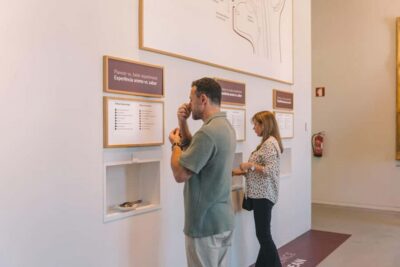
The Wine Experience, Best Wine Museum in the World
Read our review →
Banksy Museum Permanent Exhibition Entry Ticket
Read our review →
Belem, Jeronimos Monastery, and Coach Museum Tour
Read our review →
Browse the lists this tour appears in