Reviewed · HALF-DAY
Porto: Half-Day Jewish Tour
Porto hides stories in plain streets. This half-day Jewish walking tour threads together Porto’s Sephardic legacy and the long shadow of the Inquisition, using street names and surviving clues as your map. I love the street-level clues that help you spot how Jewish life left traces in a city that looks ordinary at first glance, and I love the practical feel of a guide who can also point you toward what to see and where to walk next. One consideration: it’s a moderate, all-weather walking tour, so it’s not a good fit if you have low fitness or mobility limits.
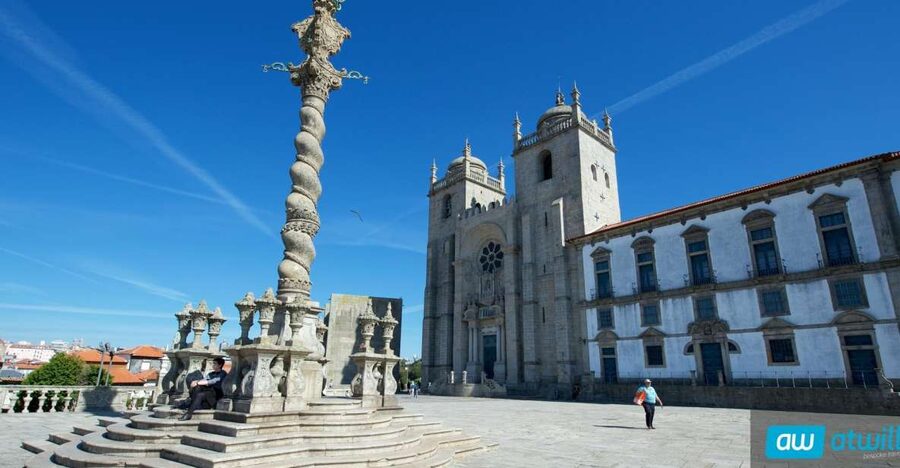
You’ll meet at Sé Cathedral area by the Estátua de Vímara Peres, and the tour runs in English with a private-group format. I also like that the route mixes big-name Porto landmarks, like Clérigos Tower, with quieter neighborhood streets where the story feels more personal. If you really need guaranteed privacy, do a quick check in advance, since one booking did report a mismatch with the private-group expectation.
In This Review
- Key highlights you should care about
- Porto’s Jewish Quarter in 3 hours: how the route stays focused
- Starting at Estátua de Vímara Peres: setting the story before you walk
- Largo do Terreiro and Ribeira: where the city looks familiar but tells a different story
- Miragaia and Parque das Virtudes: linking streets to viewpoints
- Mosteiro de São Bento da Vitória and the Clérigos Tower pass-by: big Porto icons with purpose
- Finish at Porto São Bento: closing the loop in the transit hub of the city
- What you’ll learn: Sephardic legacy, Inquisition, and life under pressure
- Kadoori Mekor Haim Synagogue and the living thread in Porto
- Barros Basto: the Portuguese Dreyfus part of the story
- Who should book this tour, and who might not love it
- Price and value: is $75 for 3 hours worth it?
- Small considerations before you go (so you stay stress-free)
- Should you book Porto: Half-Day Jewish Tour?
- FAQ
- Where does the tour meet?
- How long is the Porto Half-Day Jewish Tour?
- How much does it cost?
- What is included in the price?
- Are entrance fees included?
- What language is the guide?
- Is the tour suitable for people with mobility impairments?
- Does the tour run in bad weather?
- Can I get a refund if plans change?
Key highlights you should care about
- A 3-hour route built around traces in toponymy and archaeology, not just big speeches about the past.
- Clérigos Tower plus riverside streets gives you a strong Porto overview while the story stays focused.
- Inquisition and new Christians are explained in plain language, with attention to how traditions went underground.
- 1496 King’s Expelling Order and the Sephardic legacy connect policy, religion, and daily life.
- Barros Basto’s rescue story (often called the Portuguese Dreyfus) adds hope after heavy material.
- Guides like João, Luigi, and Carlota are praised for warmth, patience, and handling lots of questions.
Porto’s Jewish Quarter in 3 hours: how the route stays focused
This tour is built for one main goal: understanding what the Jewish community in Porto once was, what happened to it, and what still shows up in the city today. The walking time is short enough to keep it lively, but long enough to make the connections feel real.
I like that it’s not only about buildings. You’re taught to read Porto like a text, by picking up place-name hints and other traces that still exist. That matters because you do not need special context to enjoy the walk, but you will leave with a way to notice things you would otherwise miss.
Also, it’s intentionally paced for sightseeing. You’ll have time for viewpoints and for looking at the city center from different angles, not only marching door to door. That gives the story room to land, even when the subject matter gets heavy.
Other Porto plans worth comparing
- The Unvanquished Tour in Porto City Center
★ 5.0 · 26,497 reviews - From Porto: Douro Valley w/ Boat Tour, Wine Tasting & Lunch
★ 4.7 · 19,061 reviews - Complete Douro Valley Wine Tour with Lunch, Wine Tastings and River Cruise
★ 5.0 · 12,920 reviews
Starting at Estátua de Vímara Peres: setting the story before you walk
The meeting point is right by Sé Cathedral, next to the Estátua de Vímara Peres. It’s a smart start because you’re already in the historic core, and the guide can frame Porto’s earlier layers before you move into the neighborhoods where Jewish life took root.
Before the walk really gets going, you’ll get context for how Sephardic culture shaped daily life in Porto and how later pressure changed what people could openly practice. This first orientation is what makes the later stops click. Without it, the route would feel like a list of sights.
One practical tip: wear shoes you can trust on uneven old-street surfaces. Even when the route is short segments at a time, your legs will notice if you’re in soft, fragile soles.
Largo do Terreiro and Ribeira: where the city looks familiar but tells a different story
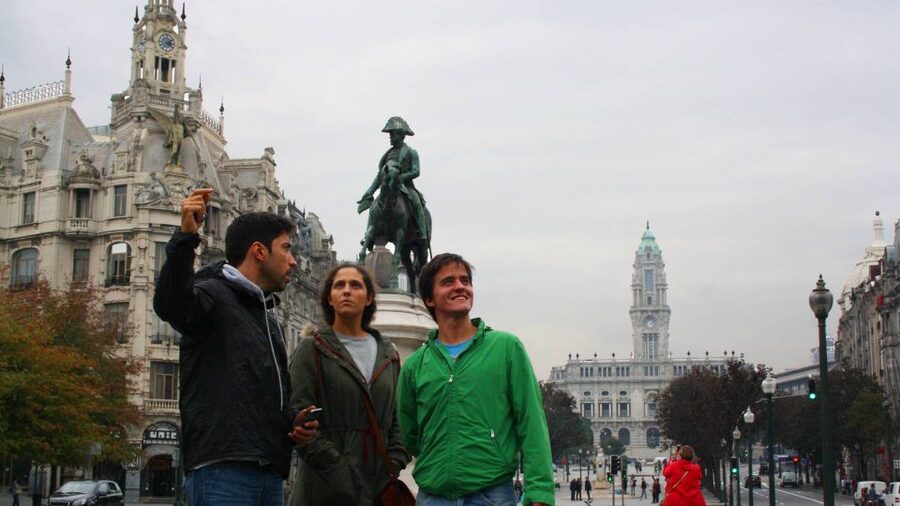
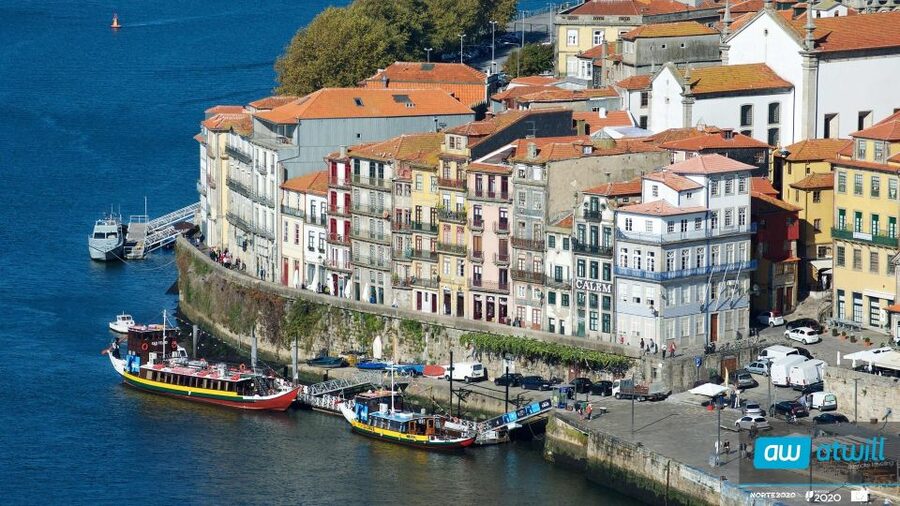
Your route takes you through Largo do Terreiro and into Ribeira, Porto, with guided walking and sightseeing time built in. Ribeira is one of those places where you can admire the river views and still miss the layers underneath. On this tour, you’re encouraged to look for the “how did people live here” clues.
This is where the guide’s storytelling style matters. Some guides, including João, are known for explaining Portuguese history in a way that makes the Jewish timeline understandable, not confusing. You’ll hear about the pressures that led to forced changes, and you’ll also learn what it meant when people had to hide or alter traditions.
If you’re thinking about whether this tour is too academic, the answer is usually no. The route stays concrete. You’re not just learning dates, you’re learning what those dates did to real people and how that shows up in the city.
Miragaia and Parque das Virtudes: linking streets to viewpoints
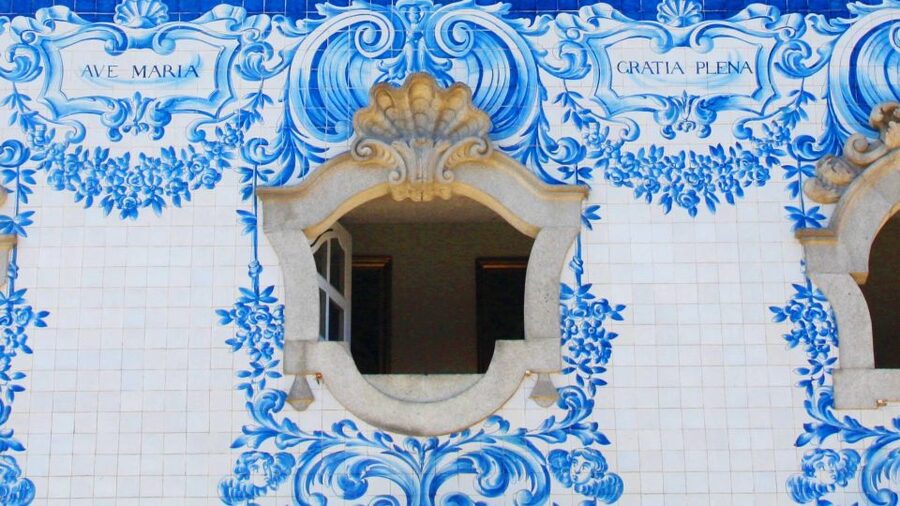
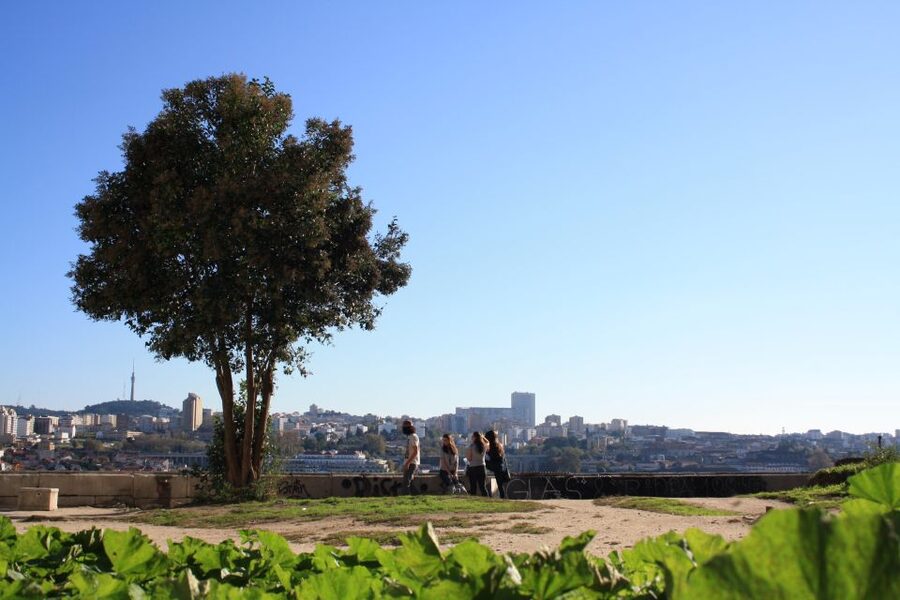
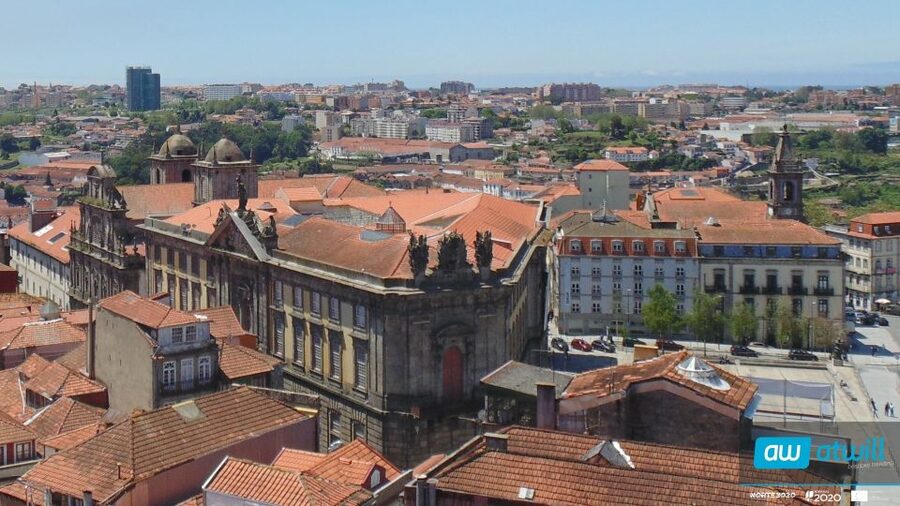
After Ribeira, you move toward Miragaia, then up to Parque das Virtudes for scenic views on the way. This is one of the smart rhythm shifts of the tour. You get street narrative, then you get a payoff view, then you return to the story again.
Miragaia and the walk around here helps you understand how neighborhoods relate to one another, not just where each landmark sits. From a practical standpoint, it’s also where you start to get a sense of the easiest way to orient yourself later in the city.
At Parque das Virtudes, the views give you a mental reset. That’s important on tours that cover persecution. A breather is not a distraction here, it helps the story stick without exhausting you.
In the same part of Portugal:
- Porto: Six Bridges Cruise
★ 4.2 · 11,680 reviews - Porto: Douro Valley with Winery Lunch, Tastings & Cruise
★ 4.7 · 7,002 reviews - Porto: Live Fado Show with Glass of Port Wine
★ 4.8 · 6,498 reviews - Porto: 6 Bridges Douro River Cruise
★ 4.3 · 6,472 reviews
Mosteiro de São Bento da Vitória and the Clérigos Tower pass-by: big Porto icons with purpose
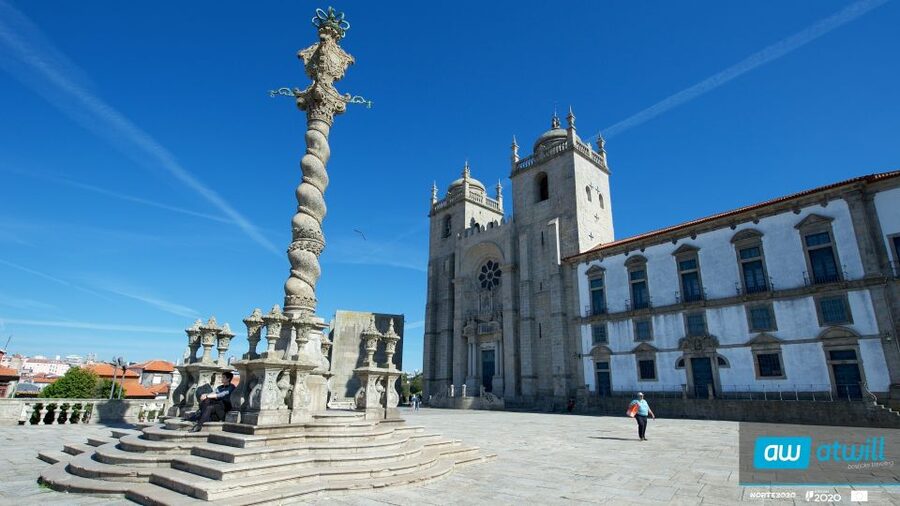
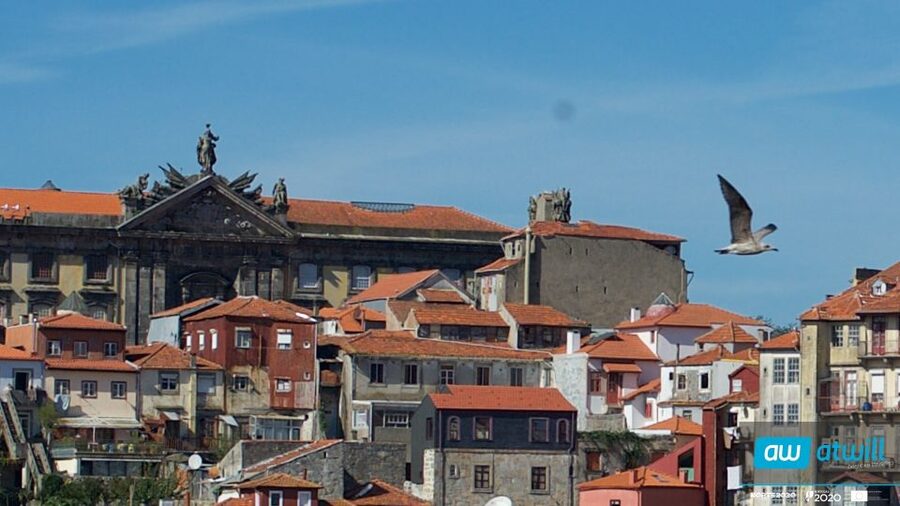
You’ll pass by Mosteiro de São Bento da Vitória with guided sightseeing and scenic viewpoints on the way. Then you head toward the Clérigos Tower area, again with a pass-by focus.
Here’s the value: you’re not stopping for a museum-type experience, but you’re still tying famous Porto architecture to the bigger narrative of the city. A good guide will connect what you’re seeing to where Jewish community life might have overlapped with larger urban life.
Clérigos Tower is one of those landmarks most visitors know. What you get here is a way to look at it as part of a continuing city story, not an isolated postcard. Even if you’ve seen the tower from a distance already, the context makes it feel more connected to where people moved and lived.
On hot days, there’s also a comfort angle. Guides can adjust pacing, and one hot-day comment highlighted how the guide found ways to stay shaded and watered. That matters because the topic is intense enough without adding dehydration.
Finish at Porto São Bento: closing the loop in the transit hub of the city
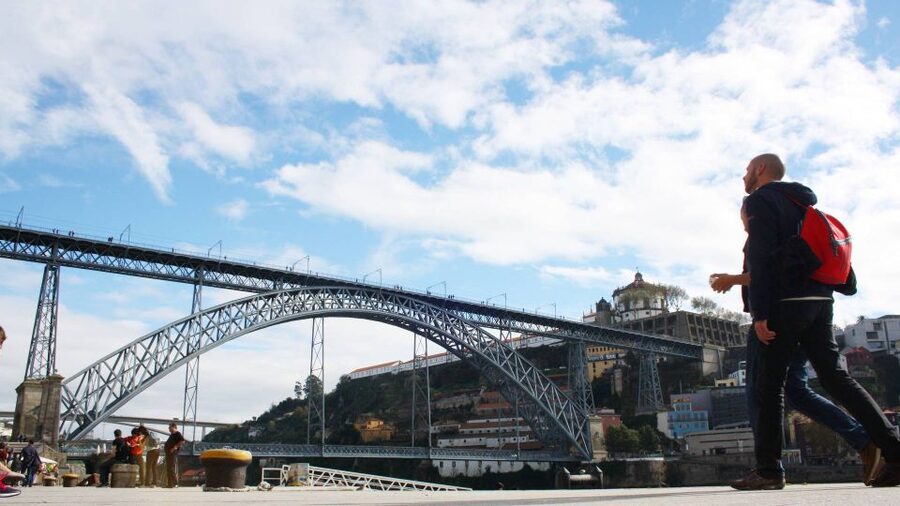
The tour ends at Porto São Bento. For me, finishing near a major transit hub is practical because you can keep your travel day flexible. You’re not left stranded far from where you already want to be later.
More importantly, São Bento is a good place to land after a story-heavy walk. You can sit, catch your breath, and review what you learned while you’re still in the city’s “historic mode.” If you plan to continue exploring, the timing gives you an easy handoff into other nearby sights and neighborhoods.
If your final destination is elsewhere, you’ll likely find it simpler to get a ride or continue on foot thanks to the location.
What you’ll learn: Sephardic legacy, Inquisition, and life under pressure
This is a history tour, but it stays grounded in what you can understand from the street. You’ll learn about the Jewish Quarter and the Sephardic legacy in Porto, including the lived reality behind those terms.
Expect the tour to cover the Inquisition, the persecution of new Christians, and the way Jewish traditions were covered up for centuries. The guide’s job is to make those concepts human, not abstract. That usually means you hear explanations tied to the timeline and to what people had to do to survive.
You’ll also touch on the 1496 King’s Expelling Order, which helps connect government action to consequences on daily life. When you place that order into the story of Porto, it stops being just a “Portugal fact” and becomes part of how communities changed and adapted.
Even if you already know some Jewish history, you may still pick up new angles. One strong theme in the tour’s praise is how many location-based clues exist in Porto. That means your effort has a payoff: you’ll notice traces you did not expect to see.
Kadoori Mekor Haim Synagogue and the living thread in Porto
The tour includes the Kadoori Mekor Haim Synagogue as part of what you learn about, along with references to the Israeli community. Even if the stop is not a full visit inside, you’ll get the context you need to understand why this matters now, not only then.
This matters because it keeps the tour from being purely about loss. The story has survival, continuity, and modern community life in the mix. That balance helps the heavier chapters feel less like a dead end.
If you care about how diaspora communities connect across time and place, this element gives you something concrete to carry forward when you leave.
Barros Basto: the Portuguese Dreyfus part of the story
One of the most memorable parts of the tour is the rescue story of Barros Basto, often linked to the term Portuguese Dreyfus. The way this ending is presented is important. After the persecution and cover-up chapters, you get a shift toward reform and recognition.
For you as a visitor, that change of tone does real work. It keeps the tour from feeling like a single long tragedy. It also shows how later generations tried to repair what earlier policy and religious power broke.
If you like a “story arc” more than a list of facts, this section is the reason the tour feels satisfying even when you learn difficult things.
Who should book this tour, and who might not love it
This tour is best for you if you want:
- Walking-focused sightseeing with historical meaning
- A guide who can answer questions and explain the Portuguese timeline
- A route that covers major sights, then uses smaller streets to add detail
You might not love it if you:
- Need wheelchair-accessible routes, since it’s not suitable for wheelchair users
- Have low fitness or prefer very light walking
- Want mostly indoor time or minimal walking on uneven streets
The weather note is also real. It operates in all weather conditions, so you’ll want layers and a rain plan.
Price and value: is $75 for 3 hours worth it?
At $75 per person for about 3 hours, the value depends on what you want from your day in Porto. You’re paying for a professional guide and a focused walking route, and you’re not paying for entrances since entrance fees are not included.
For the money, you get two things that usually cost more on your own. First, you get someone who can point out toponymic and archaeological trace elements, which is the kind of context that is hard to DIY without heavy reading. Second, you get a route that mixes well-known sights like Clérigos Tower with the kind of streets you might never take unless someone leads you there.
One more value point: it’s a private-group format. That tends to make Q and A easier and helps the guide tailor pacing, especially if it’s hot or if you have specific interests.
Small considerations before you go (so you stay stress-free)
- The tour includes moderate walking, and it’s not suitable for wheelchair users.
- It runs in all weather, so pack accordingly.
- If your travel group needs guaranteed privacy, ask about how the private-group format is handled on your specific date, since one booking reported it was not private as expected.
Those are the only real red flags. Everything else is about comfort and fit, not about surprises.
Should you book Porto: Half-Day Jewish Tour?
If you’re curious about Porto beyond the usual sightseeing circuit, I think you should book it. This is a short, high-impact way to learn how Jewish life in Porto shaped the city and how later events, like the Inquisition era and the expelling order in 1496, changed what people could openly practice.
Book it if you enjoy walking with a guide who can explain complex topics clearly and who handles questions patiently, including people like João, Luigi, and Carlota who are praised for exactly that kind of guidance. Book it also if you like a story arc, because Barros Basto provides a meaningful turn after the heavy parts.
Skip it if you want minimal walking, wheelchair access, or mostly indoor time. And if you’re very sensitive about privacy, confirm the group setup before you show up.
FAQ
Where does the tour meet?
You meet at the Sé Cathedral area (Terreiro da Sé), next to the Vimara Peres statue.
How long is the Porto Half-Day Jewish Tour?
The tour lasts about 3 hours.
How much does it cost?
It costs $75 per person.
What is included in the price?
The price includes a professional guide and a walking tour.
Are entrance fees included?
No, entrance fees are not included.
What language is the guide?
The live tour guide speaks English.
Is the tour suitable for people with mobility impairments?
No. It is not suitable for people with mobility impairments and wheelchair users.
Does the tour run in bad weather?
Yes. It operates in all weather conditions, so dress appropriately.
Can I get a refund if plans change?
Yes, you can cancel up to 24 hours in advance for a full refund.
Just added around Porto
- Tour Porto: Classic Adventure in Electric Tuk Tuk★ 4.7 · 33 reviews
- Porto: Tuk tuk Tours with Port Wine Tasting★ 4.5 · 65 reviews
- The Soul of Porto: Walking Tour with Food and Wine Tasting★ 5.0 · 21 reviews
- The Douro Valley Tour – Late Start Experience★ 4.8 · 48 reviews
- The Beautiful Story of Porto: Guided Tour with Entry Tickets★ 4.8 · 111 reviews
- From Porto: Full-Day Douro Valley Trip★ 4.7 · 481 reviews
- Eat Porto Like a Local: The Ultimate Full-Meal Food Tour★ 5.0 · 97 reviews
- Small Group: Douro Valley Wine Tasting from Porto★ 4.8 · 20 reviews
Half-Day, compared.


Half-Day Tour from Porto with Optional Cruise
Read our review →
Sintra Half-Day Private Tour – A Journey through Wonderland
Read our review →