Reviewed · LISBON TOURS & ACTIVITIES
Portuguese flavors in a typical village home
The tastiest lesson is on a real kitchen table. This Portuguese cooking afternoon is interesting because you’re not just learning recipes, you’re eating them in a country home over 100 years old, guided by Katija’s family stories. I especially like the small group feel and how the menu is adapted to the season and dietary needs. My one caution is that this is a relaxed, guided cooking experience, so if you’re hoping to do every step like a top chef, you may find the hands-on part is more comfortable than intense.
You’ll start in the Barcarena area of Lisbon, then head to a quiet valley village about 20 minutes away, where the pace slows down fast. Expect about 3 hours of lunch, drinks (including wine), and conversation, in English, with up to 6 people.
In This Review
- Key things you’ll notice right away
- A Lisbon-country lunch in a house over 100 years old
- Getting to Igreja de São Bento de Valejas and arriving in time
- What welcome looks like: tea, wine, olives, cheese, and toast
- Cooking at a human pace: tasks you can actually do
- How Katija builds menus around season and your needs
- Main dish flavors you might taste: bacalhau, octopus, and Portuguese classics
- Dessert and tea: the sweet finish, plus herb-touched moments
- Why the table talk is a big part of the value
- Price and value for a 3-hour lunch with wine and an e-book
- Who should book this Portuguese home-cooking afternoon
- Should you book this experience?
- FAQ
- How long is the experience, and when does it start?
- What is included in the lunch?
- What language is the experience offered in?
- Do you cook, or is it mostly watching?
- Can the menu be adapted for dietary restrictions?
- What happens if the weather is poor?
Key things you’ll notice right away
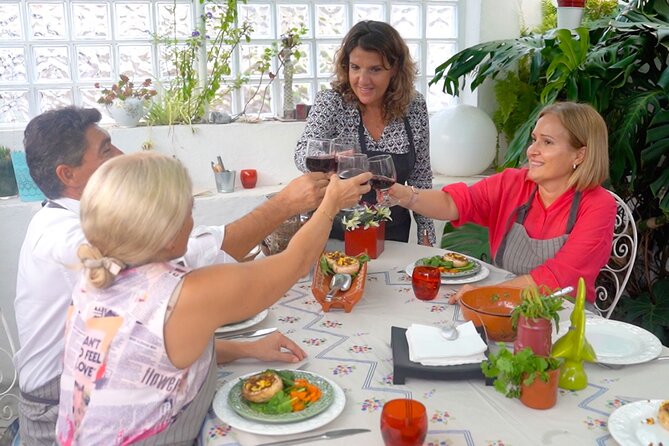
- Katija’s stories at the table: village history and family ties to the house, shared while you cook and eat
- Seasonal menus and dietary options: the main dish and dessert can change depending on what suits you
- Drinks are part of the meal: red and white wine, plus tea and water, included with lunch
- Fresh ingredients and garden touches: you may taste herbs and produce picked close to the day
- You help with the cooking: tasks are shared among the group, not just watched
A Lisbon-country lunch in a house over 100 years old
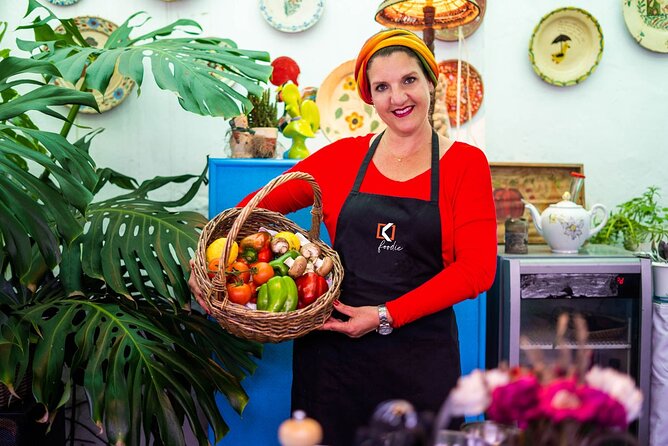
This experience works because it feels like the real Portugal you came for. You step into a home set in a valley with stories baked in, and the meal happens at the pace of a host, not a factory schedule.
What I like most is the way the day connects three things that are easy to separate on a typical trip: food, place, and people. The recipes are traditional, but the meaning comes from where they’re made and why the family still cooks this way. Even the welcome spread, olives and cheese with toast and local jam, sets the mood. It’s casual, but it’s also deliberate, like the meal is already waiting for you.
You can also expect that the cooking is guided. You’ll do prep and active steps, and you’ll understand what you’re making and why it’s made that way. Still, it’s not pitched as a high-intensity class where every minute is structured like a studio lab.
Other Lisbon plans worth comparing
- Lisbon City Center Tour – The Unmissable Lisbon
★ 5.0 · 22,234 reviews - Lisbon: Sintra, Pena, Regaleira, Cabo da Roca & Cascais
★ 4.7 · 19,656 reviews - Lisbon Card: 24, 48, or 72-Hour Pass
★ 4.5 · 17,944 reviews
Getting to Igreja de São Bento de Valejas and arriving in time
The meeting point is Igreja de São Bento de Valejas, Barcarena, 2730-106, Portugal, and the start time is 1:00 pm. Plan to arrive a bit early so you’re not rushing into the afternoon. The tour ends back at the meeting point, so you don’t have to puzzle out transportation afterward.
Two practical angles matter here:
1) You handle your own getting there, since private transportation is not included.
2) The location is near public transportation, and you can reach the wider area from Lisbon, Sintra, or Cascais by car or train.
If rain shows up, don’t panic. The experience depends on good weather, but Katija has handled indoor adjustments in the past, inviting guests into the home when outdoor cooking or the garden setup isn’t comfortable. That flexibility is a big quality-of-life detail, especially when you’re traveling with limited schedule.
What welcome looks like: tea, wine, olives, cheese, and toast
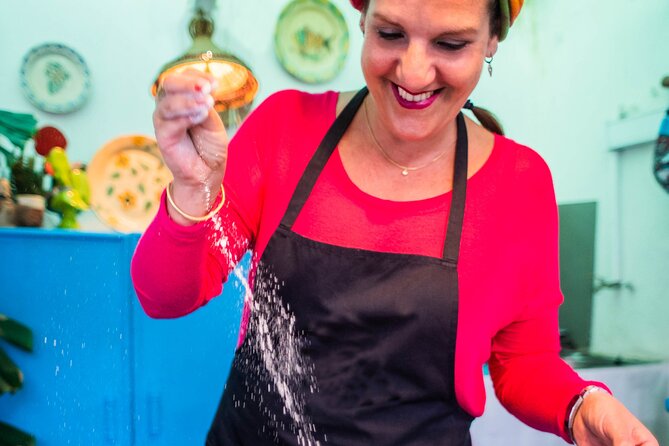
Lunch starts with a welcome drink. Depending on the menu and your preferences, it’s tea, wine, or water. It’s a nice setup because it gets you settled before knives and pots come out.
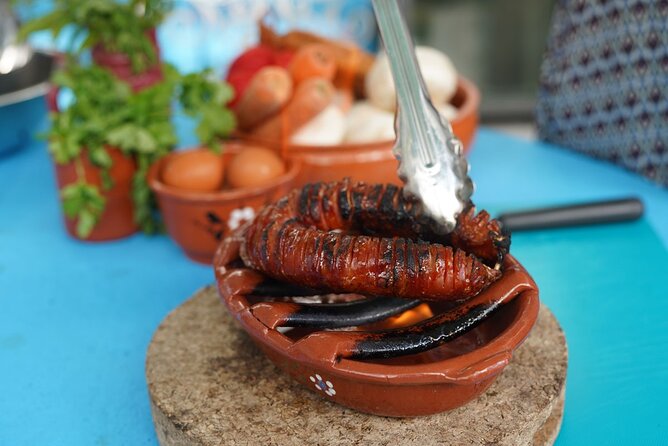
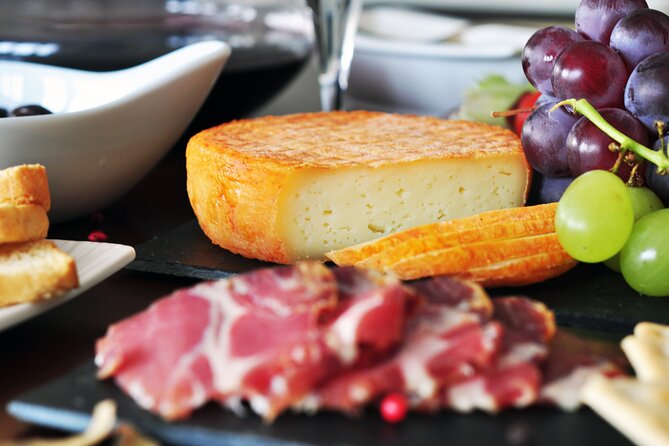
Then comes the starter course, the kind of Portuguese before-meal spread that feels like you’re joining a family routine. You can expect typical Portuguese starters like olives, cheese, local jam, and toasts. It’s simple food, but it matters because it teaches you something about Portuguese eating habits: a meal often begins with good basics, not complicated tricks.
From there, the conversation naturally starts. This isn’t just small talk. Katija ties what you’re eating to what shaped Portuguese home cooking over time. That is part of the value here, because it turns food into something you can remember later, not just something you consume today.
Cooking at a human pace: tasks you can actually do
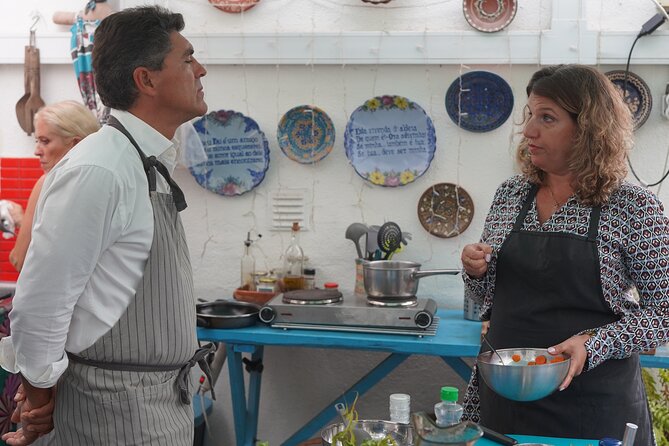
The main event is cooking in a country home kitchen and dining setup. The experience is set up for small-group interaction, and with a maximum of 6 travelers, you’re not lost in the background.
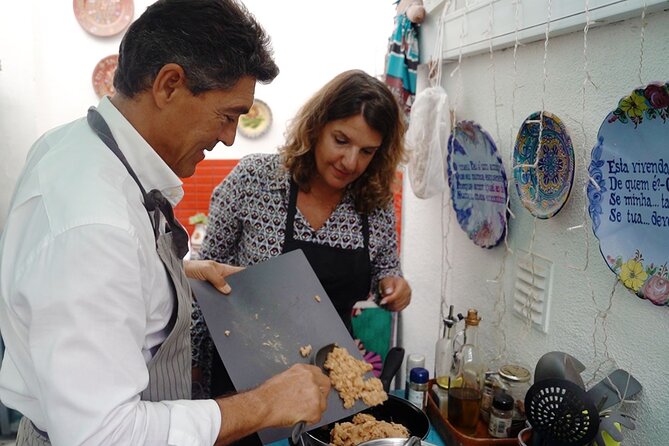
The key thing is the style: relaxed, friendly, and paced for learning. Guests have described the process as manageable, with tasks distributed so everyone can participate. You may chop and prep, sauté aromatics, and help add ingredients as the dish comes together.
In one common example from past days, guests worked through steps like slicing and dicing peppers and onions, then sautéing. That kind of structure is good for most people because it gives you real involvement without turning the afternoon into stress.
If you’re the type who wants to do a lot more technical cooking, here’s the consideration. Some people prefer a higher level of hands-on responsibility. The experience can feel more like a shared cooking table than a full-on workshop where you control everything. That said, the tradeoff is a calmer day with more table conversation and a better chance to actually enjoy what you’re making.
In the same part of Portugal:
- Lisbon: Jerónimos Monastery Entrance Ticket
★ 4.1 · 14,164 reviews - Lisbon: History, Stories and Lifestyle Walking Tour
★ 4.8 · 10,902 reviews - Lisbon: Sunset Boat Party Cruise with DJ and Open Bar
★ 4.5 · 10,378 reviews - Lisbon: Sintra, Pena, Regaleira, Cabo da Roca, and Cascais
★ 4.7 · 10,147 reviews
How Katija builds menus around season and your needs
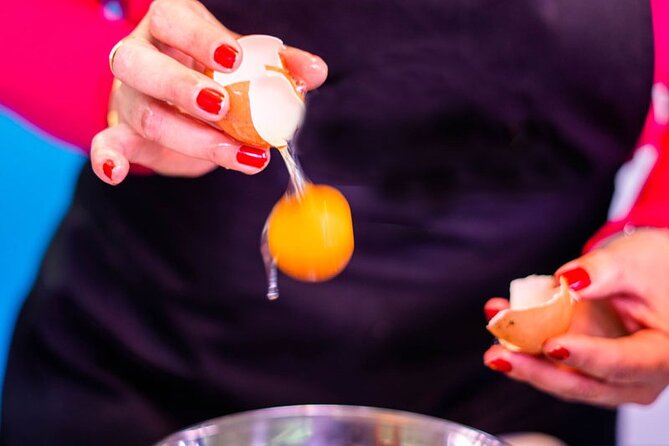
The menu isn’t fixed like a museum exhibit. The host adapts it depending on the season and your dietary restrictions or preferences. That flexibility is a big deal, because Portuguese cuisine can be rich in dairy and eggs, and seafood or meat may be central depending on the time of year.
You’ll also see adaptation in how the starter, main, and dessert are chosen. Even dessert is handled with an eye toward what fits. Typical Portuguese desserts often fall into two broad families: ones that use dairy and eggs, and ones that focus on fruit with a special touch. Katija picks one dessert from that tradition that matches your menu.
In practice, this flexibility can be the difference between a meal that’s fun and a meal that’s stressful. If you have an allergy, you’re not expected to just accept a standard plate. Guests have had menu modifications for allergies, so it’s worth communicating your needs clearly at booking.
Main dish flavors you might taste: bacalhau, octopus, and Portuguese classics
The exact main varies, but the cooking style stays grounded in Portuguese home flavors. You can expect a house recipe that reflects Lisbon and the surrounding food traditions, typically leaning into simplicity and clear flavor rather than showy techniques.
A few main-course examples that have shown up include:
- bacalhau, dried codfish, taught with its cultural importance across Iberia
- octopus rice, a dish people often avoid until they taste it, then get why it’s so loved
- beans and squid with chorizo and vegetables, served with garlic rice
- seafood and other hearty combinations, depending on what the kitchen has available
Here’s the lesson inside the food: a lot of Portuguese cooking is built around pantry and seasonal availability. Dried codfish is famous for a reason, it’s shelf-friendly and deeply Portuguese. Dishes like bean-based stews or rice plates turn simple ingredients into something satisfying.
As you cook, Katija explains the why behind the recipe, including how Portuguese gastronomy evolved over centuries. One detail that stands out is how the host connects Portuguese cooking traditions to the famous story of 1001 recipes, highlighting how many influences shaped what ends up on tables in Portugal today.
If you’re thinking about value, this is where it pays off. You’re not just eating. You’re learning the logic behind the flavor, so you can recreate the approach at home even when you cannot recreate the exact ingredients.
Dessert and tea: the sweet finish, plus herb-touched moments
Dessert comes after the main, and the host chooses one typical Portuguese sweet that fits the meal and any dietary considerations. The structure is traditional, but the finish feels personal because it’s tied to the rest of the day.
Some guests have had desserts like whipped crème with coffee served over a bed of cookies. Others may experience fruit-forward desserts with a special touch, reflecting the typical Portuguese split between dairy-egg sweets and fruit desserts.
Tea also shows up as a small highlight. A past guest noted lemon verbena leaves picked moments before. That kind of detail is more than cute. It shows how the day is built around fresh ingredients and everyday rituals, not only around the main recipe.
Why the table talk is a big part of the value
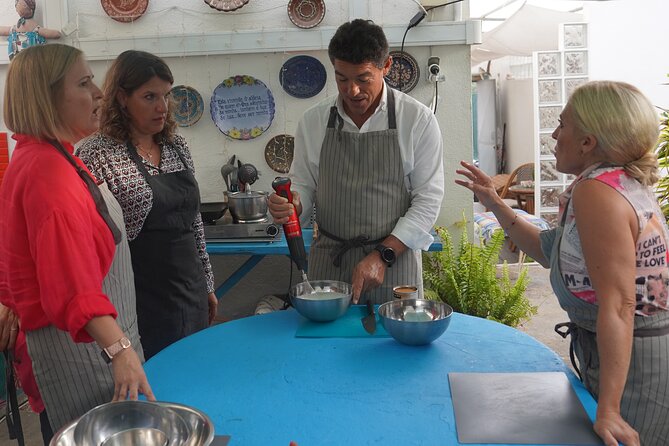
The cooking is a core draw, but what really makes it memorable is the conversation. You’re seated around a table with a host who shares stories while food is cooking. That includes:
- local tales tied to the village setting
- family connections to the home and its history
- images and artifacts from earlier generations
- a friendly back-and-forth about travel and life
Several guests described the host as warm, engaging, and easy to talk with, to the point where the experience felt like visiting a friend. That doesn’t mean it turns into a lecture. It means you’ll likely leave with names, stories, and food context you can repeat later.
One extra perk mentioned by guests is that Katija often offers practical advice for the rest of the trip, including suggestions that can save money or help you plan more smoothly across Portugal. You won’t get that from every cooking class, and it’s a good reason to ask questions while you’re there.
Price and value for a 3-hour lunch with wine and an e-book
At $106.65 per person for about 3 hours, the price needs one honest reality check: it’s not cheap, and it’s not trying to be. The value is in what’s included.
You get:
- a full lunch: appetizers, main course, dessert
- drinks with the meal: red and white wine, plus tea and water
- a recipe e-book provided after the experience, offered exclusively after sharing your opinion
So you’re paying for more than cooking instructions. You’re paying for a sit-down meal hosted in a real home, plus the cultural context that helps the meal make sense. For many people, wine included with lunch is the hidden math that makes this feel fair. Add the e-book and the small-group setup, and the experience starts to look like a thoughtful alternative to a restaurant meal plus a separate class.
If you’re watching budget closely, this is the part to decide. If your priority is complex, hands-on culinary technique, there are cheaper workshop-style options. If your priority is tasting Portuguese home cooking in a story-filled place with a host who cares about your needs, this price lands more in the right zone.
Who should book this Portuguese home-cooking afternoon
This is ideal for you if:
- you want a small-group cultural experience, not a bus-and-brochure stop
- you like Portuguese food and want the context behind classic dishes
- you’re comfortable with a relaxed pace and want conversation as part of the deal
- you have dietary needs and want menu adaptation
It’s less ideal if:
- you want advanced technique training and lots of precision work
- you prefer a purely structured, classroom-style class with minimal chatting
- you get impatient with shared table time
A nice detail for families and kids is that at least one guest described their child loving the experience enough that it became the trip highlight. The tasks can be hands-on, and the pace feels friendly for non-professionals.
Should you book this experience?
Yes, if you want an authentic Portuguese lunch that feels personal. The combination of a home-cooked meal, wine and tea included, menu adaptation, and Katija’s story-centered hosting is the winning formula.
Before you book, decide on your main motivation. If your goal is food plus people plus place, this checks a lot of boxes. If your goal is a highly technical cooking bootcamp, you may find it gentler than expected. Either way, plan to enjoy the table, ask questions, and take your time with the meal. That’s where the experience lives.
FAQ
How long is the experience, and when does it start?
It lasts about 3 hours and starts at 1:00 pm. It also ends back at the meeting point.
What is included in the lunch?
You’ll get appetizers, a main course, dessert, and drinks. Drinks include red wine, white wine, tea, and water.
What language is the experience offered in?
The experience is offered in English.
Do you cook, or is it mostly watching?
You participate in preparing the meal. Tasks are distributed among the group, while the host guides the process.
Can the menu be adapted for dietary restrictions?
Yes. The menus are adapted based on season and guests’ dietary restrictions or preferences.
What happens if the weather is poor?
This experience requires good weather. If it’s canceled due to poor weather, you’ll be offered a different date or a full refund.
Just added around Lisbon
- Morning Sailing Tour in Tagus River from Lisbon★ 5.0 · 68 reviews
- Private Half Day – The Majestic Pena Palace & Sintra★ 5.0 · 90 reviews
- Lisbon Private 3 hours tour★ 4.5 · 33 reviews
- PRIVATE Unforgettable Full Day Tour to Sintra from Lisbon★ 5.0 · 236 reviews
- Lisbon: Catamaran Luxury Sunset and Wine Tour★ 5.0 · 119 reviews
- Lisbon’s authentic Food and Wine tour with a Winemaker★ 5.0 · 67 reviews
- Sesimbra Wild Beach Tour from Lisbon★ 5.0 · 57 reviews
- Private Jeep Tour from Lisbon – Arrábida, Sesimbra & Beach Picnic★ 5.0 · 48 reviews
Lisbon Tours & Activities, compared.
Lisbon City Center Tour – The Unmissable Lisbon
Read our review →
Sintra, Pena, Regaleira, Cabo da Roca & Cascais
Read our review →



Sunset Boat Party Cruise with DJ and Open Bar
Read our review →
Sintra, Pena, Regaleira, Cabo da Roca, and Cascais
Read our review →