
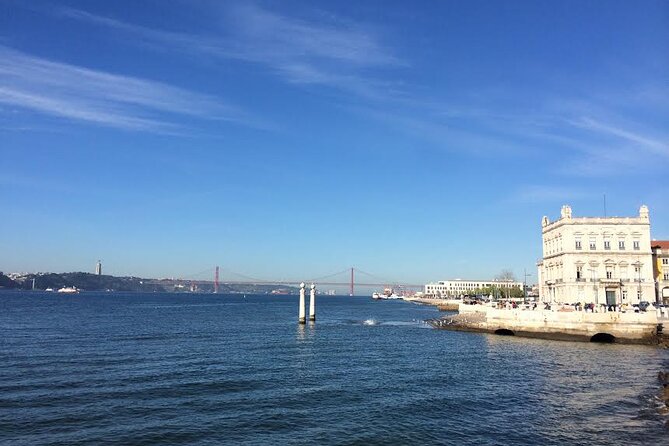
Reviewed · HISTORICAL TOURS
Private Tour – African History in Lisbon
Lisbon has an African past few mention. This private tour ties Lisbon’s slave-trade history to real streets, plazas, and small details you would otherwise miss, guided in English by Filipa Oliveira. You also get a present-day lens, with African heritage treated as part of Portugal’s story, not a side note.
What I like most is how the tour keeps things human and grounded, not just dates and dates. You’ll also like the stop-by-stop pacing across Alfama, Mouraria, fountains, and major squares, with time built in to ask questions.
One thing to consider: a small number of bookings reported difficulty understanding the guide’s English, so if you are very sensitive to accents or fast explanations, go in with patience and allow time to clarify.
In This Review
- Key highlights worth your attention
- How Filipa Oliveira turns monuments into a story you can feel
- Rossio to Praça do Comércio, a focused 2 to 3 hour route
- Stop 1: Lisbon and the long shadow of the slave economy
- Stop 2: Praca Dom Pedro IV and the presence of black Africans
- Stop 3: Castelo, Alfama and Mouraria, identity across neighborhoods
- Stop 4: Chafariz D’El Rei and the detail of water access
- Stop 5: Praça do Comércio and the city’s big public face
- Stop 6: Campo das Cebolas, layered commerce and arrivals
- Admission-free stops and why that matters for value
- The price: $93.62 per person, and what you’re really buying
- Language and expectations: private, but make room for clarity
- Who should book this African history tour in Lisbon?
- Should you book African History in Lisbon?
- FAQ
- How long is the African History in Lisbon private tour?
- What is the price per person?
- Is the tour private?
- What language is the tour offered in?
- Where does the tour start and end?
- Which neighborhoods and stops are included?
- Is admission included at the stops?
- Is there a mobile ticket?
- Is free cancellation available?
- Are service animals allowed?
Key highlights worth your attention
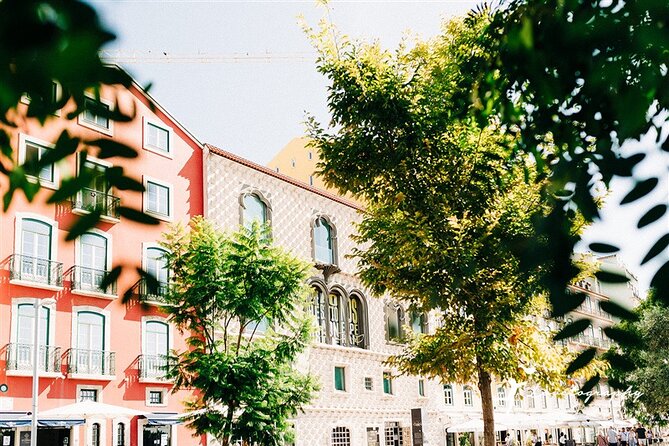
- Filipa Oliveira’s delivery: patient, empathetic, and willing to slow down when you need it
- African Lisbon on “ordinary” streets: you connect the 16th century to modern city life
- Chafariz D’El Rei detail: the tour calls out separate water access tied to slavery
- Alfama and Mouraria heritage focus: immigration and layered identity are part of the story
- A private format: only your group, so conversations feel easier and less rushed
- Value for history-minded travelers: admission at stops is free, and you get a guided narrative arc
How Filipa Oliveira turns monuments into a story you can feel
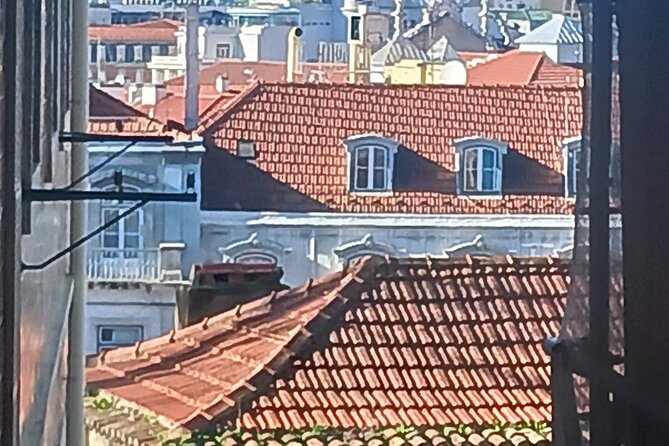
This tour is built around one guiding idea: Lisbon’s African history is not just something that happened somewhere else. It’s visible in the city’s economy, public spaces, and daily routines, even when the plaques are quiet or incomplete.
In the strongest moments, Filipa Oliveira doesn’t treat this topic like a lecture you survive. She frames it with gentle empathy and clear context, so you can follow the timeline and still understand what it meant for real people. Expect a walking conversation more than a march, which matters because the subject is heavy.
Other Lisbon plans worth comparing
- Lisbon: History, Stories and Lifestyle Walking Tour
★ 4.8 · 10,902 reviews - Lisbon: Daytime or Sunset Boat Cruise with History and Wine
★ 5.0 · 1,053 reviews - Explore Lisbon by Tuk Tuk: History and Viewpoints
★ 5.0 · 840 reviews
Rossio to Praça do Comércio, a focused 2 to 3 hour route
The meeting point is at Lisboa Rossio, R. 1º de Dezembro 125, 1249-970 Lisboa. The tour ends at Praça do Comércio, 1100-148 Lisbon. That gives you an easy flow across central Lisbon, and a satisfying finish near the waterfront.
It’s designed for a short outing, about 2 to 3 hours. You’ll likely want comfortable shoes, since it’s a “stroll with purpose” style experience, and one booking specifically called out comfort for a walking route.
Because it’s private, your group stays together with the guide only. That can be a big deal for families, couples, or small friend groups who want to pause and ask questions without feeling like you’re slowing down strangers.
Stop 1: Lisbon and the long shadow of the slave economy
The tour starts by setting the theme around African heritage in Lisbon, especially how slavery shaped the city’s history and economy from the 16th century to the present day. You get history, anthropology, and contemporary life connected in the same conversation.
This first stop is important because it prevents the rest of the walk from feeling like random facts. Instead, you’re given a framework: Lisbon’s Atlantic expansion, trade, and wealth did not appear out of nowhere, and African people were part of that engine.
The downside of any short tour like this is that you can’t cover everything. Think of stop 1 as your map, not your full textbook.
Stop 2: Praca Dom Pedro IV and the presence of black Africans
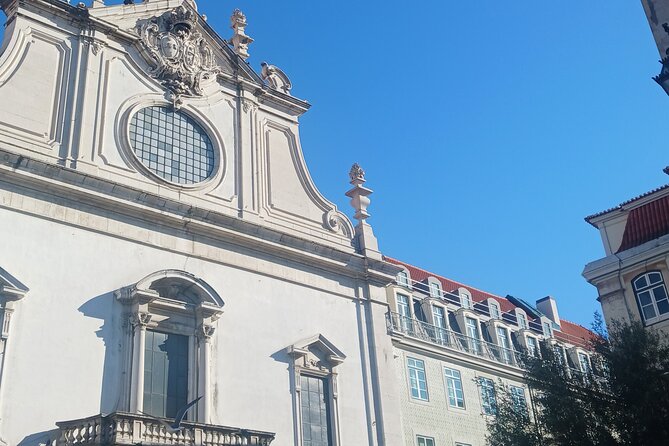
Next comes Praca Dom Pedro IV, where the focus turns toward black African presence and slavery-linked activity in the area. Even if you’ve seen this plaza before, you’ll likely start noticing how public spaces can hold layers of meaning.
Here, the tour helps you link place names and city design to human movement. That is the kind of connection that changes how you look at familiar Lisbon street corners.
One practical note: plazas can be windy and busy, so if you are visiting during peak daytime crowds, you may want to stand slightly aside to hear comfortably.
In the same part of Portugal:
- Lisbon City Center Tour – The Unmissable Lisbon
★ 5.0 · 22,234 reviews - Lisbon: Sintra, Pena, Regaleira, Cabo da Roca & Cascais
★ 4.7 · 19,656 reviews - Lisbon Card: 24, 48, or 72-Hour Pass
★ 4.5 · 17,944 reviews - Lisbon: Jerónimos Monastery Entrance Ticket
★ 4.1 · 14,164 reviews
Stop 3: Castelo, Alfama and Mouraria, identity across neighborhoods
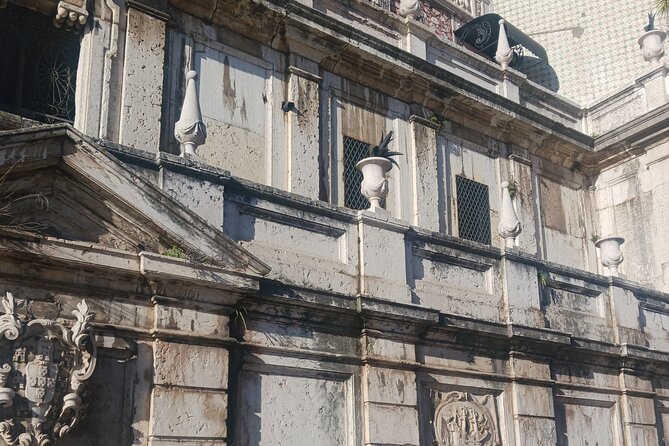
This is your longest stretch at about 1 hour, covering Castelo, Alfama, and Mouraria. These are neighborhoods where immigrant communities and local heritage overlap in visible ways, and the tour treats that overlap as part of Lisbon’s living story.
What I like about this part is that it avoids a museum-only approach. You don’t just learn about the past in a locked cabinet. You also see how “heritage” continues through neighborhoods, culture, and everyday life.
A possible trade-off: Alfama and surrounding streets can feel like a maze if you’re not focused. The guided pacing helps, but if you prefer a purely scenic route with minimal talking, this may feel more discussion-heavy than you expect.
Stop 4: Chafariz D’El Rei and the detail of water access
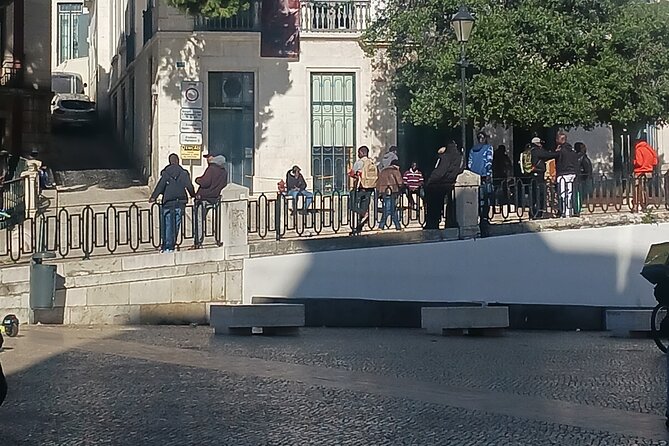
At Chafariz D’El Rei, the tour zeroes in on an old fountain tied to slavery. The key detail here is that slaves had their own tap to draw water.
That kind of specific, physical detail makes history less abstract. It’s not just “people were enslaved.” You’re asked to imagine daily routines, restrictions, and the small rules that enforced inequality.
This stop is short, about 10 minutes, so don’t treat it as a quick photo break. Give it your attention, because the meaning is in the detail.
Stop 5: Praça do Comércio and the city’s big public face
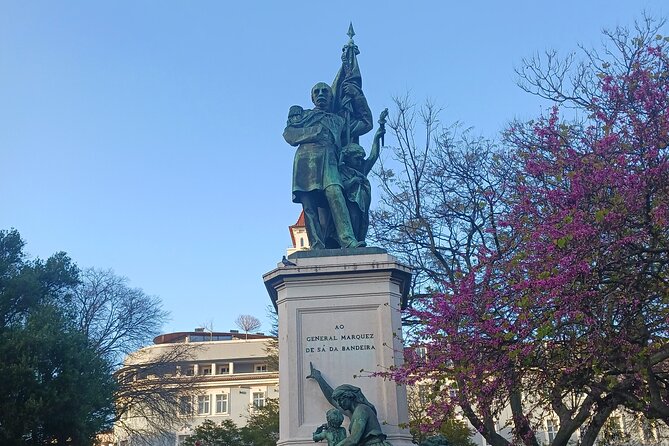
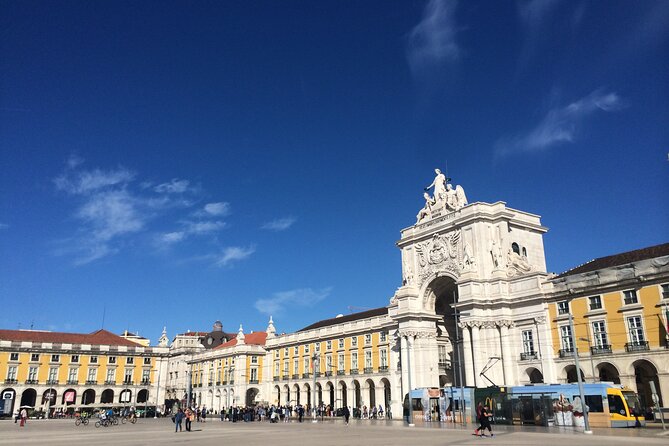
Praça do Comércio is the main square of Lisbon, and the tour uses it as a window into how history shows up in the city’s most public spaces. About 30 minutes here lets the guide connect commerce, power, and the broader city story.
I like this stop because it reminds you that the loudest, prettiest places often have quiet histories behind them. The square feels ceremonial, but the tour encourages you to ask: ceremonial for whom, and built on what?
If you’re someone who prefers darker themes earlier in the day, you might feel this stop comes in the middle. Still, the earlier stops give you enough background to understand why this location matters.
Stop 6: Campo das Cebolas, layered commerce and arrivals
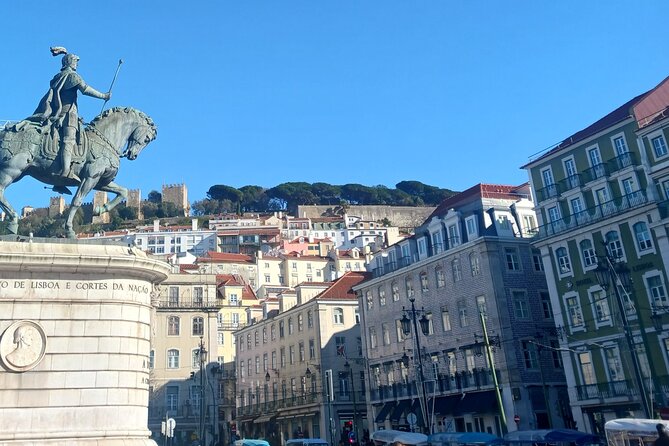
Campo das Cebolas is a commerce-focused area where slaves also arrived from the colonies, particularly from Africa. It’s described as a place full of architectural remains and multiple layers of history, with about 20 minutes dedicated to it.
This is the kind of stop that rewards attention. Even when you don’t know what a building used to be, you can learn how the city’s commercial identity was tied to human movement and exploitation.
If you love walking through places where the past still looks “present,” you’ll probably enjoy the way the guide points out traces and explains why they matter. Just be aware this is still a time-limited tour, so you’ll likely want to note areas that spark your curiosity for later reading.
Admission-free stops and why that matters for value
The tour lists free admission tickets at the stops. That helps keep the experience straightforward: you’re paying primarily for the guide’s narrative, pacing, and local context, not a stack of entry fees.
For me, that changes the value equation. If you are history-minded and want a guided walk that turns streets into explanations, this format makes sense because you aren’t constantly stopping to manage tickets or separate costs.
The price: $93.62 per person, and what you’re really buying
At $93.62 per person, this is not a bargain-basement walking tour. But it is priced like a focused private historical experience, not a generic group overview.
Here’s where value comes from for your trip:
- You get a private tour with only your group, which often means more conversation time
- You cover multiple meaningful Lisbon locations in about 2 to 3 hours
- The guide’s approach, described as patient and empathetic, helps you absorb a sensitive topic without feeling rushed
One review also mentioned the guide treating the group to a break or meals in the commercial area, like coffee and custard pies. That is not something I would count on, but it does match the tour’s “walk with context” vibe.
Language and expectations: private, but make room for clarity
The tour is offered in English, which is great for many visitors. Still, one booking reported that the guide’s English was difficult to understand most of the time.
That doesn’t mean the tour is a bad fit for you. It means you should plan like a grown-up: if you care a lot about perfect comprehension, bring flexibility, ask follow-up questions, and don’t be afraid to ask for slower repetition.
Also, since it is private, you can set the tone early. If you want the story slower and more detailed, you can usually ask. If you want it more conversational and less chronological, you can also ask.
Who should book this African history tour in Lisbon?
This tour is a strong fit if you:
- want Lisbon history tied to African influence and slavery-linked trade
- like guided street-level context, not only indoor museum time
- enjoy conversations, especially with a guide who uses empathy and perspective
It’s also a good match for couples or small groups who want to compare notes and ask why certain details get left out elsewhere.
You might choose something else if you mainly want scenic highlights with minimal discussion. This is a story tour, and the focus is on interpretation and connection, not just viewpoints.
Should you book African History in Lisbon?
If your idea of a great Lisbon day includes understanding the city’s past and how it echoes in daily life, I think you should book it. The route is compact, the story is structured, and the guide’s approach comes through as both thoughtful and engaging.
I’d make my final decision like this:
- Book if you want a private, English walking experience that links history to specific places like Chafariz D’El Rei and Praça do Comércio.
- Skip or pair with another activity if you need a lighter day, because this is built to talk directly about slavery and its lasting impact.
- If English clarity is crucial for you, consider checking with the provider before you go so you feel comfortable with how the guide communicates.
FAQ
How long is the African History in Lisbon private tour?
It lasts about 2 to 3 hours.
What is the price per person?
The price is $93.62 per person.
Is the tour private?
Yes. It is a private tour/activity, so only your group participates.
What language is the tour offered in?
The tour is offered in English.
Where does the tour start and end?
It starts at Lisboa Rossio, R. 1º de Dezembro 125, 1249-970 Lisboa, Portugal, and ends at Praça do Comércio, 1100-148 Lisbon.
Which neighborhoods and stops are included?
You’ll visit key areas including Praca Dom Pedro IV, Castelo, Alfama & Mouraria, Chafariz D’El Rei, Praça do Comércio, and Campo das Cebolas, with an opening focus on Lisbon’s African heritage.
Is admission included at the stops?
Admission is listed as free for the included stops.
Is there a mobile ticket?
Yes. The tour includes a mobile ticket.
Is free cancellation available?
Free cancellation is available. You can cancel up to 24 hours in advance for a full refund.
Are service animals allowed?
Yes, service animals are allowed.
Just added around Lisbon
- Morning Sailing Tour in Tagus River from Lisbon★ 5.0 · 68 reviews
- Private Half Day – The Majestic Pena Palace & Sintra★ 5.0 · 90 reviews
- Lisbon Private 3 hours tour★ 4.5 · 33 reviews
- PRIVATE Unforgettable Full Day Tour to Sintra from Lisbon★ 5.0 · 236 reviews
- Lisbon: Catamaran Luxury Sunset and Wine Tour★ 5.0 · 119 reviews
- Lisbon’s authentic Food and Wine tour with a Winemaker★ 5.0 · 67 reviews
- Sesimbra Wild Beach Tour from Lisbon★ 5.0 · 57 reviews
- Private Jeep Tour from Lisbon – Arrábida, Sesimbra & Beach Picnic★ 5.0 · 48 reviews
Historical Tours, compared.
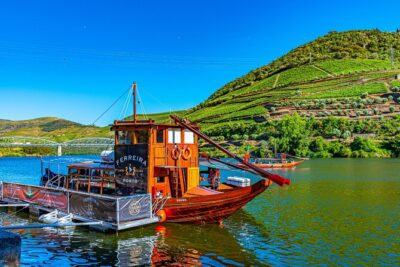
Douro Valley: Historical Sites, Wine Experience, Lunch & Cruise
Read our review →
Daytime or Sunset Boat Cruise with History and Wine
Read our review →
Private Tour of the Historic City in a Ford T Car
Read our review →
Browse the lists this tour appears in