
Reviewed · HISTORICAL TOURS
Queer Lisbon – A Treasure Hunt in LGBT History
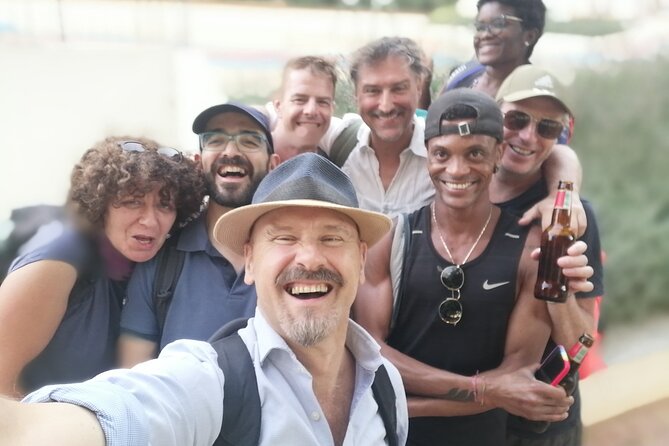
Lisbon can feel like a love story you never knew. This Queer Lisbon walk turns normal sightseeing into a guided treasure hunt through LGBT history, from Pride roots to legal breakthroughs and nightlife legends. I especially like how the tour is small-group and relaxed while still moving through a lot of ground, and I love the way the stories connect past and present queer Lisbon. One thing to consider: you will be on your feet for about 3.5 hours, so comfortable walking shoes matter.
What makes this tour worth your time is the focus. Instead of trying to cover every monument, it follows queer themes and landmarks, then hands you a ready-to-use PDF guide to keep exploring after the walk. It also ends in a real community space, Late Birds Hotel, where you can have a drink with your new friends. The big trade-off is that this is not a sit-down lecture, so if you want only indoor museums or zero walking, you might prefer a different kind of tour.
In This Review
- Key points
- Why a Queer Treasure Hunt Beats Standard Lisbon Sightseeing
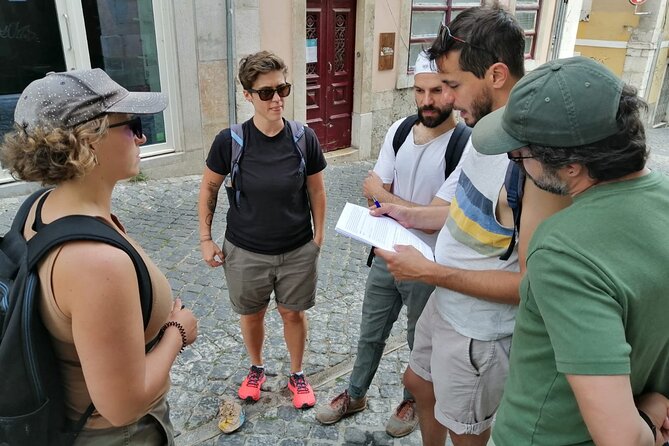
- Meeting in Principe Real, Then Walking Through LGBT Lisbon for 3.5 Hours
- Principe Real Gardens, Homophobia Memorial, Pride Energy, and a Health Story
- Dance Venues, Cruising History in the Botanical Garden, and Trumps Nightlife
- The Green Cat, Lisbon’s First Drag Bar, and the Bear Bars to Know
- Courts, Manifestos, Scandals, and Church Secrets That Explain the Big Shifts
- Women Who Broke Rules, Josephine Baker in Wartime, and Pessoa’s Reclaimed Love
- Getting Alex’s LONG LIST PDF, and Turning It Into Your Own Lisbon Plan
- Who This Tour Fits Best, and Who Might Prefer Another Style
- Should You Book Queer Lisbon, A Treasure Hunt in LGBT History?
- FAQ
- How long is the Queer Lisbon tour?
- Where does the tour start and where does it end?
- What time does the tour begin?
- Is this tour offered in English?
- What is the group size?
- What is included in the price?
- Are there admission fees for the stops?
- Do you need private transportation?
- Is there an age requirement?
- Is there a drink component, and what is the legal drinking age?
- What is the cancellation policy?
Key points
- Small-group pace with time to rest, ask questions, and go at a comfortable tempo
- Alex as a guide who brings stories alive and often answers questions in the moment
- Stops with meaning, from the Monument to Victims of Homophobia to the Constitutional Court
- Nightlife you can actually act on, with pointers to long-standing venues and what to look for
- A practical PDF guide (Alex’s LONG LIST) to plan your next nights and free stops
Why a Queer Treasure Hunt Beats Standard Lisbon Sightseeing

If you have only a few days in Lisbon, it is tempting to chase the classic highlights: viewpoints, tiles, churches, river views. This tour does something smarter. It uses those same streets, but it chooses a theme, queer Lisbon, and follows it block by block.
That focus changes everything. You start noticing details you would otherwise walk right past, like the way certain neighborhoods became safe enough for social life, and how power, policing, censorship, and law shaped what people could do and say. The walk also has a steady rhythm: short stops, quick context, then moving on to the next site. That keeps the tour lively without rushing you off to the next big ticket attraction.
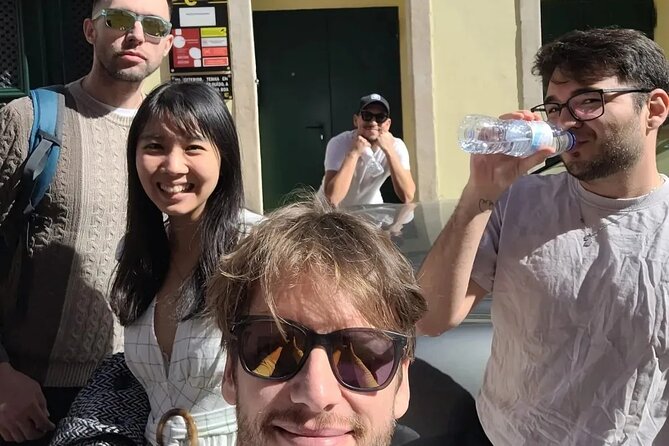
Two things I think you will feel right away. First, the atmosphere is laid back. People in a group of up to 15 are not getting herded. Second, the guide keeps it human, not just historical. You get anecdotes, scandals, and real place names, so the story lands in your body, not just in your head.
The main drawback is also the most practical one: you are doing a lot on foot. Most stops are very quick, often listed as free admission, which usually means you are looking at something from the outside or standing in a key spot for context. That is great for variety, but it does mean you need stamina for a 3.5-hour walk in Lisbon streets.
Other Lisbon plans worth comparing
- Lisbon: History, Stories and Lifestyle Walking Tour
★ 4.8 · 10,902 reviews - Lisbon: Daytime or Sunset Boat Cruise with History and Wine
★ 5.0 · 1,053 reviews - Explore Lisbon by Tuk Tuk: History and Viewpoints
★ 5.0 · 840 reviews
Meeting in Principe Real, Then Walking Through LGBT Lisbon for 3.5 Hours
The tour starts in Principe Real, at Praça do Príncipe Real, 1250-184 Lisboa. The start time is 10:00 am, and the experience runs about 3 hours 30 minutes. You meet near the playground area, so you can easily orient yourself before you head out.
This is offered in English with a maximum of 15 travelers. That matters. A smaller group lets you ask questions and get real answers, and it keeps the pace comfortable. The tour also notes moderate physical fitness, which is code for: expect walking, plus some standing during each story stop.
You will also find that the tour is built for public transit life. The meeting and ending points are in parts of Lisbon with good access, and you do not need private transport for the experience itself. It is a mobile ticket format, which is helpful if you do not want to juggle paper confirmations.
And yes, it ends in a place with a view and a vibe. The final stop is Late Birds Hotel, located at Tv. André Valente 25, 1200-236 Lisboa. That is where the tour shifts from street history to social time, with a pub-quiz style wrap-up and the option to relax with a drink.
Principe Real Gardens, Homophobia Memorial, Pride Energy, and a Health Story
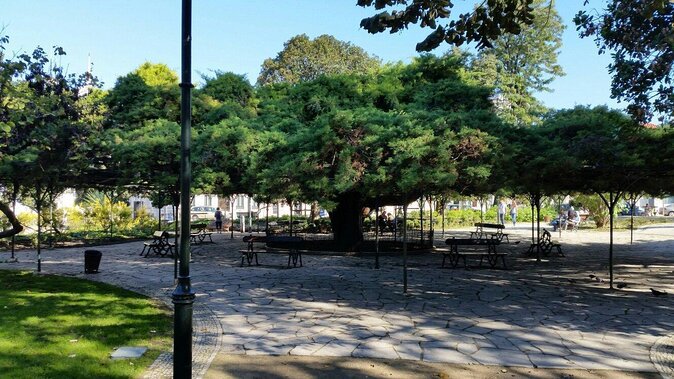
Your first leg takes you through Jardim do Principe Real, starting with introductions and then moving to the tour’s first sobering note. This is where you begin getting a framework for how Lisbon’s queer story is written into the city, including the moments when life was not safe.
At the garden area connected with the Monument to the victims of homophobia, the guide acknowledges what queer people endured. This stop is not just symbolic. It sets expectations for the tour tone: yes, you will hear joy and nightlife stories later, but you are also seeing how progress happened through struggle.
Then you move to Praca do Principe Real, a square tied to Lisbon Pride and the upcoming energy around EuroPride 2025. This is a smart storytelling pivot. It helps you understand why Pride matters, not as a one-day event, but as something rooted in place and community organizing.
Next comes GAT Checkpoint LX, focused on managing the HIV pandemic and the health support landscape. This stop adds a practical layer to a tour that could otherwise stay only in the past. You get essential health service info for queer men and women, and you learn about Lisbon’s success in managing HIV/AIDS.
I like this section because it covers three essentials you need for context. Safety and harm. Public visibility. Health and care. Together, they make the rest of the tour feel less like random nightlife facts and more like a coherent survival story.
Dance Venues, Cruising History in the Botanical Garden, and Trumps Nightlife

Once you leave the Pride and health stops behind, the tour leans into the social side of queer life. It does it in a way that still feels grounded in history.
At Construction Lisbon Club, you learn about a long-standing dance venue, plus stories connected to neighboring lesbian venues. The point here is not just where to party. It is how spaces for dancing and community became crucial, especially when social norms were hostile.
The next stop is Botanical Garden of Lisbon, and it gets specific about cruising in the 1950s. You hear about that old world of parks, “offending morals” fears, and how men tried to dodge police. That is the kind of story that can be uncomfortable, but it is also how you understand why certain outdoor places were charged with risk and possibility.
Then you reach Trumps, Lisbon’s largest queer nightclub, described as having two floors with different vibes and in operation since 1980. This is the kind of place you would never fully understand from outside alone. The tour gives you a reason to care about the layout, because it corresponds to the different energy levels people want in a night out.
If you plan your own evening, this section is useful. You leave knowing which clubs are long-running, not just trend-driven. That matters in Lisbon, where nightlife changes fast, but legacy venues tell you where community roots run deep.
One consideration: if you are sensitive to police, raids, or moral panic topics, the Botanical Garden stop may be the most intense part of the walking route. It is still short, but it has real weight.
In the same part of Portugal:
- Lisbon City Center Tour – The Unmissable Lisbon
★ 5.0 · 22,234 reviews - Lisbon: Sintra, Pena, Regaleira, Cabo da Roca & Cascais
★ 4.7 · 19,656 reviews - Lisbon Card: 24, 48, or 72-Hour Pass
★ 4.5 · 17,944 reviews - Lisbon: Jerónimos Monastery Entrance Ticket
★ 4.1 · 14,164 reviews
The Green Cat, Lisbon’s First Drag Bar, and the Bear Bars to Know
This section is where you start collecting names you can actually use later, like a personal shortlist of places tied to queer milestones.
In R. de Gustavo de Matos Sequeira 42, you learn about Lisbon’s first lesbian bar, O Gato Verde (The Green Cat), described as a Lisbon institution with lots of history. This stop is valuable because it anchors “queer nightlife” in a specific founding story, not a generic scene.
Then comes Praça das Flores 7, described as the location tied to Lisbon’s first drag bar. You hear about how the 1974 revolution gave more space for drag enthusiasm, followed by restrictions and setbacks. The guide also shares the rise and fall of Lisbon’s first drag queen, giving you a clear reminder that artistic expression has often been treated as political.
At Bar 106, you get a small interactive moment: you can leave a message for friends. That is a simple detail, but it makes the experience feel like more than sightseeing. You are participating in a community tradition, not just observing from the sidewalk.
After that, the tour moves into “where the bears are” territory, with Shelter Bar Lisboa (part 1) and Bar TR3S Lisboa (part 2). You learn about bear-focused nights, and you also get the bigger picture: bear pride energy linked to beach clubs, party nights, a sauna, and even sports sponsorship. Even if you do not identify with the bear scene, this still helps you map how queer subcultures form their own networks.
Finally, you hit Finalmente Club, described as the best and oldest drag in town, with different shows at different times. This is the stop that can save your trip. If you want to plan ahead for drag performances, you now have a place name tied to longevity and schedules, not guesswork.
One practical tip that comes from the way this segment is taught: when you see a venue name during the walk, write it down. Your brain will be full by stop 10, and Lisbon nightlife is a name game. This section gives you names worth tracking.
Courts, Manifestos, Scandals, and Church Secrets That Explain the Big Shifts
Now the tour zooms out. You move from clubs and bars into institutions and “how the rules changed.”
At the Constitutional Court, you hear about legal challenges and the long journey from dictatorship values toward constitutional protection for LGBTQ rights. This is a key stop because it explains why some queer freedoms feel like they arrived suddenly, even though the groundwork was years of pressure and court battles.
Then you head to R. Luz Soriano 44, tied to a “Long Live Homosexuality” manifesto. You learn about early steps being suppressed and later success. I like that the tour treats manifestos as living documents in public space, not just history books you skim and forget.
Next is R. do Trombeta 10, where the story goes from love-nests to luxury apartments and modern saunas. You also hear the steamy scandal of the Two Fernandes in the 19th century. This stop is a reminder that social morality often targeted queer people, but it also failed to erase desire. The result is messy layers of past and present built into the same street.
At Purex, the tour shifts back to the night. It is described as a dance floor for everyone, run by women, with details like vagina jewelry. That is a good example of how queer spaces often build their own style codes, not just their own dance floors.
By now, you have a pattern. The tour keeps pairing social joy with systems of control. It is not just “and then nightlife happened.” It is “here is how power tried to limit people, and here is how people kept making community anyway.”
Women Who Broke Rules, Josephine Baker in Wartime, and Pessoa’s Reclaimed Love
The last stretch reads like a story collection, but in real street locations.
At Maria Caxuxa, you learn about a woman who confounded conventions and dismissed nosey journalists in the 1940s. This is important because queer history is often told as only male-centered, but this tour uses women and gender nonconforming stories as drivers.
Then Tv. da Espera 50 brings a 19th-century scandal involving the Marquis of Valada who was reportedly naked in the arms of a common soldier. The story touches disgraced politicians, political blackmail, and eventual survival. It is dramatic, but it also shows how sexuality, class, and politics often collided.
At Teatro da Trindade, the stop connects to Josephine Baker. You hear about her as a bisexual jazz legend who dodged secret police and spying in wartime Lisbon. The framing here is clever: it does not treat Baker as a distant celebrity only, but as someone moving through Lisbon with risk and strategy.
In R. da Misericórdia 125, the tour focuses on queer fiction, censorship, and compromised censors, tied to the theme of women in love but not with men. It is a reminder that suppression was not only about arrests and police. It was also about controlling stories.
Then comes the heavy finale in Igreja de Sao Roque, with the Portuguese Inquisition providing a window into queer history, including sex in church, lesbian nuns, a demonic penis, and a trans love story preserved across centuries. This stop is longer than the others, and it sets a solemn tone for the route’s closing.
Finally, you reach Hospital St. Louis, connected with Fernand Pessoa and the line about loving because love is love. Pessoa is framed as a writer whose gay writing is reclaimed and recognized.
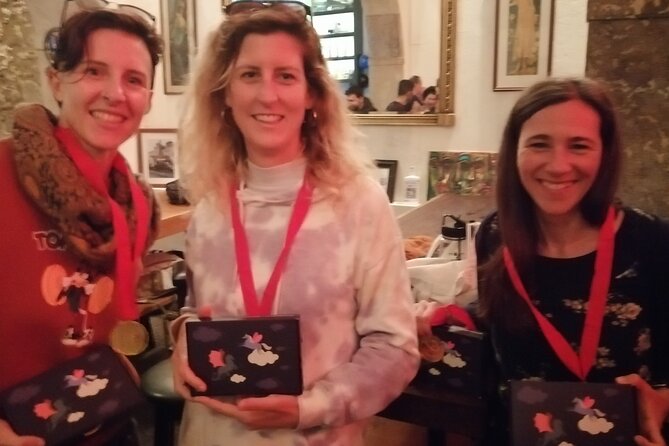
You end at Late Birds Hotel at Tv. André Valente 25, where the group meets for a final hang. The tour includes a pub-quiz with prizes, and there is even a note about bringing a swimming costume if the weather works out for pool time. It is a fitting end, because after all the historical pressure, you finish in a social space built for acceptance.
Getting Alex’s LONG LIST PDF, and Turning It Into Your Own Lisbon Plan
One of the best “value” parts of this tour is what you leave with. You get a PDF guide called Alex’s LONG LIST, described as an updated guide to LGBTQ Lisbon. It is normally listed as 15 Euros, so even before you count the walking tour itself, you are getting a ready-made local planning tool.
In practical terms, a PDF matters because it helps you keep your trip moving after the tour ends. It is easy to remember one or two bar names, then forget the rest once you are hungry, tired, and distracted by Lisbon streets. This guide turns the tour into a longer stay plan.
What you can do right away:
- Pick one venue category from what you learned, like drag, bears, or dance nights
- Use the PDF for follow-up research on places mentioned during the walk
- Plan your next day around nearby areas the tour points out, rather than starting from scratch
This is also where the guide’s storytelling turns into usefulness. When you hear a place name with context, you understand what to look for when you arrive. That means you are not just “going out,” you are reading the city in real time.
Who This Tour Fits Best, and Who Might Prefer Another Style
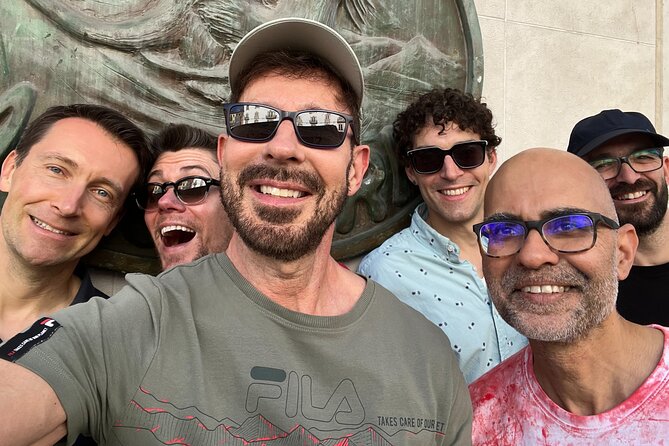
This experience fits best if you want queer history plus street-level Lisbon in one afternoon. It is also ideal if you want a smaller group. A group of up to 15 keeps things social, and you will likely form quick connections, especially with the finish at Late Birds Hotel.
It is also a solid choice for people who like questions. The guide is interactive, and the pacing includes time to rest and ask what you actually care about, not just what the route requires.
A couple of practical fit notes:
- Age: 16+
- Language: English
- Walking: moderate fitness level suggested
- Legal drinking age: 18+ for the drink element, since the final stop is a lounge/bar
If you only want broad “top attractions” without focusing on queer themes, this will feel narrower than you expected. If you want a museum-heavy day, this tour leans street-based and story-based. Still, that is also what makes it memorable.
Should You Book Queer Lisbon, A Treasure Hunt in LGBT History?
I would book this tour if you want Lisbon that actually connects dots, not just postcards. The route covers Pride, legal change, health, and nightlife, and it does it with short stops that keep your energy up. The biggest reason it earns a high rating is how the guide, Alex, turns information into story and still leaves space for questions.
Book it if you like meeting new people and ending with a relaxed hang. Late Birds Hotel is a nice landing pad, and the pub-quiz format makes it easy to bond without forced small talk.
I would hesitate only if you dislike walking or if you prefer purely indoor, quiet experiences. Otherwise, for 60-ish dollars and about 3.5 hours, you get a focused way to understand why queer Lisbon feels both historical and alive.
FAQ
How long is the Queer Lisbon tour?
It runs about 3 hours 30 minutes, with short stops along the route.
Where does the tour start and where does it end?
It starts at Praça do Príncipe Real, 1250-184 Lisboa, Portugal and ends at Tv. André Valente 25, 1200-236 Lisboa, where Late Birds Hotel is located.
What time does the tour begin?
The start time is 10:00 am.
Is this tour offered in English?
Yes, the tour is offered in English.
What is the group size?
The tour has a maximum of 15 travelers.
What is included in the price?
You get fun stories about Lisbon’s queer history, modern scene discovery while walking, group time ending at a gay hotel lounge, and a PDF copy of Alex’s LONG LIST, normally priced at 15 Euros.
Are there admission fees for the stops?
Each listed stop notes admission ticket free, so you should not need separate paid tickets to visit the sites during the walk.
Do you need private transportation?
No. Private transportation is not included, which fits the fact that the tour is done on foot.
Is there an age requirement?
You must be 16+ to book.
Is there a drink component, and what is the legal drinking age?
You finish at Late Birds Hotel and can have a drink, but the legal drinking age is 18+.
What is the cancellation policy?
Free cancellation is available, and you can cancel up to 24 hours in advance for a full refund.
Just added around Lisbon
- Morning Sailing Tour in Tagus River from Lisbon★ 5.0 · 68 reviews
- Private Half Day – The Majestic Pena Palace & Sintra★ 5.0 · 90 reviews
- Lisbon Private 3 hours tour★ 4.5 · 33 reviews
- PRIVATE Unforgettable Full Day Tour to Sintra from Lisbon★ 5.0 · 236 reviews
- Lisbon: Catamaran Luxury Sunset and Wine Tour★ 5.0 · 119 reviews
- Lisbon’s authentic Food and Wine tour with a Winemaker★ 5.0 · 67 reviews
- Sesimbra Wild Beach Tour from Lisbon★ 5.0 · 57 reviews
- Private Jeep Tour from Lisbon – Arrábida, Sesimbra & Beach Picnic★ 5.0 · 48 reviews
Historical Tours, compared.

Douro Valley: Historical Sites, Wine Experience, Lunch & Cruise
Read our review →


Daytime or Sunset Boat Cruise with History and Wine
Read our review →
Private Tour of the Historic City in a Ford T Car
Read our review →
Browse the lists this tour appears in