
Reviewed · COIMBRA TOURS & ACTIVITIES
Schist Villages at Lousa Mountain
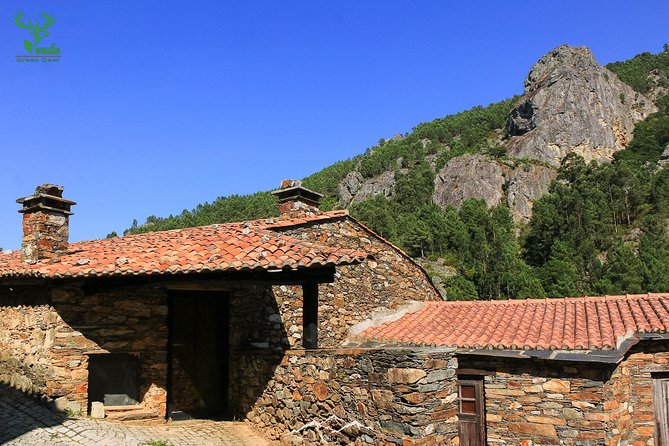
Slate villages, steep roads, and quiet mountain air. This tour turns a day trip from Coimbra into a slow, scenic crawl through restored schist villages on the Lousã Mountain, with time for walking and photo stops along the way. If you get the guide I kept hearing about, Alfredo, you also get an added layer of village history plus sharp eyes for what’s living out there in the hills.
I really like the pacing here because you are not just dropped at viewpoints, you get structured stops and then breathing room to wander each hamlet. I also like the small-group feel, with a maximum of 10 people per booking, plus optional hotel pickup and a professional photographer guide who includes one souvenir photo.
The main thing to think about is that this is not a flat stroll. Expect steps, steep slopes, and unpaved mountain roads, and even though the tour operates in all weather, you will want the right shoes and a flexible attitude.
In This Review
- Key highlights that actually matter
- Coimbra to Lousã Mountain: how the day gets rolling
- Cerdeira: a fantasy-feeling entrance and spring-side paths
- Candal: the more developed village where mountain life shows up
- Aldeia do Talasnal: restored schist charm and details worth slowing for
- Casal Novo: you might miss it if you are not paying attention
- Aldeia de Gondramaz: fully restored schist and a coffee break on the slope
- Aldeias do Xisto hike: Cadaval Cimeiro and Cadaval Fundeiro
- Full-day upgrade: Aigra Velha and Aigra Nova bring higher-altitude calm
- Pena: schist meets quartzite, plus a chestnut at the entrance
- What the guide brings: Alfredos role in making this feel personal
- Comfort and prep: steps, weather, and the real footwear test
- Value check: what $102.80 buys you for a half-day Coimbra escape
- Should you book the Schist Villages at Lousã Mountain tour?
- FAQ
- How long is the Schist Villages at Lousã Mountain tour?
- What tour options are available, half-day and full-day?
- Where does the tour start and end?
- Is hotel pickup included?
- What is included in the price?
- Are meals and drinks included?
- What group size should I expect?
- Does the tour run in bad weather?
- Can you bring service animals?
Key highlights that actually matter
- Off-road mountain driving on steep, unpaved roads, so you see the real terrain, not just the view from a bus stop
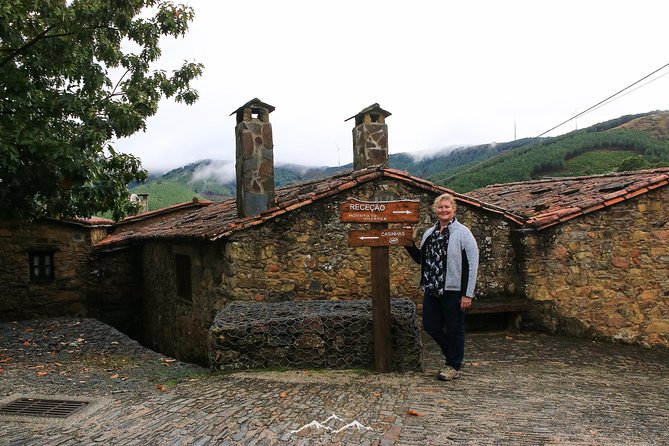
- Restoration-focused village visits across multiple schist villages, including places at different stages of renewal
- Guided time with freedom to wander, so you can ask questions or slow down for photos without the whole group rushing you
- A guide who connects past and present, including how people live and work in these communities now
- Full-day extras for higher-altitude villages, including Aigra Velha, Aigra Nova, and Pena on the longer loop
- Binoculars and one souvenir photo included, so you can do both close-up nature watching and classic postcard shots
Coimbra to Lousã Mountain: how the day gets rolling
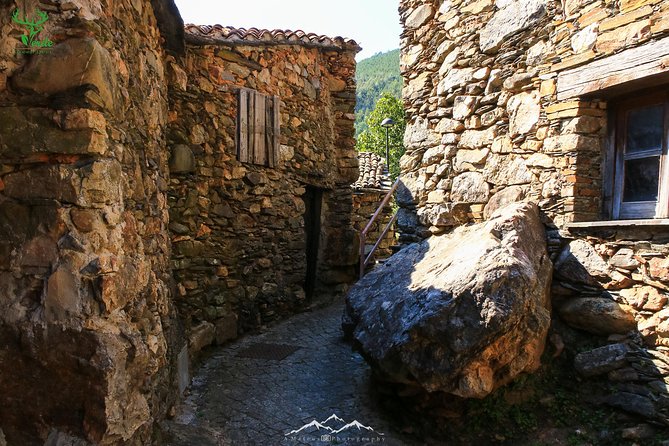
Most people start at Largo da Portagem in Coimbra, and the tour returns you there. If you prefer not to deal with getting up and out of the city, hotel pickup is available for an additional fee (listed as 10€ to 20€) as long as parking is possible. Pickup can also work from parts of Lousã, Miranda do Corvo, Condeixa-a-Nova, and Penela, and you can even request pickup from other locations for the same extra fee.
This is a private tour in the sense that it is only your group, with a maximum of 10 people per booking. That matters because the Lousã region is not a place where you want everyone sprinting from stop to stop. The operator also states you can alter the schedule or pace of the tour to suit your group, which is a big deal if someone in your party needs more time on slower village streets.
The driving is part of the experience. Multiple reviews point out that once you enter the mountain areas, roads can be steep and unpaved, with no rails. That is exciting if you like adventure, and it is a consideration if your comfort level with off-road driving is low. Either way, bring the mindset that you are traveling through the terrain, not just looking at it.
Other Coimbra plans worth comparing
- Coimbra: Live Fado Show with Glass of Port Wine
★ 4.7 · 998 reviews - Fátima and Coimbra Full-Day Tour from Porto
★ 4.8 · 696 reviews - University of Coimbra guided tours without queue
★ 5.0 · 518 reviews
Cerdeira: a fantasy-feeling entrance and spring-side paths
Cerdeira is one of those places where the village almost hides, then appears through foliage and stone pathways. At the entrance, there is a small bridge and a handful of houses that feel like a set from a storybook. The stonework matters here, because you are walking over slate paths that guide you toward a spring tucked into lush vegetation.
What I like about a stop like this is the contrast. You are not only seeing architecture, you are seeing how people shape daily life into the land. Cerdeira also gets special attention for art and botany events during certain times of the year, which means the village can feel quietly “alive” rather than frozen in time.
Practical note: the streets and paths can mean frequent steps and changes in elevation. Dress for hiking comfort, not city-sneakers glamour. This is also a spot where you will want a camera ready, because the village entrances and spring path viewpoints tend to look best without rushing.
Candal: the more developed village where mountain life shows up
Candal is the village that feels the most accessible and, for many visitors, the most familiar. Because of its connection to the national highway, it tends to be the most developed and the most visited of the mountain villages.
That is not a bad thing. It usually means you will see more signs of everyday village rhythm, including how locals handle weekends and holiday visitors. You also get a different feel from Cerdeira. Where Cerdeira can feel romantic and delicate, Candal can feel social and practical.
If you want an easy rhythm in the middle of the hike-heavy day, Candal is often that reset moment. It is short on the schedule, but it is useful because it gives your legs a change in pace before the next restored-stone stop.
Aldeia do Talasnal: restored schist charm and details worth slowing for
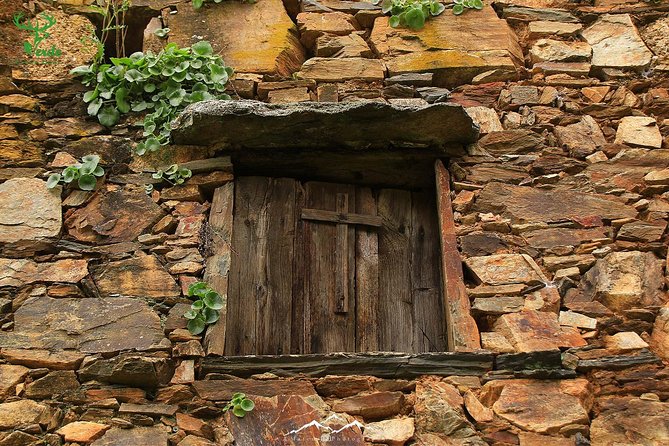
Aldeia do Talasnal is one of the best-known and most visible schist villages in the Lousã area. Here, nature does not just frame the village, it works with it. The big story is the restoration of the houses and the details that show up when buildings are repaired with care rather than replaced.
This is the kind of stop where you will want to linger. The village layout can mean you climb and descend frequently, but those steps are part of what makes it atmospheric. The mouth-to-mouth effect described in the village intro makes sense, because once you start walking the lanes, it is hard not to keep exploring one doorway and stone wall after another.
If you enjoy architecture that looks like it has evolved over time, Talasnal is a high payoff stop. If you hate steps, treat this as the place to take breaks and pause for photos more often than you would on flatter tours.
In the same part of Portugal:
- Guided tour of the University and city of Coimbra.
★ 5.0 · 377 reviews - Coimbra: Mondego River Kayaking Tour
★ 4.7 · 324 reviews - Aveiro & Coimbra Small Group Tour with Moliceiro Boat Cruise
★ 4.7 · 254 reviews - Coimbra’s Timeless Tracks: An Enchanting Train Tour
★ 3.8 · 224 reviews
Casal Novo: you might miss it if you are not paying attention
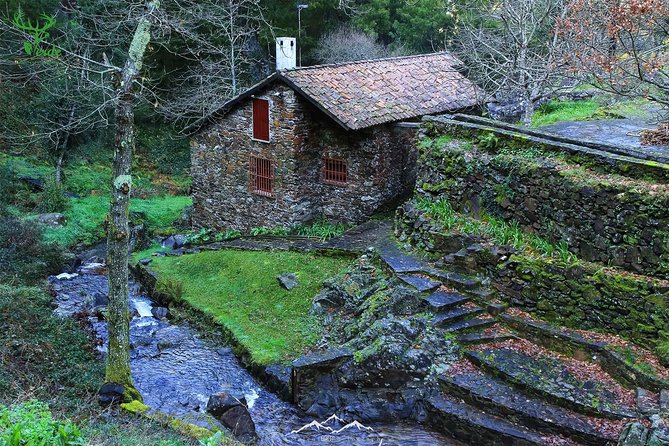
Passing along an unpaved road, Casal Novo can almost slip by. The village sits in a fold on the north-facing hillside, and the surrounding woodland hides its outline.
That is exactly why it is a worthwhile stop. It forces you to look for the village rather than treating it like a destination that shouts. And since this tour includes off-road driving, you get the chance to see how these settlements actually relate to forests and slopes.
Give yourself permission to slow down here. Even if this stop feels quick, it gives context for the bigger theme of the day: these villages were built to work with steep terrain, not to avoid it.
Aldeia de Gondramaz: fully restored schist and a coffee break on the slope
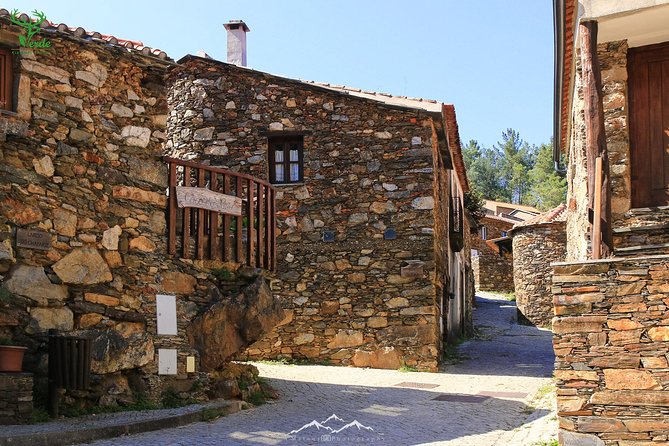
Aldeia de Gondramaz is described as a completely restored shale village, with around 50 houses. It also has a tourist resort vibe, so you tend to get a more comfortable place to rest, regroup, and enjoy the village without feeling like you are rushing through private home zones.
You will have coffee here, which is a practical gift on a day that includes hiking between stops. Coffee time also helps you reset your pace. When your legs are tired, it is easier to stay engaged if you have a small moment of comfort.
This is a good stop for photos too. The restoration level makes the stone textures easier to read from different angles, and the hillside setting keeps the views interesting even when the walk is short.
Aldeias do Xisto hike: Cadaval Cimeiro and Cadaval Fundeiro
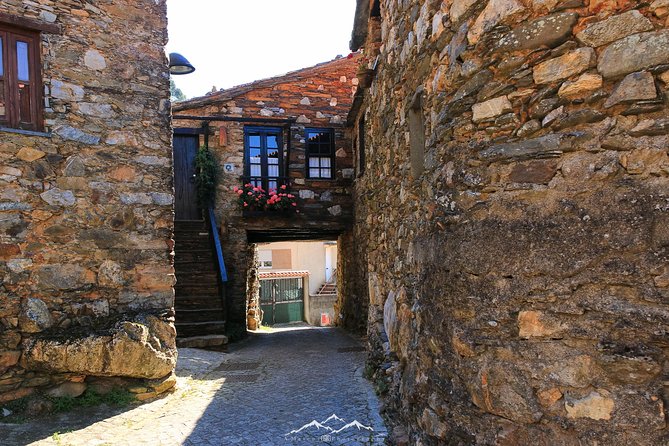
The tour takes you to Aldeias do Xisto, including Cadaval Cimeiro and Cadaval Fundeiro, two abandoned shale villages. These places burned twice in the 1980s, and that history affects the mood of the walk.
The hike here is between the two villages. This is where “off-roading plus hiking” turns into real effort. Expect uneven footing and steps, and plan to go slower than you think you should. If you are the type who enjoys trails as a way to slow down and look at plants, stone textures, and the way the villages sit in the valley, this part tends to be a favorite.
One way to make this section work for you is to use the binoculars included with the tour. Even if you do not find wildlife, they encourage you to scan the hillsides rather than just watching your footing.
Full-day upgrade: Aigra Velha and Aigra Nova bring higher-altitude calm
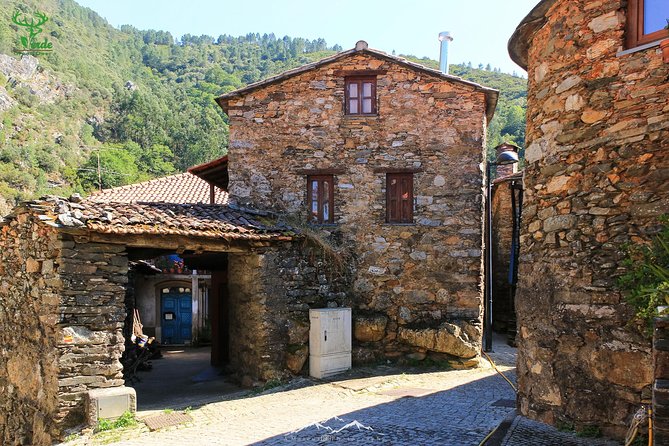
On the full-day tour, you go higher. Aigra Velha is the highest altitude schist village on this route, at about 770 meters near the summits of the Lousã Mountain. It is a small village, but the wide views are a big part of the point.
What stands out is the simplicity of life here, described as following the natural cycle. That means the village feels less performative and more tied to the land. If you want a quieter, more open-feeling village experience, Aigra Velha tends to fit the bill.
Next is Aigra Nova, a smaller village with three small streets and low schist buildings. It benefits from springs and a mild climate that support agriculture and broad pastures. The village has market gardens, livestock, and donkeys, plus other activities that can surprise you.
If you can do only the half-day, you may miss these higher-altitude villages. If your schedule allows it, the full-day loop is the best way to see how the Lousã communities change as altitude and exposure change.
Pena: schist meets quartzite, plus a chestnut at the entrance
Pena is another full-day-only village stop. The construction here is a combination of schist and quartzite, and there is a centuries-old chestnut guarding the entrance. That chestnut is a real “you are here” landmark, and it gives Pena a sense of arrival.
The topography shapes the village. It develops along a promontory, so the houses appear to defy balance and gravity. That sounds dramatic, and it is. When you stand in certain spots, the architecture plus slope makes the village feel like it is clinging to the mountain in the most practical way possible.
Pena also takes advantage of clear stream waters, and the Penedos de Góis nearby add a bit of adventure for the daring. Even if you do not go far beyond the village, the idea of water, stone, and steep terrain working together is the best takeaway from this stop.
What the guide brings: Alfredos role in making this feel personal
One name keeps showing up in the glowing feedback: Alfredo, described as patient, friendly, and genuinely connected to the places he shows. That matters, because in schist villages, the beauty is obvious. What is not obvious is the why, and the guide’s job is to connect your photos to real context.
The best guide experience here includes:
- explaining village restoration and what it means for communities now
- pointing out plants, trees, and animals
- spotting wildlife from roadside locations
- keeping the day calm, with room for your group’s questions and slow wandering
More than once, people mention Alfredo spotting a large deer in the forest and also driving in a way that felt safe on steep mountain roads. That combination, plus a relaxed pace, is why this tour tends to feel restorative rather than exhausting.
Also, the tour includes binoculars and a professional photographer guide who provides one souvenir photo. Even if you are not a serious photographer, it nudges you to look closely, not just snap quickly.
Comfort and prep: steps, weather, and the real footwear test
This tour operates in all weather conditions, so you will need to dress for mountains, not for central Coimbra. The good news is that the itinerary is built around short village visits, coffee, and a mix of drive plus walking, so you can usually manage comfort if you plan for uneven ground.
You should prepare for:
- steps up and down in multiple villages
- steep, unpaved roads during transfers
- uneven surfaces on short walks
Wear shoes with grip. Bring a light layer in case the mountain air feels cooler than the city. And if you tend to feel stressed by off-road driving, say something early. Since it is a private tour for your group, the operator states you can adjust the pace and schedule to fit you.
One more practical point: meals are not automatically included. Lunch or dinner may be part of the itinerary, but only as optional meals labeled on the schedule, and those meals are paid separately on site. Plan for coffee during the day, but keep a budget for food once you are out there.
Value check: what $102.80 buys you for a half-day Coimbra escape
At $102.80 per person, this tour is not a budget bus ride. So here is how I think about value.
You are paying for:
- a guide who covers both village history and present-day life
- a private-vehicle route that reaches multiple small hamlets
- included extras like binoculars and a souvenir photo
- a structured itinerary that balances driving with time to explore
You also get optional hotel pickup, plus the tour is frequently booked ahead (on average 40 days). That is usually a sign demand is real, not just marketing.
If you like photography, the photographer component and included souvenir photo add real tangible value. If you like hiking but do not want a full-day slog, the half-day can be a perfect hit of mountain villages. And if you want the bigger altitude and Pena experience, the full-day format is the way to maximize what the region offers.
Should you book the Schist Villages at Lousã Mountain tour?
Book it if you want a break from Coimbra city streets and you like villages with real physical character, not just viewpoints. Book it if you want time to wander restored stone lanes with a guide who can connect the stories to what you see. And if you are doing this trip in a short window, the private format with hotel pickup options and a smooth loop of stops makes it easy to justify.
Skip it or reconsider the timing if steps and steep uneven ground are a deal-breaker for you. Also take the off-road driving seriously in your planning, because you are going onto steep, unpaved roads.
If you want something different, this is one of the most satisfying ways to understand the Lousã area in just a few hours. In my opinion, it turns a day trip into a memory you can smell, touch, and photograph, not just look at.
FAQ
How long is the Schist Villages at Lousã Mountain tour?
The tour duration is about 4 hours on average.
What tour options are available, half-day and full-day?
The experience offers a choice of a half-day tour or a full-day tour.
Where does the tour start and end?
The tour starts at Largo da Portagem, 3000-337 Coimbra, Portugal, and it ends back at the same meeting point.
Is hotel pickup included?
Hotel pickup is included only if you select the pickup option. Pickup is offered from many hotels in central Coimbra and also from Lousã, Miranda do Corvo, Condeixa-a-Nova, and Penela if parking is available, and pickups from other locations are possible for an additional fee.
What is included in the price?
The included items list covers all activities, the driver/guide, one souvenir photo, hotel pickup and drop-off if selected, professional photographer guide, private-vehicle transport, and binoculars. Meals are listed as optional and paid separately on site unless specified.
Are meals and drinks included?
Food and drinks are not included unless specified. Meals labeled on the itinerary (lunch or dinner) are optional and are paid separately on site.
What group size should I expect?
The maximum is 10 people per booking, and it is described as a private tour/activity where only your group participates.
Does the tour run in bad weather?
The tour operates in all weather conditions, and it is also stated that it requires good weather. If it is canceled due to poor weather, you will be offered a different date or a full refund.
Can you bring service animals?
Service animals are allowed.
Just added around Coimbra
- Soft Canyoning, river Ceira, Góis, Serra da Lousa, Coimbra★ 5.0 · 48 reviews
- From Lisbon: Sanctuary of Fatima and Roman city Conimbriga★ 4.5 · 20 reviews
- Time travel at the Convent of Christ Tomar★ 5.0 · 56 reviews
- Lousa Mountain Private Tour★ 5.0 · 88 reviews
- Coimbra’s Historical Highlights: A Self-Guided Audio Tour★ 5.0 · 22 reviews
- The Magnetism of Fatima★ 5.0 · 25 reviews
- Tomar: Private walking tour to Convent of Christ w/ tickets★ 5.0 · 18 reviews
- All of Tomar’s history and loads of fun.★ 5.0 · 39 reviews
Coimbra Tours & Activities, compared.



University of Coimbra guided tours without queue
Read our review →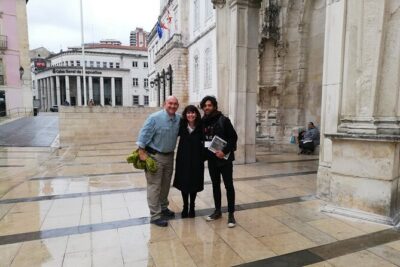
Guided tour of the University and city of Coimbra.
Read our review →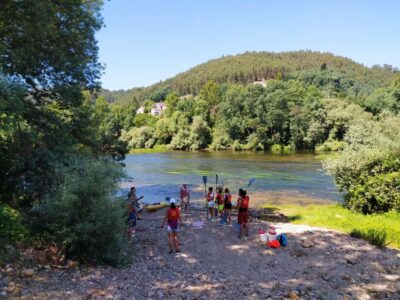
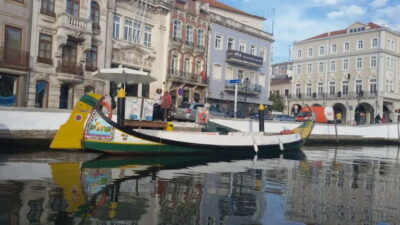
Aveiro & Coimbra Small Group Tour with Moliceiro Boat Cruise
Read our review →Coimbra’s Timeless Tracks: An Enchanting Train Tour
Read our review →
Browse the lists this tour appears in