Reviewed · LISBON TOURS & ACTIVITIES
The Portuguese Tiles
Lisbon tiles are never just decoration. On the Portuguese Tiles walk, you get a guided route through the places where blue-and-white azulejos and other ceramic styles grew up and still live today.
What I like most is how the tour uses real buildings instead of random photo stops, so you can see the tile in its proper setting. I also love that the group stays small, up to 9 people, which means easier questions and a guide who can slow down when needed.
One thing to consider: it is a steady walking pace for about 3 hours 30 minutes, with lots of short stops. If you prefer long museum time, you may want a longer, slower day with fewer locations.
In This Review
- Key highlights you should know before you go
- How Portuguese Tiles in Lisbon Really Work
- Price and timing, and why this is good value
- The walking route and how to stay comfortable (especially in rain)
- Your 10-stop route, from tile origins to tile factories
- Stop 1: Casa do Alentejo, history inside and Moorish mood outside
- Stop 2: Convento de São Pedro de Alcântara, where blue-and-white begins
- Stop 3: Igreja de São Roque, in-situ 16th-century panels
- Stop 4: Trindade, the tile-covered brewery
- Stop 5: Largo Rafael Bordalo Pinheiro, a tiled facade with Masonic motifs
- Stop 6: Livraria Bertrand in Chiado, a bookstore facade built in tiles
- Stop 7: Alcôa, pastry culture plus a 20th-century ceramic connection
- Stop 8: Praça Dom Pedro IV, a major square to anchor the morning
- Stop 9: Viuva Lamego, the tile factory story in a showroom setting
- Stop 10: Rua da Misericórdia, a store that feels like a tile museum
- What you’ll learn beyond tile spotting
- Who this tour suits, and who might want a different style
- Should you book Portuguese Tiles in Lisbon?
- FAQ
- Where does the tour start?
- What time does it start?
- How long is the tour?
- How much does it cost?
- Is the tour offered in English?
- How many people are in the group?
- Are tickets included for the stops?
- Is there a mobile ticket?
- What happens if the weather is poor?
- What is the cancellation policy?
Key highlights you should know before you go
- Moorish to Portuguese tile evolution explained through the actual churches and facades
- Convento de São Pedro de Alcântara for early blue-and-white tile examples
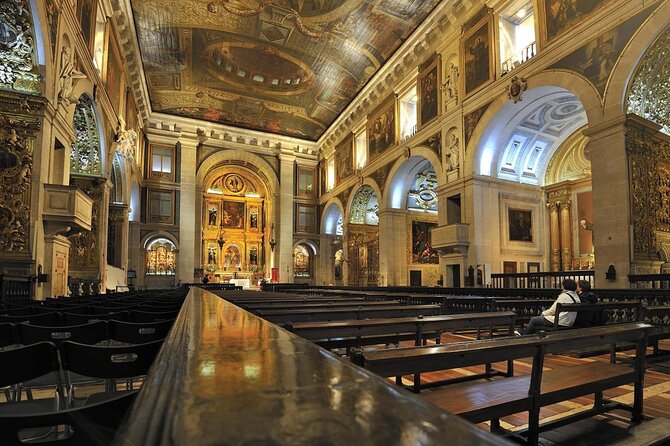
- Igreja de São Roque for in-situ 16th-century panels marking a turning point
- Trindade for a brewery covered with 19th-century tiles
- Livraria Bertrand and Alcôa so the tour mixes art with Lisbon everyday life
- Max 9 travelers for real interaction with the guide, especially in bad weather
How Portuguese Tiles in Lisbon Really Work
Lisbon is famous for tiles, but the real magic is how the city uses them like a visual language. On this tour, you learn to read them by age, style, and influence, not just by color.
The guide also connects tiles to the big story of Lisbon itself. You’ll hear how different communities shaped the city over time, and how later historical moments, including the 1755 earthquake and the 1974 shift to democracy, fit into the larger cultural picture.
This matters because it changes how you look at Lisbon after the tour. Tiles stop being a souvenir idea and become a map of history you can spot street by street.
Other Lisbon plans worth comparing
- Lisbon City Center Tour – The Unmissable Lisbon
★ 5.0 · 22,234 reviews - Lisbon: Sintra, Pena, Regaleira, Cabo da Roca & Cascais
★ 4.7 · 19,656 reviews - Lisbon Card: 24, 48, or 72-Hour Pass
★ 4.5 · 17,944 reviews
Price and timing, and why this is good value
The price is $60.24 per person for about 3 hours 30 minutes. That sounds like a lot until you realize you’re paying for guided interpretation plus a route that hits multiple tile heavy sites in one morning.
Here’s the value angle that matters: most stops have free admission tickets, and the one exception is Viuva Lamego, where admission is included. So you aren’t paying separately for every location while you’re still trying to understand what you’re seeing.
Also, this tour is in English, starts at 10:00 am, and caps at 9 travelers. It’s the kind of group size where you’re not just following like a line of sheep. You can ask why one wall looks different from another, and the guide can adjust if you need a slower pace.
One practical note: it’s typically booked about 37 days in advance. If you travel in peak season, I’d plan to reserve early so you have more time options.
The walking route and how to stay comfortable (especially in rain)
The schedule moves in quick bursts, with stops ranging from about 5 to 20 minutes. That can feel efficient, but it also means you need comfortable shoes and a rain plan.
The guide, Miguel Cardoso, is specifically praised for being thoughtful and patient with pacing. In wet weather, he suggested options and stayed focused on safety, including being careful about slipping. If the forecast looks rough, it’s smart to wear grippy soles and bring a small umbrella.
You’ll also want a light snack mindset. Some guides naturally build in small breaks, and you may get a stop for a quick bite like a cod cake and a drink such as Super Bock, with a non-alcoholic option available. Even if you don’t choose food, having that rhythm helps keep your legs fresh for the later tile stops.
Your 10-stop route, from tile origins to tile factories
This is the part that makes the tour worth it. You’re not just seeing “pretty walls.” You’re seeing tile styles connected to place, function, and time.
In the same part of Portugal:
- Lisbon: Jerónimos Monastery Entrance Ticket
★ 4.1 · 14,164 reviews - Lisbon: History, Stories and Lifestyle Walking Tour
★ 4.8 · 10,902 reviews - Lisbon: Sunset Boat Party Cruise with DJ and Open Bar
★ 4.5 · 10,378 reviews - Lisbon: Sintra, Pena, Regaleira, Cabo da Roca, and Cascais
★ 4.7 · 10,147 reviews
Stop 1: Casa do Alentejo, history inside and Moorish mood outside
You begin at Casa do Alentejo, a building full of layers. It used to be an aristocratic house, then was remodeled in the 19th century to house Lisbon’s first casino, and the décor includes Moorish influence that matches the romantic style of that era.
What to look for here: how the tile feel fits the building mood. Even early on, the tour sets up the idea that tiles aren’t random, they reflect who had power, money, and taste.
A possible downside: this stop is brief, about 10 minutes. If you want to linger, you’ll likely need to come back later on your own.
Stop 2: Convento de São Pedro de Alcântara, where blue-and-white begins
At the church of São Pedro de Alcântara, you’ll see early steps in the famous Portuguese tile story. This church is tied to the beginnings of the blue-and-white tile style in Portugal, with tiles from the end of the 17th century into the early 18th century.
Why it’s special: you can actually trace the development rather than treating blue-and-white like it simply appeared fully formed. You’ll learn what changes as tile traditions move toward a distinct Portuguese look.
Again, the stop is about 15 minutes. It’s enough to see the key panels and get the interpretation, but not long enough to do a slow art-history reading session.
Stop 3: Igreja de São Roque, in-situ 16th-century panels
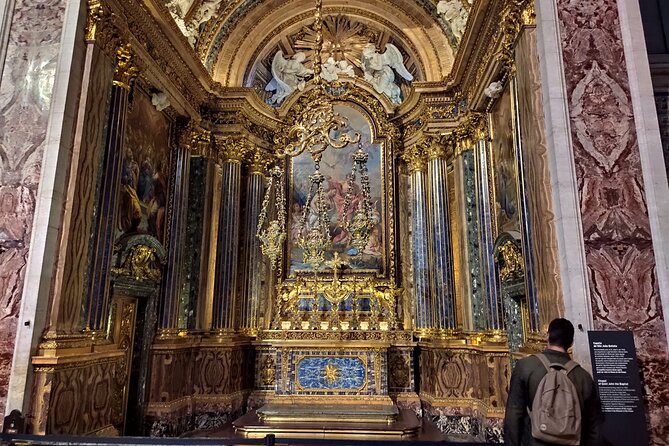
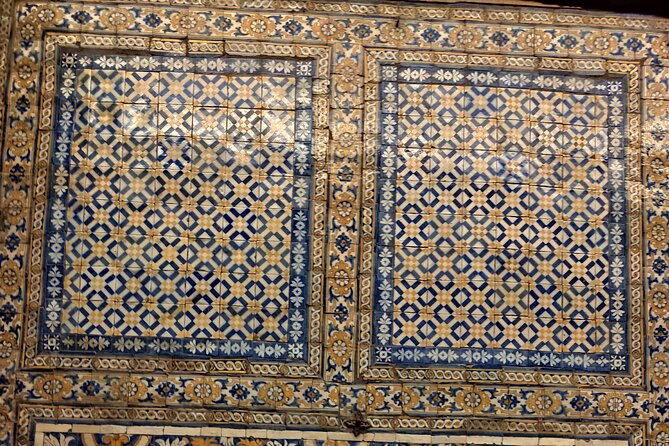
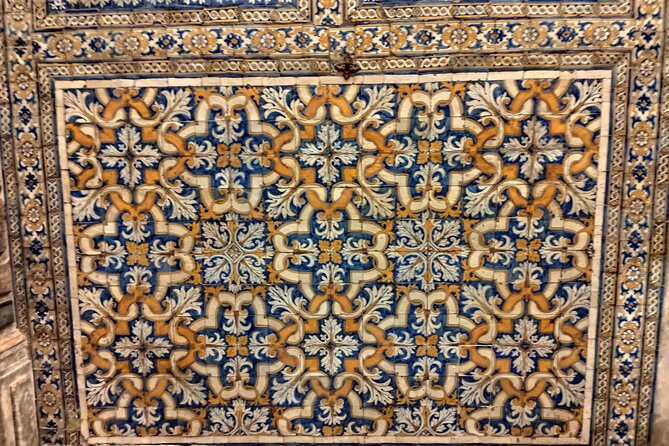
São Roque is where the tour starts feeling like a time machine. The church has tile panels that are among the oldest in Lisbon, installed in place, with signed 16th-century work that marks a transition from Moorish tradition toward a more Portuguese tile identity.
What you learn to do: notice the difference between styles without needing to memorize dates. The guide helps you recognize the transition points, so the next church and storefront you visit later on your trip feels easier to understand.
Possible drawback: if you’re tired from walking, churches can feel a bit still and cool. Take a breath, and focus on the panel details the guide points out.
Stop 4: Trindade, the tile-covered brewery
Trindade is the oldest brewery in town, and it’s covered with 19th-century tiles. This is the fun contrast to the churches and palaces, because it shows tiles doing something practical, decorating a working space.
Why it helps: it breaks the illusion that tiles belong only in elite religious settings. Tiles also show up where everyday life happens.
The stop is short, about 5 minutes. Think of it as a quick “wow” moment before you move on to the next cluster.
Stop 5: Largo Rafael Bordalo Pinheiro, a tiled facade with Masonic motifs
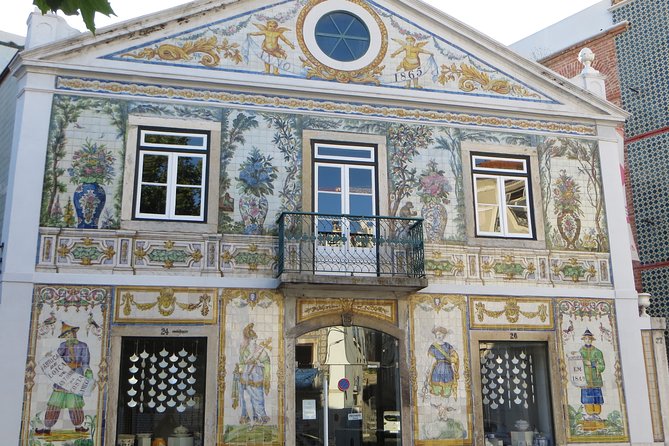
At Largo Rafael Bordalo Pinheiro you’ll appreciate a 19th-century tile facade with Masonic motifs. The guide also explains the history of the person behind the iconic facade.
What to watch for: symbolic tile patterns. Once you understand the references the guide shares, that facade becomes much more than a decorative picture.
Stop time is about 5 minutes. Like Trindade, this is a quick hit, so your brain needs to stay switched on.
Stop 6: Livraria Bertrand in Chiado, a bookstore facade built in tiles
Lisbon has a classic literary stop here: Livraria Bertrand, described as the oldest bookstore in the world still in operation. The luxury building facades are covered with 19th-century blue-and-white tiles.
This is one of my favorite types of tour stops, because it pairs art with a living institution. You get the tile story, but you also get a sense of Lisbon continuing its daily rhythm.
Stop time is about 5 minutes. You can use the time to orient yourself for later, but the bigger experience of Bertrand is really there if you come back to browse.
Stop 7: Alcôa, pastry culture plus a 20th-century ceramic connection
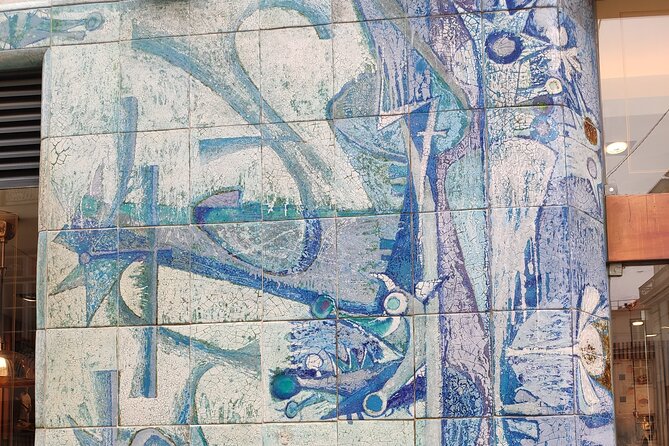
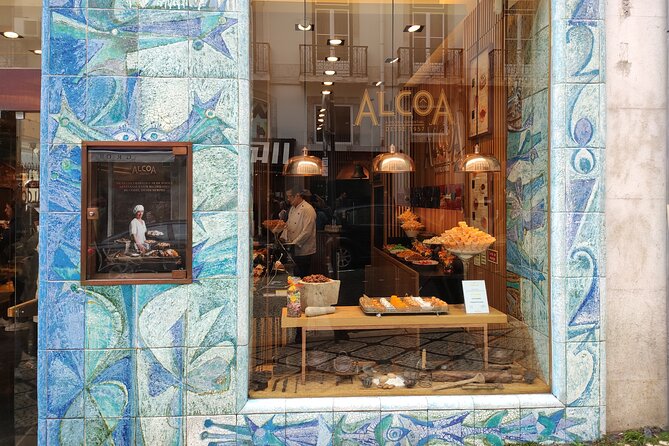
Alcôa is known as an iconic pastry shop, but it used to be a lottery shop. In that older context, it was covered with a ceramic piece by a major Portuguese potter of the 20th century.
Why this works on the tour: it connects tile culture to food and street life. You’re learning that tiles weren’t only “fine art,” they were also part of commerce and public-facing storytelling.
The stop is about 10 minutes. If your main goal is tile history, it’s still a worthwhile pause because it shows how ceramics attach to places you’ll actually return to.
Stop 8: Praça Dom Pedro IV, a major square to anchor the morning
You’ll then spend about 10 minutes at Praça Dom Pedro IV, described as Lisbon’s most important square, with plenty of history and stories. This stop helps you reset your brain between tile-heavy interiors.
A practical benefit: a central square like this makes it easier to understand how your later walking fits together. You’re also likely to catch views and energy here, even if the tile focus is lighter than in the churches.
Stop 9: Viuva Lamego, the tile factory story in a showroom setting
Viuva Lamego is where you shift from “tiles on walls” to “tiles made by industry.” The location was the site of one of the two most important tile factories in Lisbon, and today it functions as a showroom.
Admission is included here, so this is the most “pay-off” stop for your ticket. It also helps you understand the scale of production and the business side of tile art.
Stop time is about 10 minutes. Expect it to feel more like a focused explanation than a long museum visit.
Stop 10: Rua da Misericórdia, a store that feels like a tile museum
Your final tile stop is Rua da Misericórdia, a store that’s described as almost a museum. You can enjoy tiles from almost every era, which is a perfect way to process everything you just learned.
Stop time is about 20 minutes, the longest block on the route. That extra time gives you room to compare styles and decide what you actually want to look for later.
A possible downside: if you’re shopping-averse, this can feel like temptation. On the bright side, even without buying, it helps you connect what you saw earlier to a timeline you can keep thinking about.
What you’ll learn beyond tile spotting
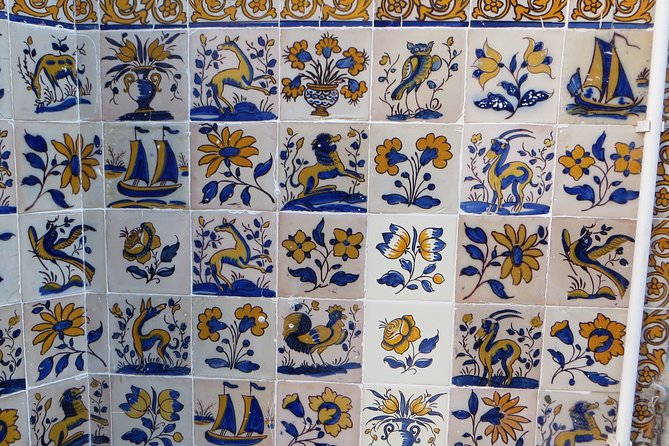
This tour is praised for being more than just “look at this wall.” The guide frames tiles inside Lisbon’s broader cultural layers, including references to Phoenicians, Romans, Arabic influence, and Christian and Jewish populations.
You’ll also pick up big turning points in Lisbon’s past, including the 1755 earthquake and the 1974 revolution toward democracy. The point is not to turn it into a lecture. It’s to show how art and architecture survive, change, and get rebuilt.
Practical benefits also come with that storytelling. Miguel Cardoso is repeatedly credited with sharing restaurant and artisan shop recommendations, plus help with understanding where to buy daily items like groceries. People also mention help with photos, including stops that include viewpoints.
Another detail I appreciate: the guide keeps checking in. If you’re older, tired, or slowed by weather, he’s described as not rushing. That matters on a tour built out of short stops, because you get better learning if you feel comfortable.
Who this tour suits, and who might want a different style
This one fits especially well if you want a strong first day in Lisbon. You’ll start with central meeting points near Avenida da Liberdade and spend the morning walking through tile-dense places. It’s also offered in English and limited to a small group, so you’ll get more direct interaction.
It’s a good fit if you love architecture, churches, and city details, but you also want a clear theme. A tile tour can become repetitive if it’s only aesthetic, and this one avoids that by giving you the “why” behind the “what.”
If you have limited mobility or you hate lots of walking, consider that this is about 3 hours 30 minutes with frequent small transfers on foot. The data says most travelers can participate and service animals are allowed, but you should still think realistically about your stamina.
Should you book Portuguese Tiles in Lisbon?
I’d book it if your goal is to learn how to read Portuguese tiles in context, not just take photos. The route is designed to show evolution over time, including the shift from Moorish tradition into a Portuguese tile identity, and it ends with a showroom-style finish where you can sort what you saw.
Book early if your trip dates are fixed. It’s commonly reserved around 37 days ahead on average, and a small group size can reduce flexibility.
If the weather turns, this tour is weather dependent. If it’s canceled due to poor weather, you’ll be offered a different date or a full refund. Also, you can cancel for a full refund up to 24 hours before the experience starts, so you’re not trapped if your schedule changes.
If you like slow, single-site museum wandering, you might prefer a different type of tour. But if you want an efficient morning that makes the city feel easier to understand, this one is a solid choice.
FAQ
Where does the tour start?
The tour starts at Av. da Liberdade 6, 1250-144 Lisboa, Portugal. The meeting point is provided as part of the tour details.
What time does it start?
The start time is 10:00 am.
How long is the tour?
The duration is approximately 3 hours 30 minutes.
How much does it cost?
The price is $60.24 per person.
Is the tour offered in English?
Yes, the tour is offered in English.
How many people are in the group?
The tour has a maximum of 9 travelers.
Are tickets included for the stops?
Most stops list admission tickets as free. The Viuva Lamego stop has admission ticket included.
Is there a mobile ticket?
Yes, the tour includes a mobile ticket.
What happens if the weather is poor?
This experience requires good weather. If it is canceled due to poor weather, you will be offered a different date or a full refund.
What is the cancellation policy?
You can cancel up to 24 hours in advance for a full refund. If you cancel less than 24 hours before the start time, the amount you paid will not be refunded.
Just added around Lisbon
- Morning Sailing Tour in Tagus River from Lisbon★ 5.0 · 68 reviews
- Private Half Day – The Majestic Pena Palace & Sintra★ 5.0 · 90 reviews
- Lisbon Private 3 hours tour★ 4.5 · 33 reviews
- Lisbon’s authentic Food and Wine tour with a Winemaker★ 5.0 · 67 reviews
- PRIVATE Unforgettable Full Day Tour to Sintra from Lisbon★ 5.0 · 236 reviews
- Lisbon: Catamaran Luxury Sunset and Wine Tour★ 5.0 · 119 reviews
- Sesimbra Wild Beach Tour from Lisbon★ 5.0 · 57 reviews
- Private Jeep Tour from Lisbon – Arrábida, Sesimbra & Beach Picnic★ 5.0 · 48 reviews
Lisbon Tours & Activities, compared.
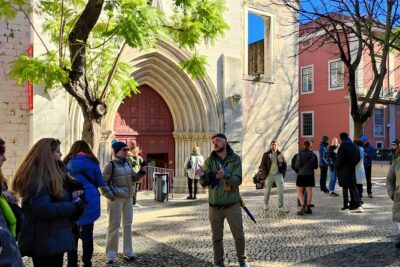
Lisbon City Center Tour – The Unmissable Lisbon
Read our review →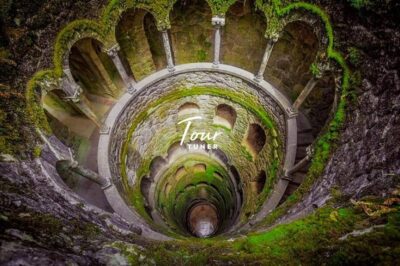
Sintra, Pena, Regaleira, Cabo da Roca & Cascais
Read our review →



Sunset Boat Party Cruise with DJ and Open Bar
Read our review →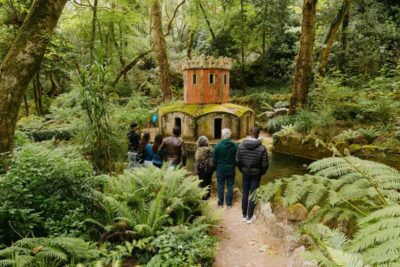
Sintra, Pena, Regaleira, Cabo da Roca, and Cascais
Read our review →