
Reviewed · FOOD & PASTEL DE NATA TOURS
Between Sweet Traditions: pastel de nata workshop in Madeira
Custard smells better than most souvenirs. This Pastel de Nata workshop in Madeira turns Portugal’s most famous custard tart into a hands-on class, not a passive tasting. I like that you roll, fill, and bake your own tarts, which makes the dessert click fast. I also like the small group format, where you get help without feeling rushed. One drawback to weigh up first, it is not suitable for people with a gluten intolerance.
You meet the team in Rua do Sabão 65, close to Sé Boutique Hotel, and spend the next 2 hours learning the steps that create that famous contrast, crisp pastry and creamy custard. You’ll also get local beverages while you wait for the oven moment, plus a recipe sheet you can actually use later.
In This Review
- Key highlights you will care about
- Why this Pastel de Nata workshop feels special in Madeira
- Finding Rua do Sabão 65 and getting set up fast
- Rolling the dough: the technique that makes the pastry crisp
- Making the custard filling: where the flavor comes together
- The oven moment: baking your three pasteis de nata
- Pairing it with Madeira wine, tea, and coffee
- The value question: is $81 per person worth it
- What to watch for if you have dietary needs
- Who this workshop is best for
- Practical tips to get better results at home
- Should you book this Pastel de Nata workshop in Madeira?
Key highlights you will care about
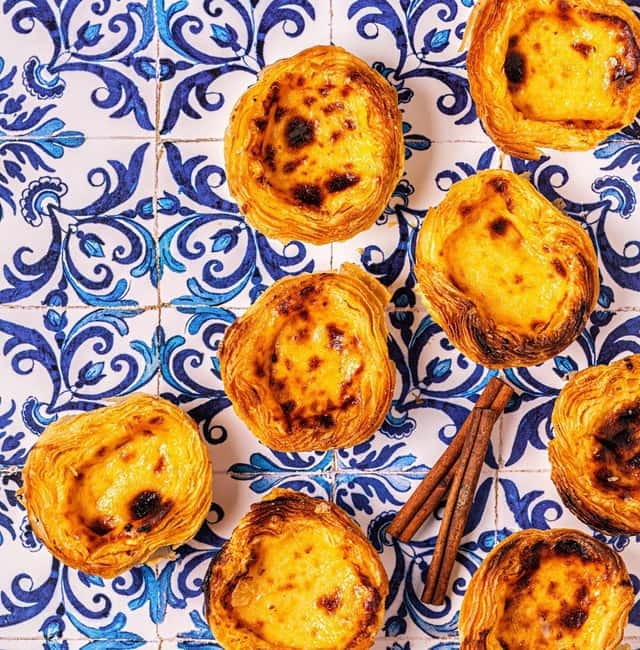
- You make three pasteis de nata each, so you are not just watching.
- Roll, fill, and bake with guidance, which is ideal if you are a first-time pastry person.
- Small group up to 8 participants, meaning more hands-on attention.
- Madeira wine plus tea or coffee, which pairs nicely with the custard sweetness.
- A recipe sheet to take home, helpful if you want to recreate it for friends.
Why this Pastel de Nata workshop feels special in Madeira
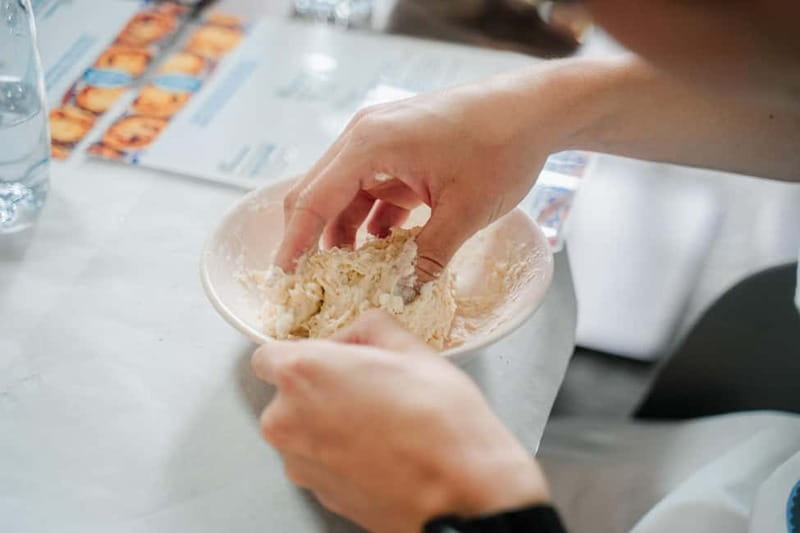
If you have only ever bought pasteis de nata, you may think the magic is just oven heat and a good bakery. In this class, the magic becomes specific moves: how the dough should be handled, how the filling should be portioned, and what to watch for as they bake. That is why I find this kind of cooking experience so satisfying. It turns a well-known dessert into a skill you understand.
Madeira adds a nice twist to the whole thing. You are in Portugal, but on an island with its own food culture and a strong relationship with local beverages. That small shift makes the tasting part feel more grounded than a generic class.
Two details matter a lot to your final result: you learn by doing, and the group stays small. Pastel de nata has a reputation for being hard, but it is mostly about technique and timing. When you get coaching at the right moment, your tarts stop being a mystery.
More Food Tours in Madeira
- Eating Madeira! Wine & Food Tour in Funchal
★ 5.0 · 214 reviews - Full-Day Madeira Wine Tasting Tour with Lunch
★ 5.0 · 173 reviews - Madeira Walking Food Tour
★ 5.0 · 59 reviews
Finding Rua do Sabão 65 and getting set up fast
The meeting point is simple: Rua do Sabão 65, next to Sé Boutique Hotel. I like that it is not a far-out pickup, because you can plan your day around the class instead of around transport logistics.
Aim to arrive about 5 minutes early. In a hands-on class, that window matters because you want to settle before flour starts flying. The session also runs for 2 hours, so the team needs a smooth start to keep everything on schedule.
English, French, and Portuguese are supported, which helps a lot if you are not comfortable speaking pastry terms in English all day. The instruction style is geared toward normal people, not just trained bakers, and the small-group setup keeps the pace realistic.
Also, the workshop is wheelchair accessible. That is worth noting because many cooking classes quietly assume you will be fully mobile. Here, it is built for access.
Rolling the dough: the technique that makes the pastry crisp
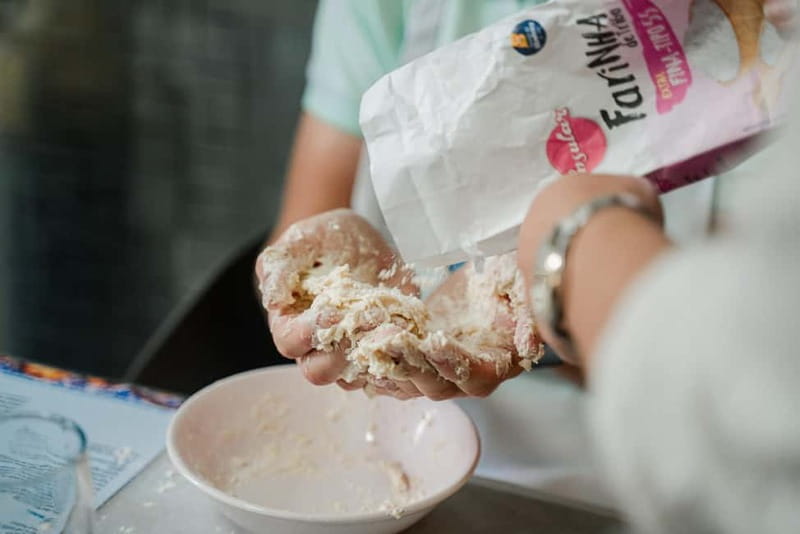
Here is the key thing you should expect: you will not just read about pastry. You will handle it. You learn how to roll it correctly, fill it evenly, and shape it so it bakes with that signature layers-and-bite texture.
The class uses dough prepared by a pastry chef earlier, then you work with it in the session. That means you still get the most important practical learning, the way the dough behaves and the touch it needs. You are training your hands, not just following a slideshow.
If you have never worked with pastry, this is a good place to start. The team provides guidance so you do not panic when the dough feels different than cookie dough. Pastel de nata dough has a different elasticity and you learn how to work with it without tearing or overhandling.
In some sessions, you might be taught by a pastry chef named Olga, and your guide could be someone like Anna. Even if your instructor is different, look for this pattern: clear step-by-step cues, quick checks of your progress, and correction before you bake mistakes into the final tart.
Making the custard filling: where the flavor comes together
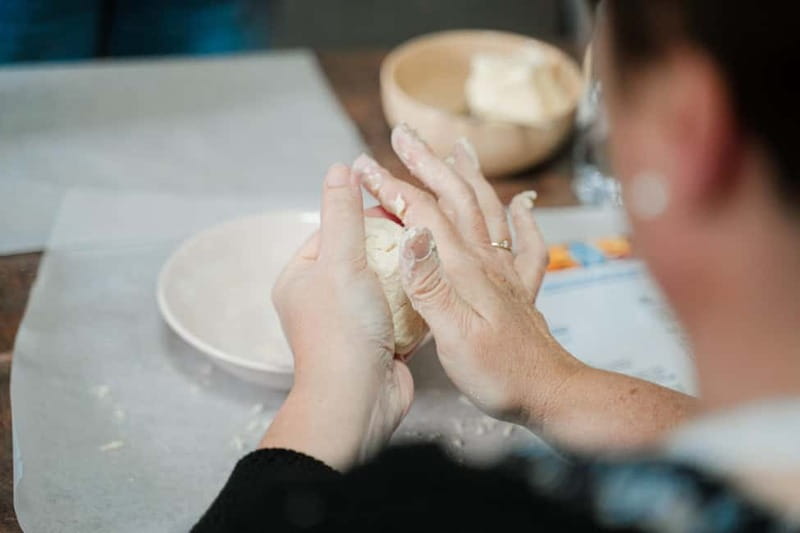
Pastel de nata is not only about pastry. The filling is the other half of the equation, and the class treats it that way.
You help make the custard as part of the group. That is a big advantage for you, because it teaches you what the filling should look and smell like as it comes together, not just what the final custard is supposed to taste like. You get that classic warm custard scent, and it is a great clue that things are on track.
I like that you also get a brief history and context during the process, because it makes the technique feel less like a random recipe and more like a tradition with reasons behind it. You are learning the dessert and the why behind the dessert at the same time.
More food walks in Funchal:
- Porto Food & Wine Tasting Tour with Lunch or Dinner Option
★ 5.0 · 2,303 reviews - Lisbon: Pastel de Nata Baking Class
★ 4.9 · 2,106 reviews - Lisbon: Baixa District Food Tour with Dinner and Drinks
★ 4.9 · 1,997 reviews - Lisbon Small-Group Food Tour with 18 Tastings in Alfama District
★ 5.0 · 1,967 reviews
The oven moment: baking your three pasteis de nata
Each person ends up making three pasteis de nata. That matters because you get enough practice to compare outcomes across your own tarts. You can also see how tiny differences in shaping or filling amount change the final look.
During baking, you do not just wait. The class includes a brief quiz, plus time to sample local beverages. This keeps the pace friendly, and it stops the class from feeling like a long line at the oven.
Then comes the moment you want: you taste what you made. Expect the crisp bite from well-shaped pastry and the creamy custard inside. If you bake at home later, this taste is your benchmark, because you will know when your results are close to the style you learned in class.
One practical benefit of this method is confidence. A lot of cooking classes teach you a recipe without teaching you how to judge quality while you cook. Here, you get feedback through tasting and the recipe sheet you leave with.
Pairing it with Madeira wine, tea, and coffee
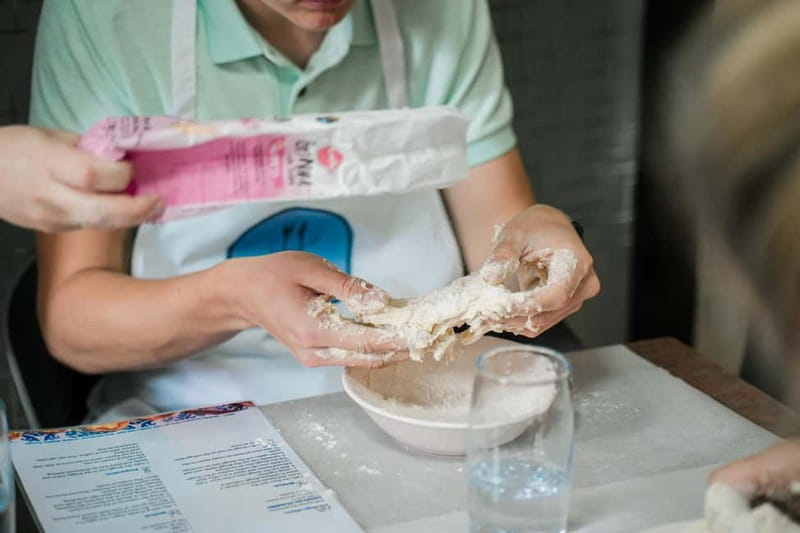
The class includes food and drinks, and the tasting part feels intentionally matched to the dessert. While the tarts bake, you can enjoy Madeira wine, and there is also tea or coffee.
Custard tarts have a strong sweetness, so balance matters. Madeira wine tends to play well with dessert flavors, and tea or coffee helps reset your palate between bites. That means you can actually focus on what you baked, not just react to sugar overload.
If you like food pairings, this portion is a quiet win. It is not a formal tasting course, but it gives you a practical direction for serving pasteis de nata at home.
The value question: is $81 per person worth it
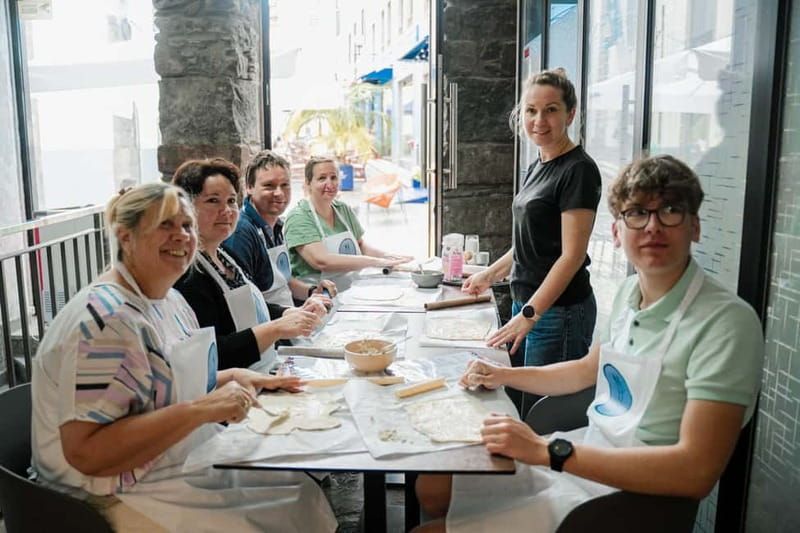
At $81 per person for a 2-hour class, you are paying for more than ingredients. You are paying for chef guidance, the fact you bake in a real small-group setting, and the time it takes to teach technique with hands-on support.
Here is why I think the value holds up:
- You make three tarts, so the session has a measurable output.
- You get food and drinks included, so you are not paying extra for the tasting component.
- You leave with a recipe sheet, which turns the class into something you can repeat later.
The recipe sheet is not just a vague checklist. It is structured enough that you can recreate the steps at home. One thing I love about classes like this is that they are useful after the vacation. If you have ever bought a recipe book and never used it, you will understand why the practical handoff matters.
Also, the price feels more reasonable because the group caps at 8. You are not paying for a crowd where the chef cannot reach everyone. You are paying for attention during the steps that matter.
What to watch for if you have dietary needs
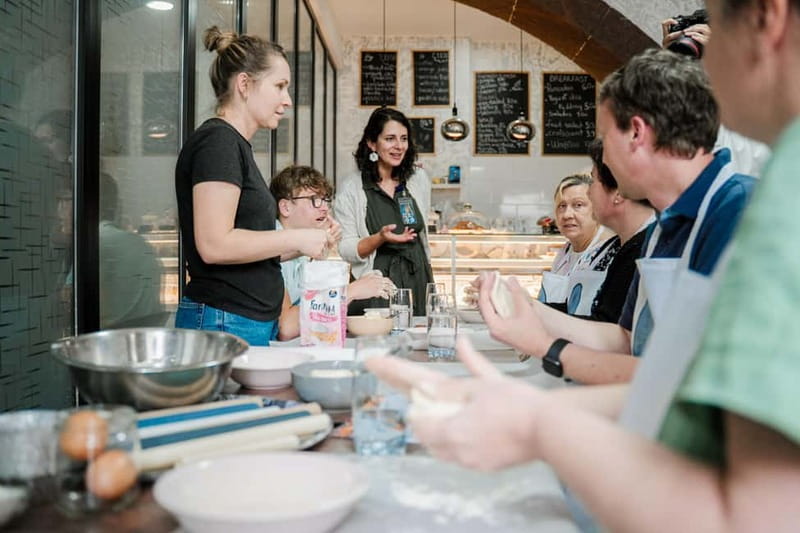
This is important. The class is not suitable for diabetes, and it is not suitable for gluten intolerance.
That is not a small footnote. Pastel de nata involves pastry and custard ingredients that can include gluten and sugar. If you fall into either category, you will likely be uncomfortable with what the class is designed to make.
If you are otherwise flexible, you should still plan to eat dessert during the session. It is part of the experience, not something added on top.
Who this workshop is best for
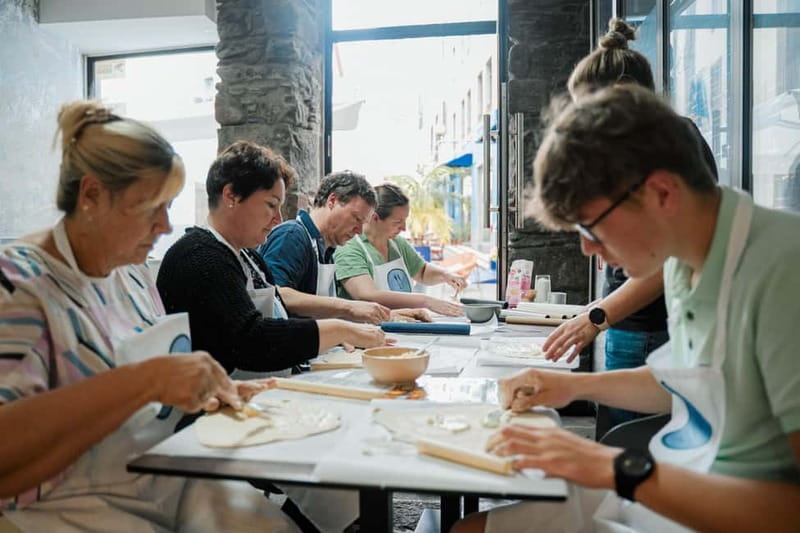
This class is a great fit if you like learning by doing and you want a story you can tell with proof. You will walk away with baked pasteis de nata in hand and a recipe you can try again.
It is also a good choice if you are traveling with a partner or friends who want something active. The small group size helps, and the setup encourages playful focus, like comparing how your pastries bake and who nailed the filling amount.
You might love it if:
- You want a Madeira activity that feels local and skill-based, not generic sightseeing
- You enjoy cooking classes that give you repeatable results
- You want a guided experience in English, French, or Portuguese
Practical tips to get better results at home
You will take home a recipe sheet, but the real value is what you learn through touch and timing. Use these tips after the class when you bake on your own.
First, treat pastry handling like a light workout, not a wrestling match. If you handle too aggressively, the dough can lose the texture you want for crisp layers. In the class, you will learn the right level of care. That same touch translates to your kitchen.
Second, pay attention to the custard consistency before it goes into the final bake. In a guided class, you see how it should feel and smell when it is ready. That is your reference point later.
Third, make sure your portioning is consistent. Even small differences can show up once the tarts bake. Because you make three, you will see how your variations play out, which helps you calibrate quickly.
Finally, plan your day so you do not rush. The session lasts 2 hours, and it works best when you can concentrate. Afterward, you will have a sweet memory and a slightly flour-stained sense of pride.
Should you book this Pastel de Nata workshop in Madeira?
Book it if you want a hands-on Portuguese cooking experience that actually changes what you can do at home. For $81, you are getting chef-led instruction, a small group, food and drinks included, and a take-home recipe. If you enjoy tasting, the Madeira wine plus coffee or tea pairing makes the wait for the oven feel worthwhile.
Skip it if you cannot eat gluten, or if diabetes is a concern. Also, consider that the activity requires a minimum of 4 people, so it could be rescheduled if that minimum is not met.
If you are in Madeira for a short time and you want something memorable that is more than photos, this is one of the best ways to get a real skill, not just a sugar moment.
Just added around Funchal
- Stairway to Heaven: Pico do Areeiro in Madeira Island★ 4.7 · 47 reviews
- From Funchal: Porto Santo 1-Day Cruise and Tour★ 4.3 · 28 reviews
- Madeira: Wine & Tapas, Cabo Girão Skywalk 4×4 Jeep Adventure★ 4.5 · 132 reviews
- Madeira : Trike Guided Tour of the Island★ 4.8 · 40 reviews
- Funchal: Pico do Arieiro Sunrise Plus 2 extra Hiking Trails★ 4.8 · 179 reviews
- Madeira Short Canyoning For Beginners Rochão Level 1★ 5.0 · 131 reviews
- Madeira Stairway to Heaven to Larano Hike Mountain to Sea★ 4.9 · 47 reviews
- Madeira: PR8 -Ponta de São Lourenço Natural Reserve Transfer★ 4.9 · 392 reviews
Food & Pastel de Nata Tours, compared.
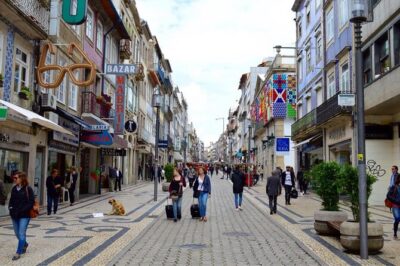
Porto Food & Wine Tasting Tour with Lunch or Dinner Option
Read our review →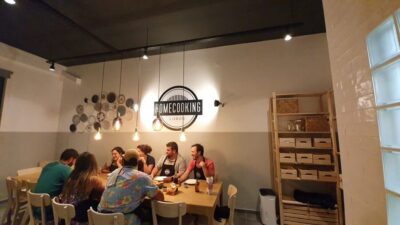
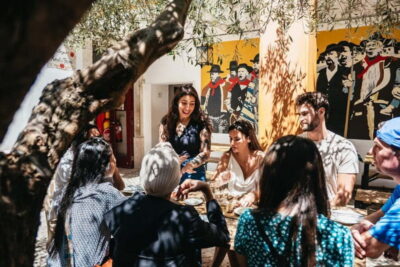
Baixa District Food Tour with Dinner and Drinks
Read our review →
Lisbon Small-Group Food Tour with 18 Tastings in Alfama District
Read our review →
Devour Lisbon: The Ultimate Portuguese Food Tour
Read our review →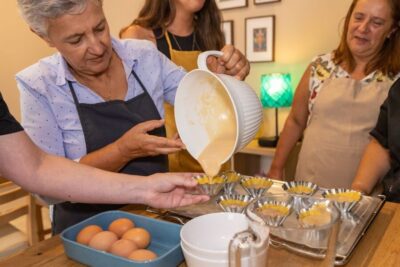
Pastel de Nata Cooking Class with Grandma’s Recipe
Read our review →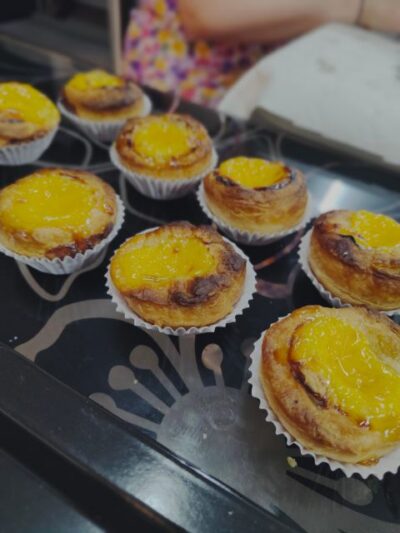
Lisbon Food Tour with 10+ Tastings of Local Delicacies & Wines
Read our review →Browse the lists this tour appears in