
Reviewed · FOOD & PASTEL DE NATA TOURS
Porto: Pastel de Nata Cooking Class with Grandma’s Recipe
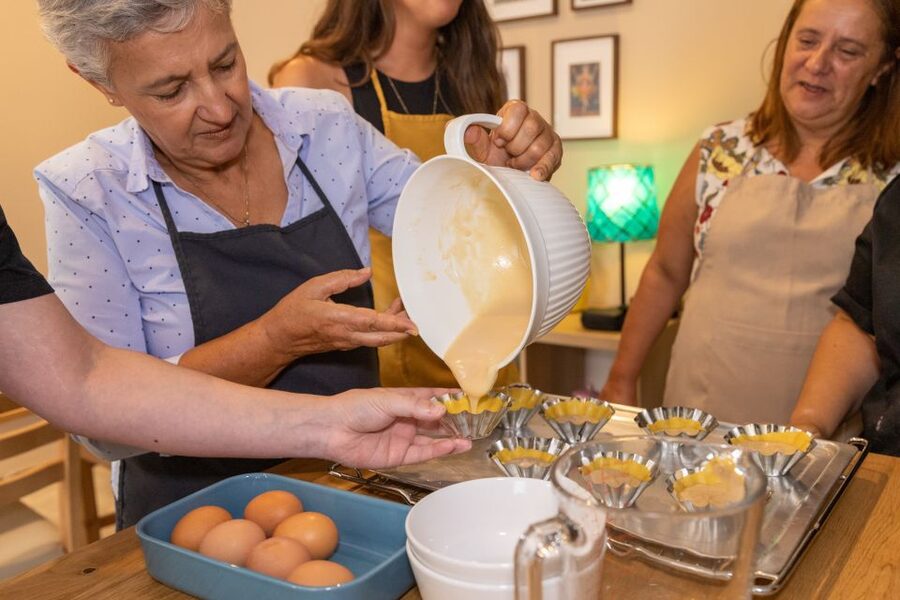
Custard tarts meet family stories in Porto. This pastel de nata cooking class has you making Portuguese custard tarts the hands-on way, in Joana’s home kitchen, with a recipe rooted in her family.
I especially love two things. First, I like how you do the work, not just watch, so the pastry technique actually sticks. Second, I love the finish, warm and flaky pastéis de nata straight from the oven, paired with drinks at the table.
One consideration: the home is about 10 minutes from Porto city center by car, so you’ll likely add a short Uber or Bolt ride, especially if you’re not using metro or bus.
In This Review
- Key things you’ll remember from this class
- Pastéis de Nata With Joana, the Real-Porto Way
- What happens during the 2 hours in the kitchen
- 1) Welcome, family context, and how the kitchen works
- 2) Rolling up your sleeves, learning pastry and custard basics
- 3) Everyone helps, with turns and practical guidance
- 4) Baking, then the best part, eating while everything is fresh
- Why Joana’s grandma recipe tastes different (and how you can copy it)
- Pastry technique: the part most classes rush
- Custard technique: creamy set, not watery soup
- The real takeaway: you get a reproducible method
- The table finish: drinks, coffee, and a homey Porto vibe
- Getting to Joana’s home from Porto center
- Fastest options: Bolt or Uber
- Metro option: Orange Line to Fânzeres, then walk
- Bus option: Bolhão to near the door
- Easy arrival tip
- Price and value: is $33 worth it?
- Who this class is perfect for
- Should you book this Porto pastel de nata class?
- FAQ
- How long is the pastel de nata cooking class in Porto?
- What is the price per person?
- How big is the group?
- Is the host language English?
- What is included in the class?
- How can I get to the home meeting point?
Key things you’ll remember from this class
- Grandma-style technique, taught step-by-step in a real home kitchen
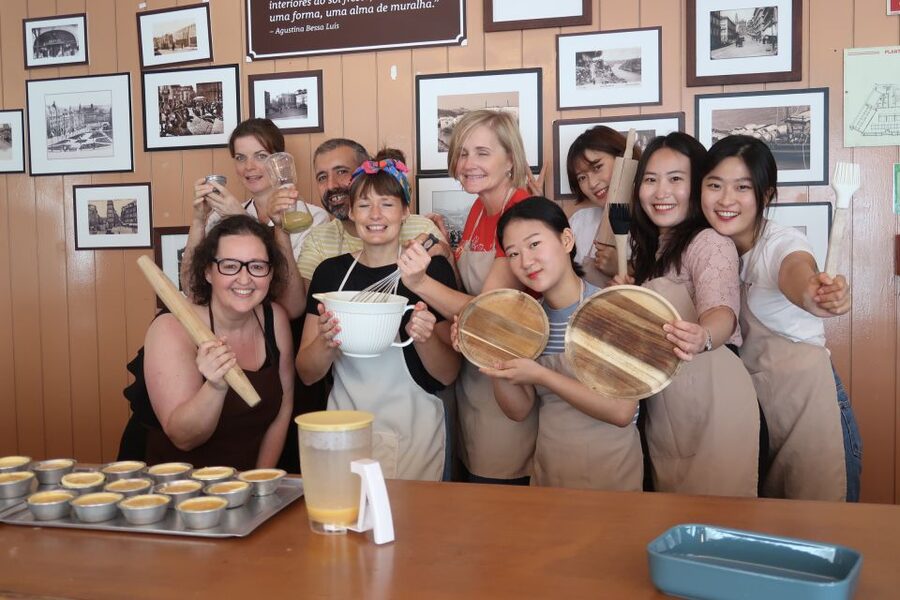
- Small group (up to 10), so you get turns and real attention
- Hands-on process, including pastry work and custard-making steps
- Warm tastings at the table, with coffee, tea, orange juice, and fresh tarts
- English host, with explanations that stay clear even if you bake less often
- Recipe and local tips, a common takeaway people mention after class
Pastéis de Nata With Joana, the Real-Porto Way
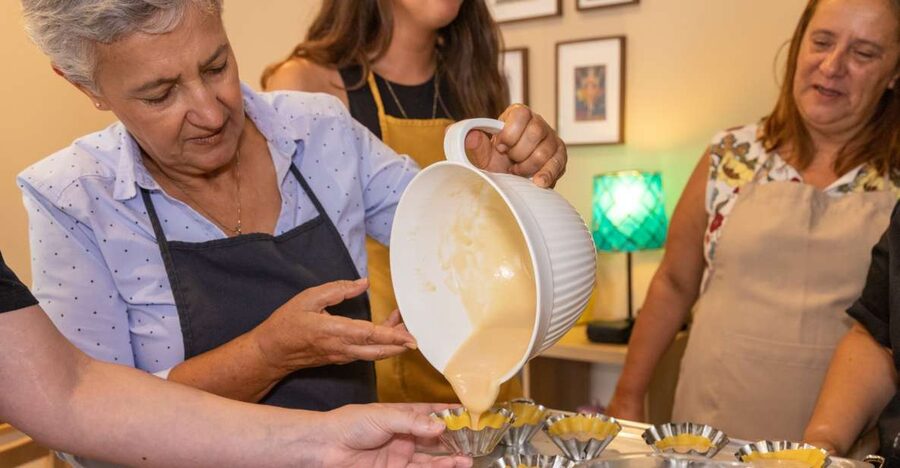
If Porto has one pastry you should respect, it is the pastéis de nata. I get it, you can buy them all over town. But this experience is different because you are learning how the magic happens, in a local home with a story behind it.
Joana welcomes you into her space and quickly frames what you are about to do: pastéis de nata are not just a snack, they are family craft. That matters. When food comes with context, you pay closer attention to the texture, the timing, and the little cues you would otherwise miss.
The class is built for small groups, capped at 10 participants, which keeps things calm. You are not squeezed into a line like a tour bus stopped at a bakery. Instead, you get a rotation system where everyone helps, so you leave with more than photos.
More food walks in Portugal:
- Porto Food & Wine Tasting Tour with Lunch or Dinner Option
★ 5.0 · 2,303 reviews - Lisbon: Pastel de Nata Baking Class
★ 4.9 · 2,106 reviews - Lisbon: Baixa District Food Tour with Dinner and Drinks
★ 4.9 · 1,997 reviews
What happens during the 2 hours in the kitchen
The flow is simple, and that is a plus. In about two hours, you go from greeting to mixing and shaping to baking and eating.
1) Welcome, family context, and how the kitchen works
You start in Joana’s home with introductions and a quick look at the process. People repeatedly highlight that she treats the group like family, which is exactly what you want in a cooking class. If you feel comfortable asking questions, you cook better.
You also learn where her approach comes from. Her grandma’s recipe is the backbone of the session, and the lesson includes small “why this works” details, not just instructions you follow robot-style.
2) Rolling up your sleeves, learning pastry and custard basics
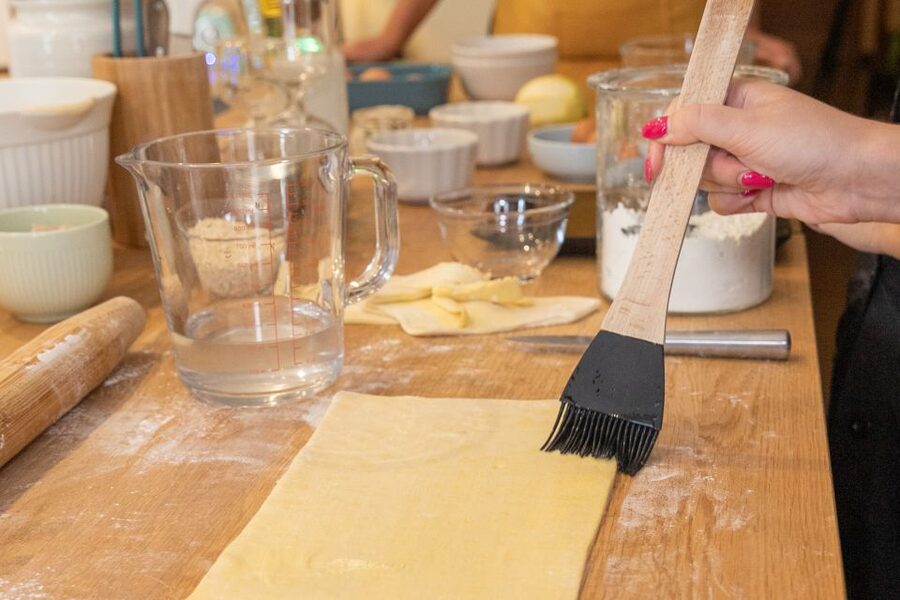
This is where the class becomes genuinely useful. You will be actively working, including pastry dough handling and the custard side of the filling.
Some cooking classes skip key steps because they prepare part of the process before you arrive. Here, the experience is consistently described as working from scratch through major stages, including the pastry work. Even if you are not a confident baker, the structure is set up so you can participate and learn, not just stand there.
A big theme in the experience is pacing. Joana keeps things step-by-step and patient, which matters because pastéis de nata are all about precise texture. You are watching consistency, not memorizing a recipe like it is math homework.
Other Portugal plans worth comparing
- Porto: Pastel de Nata Cooking Class with Port Wine – Sé
★ 4.8 · 888 reviews - Lisbon: Traditional Portuguese Cooking Class
★ 4.9 · 592 reviews - Porto: Pastel de Nata Cooking Class from Scratch
★ 4.9 · 468 reviews - Lisbon: 2-Hour Pastel de Nata Cooking Class
★ 4.8 · 461 reviews
3) Everyone helps, with turns and practical guidance
Groups of ten get divided into smaller teams, so you are not waiting forever. That also helps you understand the full process, since you see how different stations connect.
From what I’ve gathered about how this class is run, Joana’s approach is organized and interactive. You get hands-on roles, and you learn fun facts along the way. The result is that your final tray does not feel like you accidentally ordered good pastries, it feels like you made them.
4) Baking, then the best part, eating while everything is fresh
Once the pastries are in the oven, you get to shift from cooking mode to tasting mode. When the pastéis come out warm, that is when you get the payoff: flaky pastry layers and creamy custard, served fresh.
The class ends with the table moment, where you sit down and eat what you made, instead of rushing out. It turns “a lesson” into an actual shared experience.
Why Joana’s grandma recipe tastes different (and how you can copy it)
Porto pastéis de nata have a signature texture: crisp, flaky layers paired with a custard filling that is creamy and set. If your homemade versions have ever come out soggy or uneven, it usually comes down to technique and timing.
Pastry technique: the part most classes rush
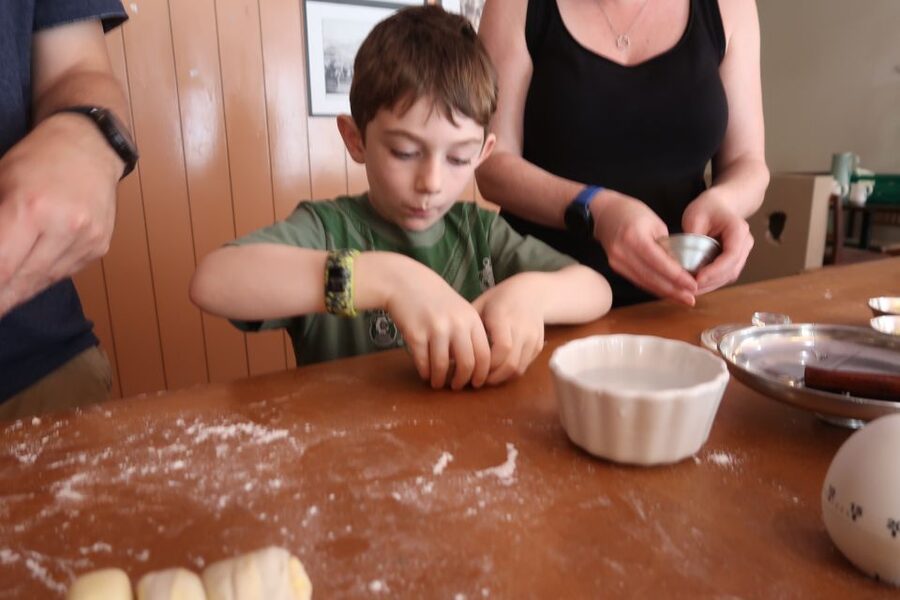
One reason this class gets such strong word-of-mouth is that it focuses on the pastry work, not just the custard. Reviews mention learning the puff pastry process, which is the backbone of that flaky shell.
You will notice that you are not only assembling, you are shaping and handling. That is what teaches you how the pastry should behave, which is hard to understand from a written recipe alone.
Custard technique: creamy set, not watery soup
The custard side gets equal attention. People consistently describe the custard as creamy and well set, which tells me the method emphasizes the right texture before baking.
This is where Joana’s step-by-step guidance helps. You can follow instructions, but you also learn what consistency should look like and why. That is the kind of knowledge you actually use later, when you cook at home.
The real takeaway: you get a reproducible method
I like classes that give you skills you can repeat. Here, the most praised outcome is that participants want to try again at home because the technique feels teachable.
Also, many people mention receiving the recipe afterward. That turns your class into a real tool for your next baking session, not just a one-off snack.
The table finish: drinks, coffee, and a homey Porto vibe
Cooking is fun, but the part that people remember longest is often the ending. You sit down and eat together with drinks.
You should expect coffee, tea, orange juice, and pastries you made fresh. Some people also mention port wine being offered, so if that’s your thing, it may be part of the experience depending on the session. Either way, the focus stays on non-alcoholic drinks and a relaxed pace.
This “sit and share” structure is more than hospitality. It helps you connect the dots between steps. When you take a bite, you can remember what you did at each station, and that makes the technique stick.
One small detail that keeps coming up: Joana’s home atmosphere. People describe a cozy setup, music playing on a record player, and an overall warm, welcoming mood. It sounds small, but it changes how you experience instruction. You learn better when you are not stressed.
Getting to Joana’s home from Porto center
Logistics matter here because the class is not in the middle of the busiest tourist blocks. Your meeting point is Joana’s home, about 10 minutes away by car from Porto city center.
Fastest options: Bolt or Uber
If you want the easiest ride, use Bolt or Uber. With more than two people, it can be one of the cheapest, fastest ways to cover that short distance.
Metro option: Orange Line to Fânzeres, then walk
If you’re using public transport, start from Trindade Station and take the Orange Metro Line. You ride direct for about 30 minutes and exit at Fânzeres. From there, it is about a 10-minute walk (around 700 meters) to the house.
Bus option: Bolhão to near the door
From Bolhão, take bus 800 or 801. It stops across the street from the house and the ride takes about 20 minutes. One practical heads-up: tickets are purchased inside the bus with coins.
Easy arrival tip
When you arrive at the address, Joana is waiting inside her home. Ring the doorbell with the label 2 Andar.
If you hate surprises, read that once before you go, and then you can focus on the fun part.
Price and value: is $33 worth it?
At $33 per person for a 2-hour small-group class, this is priced like a mid-range food experience. It is not a bargain, but it also isn’t just paying for a pastry with a side of storytelling.
Here is why it feels like good value for what you get:
- You are paying for hands-on instruction, not a tasting-only visit.
- You leave with fresh pastéis de nata you helped make, plus drinks.
- You get a recipe and technique you can reuse, which turns the price into something longer-lasting.
- The group size stays small, with turns and guidance, which is the difference between “fun” and “actually learned.”
The one cost you might add is transportation. If you use Bolt or Uber from the center, you may pay a bit extra, depending on where you’re starting. Still, if you split rides with friends or keep it simple via metro, it can stay reasonable.
If your goal is to eat Porto pastries and move on, you might be happier buying a few pastéis and calling it a day. If your goal is to bring skills home, this price makes more sense fast.
Who this class is perfect for
This experience fits best if you want an authentic slice of Portuguese food culture without the stiffness.
You’ll likely love it if:
- You like hands-on cooking and want real technique
- You enjoy small groups and meeting people while you work
- You want a family recipe feel, not a scripted commercial workshop
- You are traveling solo or with friends and want an activity that creates conversation
It may be less ideal if:
- You need wheelchair accessibility, since the class is not suitable for wheelchair users
- You want something very fast, because two hours includes actual baking time
- You dislike riding a bit outside the city center, since the home is about 10 minutes by car
Should you book this Porto pastel de nata class?
I think you should book it if pastéis de nata are on your must-do list, and you want more than eating. This is one of the better “food skills” experiences in Porto because you learn the method, then you get to eat the result while it is still warm.
Book it early in your trip if you want to feel confident re-creating the pastry later. And if you’re coming on a rainy afternoon, this kind of warm kitchen plan can be a lifesaver.
If you only care about a quick bite, you can find pastéis everywhere. But if you want the full story, the family-rooted recipe vibe, and the satisfaction of making something crisp and creamy yourself, this class is a very smart use of your time in Porto.
FAQ
How long is the pastel de nata cooking class in Porto?
It lasts about 2 hours.
What is the price per person?
The price is $33 per person.
How big is the group?
The group is small, limited to 10 participants.
Is the host language English?
Yes, the host or greeter speaks English.
What is included in the class?
It includes ingredients and cooking utensils, a guided cooking class, non-alcoholic drinks, and pastries.
How can I get to the home meeting point?
The home is about 10 minutes by car from Porto city center, and Bolt or Uber are recommended. If using metro, take the Orange Line from Trindade to Fânzeres, then walk about 700 meters (10 minutes). If using bus from Bolhão, take bus 800 or 801, which stops across the street from the house.
Just added around Portugal
- Discovering the charms and places of Coimbra★ 5.0 · 78 reviews
- Fatima Private Tour: Shrine, Sacred Way & Shepherds’ Hometown★ 5.0 · 41 reviews
- Aveiro, Costa Nova beach and Moliceiro Boat, half-day from Coimbra★ 5.0 · 18 reviews
- Conímbriga Roman Ruins & Museum | Private Tour★ 4.5 · 33 reviews
- Coimbra Scavenger Hunt and Sights Self-Guided Tour★ 5.0 · 20 reviews
- Conimbriga and The Roman Tour★ 5.0 · 132 reviews
- An adventure through the Schist Villages of Lousã★ 5.0 · 98 reviews
- Joanina Library & Coimbra University | Private Former Alumni Tour★ 5.0 · 135 reviews
Food & Pastel de Nata Tours, compared.
Porto Food & Wine Tasting Tour with Lunch or Dinner Option
Read our review →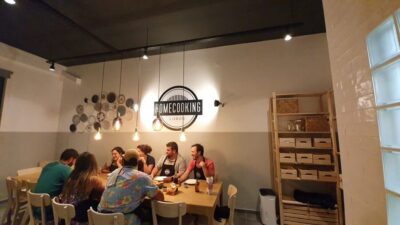
Baixa District Food Tour with Dinner and Drinks
Read our review →
Lisbon Small-Group Food Tour with 18 Tastings in Alfama District
Read our review →
Devour Lisbon: The Ultimate Portuguese Food Tour
Read our review →
Lisbon Food Tour with 10+ Tastings of Local Delicacies & Wines
Read our review →
Lisbon Exclusive PRIVATE Food Tour with 6 or 10 Tastings
Read our review →Browse the lists this tour appears in