
Reviewed · FOOD & PASTEL DE NATA TOURS
Lisbon: 2-Hour Pastel de Nata Cooking Class
Egg tarts get real in Lisbon.
This 2-hour, hands-on cooking class at Compadre Cooking School is a fun way to learn the iconic Pastel de Nata technique, while you also get a second classic Portuguese recipe. I like how the instruction is step-by-step, and I like that you leave with take-home recipes for two treats. One note to plan around: you will be standing for about 1h20, so it is not ideal if you have back problems.
Inside the kitchen, you work alongside the instructors instead of just watching. I also love the small cultural details, like hearing the background of the tarts and how Portuguese pastry tradition connects to everyday life. The class is casual and friendly, and the end tasting is a nice moment to sit down and eat what you made.
The biggest potential drawback is physical. This is a standing-heavy activity, and Portuguese food is not very vegan friendly, so you should contact the local supplier first if you are vegan.
In This Review
- Key things to know before you go
- Why Pastel de Nata is a perfect Lisbon class
- Compadre Cooking School kitchen, where it feels like you belong
- The real Pastel de Nata workflow you will practice
- Learning more than baking, the Portuguese story behind the tart
- The second Portuguese recipe, a bonus that makes the class feel complete
- Tea, coffee, and the light meal you share at the end
- Take-home recipes that help you actually use what you learned
- Who this class suits best (and who should skip it)
- Price and value: is $64 reasonable for two hours?
- Quick practical tips so you have a smooth session
- Should you book this Pastel de Nata class?
- FAQ
- What recipes will I make during the class?
- How long is the cooking class?
- Is the instructor English-speaking?
- What is included in the price?
- Are there any restrictions on who can join?
- Is this class vegan-friendly?
- What should I bring with me?
Key things to know before you go
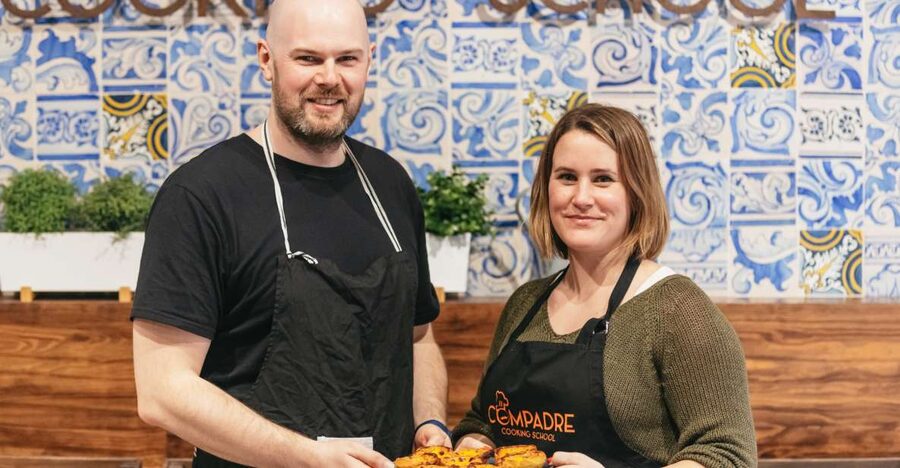
- Hands-on Pastel de Nata method: you make your own egg tarts with guided steps, then you taste the results together.
- Two recipes in two hours: you also prepare a second traditional Portuguese treat, not just one.
- English instruction, friendly hosts: classes are taught in English, with instructors like Anna and Marta often leading sessions.
- Simple, practical cooking flow: some steps are streamlined, so it is beginner-friendly while still feeling real.
- Take-home recipes: you get instructions for two Portuguese treats so you can recreate them later.
Why Pastel de Nata is a perfect Lisbon class
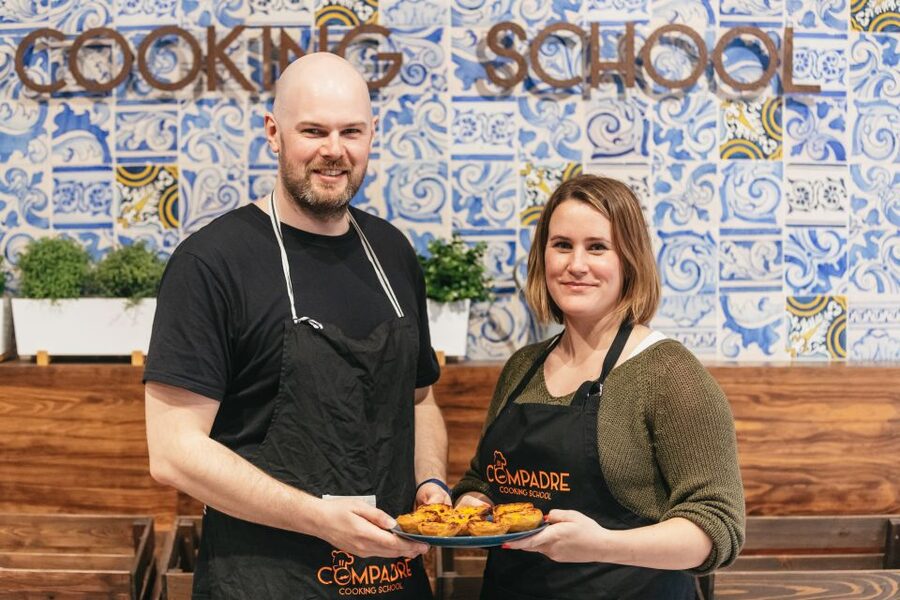
Lisbon has the obvious sights. But food classes give you something else: context you can taste. Pastel de Nata is one of Portugal’s most recognizable pastries, linked to older traditions and now a national symbol. Learning how it comes together turns a familiar shop tart into something you actually understand.
What makes this class a smart choice is the mix of technique and story. You are not just learning a recipe, you are learning the rhythm of Portuguese pastry, including what gives a good tart its structure and custard set. And because you make two Portuguese recipes, you get more value than the one-tart-only workshops you sometimes see.
More Cooking Classes in Lisbon
- Lisbon: Pastel de Nata Baking Class
★ 4.9 · 2,106 reviews - Lisbon: Traditional Portuguese Cooking Class
★ 4.9 · 592 reviews - Lisbon Portuguese Cooking Class with 3-Course Dinner
★ 5.0 · 445 reviews
Compadre Cooking School kitchen, where it feels like you belong
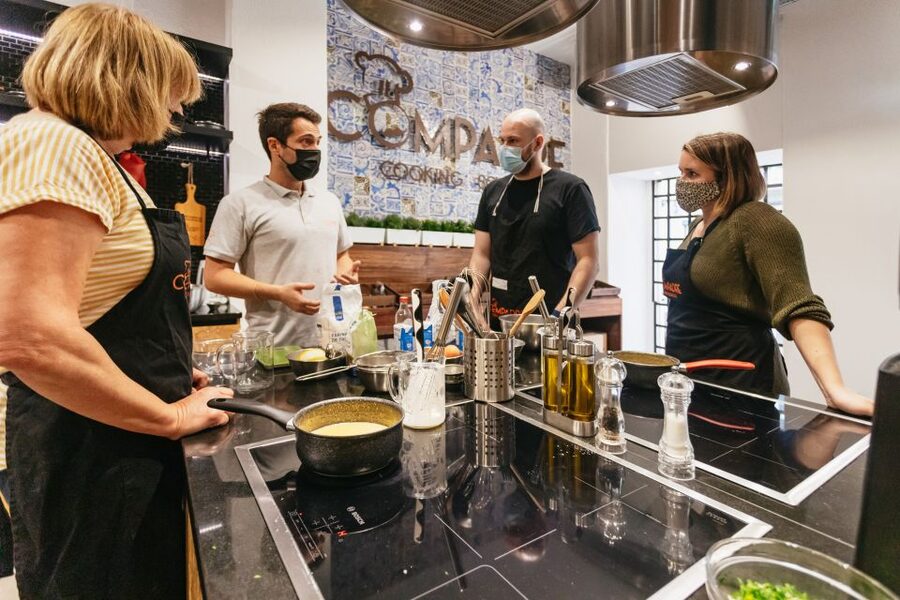
This experience is based in the kitchen of the local partner’s meeting location in Lisbon. You are joining the cooks right where the work happens, so the atmosphere is busy in a good way, not like a demo show.
One theme that comes through is how welcoming the instructors are. Many sessions are led by hosts including Anna and Marta, and they tend to explain each step clearly. The kitchen environment also gets positive comments for being clean, modern, and well set up. If you are visiting in warmer months, it helps to know that some people specifically called out air conditioning as a welcome bonus.
The practical win here is confidence. When you can see the tools, touch the dough, and ask questions while you work, you leave with a repeatable skill, not just a full stomach.
The real Pastel de Nata workflow you will practice
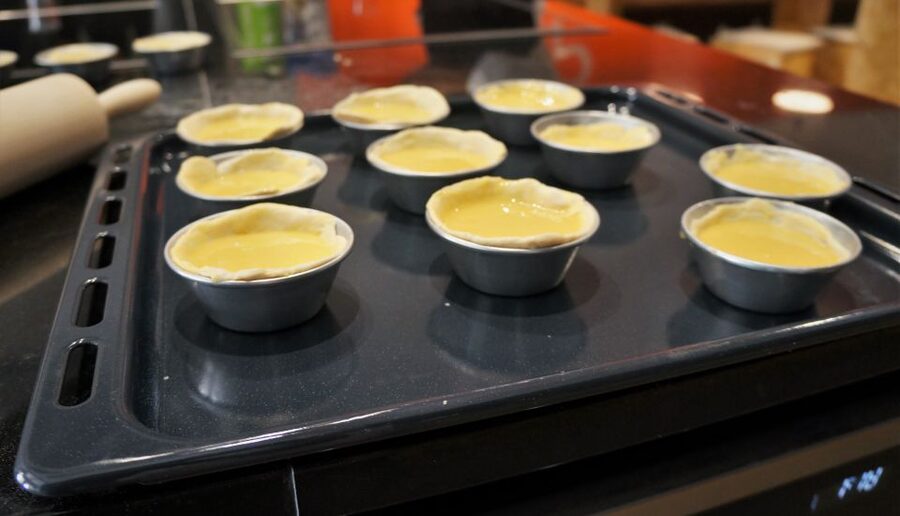
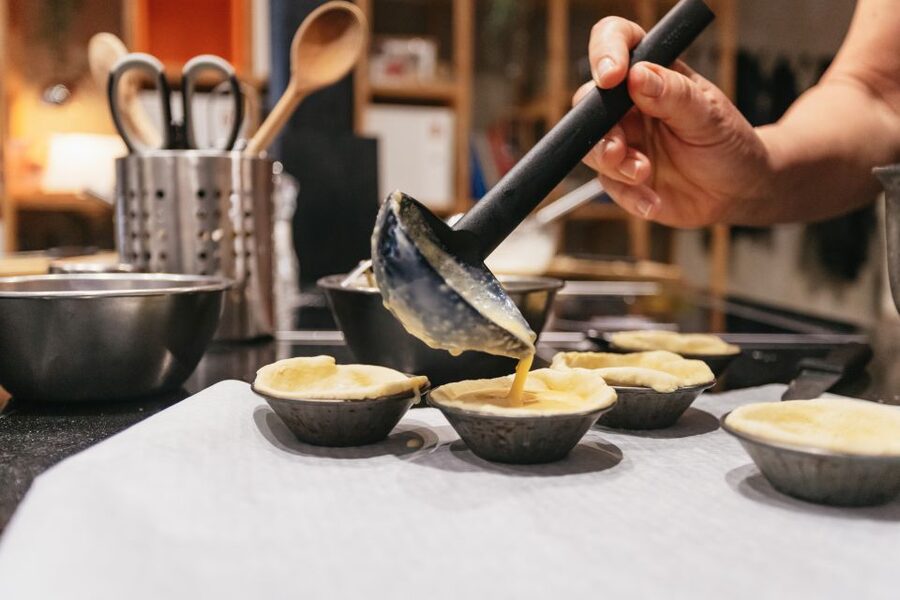
You will spend most of the 2 hours making your own Pastel de Nata. The class is designed for hands-on participation, and instructors guide you through the key stages, from getting the tart shells formed to filling and baking.
One detail that is worth knowing up front: the process is not overly complicated. Some past participants noted that the dough can be pre-made, and the custard is kept very simple. That does not make the class less fun. It makes it more approachable, especially if you are not a serious baker.
Still, the results matter. In a good Pastel de Nata, you want that tender custard set and the right tart texture after baking. You will learn the practical tricks, like how to prepare the pastry and fill the shells so you get a solid final tart, not a soggy one.
What you will likely do in class
- Prepare and portion the tart dough into small shells
- Make and fill the custard
- Assemble, bake (or arrange for baking), and then taste what you made
Expect to stand for much of the session. Plan for comfort: comfortable shoes are the smart call.
Learning more than baking, the Portuguese story behind the tart
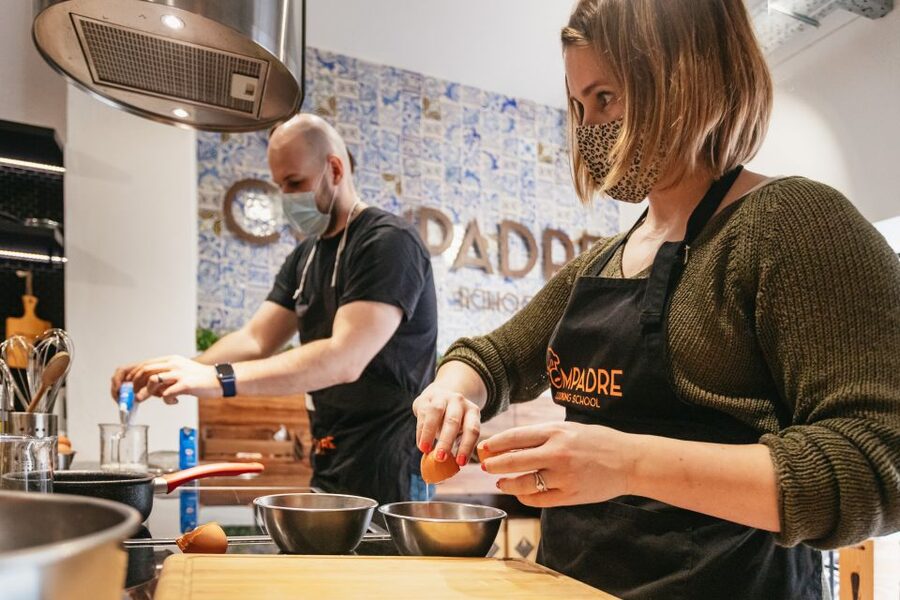
Pastel de Nata is not just a dessert you eat. In Lisbon, it is a cultural shorthand. This class includes background on where the tarts came from and how they became so iconic. It starts with the pastry’s roots in monastery-era history and moves to how the tart turned into a national symbol.
The best part is that the history is told while you are working. That matters because you remember it better. When you hear the background and then immediately handle the ingredients, the lesson sticks.
Instructors also tend to share recommendations for where to find great Pastel de Nata shops afterward. That is a nice extra because it turns your class into a springboard for more tastings around the city.
More Food Tours in Lisbon
- Lisbon: Baixa District Food Tour with Dinner and Drinks
★ 4.9 · 1,997 reviews - Lisbon Small-Group Food Tour with 18 Tastings in Alfama District
★ 5.0 · 1,967 reviews - Devour Lisbon: The Ultimate Portuguese Food Tour
★ 5.0 · 1,782 reviews - Lisbon Food Tour with 10+ Tastings of Local Delicacies & Wines
★ 5.0 · 1,339 reviews
The second Portuguese recipe, a bonus that makes the class feel complete
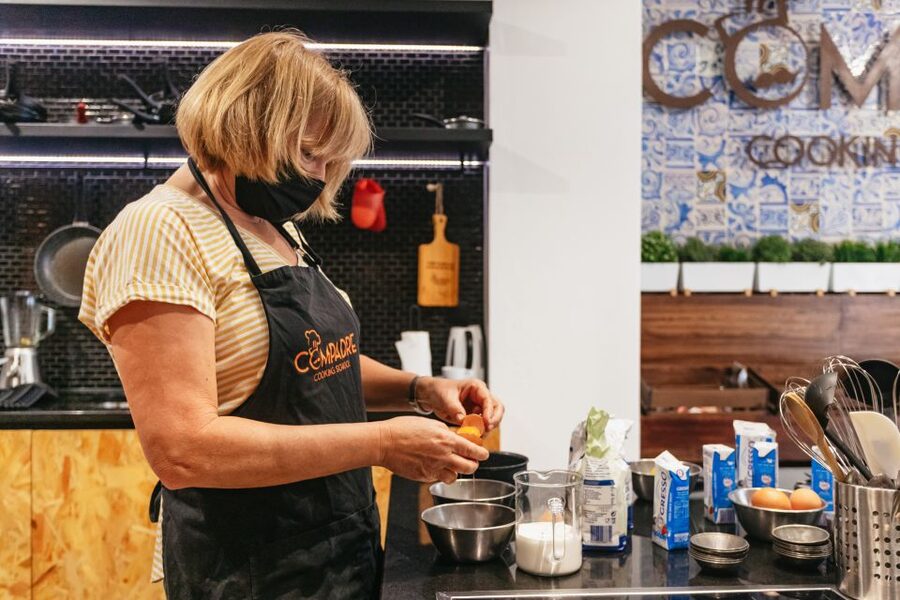
You do not leave with just one dessert. The class includes a second traditional Portuguese recipe, and it is part of the value. Depending on the session, participants have reported making options like merengue desserts with custard and farófios, and others have mentioned cod fritter style cakes.
So how should you think about it? Treat the second recipe as a chance to broaden what you understand about Portuguese sweets and savory-bite flavors. Even if you focus on Pastel de Nata, the second recipe gives you variety and a better sense of Portuguese cooking beyond just one iconic item.
The teaching style helps here too. People often mention clear instructions and a friendly atmosphere that makes it easier to follow along, even if you think you are a bad cook. That is important in a skills class, because the goal is to create tarts you can actually reproduce at home.
Tea, coffee, and the light meal you share at the end
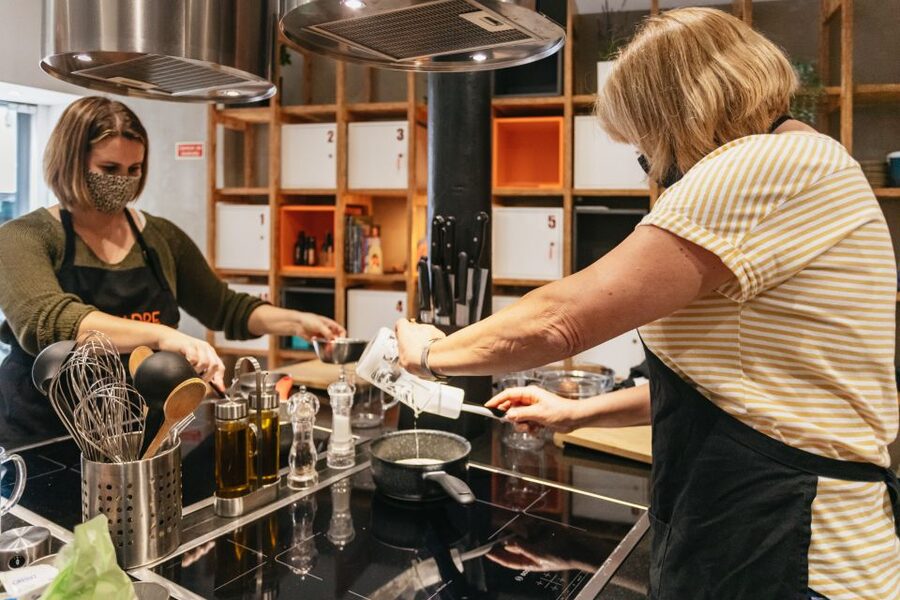
After you finish the hands-on part, you sit down to enjoy a light meal together. The class includes tea, and it is also listed as offering coffee. In general, the tasting is part of the fun because you get to see how your tarts turned out, compare results, and chat with other participants.
There is one caution from a participant experience: one person said tea and coffee were not offered exactly as described, with water set out instead. That is not a deal-breaker, but it is worth being mentally flexible. If you care about caffeine, assume you might want water and do not plan your day around getting a full drink service.
Also, note that the meal is described as light. You are not booking this as a replacement for lunch in a big way. It is more like the payoff to the work you did.
Take-home recipes that help you actually use what you learned
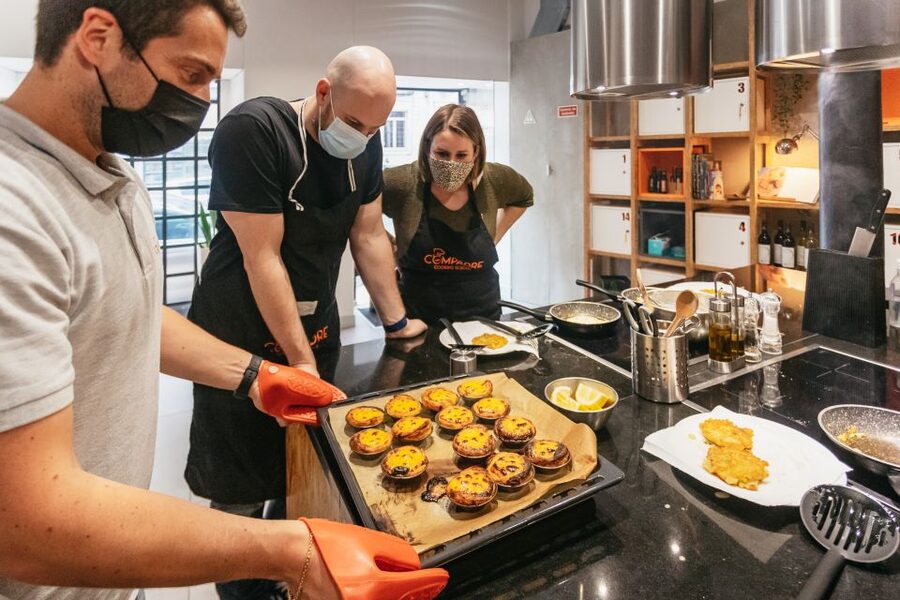
A major plus is that you get two different recipes to take home. This matters because Pastel de Nata is easy to forget once you are back from your trip. Written recipes turn your class into a skill you can repeat, not just memories of a good afternoon.
People also mention take-away bags for pastries, which is a nice practical touch. Even if you eat most of what you make, it is helpful to have an option for bringing extras back.
If you want to impress people later, the two-recipe take-home part gives you more to work with. You can do Pastel de Nata one night and another Portuguese treat another time.
Who this class suits best (and who should skip it)
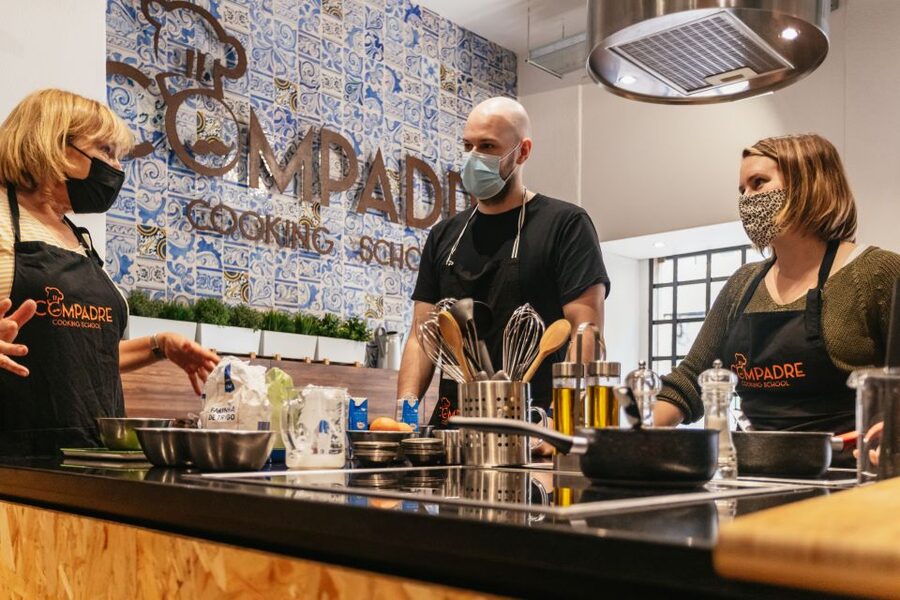
This is a great fit if you want a hands-on activity that teaches you something distinctly Portuguese. It is also a good choice for couples, solo travelers, and people who like learning by doing rather than watching from the sidelines.
It is also a strong “first pastry class” option. Several comments point to the fact that the steps are clear and manageable, even for people who consider themselves inexperienced.
But you should skip or choose carefully if either of these applies:
- You have back problems, since standing for about 1h20 is part of the format
- You are vegan, since Portuguese cuisine is not very vegan friendly, and you are asked to contact the local supplier beforehand if needed
There are also simple rules: no pets and no smoking.
Price and value: is $64 reasonable for two hours?
At $64 per person for 2 hours, the price is not just about eating dessert. You are paying for:
- Instructor-led, hands-on instruction
- Ingredients, equipment, and utensils
- Insurance included
- Two recipes, not one
- Tea, plus a light shared meal
In value terms, the big differentiator is that you are making Pastel de Nata plus a second Portuguese recipe. Many classes focus on one item and send you home empty-handed on the recipe front. Here, you get recipes for two treats, which raises the odds you will actually cook again.
So if you like food as a skill, and not just food as a snack, the price makes sense. If you are looking for a low-effort tasting only, you might be happier with a pastry crawl instead. This class expects you to work with your hands.
Quick practical tips so you have a smooth session
- Wear comfortable shoes, because you will be on your feet most of the time.
- Come with an appetite for custard and pastry. You are learning a dessert you will taste during the class.
- Plan for a non-vegan-friendly menu unless you coordinate ahead.
- If you are sensitive to heat, check the room conditions ahead of time. Some people have noted air conditioning as a plus.
- Bring curiosity. The instructors often share history, plus tips for getting the tart right.
The best part of a class like this is that it changes how you eat later. After you make them, you start noticing the details in Lisbon bakeries, like texture and custard set.
Should you book this Pastel de Nata class?
I would book it if you want a hands-on, Portuguese food experience that feels practical and repeatable. You learn the iconic tart, you also get a second traditional recipe, and you take home recipes for both. The instruction led by hosts such as Anna and Marta seems to be consistently clear, friendly, and focused on getting you results, not just entertainment.
I would skip it if standing is an issue for you, or if you need vegan options without advance coordination. Otherwise, it is one of those Lisbon activities that pays off twice: once in the kitchen, and again later when you try making your own tart at home.
If you are weighing this against other food experiences, pick this when you want to learn. Pick a tasting tour when you want to sample and roam. This one is for building a pastry skill.
FAQ
What recipes will I make during the class?
You will make Pastel de Nata and another traditional Portuguese recipe. The second recipe can vary by session, but it is included as part of the class.
How long is the cooking class?
The class lasts 2 hours.
Is the instructor English-speaking?
Yes, the instruction is listed as English.
What is included in the price?
Included are cooking equipment, utensils, and ingredients, an instructor, insurance, two different recipes, and tea.
Are there any restrictions on who can join?
The class is not recommended for people with back problems since you stand for about 1h20. Pets are not allowed, and smoking is not allowed.
Is this class vegan-friendly?
Portuguese cuisine is not very vegan friendly. If you are vegan, the info says to contact the local supplier beforehand.
What should I bring with me?
Wear comfortable shoes, since you will be standing for a large part of the session.
Food Walks in Lisbon
- Lisbon Exclusive PRIVATE Food Tour with 6 or 10 Tastings
★ 4.5 · 1,113 reviews - Lisbon: Tastes and Traditions Guided Food Tour
★ 4.9 · 931 reviews - Lisbon Private Food Tour – Taste 10+ Local Dishes & Wines
★ 5.0 · 896 reviews - Lisbon Awakens: A Culinary Crossroads, Reborn.
★ 5.0 · 748 reviews
Just added around Lisbon
- Tomar: Knight’s Templar Castle and Convent of Christ Tour★ 4.9 · 84 reviews
- Tour Bohemian de Tuk Tuk: Bertrand, Miradouros e Estrela★ 5.0 · 24 reviews
- From Lisbon: Fátima, Nazaré and Sintra Guided Tour★ 4.7 · 155 reviews
- From Lisbon: Tomar, Batalha, Alcobaça, & Óbidos Templar Tour★ 4.9 · 47 reviews
- From Lisbon: Sintra Pena Palace Cascais 8-People Group Tour★ 4.9 · 93 reviews
- The Real Lisbon Street Art Private Guided Tour by Minivan★ 4.7 · 49 reviews
- Lisbon: The Jewish Sephardic Walking Tour★ 4.9 · 22 reviews
- From Lisbon: Tomar, Christ Convent & Almourol Castle Tour★ 5.0 · 64 reviews
Food & Pastel de Nata Tours, compared.
Porto Food & Wine Tasting Tour with Lunch or Dinner Option
Read our review →
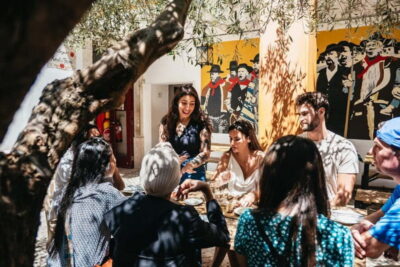
Baixa District Food Tour with Dinner and Drinks
Read our review →
Lisbon Small-Group Food Tour with 18 Tastings in Alfama District
Read our review →
Devour Lisbon: The Ultimate Portuguese Food Tour
Read our review →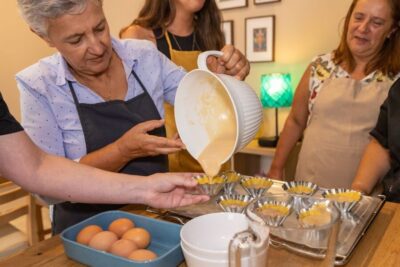
Pastel de Nata Cooking Class with Grandma’s Recipe
Read our review →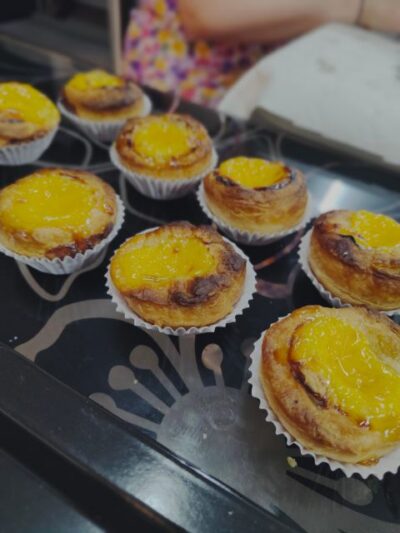
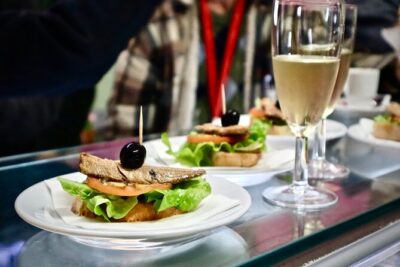
Lisbon Food Tour with 10+ Tastings of Local Delicacies & Wines
Read our review →Browse the lists this tour appears in