
Reviewed · FOOD & PASTEL DE NATA TOURS
Pastel de Nata Baking Class – Portugal’s Famous Custard Tart
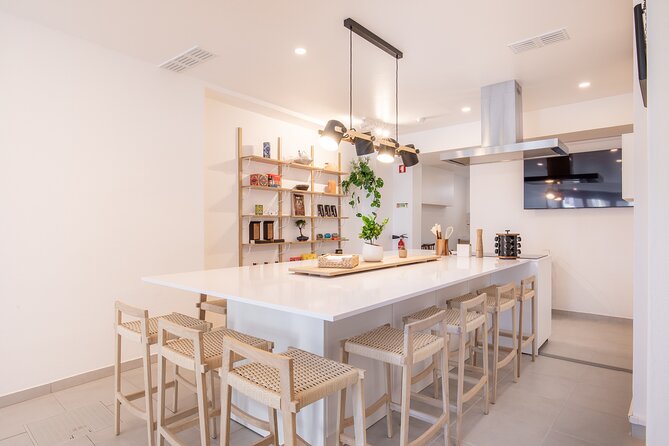
Pastéis de Nata are Portugal’s small, flaky obsession. In Lagos, this class lets you go step by step through making Pastéis de Nata from custard to bake, led in English by Joana Glória and her team at The Kitchen. I love that it is hands-on and practical, not just watch-and-snack.
Two things I particularly like are the teaching style and the payoff. Joana’s step-by-step instructions and lively personality make the process feel doable, even if you are new to baking. I also like that you get an email with a PDF recipe after the class, so the learning does not stop when the oven timer beeps.
One drawback to know up front: you might not roll and craft every piece of pastry dough from scratch during the full session. Some classes use pastry made earlier and focus your time on shaping/assembly and the custard work, so the experience is less like hands-on pastry production from start to finish and more like fast, skill-building execution.
In This Review
- Key highlights you will care about
- Why Pastéis de Nata training in Lagos feels smarter than just eating them
- Meeting The Kitchen in Lagos, and what to expect when you arrive
- The cooking session: custard, puff pastry, assembly, and baking
- Custard work: learning what creamy means in baking
- Puff pastry and pastry handling: where the process can feel different than you expect
- Combine and bake: turning your work into something you can taste immediately
- The kitchen atmosphere and why the class feels more social than instructional
- Eating your Pastéis de Nata, and how the taste teaches you the technique
- The email recipe PDF: your real souvenir for Lagos
- Value check: is 78.44 USD worth it in the Algarve?
- Who should book this class, and who should think twice
- Should you book Pastel de Nata Baking Class in Lagos?
- FAQ
- How long is the Pastel de Nata baking class?
- Where does the class meet in Lagos?
- Is the class offered in English?
- What will I learn to make during the class?
- Do I get a recipe after the class?
- What do I eat at the end?
- How big is the group?
- Is free cancellation available?
- Are service animals allowed?
Key highlights you will care about
- Small group format with a maximum of 10 travelers, so you get real attention while you bake
- Hands-on workflow covering custard, puff pastry, assembly, and baking
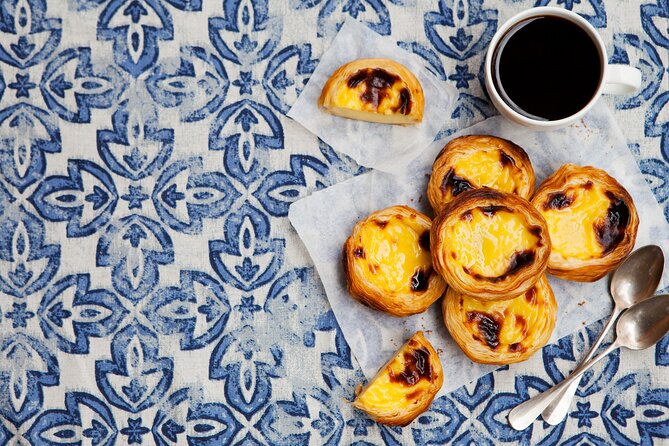
- Fresh tasting right after baking, with the Pastéis de Nata you made
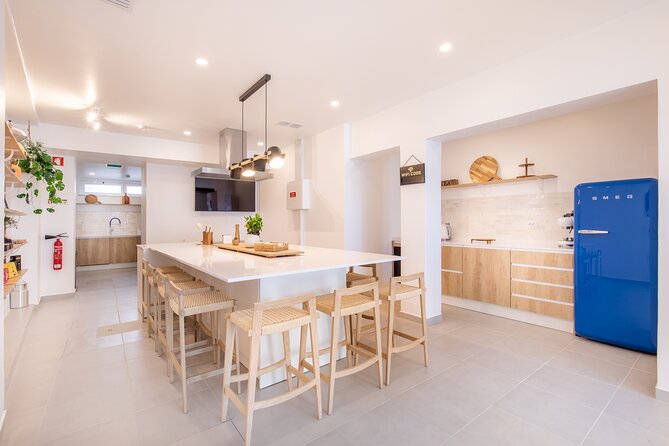
- English-led class in a kitchen that feels purpose-built for learning
- Take-home support via an email PDF recipe after the experience
- Fun extras during the wait, including simple games and a social vibe
Why Pastéis de Nata training in Lagos feels smarter than just eating them
If you love Portuguese desserts, Pastéis de Nata are your shortcut to understanding why locals line up for these little tarts. The flavor is not complicated, but the texture is. You are tasting layers of puff pastry and a creamy custard that firms up in the oven while staying smooth inside.
In Lagos, you get an experience that feels tied to the Algarve, not just a generic food stop. The Kitchen and Joana Glória keep the mood relaxed, then layer in cultural context and practical baking guidance. It is the kind of lesson where you come away knowing what to look for, not only what ingredients to buy.
You should also think about what you want from a food class. If your goal is to learn a technique you can repeat at home, this format makes sense. If your goal is purely to watch pastry being made with no hands-on involvement, you may want a different kind of experience.
More food walks in Lagos:
- Classic Food Tour – Lagos
★ 5.0 · 232 reviews - Lagos: Bake Pastel de Nata – Class in Lagos, Algarve
★ 4.9 · 198 reviews - Small group Wine Tasting Tour from Lagos
★ 5.0 · 145 reviews
Meeting The Kitchen in Lagos, and what to expect when you arrive
The meeting point is Rua Lucinda Anino dos Santos F, 8600-722 Lagos, Portugal. The good news is that the activity ends back at the meeting point, so you are not left figuring out how to get home after a full dessert mission.
This is a small operation, not a factory. With up to 10 travelers, the class stays focused, and you are less likely to feel lost when questions pop up. The tour is offered in English, and you receive confirmation at booking time. It also uses a mobile ticket, which is one less thing to manage while you are sightseeing in the Algarve.
Logistically, it is near public transportation, so you are not forced into a long taxi hunt. If you travel with a service animal, service animals are allowed, which is a simple but important detail when you compare experiences.
And yes, popular cooking classes in Lagos tend to fill in advance. This one is often booked about 26 days ahead on average, so if Lagos is part of your fixed plan, secure your spot sooner rather than later.
The cooking session: custard, puff pastry, assembly, and baking
The class is built around the whole process, and that is what makes it worth your time. You will learn how to make the creamy custard, prepare puff pastry, combine the two elements, and bake the tarts. The goal is not only to end with a delicious result, it is to understand how each step affects the final bite.
Custard work: learning what creamy means in baking
Custard is where many homemade attempts fail, usually because of temperature and timing. In the class, you get guided help for the custard portion so you know what the texture should look like before it goes into the oven. You also learn how the custard behaves during baking, which is key if you want to recreate the tart later.
Other Lagos plans worth comparing
- Lisbon: Pastel de Nata Baking Class
★ 4.9 · 2,106 reviews - Porto: Pastel de Nata Cooking Class with Grandma’s Recipe
★ 5.0 · 1,565 reviews - Porto: Pastel de Nata Cooking Class with Port Wine – Sé
★ 4.8 · 888 reviews - Lisbon: Traditional Portuguese Cooking Class
★ 4.9 · 592 reviews
Puff pastry and pastry handling: where the process can feel different than you expect
Here is the part worth planning for. The experience describes preparing puff pastry and assembling the tart shells, but at least one group noted that you may not make the full pastry case from raw dough within the time available. In some formats, the team may use pastry made by previous participants to reduce waste and keep the schedule workable.
So what does that mean for you in practice? You should expect to be actively involved in key hands-on steps like preparing components, working on your assigned portions, and assembling and filling your tart shells. You are still learning the critical sequence, even if the dough itself may be partly handled ahead of class.
This is not a dealbreaker. In fact, it can be smart. Pastéis de Nata are not hard because they use rare ingredients, they are tricky because pastry takes time. This format helps you focus on the custard, the assembly, and the bake, which are the pieces that most home cooks can realistically repeat.
Combine and bake: turning your work into something you can taste immediately
Once your custard and pastry components are ready, you assemble and bake. The timing matters, because you want the custard set and the pastry to puff properly. You also get to eat what you cooked at the end, so you can immediately connect lesson to result.
The class is structured for a roughly 2-hour session, so everything moves at a steady pace. That pace is part of why it feels fun and not like a lecture.
The kitchen atmosphere and why the class feels more social than instructional
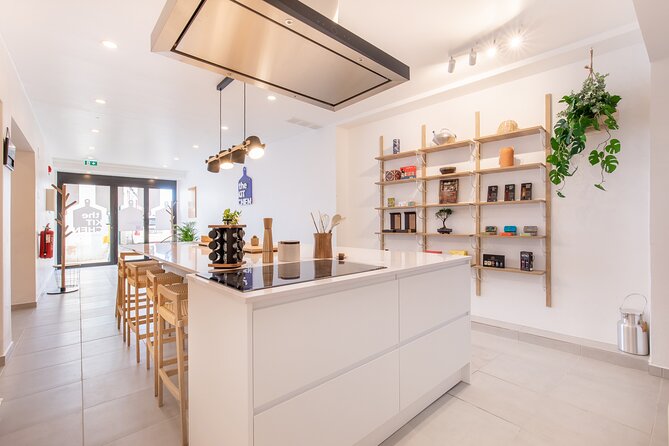
A baking class can easily turn into quiet scribbling and nervous humming. This one keeps you engaged. Joana Glória and the team bring energy, and the room has a welcoming tone that makes it easy to ask questions while you work.
From the way the experience is described, you should expect moments of group fun while you wait. One review specifically called out games during the waiting period for the sweets to cook. That matters more than you think, because pastry timing can feel long if the group is stuck watching.
There is also a social satisfaction that comes from making something everyone will eat together. You learn in a small group of up to 10 people, so conversations actually happen. It is a good fit if you like meeting fellow travelers who are also curious about Portuguese food beyond the usual landmarks.
If you are celebrating, pay attention to this detail. People have mentioned candle moments added during class. So if you have a birthday or a special day, it is worth mentioning it when you arrive. The hosts seem set up to make it memorable.
Eating your Pastéis de Nata, and how the taste teaches you the technique

The class concludes with a tasting of the Pastéis de Nata baked during your session. Eating your own tart right away helps you learn what you did right. It also makes it easier to spot what you might do differently next time.
This is where the technique clicks. Pastéis de Nata are not meant to be dry. They should feel set but creamy, with pastry that flakes. When you taste what comes out of the oven from your own assembly, you understand the relationship between custard texture, pastry puffing, and bake time.
You may also be able to take some home if you want. One review mentioned you can take away the Pastéis de Natas if you choose. If you are planning a snack stop back at your hotel or renting an apartment with a kitchen, that is a nice option.
And if you are wondering whether you will leave satisfied, the answer is yes in a very practical way. You get dessert included, and you get it fresh.
The email recipe PDF: your real souvenir for Lagos
The most valuable souvenir from this class is not a photo, it is repeatable instructions. After the experience, you receive an email with a PDF recipe so you can recreate Pastéis de Nata at home.
That PDF matters because baking needs consistency. When you bake at home, your oven runs hotter or cooler, your kitchen is drier or more humid, and your ingredients might behave differently. A detailed recipe gives you a starting point, and then you can adjust based on what you learned during class.
If you want to make this lesson stick, treat your first at-home attempt like a practice run. Bake when you have time to watch the custard set and when you can compare texture closely. With the recipe in hand, you are not guessing.
Value check: is 78.44 USD worth it in the Algarve?
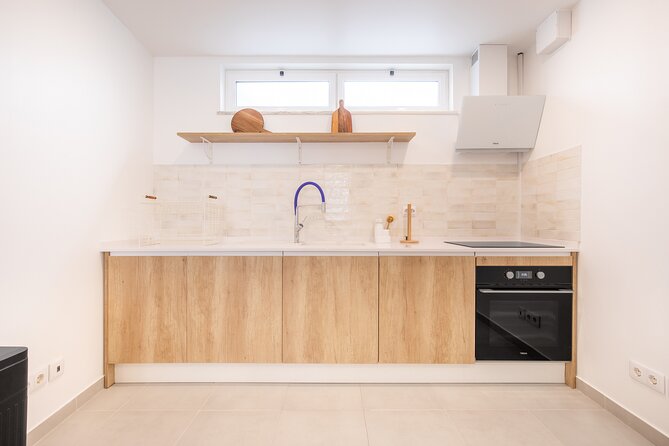
At $78.44 per person for a roughly 2-hour class, the price is not low, but it also is not random. You are paying for more than ingredients.
Here is where that money goes:
- A small-group teaching setup with English-speaking guidance
- All ingredients and cooking tools used during the session
- The time spent teaching a full workflow, custard to bake
- A tasting of what you made
- Follow-up support through the emailed PDF recipe
If you compare this to buying supplies and trying on your own, the class becomes more reasonable. Buying puff pastry, custard ingredients, and baking equipment on your first attempt is often more expensive than you expect, and then you still face wasted food when the texture is off.
So who gets the best value? You do if you care about technique and want a reliable result quickly. You also get value if you are traveling and do not want to carry supplies, experiment blindly, or waste a night figuring out a recipe alone.
The one reason the value might feel less strong is if you wanted a pure, full-from-scratch pastry dough class. Because the session may use pastry partly prepared ahead, the class is more about learning the workflow and producing tarts, not spending the entire time making dough from raw materials.
Who should book this class, and who should think twice
This class is a great fit if you:
- Want a hands-on Portuguese dessert experience in Lagos
- Like learning by doing, with step-by-step guidance
- Enjoy meeting people in a small group setting
- Want something you can repeat at home using the recipe PDF
It is also a strong choice if you have limited cooking confidence. At least one review noted there was no cooking experience required, and the steps were set up so you could succeed.
Think twice if you:
- Want to create every part of the pastry shell from scratch during the full session
- Dislike classes that split tasks across a small group, rather than giving everyone the exact same dough-making time
Should you book Pastel de Nata Baking Class in Lagos?
I think you should book it if your trip includes Lagos and you enjoy practical food experiences. The combination of small group size, English-led instruction by Joana Glória, and a full custard-to-bake workflow makes it feel like real learning. Add in the fact that you eat what you bake, and the emailed PDF recipe afterward, and it becomes a high-odds “you leave with skills” activity.
If you are the type who only wants pastry dough building from scratch, you may feel shorted on the pastry-making time. But even then, you are likely leaving with a better understanding of what matters for the final tart.
If Lagos is your base in the Algarve and you want one memorable, tasty, skill-building afternoon, this is an easy yes.
FAQ
How long is the Pastel de Nata baking class?
It lasts about 2 hours.
Where does the class meet in Lagos?
It starts at Rua Lucinda Anino dos Santos F, 8600-722 Lagos, Portugal, and it ends back at the meeting point.
Is the class offered in English?
Yes, it is offered in English.
What will I learn to make during the class?
You will learn how to make the custard, prepare puff pastry, combine the elements, and bake the Pastéis de Nata.
Do I get a recipe after the class?
Yes. After the experience, you receive an email with a PDF recipe.
What do I eat at the end?
You eat the freshly baked Pastéis de Nata that were cooked during the class.
How big is the group?
The class has a maximum of 10 travelers.
Is free cancellation available?
Yes, you can cancel for a full refund up to 24 hours in advance of the experience start time.
Are service animals allowed?
Yes, service animals are allowed.
Just added around Lagos
- Wild and Wonderful West Coast Full Day Tour★ 5.0 · 92 reviews
- Wine Not Algarve Winery Tour★ 5.0 · 19 reviews
- TUK TUK Tour around Lagos Old & New Town & beaches – Best way to know Lagos★ 5.0 · 488 reviews
- Best of the West★ 5.0 · 50 reviews
- NEW Lagos-Watching Dolphins and Benagil Cave with Biologists★ 4.5 · 147 reviews
- Sunrise SUP Caves Tour in Lagos – Small Group Experience★ 5.0 · 49 reviews
- Small group Wine Tasting Tour from Lagos★ 5.0 · 145 reviews
- Private Tour to Sagres (Half Day)★ 5.0 · 22 reviews
Food & Pastel de Nata Tours, compared.
Porto Food & Wine Tasting Tour with Lunch or Dinner Option
Read our review →
Baixa District Food Tour with Dinner and Drinks
Read our review →
Lisbon Small-Group Food Tour with 18 Tastings in Alfama District
Read our review →
Devour Lisbon: The Ultimate Portuguese Food Tour
Read our review →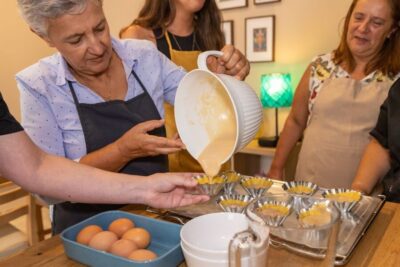
Pastel de Nata Cooking Class with Grandma’s Recipe
Read our review →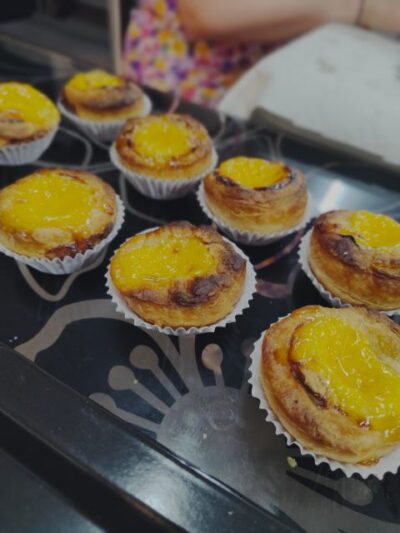
Lisbon Food Tour with 10+ Tastings of Local Delicacies & Wines
Read our review →Browse the lists this tour appears in