
Reviewed · FOOD & PASTEL DE NATA TOURS
Porto Food Tour of 8 Tastings: Custard Tart, Bifana & Hidden Gems
Porto can feel like a blur, but this tour slows it down with 8 tastings and smart local stories. I especially like the small group size, which keeps the walk friendly and lets the guide actually answer your questions. The food also lands in a very Porto way, from pastel-style custard tart to pork bifana and codfish cake.
One thing to consider up front: this is a fair amount of walking on hills. If you’re not into stairs and cobblestones, plan your day around comfortable shoes and a steady pace.
In This Review
- Key highlights you should know
- A 3.5-hour Porto sampler that fits your first day
- Price and what you get for your money
- Meeting point, ending point, and the “walk hills” reality
- What small group guidance feels like in real life
- Stop one: a music-first building and why it matters
- A quiet historic urban park moment to reset
- Historic district energy and a guide who ties it to food
- Crossing the Douro on a double-deck metal arch bridge
- The city’s tallest campanile and panoramic payoff
- The 8 tastings that make the tour feel like a real meal
- Custard tart first: the “Porto sweet” baseline
- Canned fish: the humble Porto lesson
- Bifana: a snack that’s basically lunch
- Codfish cake: salty, filling, and Porto-friendly
- The Secret Dish: why you should keep your appetite
- Drinks included: vinho verde, beer, and aged port
- Market browsing and sardines when the route allows
- Hidden details that make the tour useful after you eat
- Who this Porto food tour fits best
- Should you book this Porto food tour with 8 tastings?
- FAQ
- How long is the Porto Food Tour with 8 tastings?
- What is the price per person?
- How many travelers are in the group?
- Is the tour offered in English?
- Where do I meet for the tour?
- Where does the tour end?
- What food tastings are included?
- What drinks are included?
- Does the tour include hotel pick up or drop off?
- What if I have dietary requirements?
- Do I need to bring comfortable shoes?
Key highlights you should know
- 8 tastings that add up to a full meal, not tiny samples
- Small group (max 12) for a more personal pace and more guide time
- Portuguese drinks included, including vinho verde and aged port wine
- Major Porto sights on the same route, from a music-focused building to the Douro bridge
- Real local food classics, like pastel de nata and bifana
- Flexible secret dish stop, plus an extra moment for market browsing when the route allows
A 3.5-hour Porto sampler that fits your first day
If it’s your first time in Porto, you’re juggling two jobs. You want great food, and you want bearings. This tour does both in about 3 hours 30 minutes, with enough tastings to genuinely replace a normal meal. The format is simple: you walk, you snack, and your guide ties what you eat to what’s around you.
That pairing is the best part. Porto’s neighborhoods and food traditions make more sense when you see the setting first. And because the group stays small, you get more than a factory line of samples. I like that guides can adjust on the fly, even when weather or location availability nudges the plan.
More Food Tours in Porto
- Porto Food & Wine Tasting Tour with Lunch or Dinner Option
★ 5.0 · 2,303 reviews - Porto: Pastel de Nata Pastry-Making Workshop
★ 4.9 · 1,542 reviews - Porto: Pastel de Nata Cooking Class with Port Wine – Sé
★ 4.8 · 888 reviews
Price and what you get for your money
The price is $100.42 per person, which sounds like a “one ticket, one big bite” deal. In practice, you’re paying for three things at once:
- Guided walking time across central Porto highlights
- Enough tastings to eat well (custard tart, bifana, codfish cake, plus canned fish and a secret dish)
- Included drinks, including vino verde, local beer, and aged port wine, plus tea or coffee and water
So you’re not just buying snacks. You’re buying a guided route that also helps you plan where to go next. In reviews, the biggest praise comes from guides who connect the dots between food, culture, and what you’re seeing outside.
Meeting point, ending point, and the “walk hills” reality
The tour starts at R. de Passos Manuel 137 and ends at Rua das Flores. There’s no hotel pickup or drop off, so you’ll want to arrive at the meeting point under your own steam.
Here’s the practical note I’d build into your plan: Porto is hilly, and this route includes real walking. One review mentioned it felt like about 2 to 3 miles, and that uphill terrain mattered more than expected. Comfort shoes aren’t optional here.
If you’re traveling by cruise ship, give yourself a cushion. One person shared it took about 40 minutes by taxi from Leixões to the meeting point, and they arrived just minutes before start time. Even if you’re not on a ship, think in terms of “arrive early, relax later.”
What small group guidance feels like in real life
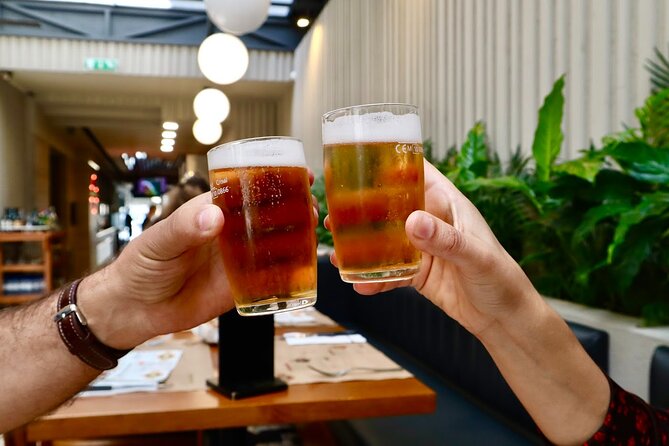
This is capped at 12 travelers, which is a big deal for a food tour. With fewer people, the guide can slow down at the right moment and explain what’s in front of you without turning it into a rush.
I also like that the guides are consistently praised for handling the tour with a calm, friendly tone. Names that show up in the feedback include Jose, Marta, Nuno (spelled a couple of ways in notes), Victor, and one Nonu listing. The common thread is English delivery, good pacing, and guides willing to help you after the tour too, like pointing you toward good places to keep eating.
More food walks in Porto:
- Porto: 3-Hour Food Tour
★ 4.9 · 807 reviews - Porto Private Food and Drink Tasting Tour with Local
★ 5.0 · 652 reviews - Porto: Pastel de Nata Cooking Class from Scratch
★ 4.9 · 468 reviews - Pastel de Nata | Workshop from scratch | Porto’s city center
★ 5.0 · 449 reviews
Stop one: a music-first building and why it matters
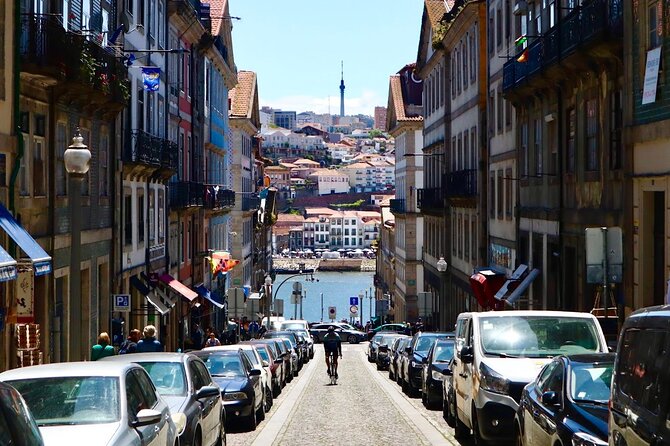
The first landmark is a building that was designed from the start to be exclusively dedicated to music, for performances and for training and creation. Even without getting lost in architecture details, the point is clear: Porto has long treated music as part of daily identity, not just entertainment.
This is a strong opener because it shifts your mindset. You’re not only walking to “get food.” You’re learning how the city thinks. Food and culture sit in the same neighborhoods, and your guide usually uses stops like this to frame later stories about tradition, work, and community.
Potential drawback: because it’s an early stop, you’ll be gathering the group and settling in. If you show up late or distracted, you might miss some of the context your guide would otherwise give.
A quiet historic urban park moment to reset
Next comes a small historic urban park with a serene vibe, trees, plants, and sculptures. This pause matters because Porto walking is often rapid, especially if you’re moving from viewpoint to viewpoint.
I like this kind of stop for two reasons. First, it breaks up the walking load so the food tastings feel enjoyable instead of stressful. Second, it gives you a visual rest, so the next food and sight moments land better in your memory.
Expect this to be more about atmosphere than a “see it in two minutes” photo stop. If you like wandering slower for 10 to 15 minutes, this part usually feels like a breather.
Historic district energy and a guide who ties it to food
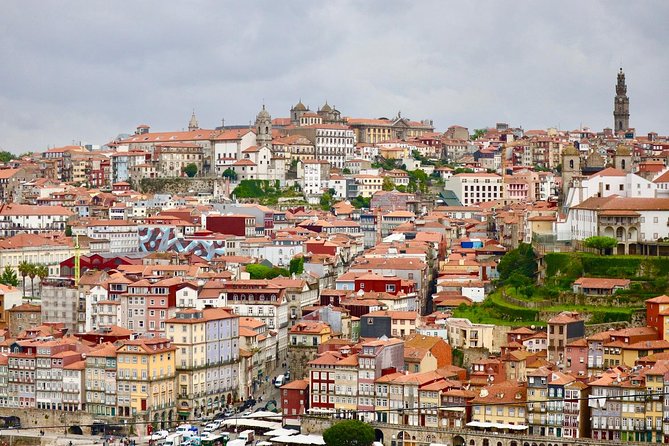
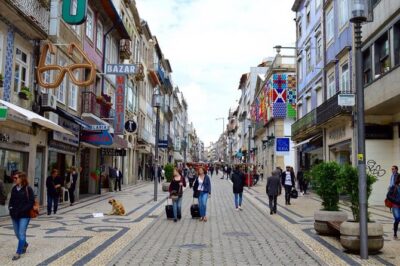
After the park, you’ll spend time in one of the most beautiful and lively areas of Porto’s historic center. This is where you start seeing how the city’s layout supports its food culture: tight streets, neighborhood bakeries, casual snack joints, and the kind of daily rhythms that keep traditions alive.
For me, the big value here is the way guides connect the setting to the menu. You’ll be moving through viewpoints while your guide talks about what locals eat, how they eat it, and what to look for when you order on your own.
A small consideration: historic center streets can mean more street noise and visual distractions. With a tight group, it’s manageable, but it can still affect how clearly you hear stories at every stop. If you’re hard of hearing, position yourself where the guide speaks best, not where the view looks best.
Crossing the Douro on a double-deck metal arch bridge
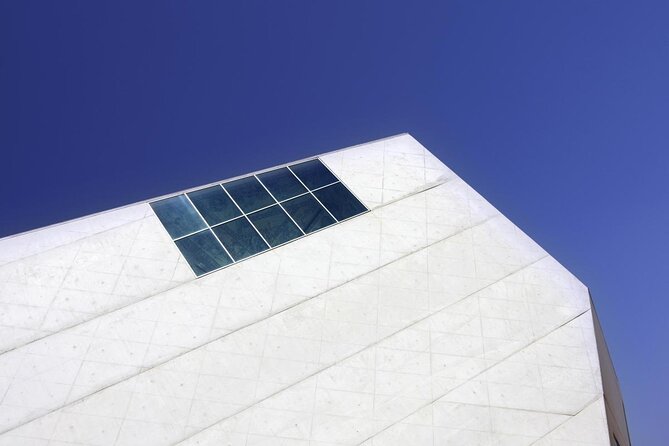
Then you hit the river moment: a double-deck metal arch bridge spanning the Douro between Porto and Vila Nova de Gaia. The bridge is a built-in viewpoint. You get that “you’re in Porto now” feeling without having to choose a separate ride or climb.
This stop is useful for travelers because it helps you understand the city’s geography fast. Porto’s food culture is strongly shaped by the river and the warehouses and neighborhoods across it. Even if you’re not buying anything yet, this is the right time to connect what you’ve been tasting to where it comes from and why the city grew where it did.
The city’s tallest campanile and panoramic payoff
The final major sight described is the tallest campanile in Portugal, visible from multiple points and one of Porto’s key symbols. In practical terms, it’s a landmark that helps you orient yourself as you move around.
This is a great stop to close with because it gives you a mental map. Once you’ve seen that tower and understood where it sits, it’s easier to navigate later for dinners, wine tastings, and casual snacks.
One caution: campanile viewpoints usually come with lots of foot traffic and changing lines depending on day and crowd levels. Even though your group is small, you may still be standing in shared public space. If you want quieter photos, ask your guide when the best moment is.
The 8 tastings that make the tour feel like a real meal
This tour’s menu is the heart of it. The included items are:
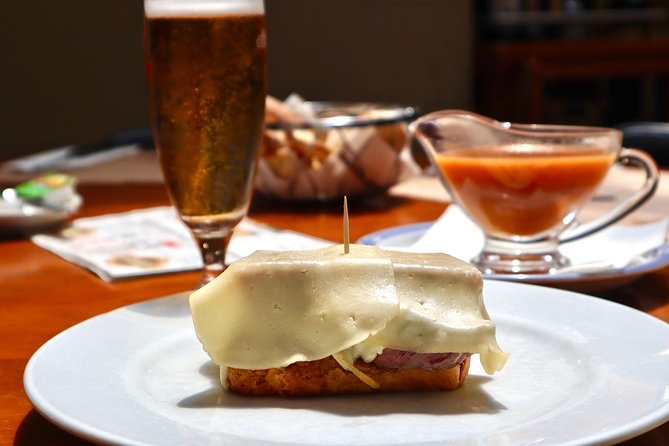
- Portuguese custard tart (Pastel de Nata), flaky and creamy
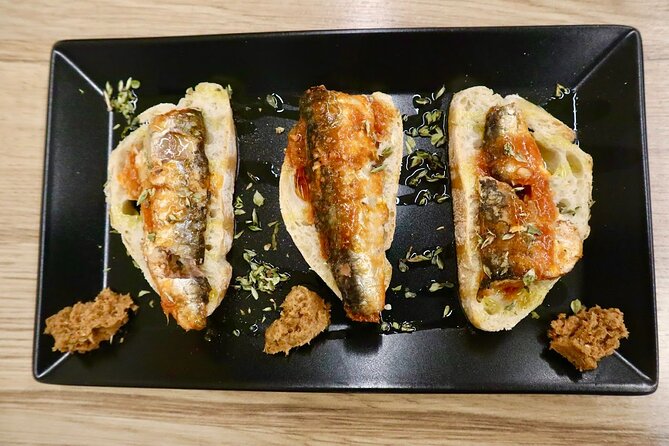
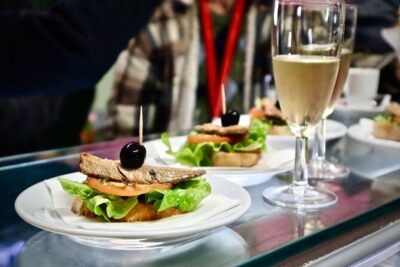
- Traditional canned Portuguese fish, flavorful and local
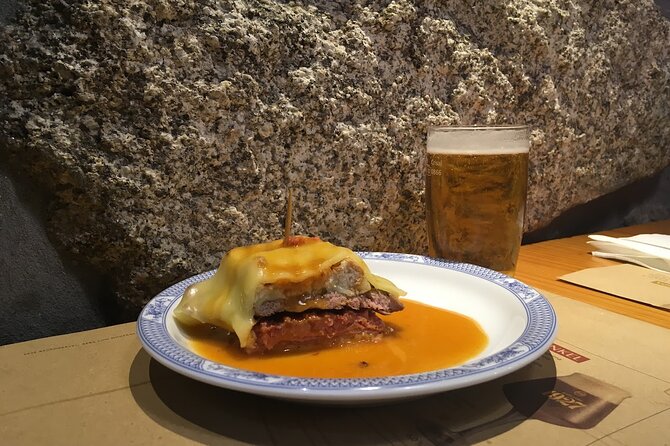
- Bifana, a tender pork sandwich with local spices
- Codfish cake, a very traditional preparation
- Our Secret Dish (the exact item may vary based on conditions)
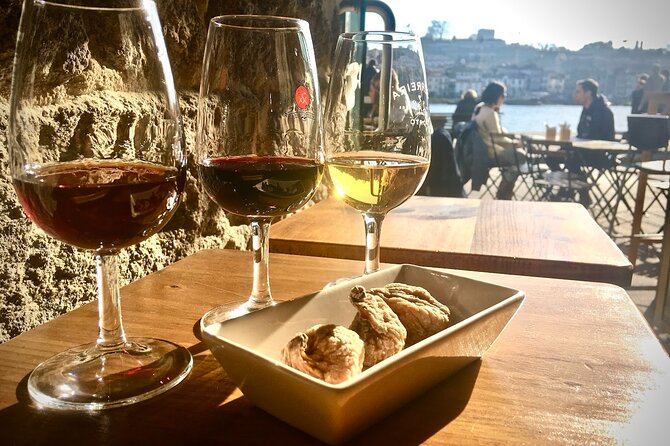
- Drinks: vinho verde, local beer, and aged port wine
- Tea or coffee and water
Here’s how I’d think about each tasting so you get more out of it.
Custard tart first: the “Porto sweet” baseline
Pastel de Nata is the kind of classic you can find in many Portuguese cities, but on this tour it acts like a baseline. You’ll notice the balance of flaky pastry and creamy custard. The guide often uses this stop to explain how Porto sweets fit into broader Portuguese food habits.
If you’ve had custard tarts before, treat this as a comparison point. If you haven’t, it’s a friendly entry that doesn’t require bravery.
Canned fish: the humble Porto lesson
Canned fish can sound simple, but Portuguese canned versions are often packed with flavor and texture. This stop is valuable because it shows a side of Portuguese eating that’s not always tourist-focused.
If you’re worried about fish, take a small bite first, then decide. This is a tasting, but it’s still presented as a real local favorite, not a token nibble.
Bifana: a snack that’s basically lunch
Bifana is one of those Portuguese foods you’ll likely keep thinking about after. It’s a warm pork sandwich with local spices, built for portability and everyday comfort.
What makes the tour’s bifana stop worth it is that it pairs with the city walk. You see where people live and trade, then taste the kind of food that fits that pace. You’re also getting it in a setting where locals understand it, so it’s easier to order confidently when you’re back on your own.
Codfish cake: salty, filling, and Porto-friendly
Codfish cake is traditional, and it usually hits the sweet spot between savory and satisfying. If you like crisp edges and hearty flavors, this part tends to be a crowd favorite.
I also like it because it’s not just bread and sauce. It gives you that proper main-course feel you’d miss if the tour only served sweets and small snacks.
The Secret Dish: why you should keep your appetite
The menu includes a Secret Dish, which is exactly what it sounds like, and the guide may choose it based on route and availability. This is one reason to show up hungry. If you already ate a full breakfast, you might feel the pacing more than the flavor.
From a practical standpoint, this is your “wild card” tasting. It’s designed to add surprise while still fitting Porto’s food identity.
Drinks included: vinho verde, beer, and aged port
The drink line-up is practical and Porto-specific:
- Crisp vinho verde
- Local beer
- Aged port wine
- Plus tea or coffee and water
Vinho verde is often served chilled, and it works well as a palate reset between savory tastings. Aged port wine adds that sweet, wine-country vibe that Porto is famous for, but your guide’s pacing matters so it doesn’t take over the meal.
If you prefer to stay in control, pace your sips. You’re walking, and the tour already includes enough food that you can skip the rush and still enjoy everything.
Market browsing and sardines when the route allows
One extra detail that shows up in the experience: a stop at a local market, with time to taste sardines and browse. One report specifically mentioned Bolhão as the market stop and described tasting sardines there, plus an opportunity for some people to shop for spices and coffee.
Because the itinerary is subject to change based on availability and weather, don’t assume you’ll get every same detail. But if a market moment is part of your day, treat it like a bonus class. Look at the products, ask what to buy if you want to cook later, and consider grabbing spices you’ll actually use.
Hidden details that make the tour useful after you eat
The best food tours don’t end at the last bite. This one has a purpose: you learn how to keep exploring.
In feedback, guides like Jose and Marta helped people plan future wine tastings, and they even suggested restaurant types to return to later. Another practical perk: during the walk, guides point out spots you can return to on your own, so the tour becomes a shortcut to your own itinerary.
My advice is to take mental notes during the last third of the tour. The route hits major sights and neighborhoods, but the best follow-ups are often the little streets and storefronts your guide highlights on the way.
Who this Porto food tour fits best
This tour is a good match if you want:
- A first-day overview that mixes major sights with food
- Enough tastings to skip a later meal
- A small group experience where you can ask questions
- English guidance, since the tour is offered in English
It may be less ideal if you:
- Hate walking hills
- Want a fully relaxed pace with no crowding at viewpoints
- Have very specific dietary needs and need special handling, since you’ll need to contact the operator in advance for best catering
Should you book this Porto food tour with 8 tastings?
I think you should book if you’re trying to do two things at once: learn the city in a guided way and eat Porto classics without guesswork. The combination of Pastel de Nata, bifana, codfish cake, plus fish and a secret dish, makes the tastings feel like an actual meal. Add in vino verde, local beer, and aged port, and the value starts to make sense fast.
Don’t book it expecting a museum-style pace with no walking. This is a real walking tour. Wear comfortable shoes, arrive on time at R. de Passos Manuel 137, and plan to end at Rua das Flores so you’re not scrambling for your next stop.
If you like guides who bring the city to life through food and street-level context, this one looks like a strong bet.
FAQ
How long is the Porto Food Tour with 8 tastings?
The tour runs for about 3 hours 30 minutes.
What is the price per person?
The listed price is $100.42 per person.
How many travelers are in the group?
The tour has a maximum of 12 travelers.
Is the tour offered in English?
Yes, it is offered in English.
Where do I meet for the tour?
The meeting point is R. de Passos Manuel 137, 4000-382 Porto.
Where does the tour end?
The tour ends at Rua das Flores, Porto.
What food tastings are included?
Included tastings are Pastel de Nata, canned Portuguese fish, bifana, traditional codfish cake, and a Secret Dish. (It also includes enough snacks to make up a full meal.)
What drinks are included?
You get vino verde, local beer, aged port wine, and tea or coffee, plus water.
Does the tour include hotel pick up or drop off?
No. Hotel pick up and drop off are not included.
What if I have dietary requirements?
You should contact in advance so the team can cater as best as possible.
Do I need to bring comfortable shoes?
Yes. The tour involves a fair amount of walking, and comfortable shoes are recommended.
More Food & Drink in Porto
- From Porto: Douro Valley w/ Boat Tour, Wine Tasting & Lunch
★ 4.7 · 19,061 reviews - Porto: Cálem Cellar Tour, Interactive Museum & Wine Tasting
★ 4.5 · 4,113 reviews - Douro Valley Small-Group Tour with Wine Tasting, Lunch and Boat
★ 5.0 · 3,642 reviews - Porto: Cálem Cellar Tour, Fado Show & Wine Tasting
★ 4.4 · 3,530 reviews
More Food in Porto
- Porto Craft Beer Tour: 7 Beers + 3 Food Pairings in a Small Group
★ 5.0 · 1,725 reviews - Porto: Douro Valley & Amarante Wine, Food & River Tour
★ 4.7 · 1,411 reviews - Authentic Food and Wine Tour in Porto by Food Lover Tour
★ 5.0 · 1,057 reviews - Porto: Delicious Food and Wine Walking Tour
★ 4.8 · 977 reviews
Just added around Porto
- Meditation Experience at a Lovely Farm in Porto★ 5.0 · 19 reviews
- Private Portuguese Cooking and Wine Experience in Porto★ 5.0 · 30 reviews
- Douro Valley Prime Tour: Wine Tastings, Boat & Lunch from Porto★ 5.0 · 572 reviews
- Port Wine Tour | 3 Cellars | 7 Tastings | 12 Participants Maximum★ 5.0 · 443 reviews
- Private Boat Tour on the Douro River at Sunset★ 5.0 · 21 reviews
- Visit to Cockburn’s Cellars★ 5.0 · 526 reviews
- Wine Tasting with Tapas Walking Tour in Porto★ 4.5 · 544 reviews
- PORTO city Walking Tour★ 5.0 · 132 reviews
Food & Pastel de Nata Tours, compared.
Porto Food & Wine Tasting Tour with Lunch or Dinner Option
Read our review →
Baixa District Food Tour with Dinner and Drinks
Read our review →
Lisbon Small-Group Food Tour with 18 Tastings in Alfama District
Read our review →
Devour Lisbon: The Ultimate Portuguese Food Tour
Read our review →
Pastel de Nata Cooking Class with Grandma’s Recipe
Read our review →
Lisbon Food Tour with 10+ Tastings of Local Delicacies & Wines
Read our review →Browse the lists this tour appears in