
Reviewed · WORKSHOPS
Portuguese Pastry Workshop in Lisbon
Two Lisbon pastries, made by hand, is the point of this class. I love the small group (max 6) and the hands-on baking for Pastel de Nata and Travesseiro de Sintra; just note you will taste with alcoholic drinks like Porto wine or Ginja liquor.
You meet at Casa dos Ovos Moles em Lisboa on Calçada do Sacramento, a cozy shop run with plenty of warmth from instructors such as Filipa and Maria. The whole session is built around learning by doing, then sitting down to taste what you made with coffee and tea.
With a roughly 2-hour timeline and English instruction, this is an easy afternoon plan if you want something more personal than another viewpoint stop. Class times can vary by day of the week, and one common start time is 3:00 pm.
In This Review
- Key highlights you should care about
- Price and what you are really paying for in a Lisbon baking class
- Where the workshop starts on Calçada do Sacramento (and why it matters)
- Pastel de Nata, made by hand, with puff pastry technique
- Travesseiro de Sintra, a different pastry personality
- The tasting: Porto wine or ginja liquor plus coffee and tea
- The history lesson you actually remember
- Group size, language, and timing that fit real days
- What it feels like in practice (not just on paper)
- Who should book this Portuguese pastry workshop
- How to plan your afternoon so it goes smoothly
- Should you book the Portuguese pastry workshop in Lisbon?
- FAQ
- How long is the Portuguese pastry workshop in Lisbon?
- What is the meeting point for the class?
- What time does the workshop start?
- Is the class taught in English?
- How many people are in a booking?
- What pastries will I learn to make?
- What drinks and food are included?
- Do I eat what I make?
- Will I get anything to take home?
- Is transportation included?
Key highlights you should care about
- Two pastries from scratch: Pastel de Nata plus Travesseiro de Sintra, both from the start.
- Small group attention: up to 6 people, so you are not watching from the sidelines.
- Hands-on technique: puff pastry and fillings made by hand, not just assembled.
- Taste with Lisbon flavor: Porto wine or Ginja liquor paired with what you bake.
- Recipes to take home: you can recreate the pastries later, not just eat them on the spot.
Price and what you are really paying for in a Lisbon baking class
At $96.55 per person for about 2 hours, this is not a bargain snack stop. It is closer to a guided food experience where you get coaching, ingredients, and equipment time while you actually make two regional specialties.
The value here is the combination: you are learning techniques for Pastel de Nata and Travesseiro de Sintra, and the class wraps with tasting plus drinks (alcoholic and nonalcoholic). You also get the social bonus of a very small group, which makes it easier to ask questions and get real feedback while your dough is still in front of you.
Other Lisbon plans worth comparing
- Lisbon City Center Tour – The Unmissable Lisbon
★ 5.0 · 22,234 reviews - Lisbon: Sintra, Pena, Regaleira, Cabo da Roca & Cascais
★ 4.7 · 19,656 reviews - Lisbon Card: 24, 48, or 72-Hour Pass
★ 4.5 · 17,944 reviews
Where the workshop starts on Calçada do Sacramento (and why it matters)
The class meets at Calçada do Sacramento 25, 1200-393 Lisboa, Portugal, at Casa dos Ovos Moles em Lisboa. This matters because the area is central enough that you can work it into a standard sightseeing day without a complicated commute, and it is near public transportation.
It also ends back at the same meeting point, so you do not have to plan a second transfer after your pastries are ready. If you are the type who hates scrambling after a meal or activity, this “back to start” setup is a quiet win.
Pastel de Nata, made by hand, with puff pastry technique
This is the pastry most people come for, and the class treats it seriously. You learn the full process from scratch, including the puff pastry work done by hand, so you get a real sense of why Lisbon’s custard tarts have that specific texture.
What you should look for during the baking lesson is not just the ingredients, but the method. Pastel de Nata depends on careful layering and handling, and that is exactly why a hands-on format works better than watching a video later. If you have eaten great pasteis in Portugal, you already know the difference comes down to technique, not just sweetness.
A nice bonus is how the teaching is usually paced for groups of up to six. In that size, you are not stuck waiting your turn while your dough sits around, and you can get help when something looks off.
Travesseiro de Sintra, a different pastry personality
The second pastry is Travesseiro de Sintra, another Lisbon region favorite with a distinct shape and filling vibe. The class is structured so you do not just sample it, you learn how it is built.
This is a great choice for anyone who thinks they already know Portuguese pastries. Pasteis de Nata are famous, sure. But Travesseiro de Sintra adds variety to your understanding, and it makes the workshop feel like more than one repeating process.
In the same part of Portugal:
- Lisbon: Jerónimos Monastery Entrance Ticket
★ 4.1 · 14,164 reviews - Lisbon: History, Stories and Lifestyle Walking Tour
★ 4.8 · 10,902 reviews - Lisbon: Sunset Boat Party Cruise with DJ and Open Bar
★ 4.5 · 10,378 reviews - Lisbon: Sintra, Pena, Regaleira, Cabo da Roca, and Cascais
★ 4.7 · 10,147 reviews
The tasting: Porto wine or ginja liquor plus coffee and tea
The class is not all work and no reward. Once you have made the two pastries, you taste what you created with Porto wine or Ginja liquor, and you also get coffee and/or tea plus snacks.
That pairing is part of the fun. Custard tarts and almond-ish, sweet fillings tend to feel better with a slightly bitter or spirit-forward drink, and Porto or ginja helps balance the sweetness. If you prefer to avoid alcohol, you should still plan around the fact that alcoholic beverages are part of the experience format.
The history lesson you actually remember
This is where the class goes beyond technique. You learn about the story behind Portuguese pastries, including the idea that pastries were created inside Portuguese monasteries. It is the kind of background that helps you connect the flavors to the culture, instead of treating the pastries like random desserts.
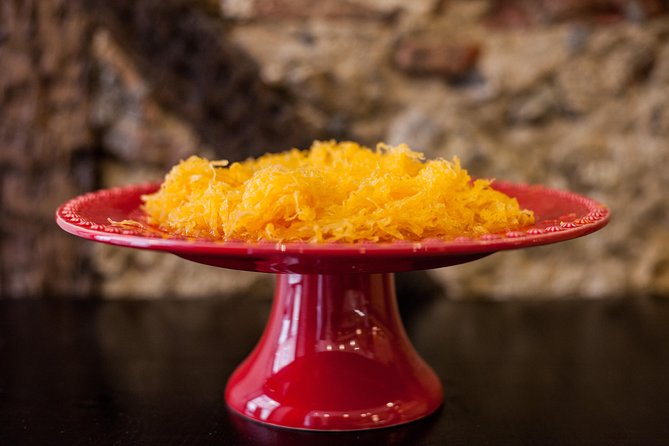
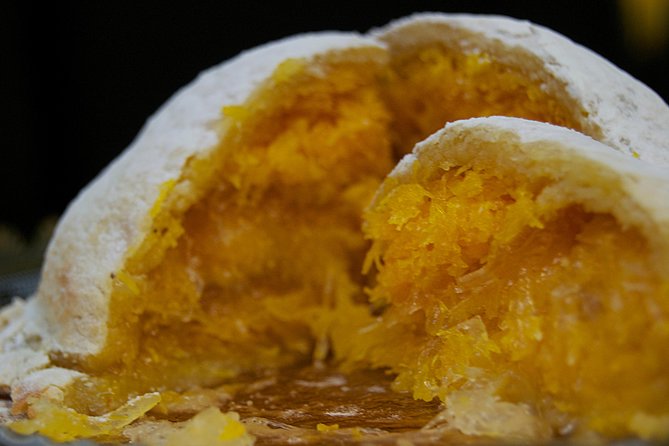
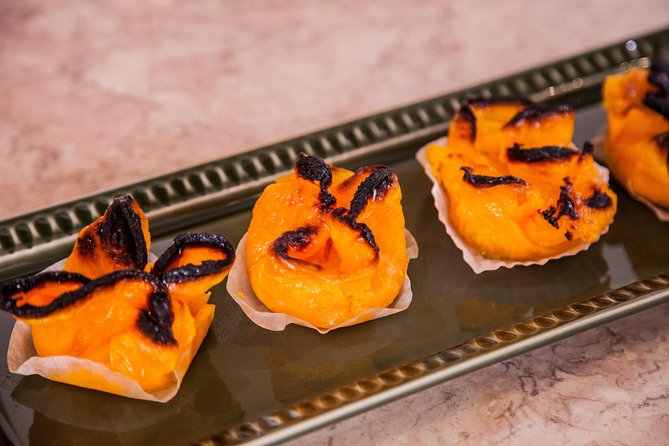
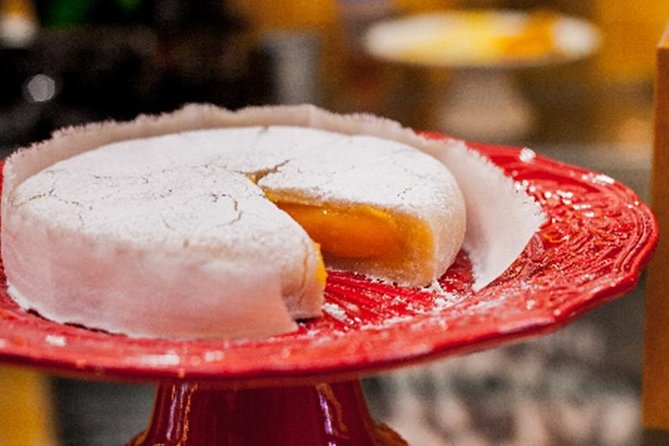
At Casa dos Ovos Moles em Lisboa, you are also in a shop that specializes in a 500-year-old tradition of ovos moles. The workshop does not turn into an ovos moles lesson, but being in that context helps the history feel grounded, not like a detached slideshow.
Group size, language, and timing that fit real days
This activity is offered in English, which keeps it accessible for most visitors. It is also capped at a maximum of 6 travelers per booking, which is a big deal for cooking classes. Smaller groups mean more time for questions and more direct attention while you are shaping dough or assembling pastries.
The session runs about 2 hours, and class times differ depending on the day of the week. One start time listed is 3:00 pm, so if you are juggling museum hours or long lunch plans, you have a simple late-afternoon window that usually works.
What it feels like in practice (not just on paper)
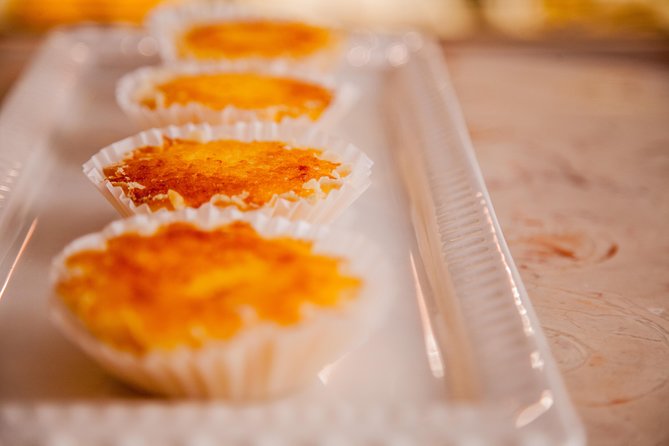
The workshop is structured around “make first, talk after.” You start at the shop, learn the process from scratch, and stay involved until the tasting. That hands-on flow is why people often come out with more than just a full stomach.
You also leave with something useful: recipes. Many people mention that they receive recipes to make the pastries at home, and that turns the class into a skill you can revisit instead of a one-time experience.
One more practical point: since you are working with dough and puff pastry technique, plan for a mildly messy, flour-friendly environment. Wear something you do not mind getting pastry dust on, and you’ll feel more relaxed while learning.
Who should book this Portuguese pastry workshop
This is a strong fit if you:
- Love Lisbon food and want to learn the pastry logic, not just buy pastries.
- Want a small-group class where you can actually participate.
- Travel with teens or older kids who enjoy hands-on activities. Several families mention teens having a great time, and the pace works for mixed age groups.
It might be less ideal if you:
- Want a sit-down lecture style experience. This is hands-on by design.
- Strictly avoid alcohol. Porto wine or ginja liquor are part of the tasting format.
How to plan your afternoon so it goes smoothly
To get the best experience, treat this like a mini craft workshop, not like a quick snack stop. Arrive on time so you can settle in, and plan to keep the next part of your day relaxed. Two hours moves quickly once you are shaping dough and timing steps.
Also, since it is near public transportation and in central Lisbon, you can pair it with nearby walking routes. The workshop location is easy to reach and easy to return to, which helps if you are also visiting viewpoints and historic streets that same day.
Should you book the Portuguese pastry workshop in Lisbon?
I think it is an easy yes for food lovers who want real technique and a memorable souvenir you can repeat at home. The pricing makes more sense when you frame it as: small group coaching, two pastries from scratch, tasting with Porto or ginja, plus coffee and tea, all in about 2 hours.
Skip it only if you want something purely sight-based or you are not interested in hands-on baking. If you do want to understand what makes pastel de nata and Travesseiro de Sintra special, this workshop is one of the most practical ways to do it in Lisbon.
FAQ
How long is the Portuguese pastry workshop in Lisbon?
It runs for about 2 hours.
What is the meeting point for the class?
The start location is Calçada do Sacramento 25, 1200-393 Lisboa, Portugal.
What time does the workshop start?
The start time listed is 3:00 pm, and class times can differ depending on the day of the week.
Is the class taught in English?
Yes, it is offered in English.
How many people are in a booking?
The group size is capped at a maximum of 6 travelers.
What pastries will I learn to make?
You will learn to cook two Portuguese pastries: Pastel de Nata and Travesseiro de Sintra.
What drinks and food are included?
You get beverages and snacks, plus coffee and/or tea. Alcoholic beverages are included too, specifically Porto wine or Ginja liquor with the tasting.
Do I eat what I make?
Yes. The pastries are served for tasting as part of the class experience.
Will I get anything to take home?
You will receive recipes so you can try making the pastries at home.
Is transportation included?
No, transportation to or from attractions is not included. The activity ends back at the meeting point.
Just added around Lisbon
- Morning Sailing Tour in Tagus River from Lisbon★ 5.0 · 68 reviews
- Private Half Day – The Majestic Pena Palace & Sintra★ 5.0 · 90 reviews
- Lisbon Private 3 hours tour★ 4.5 · 33 reviews
- PRIVATE Unforgettable Full Day Tour to Sintra from Lisbon★ 5.0 · 236 reviews
- Lisbon: Catamaran Luxury Sunset and Wine Tour★ 5.0 · 119 reviews
- Lisbon’s authentic Food and Wine tour with a Winemaker★ 5.0 · 67 reviews
- Sesimbra Wild Beach Tour from Lisbon★ 5.0 · 57 reviews
- Private Jeep Tour from Lisbon – Arrábida, Sesimbra & Beach Picnic★ 5.0 · 48 reviews
Workshops, compared.
Pastel de Nata Cooking Class with Grandma’s Recipe
Read our review →
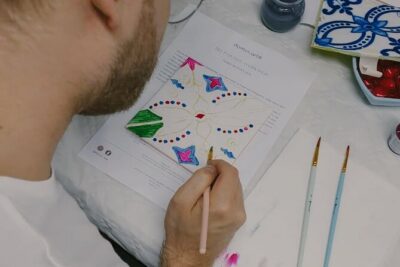
Tile Painting Workshop with Porto Wine – Sé do Porto
Read our review →
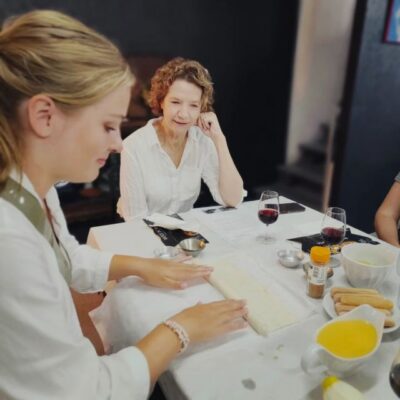
Pastel de Nata Cooking Class with Port Wine – Sé
Read our review →
Browse the lists this tour appears in