
Reviewed · WALKING TOURS
Half-Day Walking Tour about the African Presence in Lisbon
Lisbon has a side most visitors miss, the African presence. This half-day walking tour gives you small-group access and guide-led storytelling that links neighborhoods to the slave trade, Moorish roots, and later integration. I like the slow pace and clear takeaways, but one thing to consider is that a few departures have had timing and pacing issues, including limited, unscheduled restroom stops.
What makes this one feel different is the route itself. You move through corners of Alfama, public squares, and major landmarks like Igreja de São Domingos and Rossio station, all while your guide uses history to explain what you are actually standing in. If you need very structured breaks, or if you are sensitive to delays, plan for extra patience.
In This Review
- Key highlights
- Walking Lisbon’s African presence, and why this tour format fits
- Price and value: what you are paying for at $179.74 per person
- Starting at Praça dos Restauradores: how the morning sets the tone
- Alfama to Chafariz d’El Rei: where the story begins on older streets
- Campo das Cebolas to Terreiro do Paço: port history and social ranking in public space
- Calle Rosa de Lisboa and Time Out Market: how work and survival show up in the present
- Jardim Dom Luis and the Brazilian consulate: abolition and consequences in real locations
- Praca Dom Pedro IV to Igreja de São Domingos: integration, Catholicism, and social mixing
- Estação do Rossio and the independence square: empire, Berlin 1884, and African fighters
- Guide factor: Alcides and the art of making hard history understandable
- Practical tips before you go: shoes, rest stops, and comfort
- Who should book this African presence in Lisbon tour
- Should you book this tour?
- FAQ
- How long is the half-day walking tour about the African presence in Lisbon?
- Where does the tour start and where does it end?
- What is the group size for this tour?
- What language is the tour offered in?
- Is admission included for the stops?
- What level of physical fitness do I need?
- Is the tour accessible by public transportation?
- Is there a mobile ticket?
- What is the cancellation policy?
Key highlights
- A small group (up to 15) keeps the conversation going
- Alfama and port-area stops connect Lisbon streets to African arrivals and slavery
- Free, walk-to sites mean you spend money on the guide, not admissions
- Guide storytelling led by Alcides (often known as Al) ties the past to the present
- Religion, public memory, and empire show up at churches, gardens, and Rossio station
Walking Lisbon’s African presence, and why this tour format fits
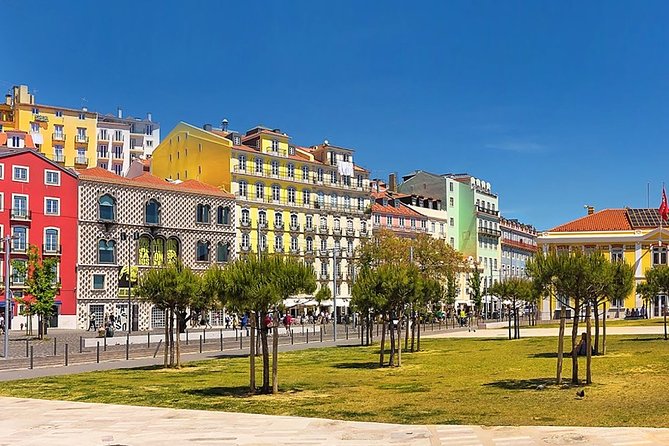
If you want Lisbon history that goes past the usual tile-and-tram version, walking helps. You are not just looking at plaques. You are moving street by street, which makes the “why this matters” part land faster.
This tour lasts about 3 to 4 hours, runs in English, and stays focused on a single theme: Africa’s presence in Lisbon and the effects that shaped Portuguese society. That theme matters because it changes how you interpret what you see. Alfama is no longer only picturesque. Squares like Terreiro do Paço become more than photo spots. Even churches and stations become part of the story of who had access, who had power, and who had to survive.
I also like that the tour leans into conversation. In many of the best cultural walks, the guide talks at you. Here, the best moments are when you ask questions and the guide answers with detail, not vague “it was complicated” hand waving.
One practical consideration: because it is a true walking tour, you will be on your feet for the whole experience. The operator calls for moderate physical fitness, so bring good shoes and expect Lisbon hills.
More Walking Tours in Lisbon
- Lisbon: History, Stories and Lifestyle Walking Tour
★ 4.8 · 10,902 reviews - Best of Lisbon Small-Group Guided Walking Tour
★ 5.0 · 4,869 reviews - Lisbon: Food and Wine Small Group Walking Tour
★ 4.9 · 4,082 reviews
Price and value: what you are paying for at $179.74 per person
At $179.74 per person, this is not a cheap add-on. So the value has to come from what is included, and from what you get to do with it.
Here is the math in plain terms. There are free admission stops across the route, so your money mainly goes to the guide time and the structure of the route. You also get a mobile ticket and the benefit of a small-group format (maximum 15). The small group is the part you can feel. You are more likely to get personal follow-up questions, and you are less likely to lose the thread while the guide waits for everyone to catch up.
Is it overpriced on every day? I cannot promise you will feel that way. One set of feedback flagged the price as high. That usually means the tour did not deliver the storytelling intensity people were hoping for, or the guide was harder to follow in that specific session.
My advice: if your goal is to understand Lisbon from the perspective of African presence in Portuguese history, and you are happy with a walk-through experience, the price can make sense. If you mostly want quick sightseeing with minimal talking, you might feel it is steep.
Starting at Praça dos Restauradores: how the morning sets the tone
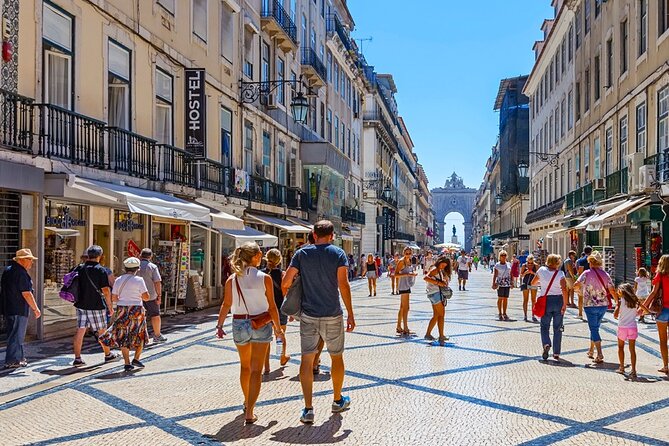
You meet at Praça dos Restauradores and the tour ends back at the same point. That round-trip start matters because it reduces stress. You can plan your day around one known anchor and then head out for lunch afterward.
The start time is 9:00 am, which is helpful. Morning light is kinder on cobblestones, and you often beat the heaviest foot traffic. Still, timing can be a factor. Some feedback mentioned a late start, so if you are trying to stack other timed plans right after, keep a buffer.
You will also want to confirm a simple readiness item before you go: know exactly where the meeting point is. One comment specifically called this out, and it is the kind of problem that ruins a good walk fast.
Alfama to Chafariz d’El Rei: where the story begins on older streets
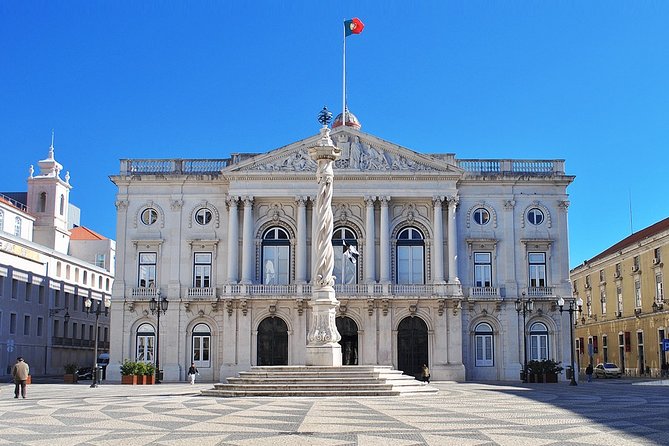
The tour kicks off in Alfama, Lisbon’s oldest neighborhood. According to the tour framing, it is connected to Arab foundations, and that becomes the entry point for conversations about Africa’s history, roots, and connections with other people.
Walking Alfama is not only scenic. It is an ideal setting for this theme because the neighborhood has layers. You feel the age in the street angles and the way old spaces still shape movement. The goal here is not to memorize dates, it is to notice how the city’s origins overlap with African and Moorish histories.
From there, you stop at Chafariz d’El Rei, a fountain that the tour uses to talk about social class divisions in the medieval period, including how Africans show up within that story. A fountain might sound like a small stop, but it is a smart choice for a themed walking tour. Public water access is a window into daily life and into who belonged.
Tip for enjoying this part: slow down your photos. Look up and read what the guide points out, then move on. The tour works best when you treat stops like conversations, not checklists.
Other Lisbon plans worth comparing
- Best of Lisbon Walking Tour: Rossio, Chiado & Alfama
★ 4.9 · 2,700 reviews - Age of Discoveries Walking Tour in Belém
★ 5.0 · 1,513 reviews - Sintra & Cascais Day Tour with Pena Palace Entry and Gardens Walk
★ 5.0 · 962 reviews - Lisbon Roots – Small group Food & Culture Walking Tour w/tastings
★ 5.0 · 910 reviews
Campo das Cebolas to Terreiro do Paço: port history and social ranking in public space
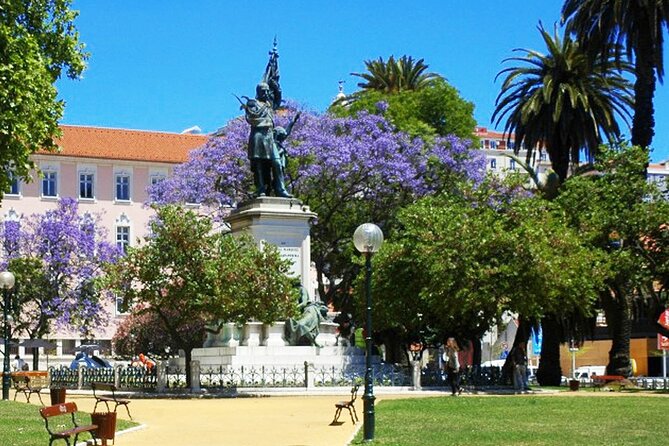
Next comes Campo das Cebolas, tied to the old port of Lisbon and described here as a place where the first African slaves arrived in Europe. Even if you already know the big historical outline, this is the moment where the route starts to feel heavy. The purpose is to connect your mental map of Lisbon to the mechanics of the slave trade.
Then you head to Praca do Comercio (Terreiro do Paco). This is one of Lisbon’s most emblematic squares, and the tour uses it to talk about major events in Portuguese history, with emphasis on its importance in the slave trade.
What I like about using Terreiro do Paço is that it is a high-visibility place. You can stand in a famous square and suddenly realize it carried lives and power struggles far beyond what tourists typically think about.
Between these stops, the tour also includes Lisbon’s central area rebuilt after the 1755 earthquake. The key value of that pause is perspective. Cities do not only change through new buildings. They change through who survives, who rebuilds, and which histories get erased or retold.
Calle Rosa de Lisboa and Time Out Market: how work and survival show up in the present
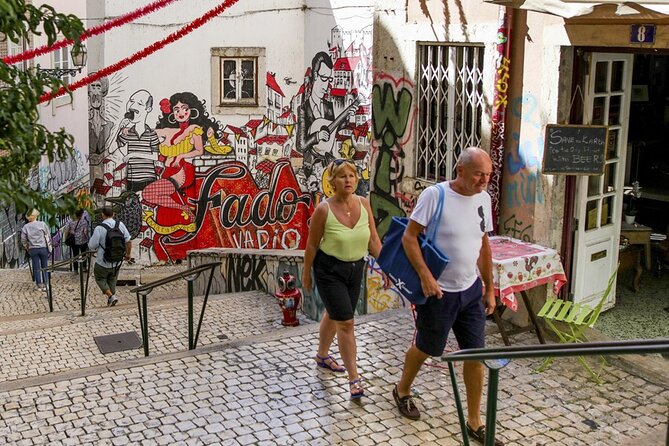
After the big squares, the route turns more intimate. You stop at Calle Rosa de Lisboa, described as a place where several African women provided services. This kind of stop is emotionally difficult, but it is also where the tour becomes more than “history trivia.” It gives you a human scale to what otherwise can feel like abstract trade routes.
A practical note: the area around Calle Rosa de Lisboa is best experienced with an open mind and no rushing. If you try to treat it like a quick photo stop, you will miss the point.
Then you move to Time Out Market Lisboa. Today it is known for food stalls and modern Lisbon energy, but the tour frames this space as a former workplace for many Africans. That contrast is the whole lesson. The city did not only host African presence in distant centuries. It shaped everyday labor patterns and lived experience in the city, and those layers can still be read in how the city functions now.
This is also a good segment to pace yourself. You will have walked a lot already, and market energy can tempt you to detach from the story and just snack. If you want the theme to stick, let the guide finish the meaning of the stop first, then enjoy the market on your own afterward.
Jardim Dom Luis and the Brazilian consulate: abolition and consequences in real locations
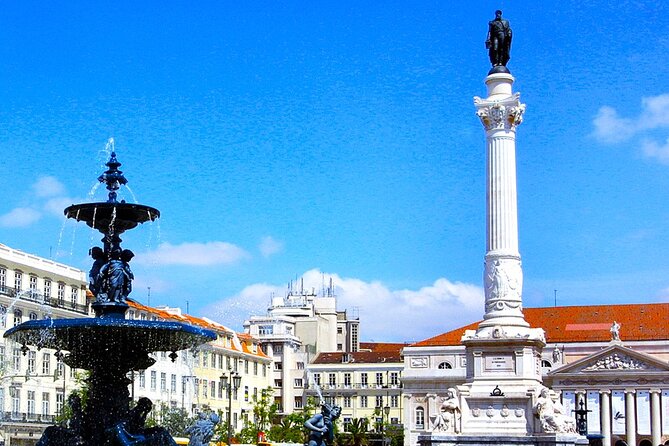
One of the most concrete stops on the route is Jardim Dom Luis, specifically connected to a statue of the Marquis Sá da Bandeira, presented here as responsible for the abolition of slavery in Portuguese territory and colonies.
This is a good reminder that abolition was not just a moral statement. It was policy, politics, and a long transition with consequences you can track across decades. The tour uses this garden stop to help you see how formal change does not erase the past overnight. It reframes Lisbon as a place where history shifts in public spaces.
Next is the Consulate-General of the Federative Republic of Brazil in Lisbon, where the guide discusses transatlantic slave traffic and its consequences. Even if you are not focused on consulates, this stop works because it brings the story out of old streets and into a living diplomatic setting.
If you like history that connects past to present identities, you will probably find this segment especially satisfying. You are not only learning what happened. You are also getting a sense of what those events mean for modern relationships.
Praca Dom Pedro IV to Igreja de São Domingos: integration, Catholicism, and social mixing
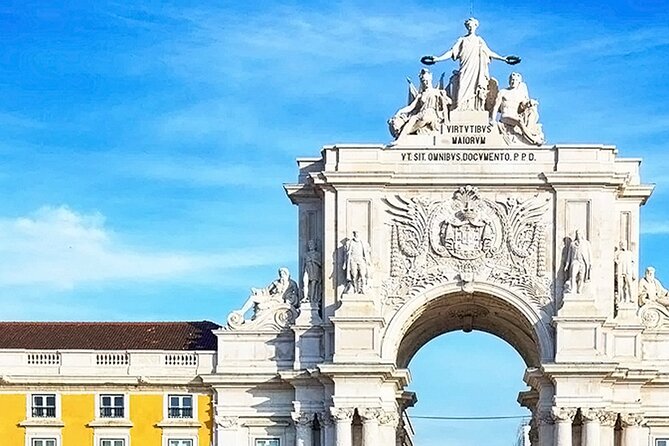
You then move to Praca Dom Pedro IV, described as central and busy, and used here to talk about integration of Africans and the creation of colonies. A key benefit of placing this discussion in a central square is visibility. Integration is not only a private family story. It shows up in how cities organize themselves, and in how groups share public space.
After that comes Igreja de São Domingos, where the tour explains forms of integration of Africans in Catholic religion and the achievements connected to that process.
This is another smart stop for the walking-tour format. Churches are often treated as architecture first. Here, they are treated as social systems. You are walking into a place where belief, identity, and community practices can be part of the story, not just the art.
If you are the type who enjoys asking questions, this is where your curiosity can pay off. Ask how the guide connects religion to daily life, not only to conversion as an event.
Estação do Rossio and the independence square: empire, Berlin 1884, and African fighters
The tour’s final big-landmark stretch includes Estação do Rossio. It is presented as a 19th-century station with Manueline architectural style, tied to Portugal’s golden times and its European claim-making in the context of the Berlin Conference of 1884, when African colonies were divided by European powers.
Stations can be tricky in tours. They risk becoming a quick exterior and then moving on. Here, the station becomes a symbol of how empire thinking shows up in impressive public buildings.
Then you visit a square associated with Portugal’s restoration of independence from Spain, with emphasis that many African slaves fought in that process. This is a heavy but important final beat. It pushes back on the idea that African involvement was only tied to forced labor in the colony system. It shows up in national events too.
The lesson you carry out is not just “Portugal was connected to Africa.” It is that African presence became part of Lisbon’s political life, social structure, and identity in ways that still echo today.
Guide factor: Alcides and the art of making hard history understandable
The biggest strength across the feedback is the guide. Names that come up include Alcides, sometimes referred to as Al, and the tour’s tone is praised as patient, informative, and story-driven.
One stand-out element in the feedback is that Alcides ties locations together with a personal lens, referenced as Cape Verdean ancestry, which helps the tour feel grounded instead of abstract. Another praise point is that his English is described as excellent, and in one comment it was noted that he studied in London. That matters because if a history tour is hard to understand, the theme can fall flat fast.
If you go, I suggest you come ready with questions. Ask about how Portuguese laws and society treated Africans over time, or how stories you learn in Lisbon connect to wider Atlantic history. If the guide is in top form, you will get answers that stay tied to what you are seeing.
A balanced note: at least one comment criticized a guide for being less passionate and difficult to understand. That sounds like an outlier, but it is enough that you should choose your expectations wisely. If you need nonstop clarity in every word, you may want to check recent trip reports close to your date, or be prepared to ask for repeats.
Practical tips before you go: shoes, rest stops, and comfort
This is a walking tour on Lisbon streets, so bring good shoes. One piece of advice strongly emphasized wearing comfortable walking footwear and being prepared for soreness.
Restrooms are the other practical issue. One comment noted that for a 3-hour experience, restroom breaks were not organized and a stop at a hotel did not feel welcoming. You can’t solve that in advance, but you can protect your experience by going before you start and planning to ask the guide if you need a break.
Also remember the tour is weather dependent. It is described as requiring good weather, which is normal for outdoor walking. If the day is rainy or miserable, you may be offered a different date or a refund.
Finally, this tour welcomes service animals and is near public transportation. It is also designed for people with moderate physical fitness, so you do not need to be a marathoner, but you should be comfortable with steady walking.
Who should book this African presence in Lisbon tour
Book it if you want:
- a focused theme about African presence, slavery, abolition, and integration in Lisbon
- a route that includes major landmarks like Igreja de São Domingos and Estação do Rossio, not just hidden corners
- small-group conversation where you can ask questions
- English guidance and free-entry stops that help you budget
Skip it or think twice if:
- you want mostly sightseeing with minimal discussion
- you strongly need scheduled restroom breaks
- you are comparing tours mainly on sightseeing value per hour, and you do not care about the historical framing
Should you book this tour?
I would book it if your Lisbon trip has even a little room for serious, story-led context. The combination of Alfama streets, port-area history, and major public buildings creates a route that changes how you see the city. The price is high, but the small-group format and the guide quality can make it worth it.
Just go in with the right expectation: this is a walking history tour, not a fast photo loop. Wear the shoes, keep some flexibility in your schedule, and come with questions. If you do, you will leave Lisbon with a sharper, less comfortable, and more honest understanding of how African presence shaped the city.
FAQ
How long is the half-day walking tour about the African presence in Lisbon?
It lasts about 3 to 4 hours.
Where does the tour start and where does it end?
You start at Praça dos Restauradores (Restauradores Square) in Lisbon, and the tour ends back at the same meeting point.
What is the group size for this tour?
The tour has a maximum group size of 15 travelers.
What language is the tour offered in?
The tour is offered in English.
Is admission included for the stops?
The listed stops have free admission tickets.
What level of physical fitness do I need?
The tour is suggested for travelers with a moderate physical fitness level.
Is the tour accessible by public transportation?
Yes, it is near public transportation.
Is there a mobile ticket?
Yes, the tour includes a mobile ticket.
What is the cancellation policy?
You can cancel for a full refund up to 24 hours before the experience start time. If you cancel less than 24 hours before, the amount paid is not refunded.
Just added around Lisbon
- Morning Sailing Tour in Tagus River from Lisbon★ 5.0 · 68 reviews
- Private Half Day – The Majestic Pena Palace & Sintra★ 5.0 · 90 reviews
- Lisbon Private 3 hours tour★ 4.5 · 33 reviews
- PRIVATE Unforgettable Full Day Tour to Sintra from Lisbon★ 5.0 · 236 reviews
- Lisbon: Catamaran Luxury Sunset and Wine Tour★ 5.0 · 119 reviews
- Lisbon’s authentic Food and Wine tour with a Winemaker★ 5.0 · 67 reviews
- Sesimbra Wild Beach Tour from Lisbon★ 5.0 · 57 reviews
- Private Jeep Tour from Lisbon – Arrábida, Sesimbra & Beach Picnic★ 5.0 · 48 reviews
Walking Tours, compared.
Best of Lisbon Small-Group Guided Walking Tour
Read our review →
Porto Walking Tour, Lello Bookshop, River Cruise and Cable Car
Read our review →
Best of Lisbon Walking Tour: Rossio, Chiado & Alfama
Read our review →
Experience Porto’s Charm: 3-Hour Guided Walking Tour
Read our review →
Enjoy a Guided Levada Walk in the Rabaçal Valley
Read our review →Browse the lists this tour appears in