
Reviewed · COOKING CLASSES
Hands on Portuguese Cooking Class in Lisbon
Three hours in a Lisbon kitchen.
This hands-on Portuguese cooking class at Compadre Cooking School is a practical way to learn flavors you’ll actually find on Portuguese menus, with step-by-step help from instructors like Anna and Marta. I especially love the personal kitchen-station setup for small groups and the fact that you take home the recipes to cook again later. One thing to consider, though: there’s no dessert option listed, and wine can be limited, so plan your expectations if you want a long, sweet finish.
You’ll start at a central address (R. Heliodoro Salgado nº14), get oriented in English, then cook and eat a full multi-course Portuguese meal. With a max of 12 people, it feels more like a group lesson than a show, and that matters when you want help with timing, seasoning, and technique.
If you’re the type who learns by doing (and eating), this is a very solid value for Lisbon. It’s not the kind of activity where you just watch, snap photos, and leave with vague memories.
In This Review
- Key points to know before you go
- Inside Compadre Cooking School, and why the class feels personal
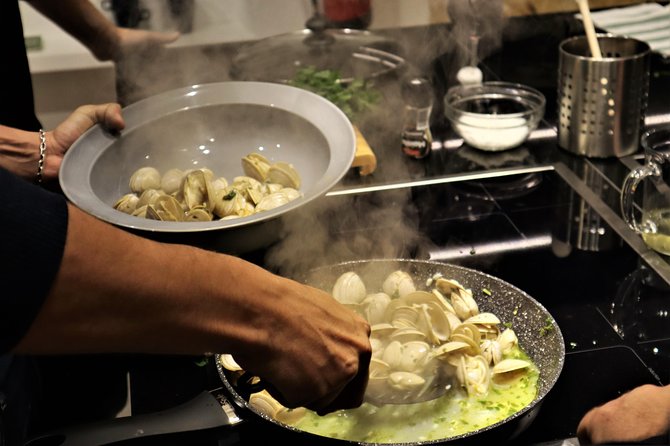
- What you cook: a real Portuguese meal, not random bites
- The bacalhau focus you’ll likely hear about
- Pepper and spice awareness
- You might see variations like piri piri or prawn-style prep
- The flow of the class, course by course
- Start: Compadre Cooking School and getting set up
- Starter course: the Portuguese starter lesson that sets the tone
- Main 1: traditional codfish dish (bacalhau style)
- Main 2: traditional meat dish
- Sharing the meal at the end
- Instructors: Anna and Marta bring the food to life
- The big value question: does 82.24 USD make sense?
- Practical tips so your class goes smoothly
- Who this cooking class is best for (and who might want something else)
- Should you book this Portuguese cooking class in Lisbon?
- FAQ
- How long is the Portuguese cooking class in Lisbon?
- Where do I meet for the class?
- Is the class offered in English?
- What is the group size?
- What will I cook during the class?
- Do I get recipes to take home?
- Is alcohol served?
- Are children allowed?
- What type of ticket do I receive?
- Is there free cancellation?
Key points to know before you go
- Small-group format (max 12) means more attention while you prep and cook
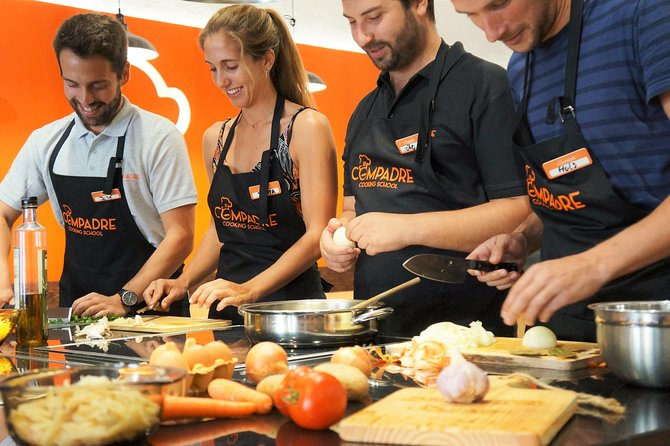
- Your own station helps you move at a real cooking pace
- Full Portuguese meal style (starter plus cod and meat mains) gives you a complete picture
- Recipes to take home let you recreate the dishes after your trip
- Bacalhau and Portuguese pepper flavor logic come up through the way the instructors explain dishes
- No dessert listed, and alcohol access may be limited, so eat accordingly
Inside Compadre Cooking School, and why the class feels personal
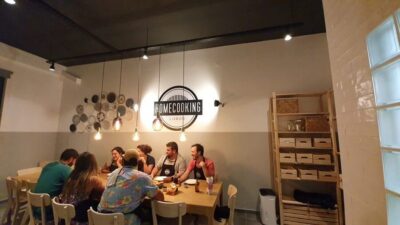
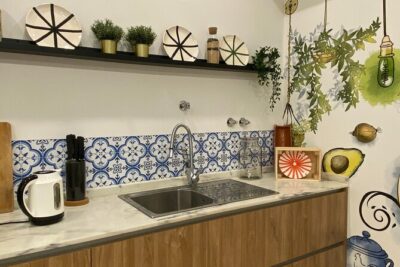
This experience takes place in a spacious cooking school where you get your own work station. That single detail makes a big difference. Cooking is part hands, part senses, and part timing. When you have space and tools to work right in front of you, you can actually follow what the instructor is doing, not just understand it in theory.
The school setting also helps with flow. The class runs about three hours, and it’s built around moving from course to course without turning the whole room into a traffic jam. You can focus on your food instead of worrying about whether you’re in the way.
You’ll meet at Compadre Cooking School at R. Heliodoro Salgado nº14, 1170-176 Lisboa. It’s described as near public transportation, which is useful if you don’t want to plan your day around one slow walk. The activity ends back at the same meeting point, so you don’t have to guess where you’ll be when you’re done.
English is offered, and most people choose this kind of class because they want more than a tourist meal. You’re learning how Portuguese dishes come together, and the format makes it easier to ask questions while the food is on the go.
More Cooking Classes in Lisbon
- Lisbon: Pastel de Nata Baking Class
★ 4.9 · 2,106 reviews - Lisbon: Traditional Portuguese Cooking Class
★ 4.9 · 592 reviews - Lisbon: 2-Hour Pastel de Nata Cooking Class
★ 4.8 · 461 reviews
What you cook: a real Portuguese meal, not random bites
The sample menu is a full Portuguese-style course meal:
- Starter: a traditional Portuguese starter
- Main: fish dish using a traditional codfish recipe
- Main: a traditional meat dish
In other words, you’re not stuck doing one easy dish and calling it a day. You build a meal the way Portuguese cooking often works: start, then one main that’s close to a national obsession, then another main that shows a different side of the cuisine.
The bacalhau focus you’ll likely hear about
Cod is a central character here. Multiple class participants highlighted learning about bacalhau (salted cod) and why it matters in Portuguese food culture. Even if you’ve eaten cod in other countries, bacalhau is its own thing, and the way Portuguese cooks treat it shows up in how they season and plan the dish.
You’ll also get practical taste training. When someone explains what makes bacalhau work, you start noticing what you like when you order it later in Lisbon. That makes this class useful beyond the day you take it.
Pepper and spice awareness
A few reviews mention learning about the different spicy peppers Portuguese cooks favor, and how that helps with choosing dishes in restaurants after the class. That’s exactly the kind of takeaway that improves your trip. You go from guessing to recognizing patterns in flavor.
For example, if you’re someone who thinks you hate spicy food, a class like this can make the difference between random heat and a specific Portuguese pepper style. In at least one class flavor profile mentioned piri piri style chicken, so don’t be shocked if that kind of heat shows up in your cooking.
Other Lisbon plans worth comparing
- Lisbon Portuguese Cooking Class with 3-Course Dinner
★ 5.0 · 445 reviews - Traditional Portuguese Cooking Class in Lisbon
★ 5.0 · 287 reviews - Pasteis de Nata Baking Class from Lisbon
★ 5.0 · 248 reviews - Portuguese Cooking Class in Lisbon
★ 5.0 · 141 reviews
You might see variations like piri piri or prawn-style prep
The sample menu highlights cod and a meat dish, but reviews also mention dishes like peri or piri piri chicken and a prawn dish (including prep like removing heads and deveining). So while your exact menu follows the class plan, be ready for realistic hands-on seafood prep if your session includes it. If you’re squeamish about that kind of kitchen prep, I’d ask the provider what your specific session will cover before you decide.
The flow of the class, course by course
This tour is roughly three hours, built around cooking and then eating what you made. There’s no long sightseeing agenda here. You’re essentially trading an afternoon walk for a working kitchen lesson.
Start: Compadre Cooking School and getting set up
When you arrive, you should expect a clean, well organized kitchen space and a straightforward setup for each station. People highlighted that the venue looked well set up, and that each small group works directly at their own station under instructor watch.
That’s important if you’re not an experienced cook. You can still follow along without feeling rushed. And if you already cook, you’ll likely appreciate the extra guidance for Portuguese techniques and seasoning decisions.
Starter course: the Portuguese starter lesson that sets the tone
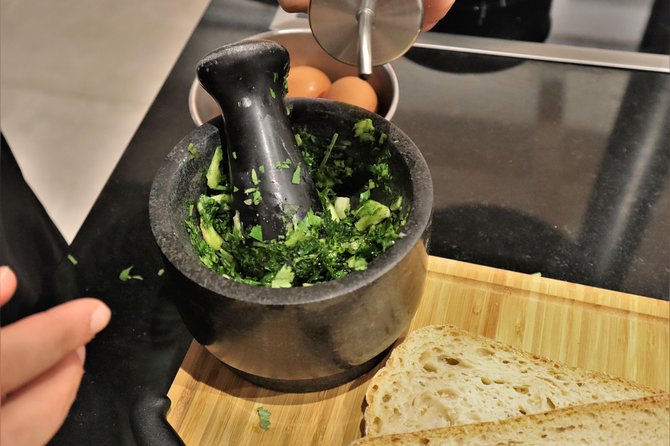
You’ll begin with a starter course based on a traditional Portuguese recipe. Even if you’re not sure what the starter will be on your specific day, the value is in learning the logic: how the Portuguese style builds flavor before the mains and how starters set up what comes next.
This is also where you practice the basics that make the mains easier:
- prepping ingredients
- getting seasoning right early
- understanding how long certain components need to be cooked
Main 1: traditional codfish dish (bacalhau style)
Next comes the fish main, centered on a traditional codfish recipe. If bacalhau is part of your session, pay attention to what the instructor emphasizes, especially around salted cod. The key theme you’ll hear repeated is that bacalhau is not just another fish dish, it’s a backbone of Portuguese cooking.
On a hands-on day, you’ll do more than taste. You’ll handle and cook it, so you learn the feel of it. And when you later order cod in Lisbon, you’ll understand what makes it Portuguese, not just what makes it fish.
Main 2: traditional meat dish
After fish, you’ll move to a traditional meat dish. This is where the course meal becomes truly satisfying. Portuguese food often includes strong, clear flavors that don’t rely on fancy steps. Cooking the meat dish gives you practice with Portuguese-style seasoning and technique so you can recognize it in restaurants.
Reviews also suggested that instructors explain history and traditions alongside cooking, so you’re getting context while you cook, not just instructions. That makes the whole lesson stick.
Sharing the meal at the end
After cooking, you’ll sit down and eat together. Several people called out the social part, and for good reason. You learn faster when you’re not isolated at your station. Plus, sharing the meal makes the class feel like an evening with a purpose, not an industrial food workshop.
If you want one practical benefit, it’s this: once you taste your own food, you understand how Portuguese recipes should actually come out. That means you’re more likely to recreate them at home without needing extra guesswork.
Instructors: Anna and Marta bring the food to life
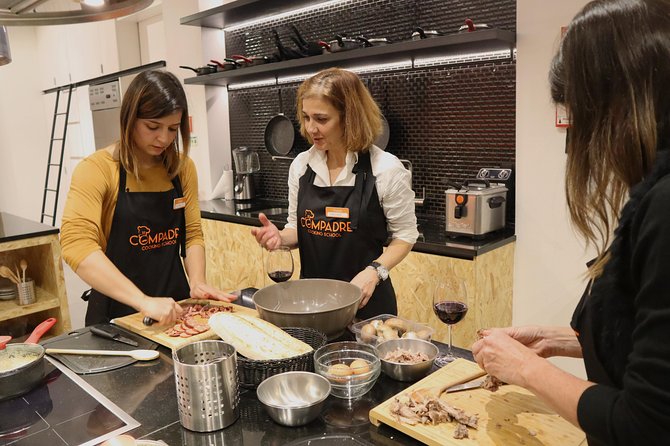
One of the strongest parts of this class is the teaching. Reviews repeatedly name instructors such as Anna and Marta, describing them as warm, patient, and very clear.
What I like about this kind of instruction is that it doesn’t just tell you what to do. It explains why certain flavors show up, and what Portuguese cooking values in the dish. If you enjoy culture through food, this is a very direct path.
You’ll also likely hear guided notes on things like:
- the importance of bacalhau in Portuguese cuisine
- how peppers influence the flavor profile
- how to think about Portuguese meals as courses, not just recipes
That’s how the class becomes more useful than a quick cooking demo. You leave with both method and context.
The big value question: does 82.24 USD make sense?
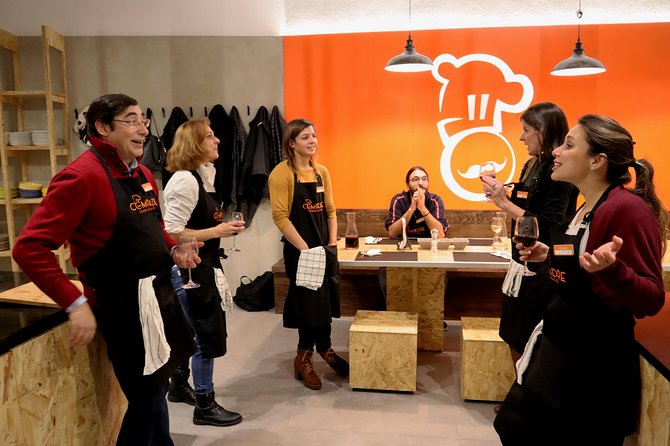
At $82.24 per person for about three hours, this can feel like a splurge, especially if you’re used to cheap meals in Lisbon. But value here isn’t just the food. You’re paying for:
- a small group setup (max 12)
- your own station and hands-on time
- step-by-step instruction from named instructors
- a full meal you cook and eat
- recipes you can take home and use later
That last item matters more than people think. A restaurant meal gives you a memory. A class with recipes gives you future dinners. If you plan to cook at home even once or twice in the next couple of months, the cost starts to look more reasonable.
There is one trade-off to mention. Some reviews note limited wine and no dessert option. If you’re the type who wants a wine-and-sweets style experience, you might feel like something is missing. But for learning Portuguese cooking seriously, this is strong value.
Also, this experience is commonly booked about 20 days in advance. That’s a sign it doesn’t stay available forever. If you’re traveling in peak season, I’d book early so you can lock in your preferred schedule.
Practical tips so your class goes smoothly
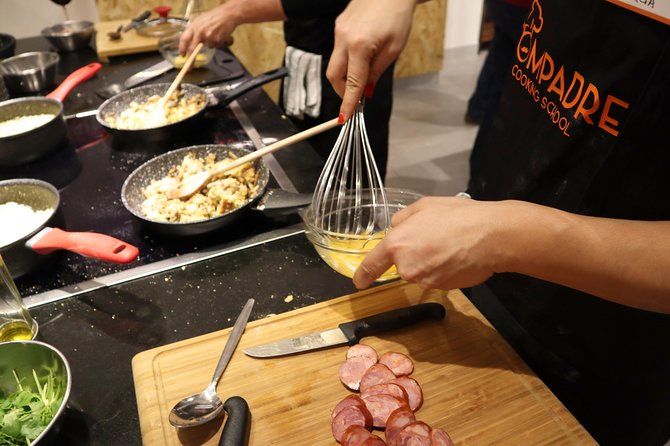
Here’s what helps most when you’re doing a hands-on cooking class in Lisbon.
Come hungry, but not starving. You’ll be cooking and tasting as you go, then eating together at the end. Arriving famished can make the experience feel rushed.
Ask questions during prep. If something feels unclear at the moment, it’s usually fixable. Waiting until the end of the session means you might forget details.
Take quick notes on the recipe steps you’ll repeat. The class provides recipes to take home. Still, jotting down any personal tweaks the instructor suggests helps you recreate the exact flavor later.
Be prepared for realistic food prep. If your menu includes seafood prep, like deveining shrimp, it’s part of cooking, not a gimmick.
If you care about alcohol, plan for limited service. Alcohol isn’t served to participants under 18, with water or tea as substitutes. For adults, wine is mentioned in reviews, but one review notes limited wine for a group. So I’d treat wine as a nice extra, not the main event.
Who this cooking class is best for (and who might want something else)
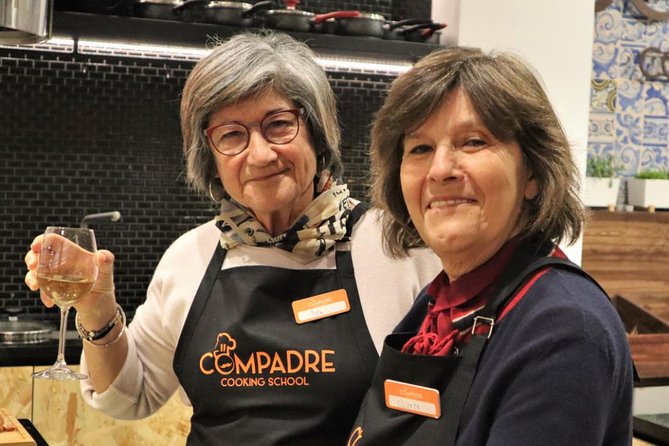
This is a great fit if:
- you want hands-on cooking and not just tasting
- you like learning how Portuguese dishes work, not only how they taste
- you want recipes you can use at home
- you enjoy a small-group, social meal at the end
It may be less ideal if:
- you strongly want a dessert included in the package, since none is listed
- you expect wine service to be plentiful the whole time, because at least one review suggests it may be limited
- you hate any food prep that can feel hands-on (like deveining shrimp), since some sessions may include that kind of work
Should you book this Portuguese cooking class in Lisbon?
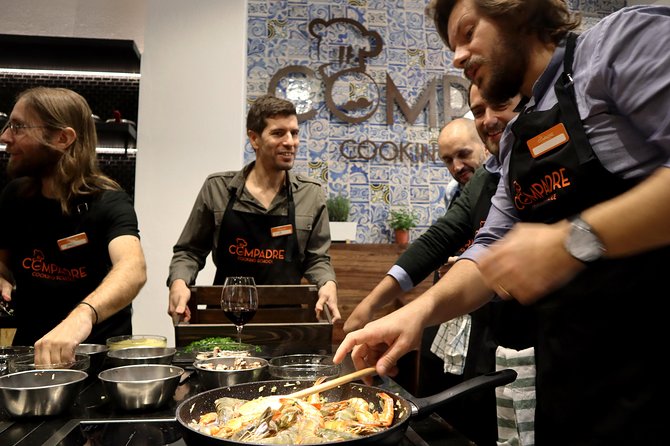
If you want a practical souvenir, not just photos, I’d book it. The combination of cooking at your own station, learning why Portuguese dishes taste the way they do, and getting recipes to recreate at home is a strong mix for the price.
My main decision check is this: confirm your priorities. If your goal is a full-course Portuguese lesson centered on cod and meat, with a shared meal at the end, this class fits beautifully. If you’re after a longer dining experience with dessert and unlimited wine, you may feel a little shortchanged, since the class format focuses on the cooking and meal you build, not sweets or a big drink program.
FAQ
How long is the Portuguese cooking class in Lisbon?
It runs for about 3 hours.
Where do I meet for the class?
You start at Compadre Cooking School, R. Heliodoro Salgado nº14, 1170-176 Lisboa, Portugal.
Is the class offered in English?
Yes, it is offered in English.
What is the group size?
The class has a maximum of 12 travelers.
What will I cook during the class?
The sample menu includes a traditional Portuguese starter, a fish main with a traditional codfish recipe, and a traditional meat dish.
Do I get recipes to take home?
Yes, you can take the recipes home so you can recreate the dishes later.
Is alcohol served?
Alcoholic beverages are not served to participants under 18. Water or tea is used instead.
Are children allowed?
Children up to 17 must be accompanied by a participating adult plus 18 years old.
What type of ticket do I receive?
You receive a mobile ticket.
Is there free cancellation?
Yes. You can cancel up to 24 hours in advance for a full refund.
Just added around Lisbon
- Morning Sailing Tour in Tagus River from Lisbon★ 5.0 · 68 reviews
- Private Half Day – The Majestic Pena Palace & Sintra★ 5.0 · 90 reviews
- Lisbon Private 3 hours tour★ 4.5 · 33 reviews
- PRIVATE Unforgettable Full Day Tour to Sintra from Lisbon★ 5.0 · 236 reviews
- Lisbon: Catamaran Luxury Sunset and Wine Tour★ 5.0 · 119 reviews
- Lisbon’s authentic Food and Wine tour with a Winemaker★ 5.0 · 67 reviews
- Sesimbra Wild Beach Tour from Lisbon★ 5.0 · 57 reviews
- Private Jeep Tour from Lisbon – Arrábida, Sesimbra & Beach Picnic★ 5.0 · 48 reviews
Cooking Classes, compared.
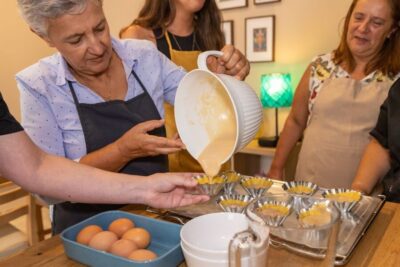
Pastel de Nata Cooking Class with Grandma’s Recipe
Read our review →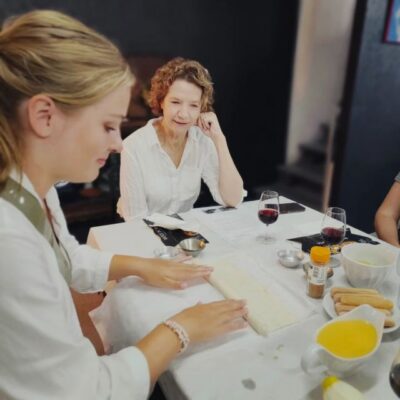
Pastel de Nata Cooking Class with Port Wine – Sé
Read our review →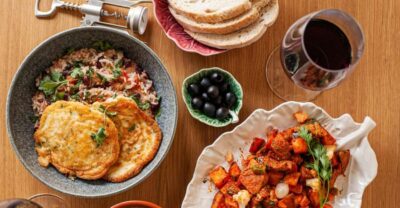


Lisbon Portuguese Cooking Class with 3-Course Dinner
Read our review →
Pastel de Nata Cooking Class with Porto Wine (Sé do Porto)
Read our review →Browse the lists this tour appears in