
Reviewed · WALKING TOURS
Lisbon: African History and Heritage Walking Tour
Lisbon tells harder stories than you expect. This African History and Heritage walking tour links Africa’s presence in Portugal to real streets, squares, and landmarks, including Lisbon’s role at the start of the transatlantic slave route. You get a guided, stop-by-stop way to read the city like a living document, not just postcards.
Two things I especially like: the tour’s historical honesty and its focus on what the built environment can teach you. I also like how the story is practical and human, moving from Moorish roots in Alfama to Catholic life at S. Domingos, with guides like Jose and Alcides praised for keeping the explanations clear and questions welcome.
One consideration: this is a true walking tour in an old, hilly city. It is not suitable for mobility impairments, and you should plan for uphill sections and cobblestones.
In This Review
- Key highlights to look for
- Why Lisbon’s African Heritage Walk Changes Your View of the City
- Meeting at A Padaria Portuguesa, then setting a steady pace
- Alfama and the Moorish roots you can read in the streets
- Chafariz d’El Rei: one fountain, three lessons about power
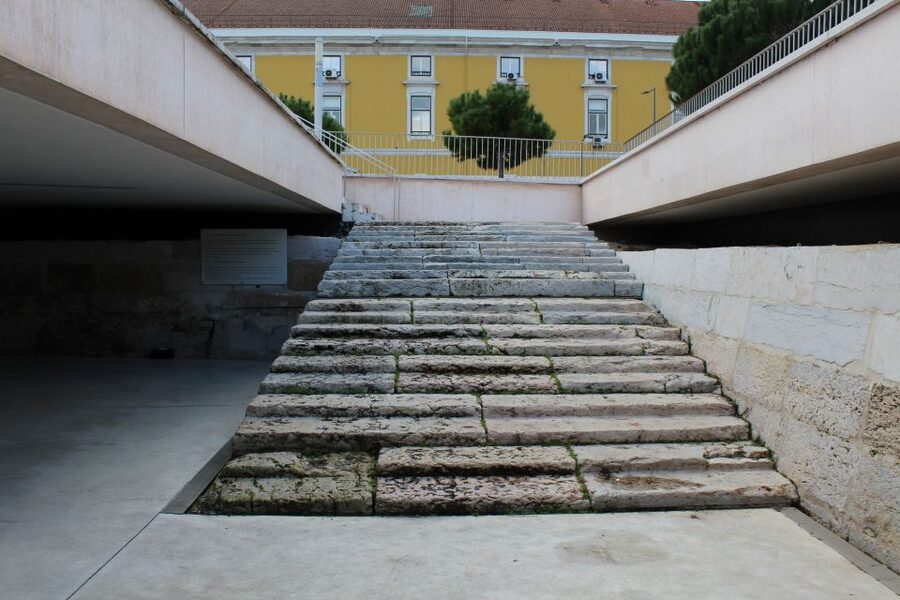
- Campo das Cebolas and the old port where enslaved people arrived
- Praça do Comércio and Baixa: slavery, rebuilding, and social interaction
- Rua Cor de Rosa and Rossio: integration, work, and colonial links
- Church of S. Domingos and Catholic life in Portugal
- Rossio Station, Manueline style, and the Berlin Conference era connection
- Guide quality matters, and these names show up often
- Price and value: what $176 buys you in real terms
- Who should book this Lisbon tour
- Practical tips so you enjoy every stop
- Should you book this African History and Heritage walking tour?
- FAQ
- Where is the meeting point for the Lisbon African History and Heritage walking tour?
- How long is the tour?
- What languages are available for the live guide?
- What’s included in the price, and what isn’t?
- Is this walking tour suitable for people with mobility impairments?
- Is free cancellation available?
Key highlights to look for
- Alfama’s Moorish foundations and how that shapes Portugal’s long connections to Africa
- Chafariz d’El Rei fountain as a clue to social classes, including African presence
- Campo das Cebolas by the old port where enslaved Africans first arrived in Europe
- Praça do Comércio and Baixa for the slave trade story and the 1755 earthquake backdrop
- Rua Cor de Rosa and Rossio for everyday integration, service life, and colonial links
- Rossio Station’s Manueline style as a visual link to Portugal’s 19th-century colonial claims
Why Lisbon’s African Heritage Walk Changes Your View of the City
If you only visit Lisbon for viewpoints and pastries, you might miss the way the city was built through global connections, including painful ones. This tour leans into African heritage in Lisbon with a direct approach, using the streets and monuments to explain what happened and how it shaped Portuguese society.
The stops are spread across central neighborhoods that matter. You start in Alfama’s older layers, then work your way toward Baixa, the riverfront square, and the Rossio area. Along the way, the guide ties together Moorish influence, social divisions, religion, and the economics of slavery, so the story feels connected instead of chopped into random facts.
More Walking Tours in Lisbon
- Lisbon: History, Stories and Lifestyle Walking Tour
★ 4.8 · 10,902 reviews - Best of Lisbon Small-Group Guided Walking Tour
★ 5.0 · 4,869 reviews - Lisbon: Food and Wine Small Group Walking Tour
★ 4.9 · 4,082 reviews
Meeting at A Padaria Portuguesa, then setting a steady pace
You’ll meet your guide at A Padaria Portuguesa, and from there it’s walking for about 3.5 hours. There’s no hotel pickup or drop-off, so you’ll want to arrive a few minutes early and be ready to start on foot.
A small but useful practical point: this is not a sit-down lecture. You’ll be moving through Alfama and other central areas, which can mean uneven ground and uphill stretches. One tip that keeps showing up for this kind of Lisbon tour is simple, wear comfortable shoes, because you will earn them.
If you’re coming from another part of the city, treat this as a morning or afternoon anchor. The tour’s value comes from seeing multiple linked neighborhoods in one go, without needing to figure out the connections yourself.
Alfama and the Moorish roots you can read in the streets
Alfama is Lisbon’s oldest neighborhood, and it traces back to the Moors. On this tour, it’s not just a place name. The guide uses Alfama as an entry point to Africa’s roots and connections, showing how centuries of interaction left marks in culture and city life.
As you walk, you get a chance to notice how older neighborhoods feel different from modern blocks. Narrow streets, changing slopes, and the way buildings crowd together all shape how people lived and moved. The point is not to romanticize it, but to understand that history has a geography.
This early segment also sets the tone. Instead of jumping straight to the slave route, the tour builds a foundation for how Africans and African-linked cultures were part of Portugal’s longer story, including Moorish influence.
Chafariz d’El Rei: one fountain, three lessons about power
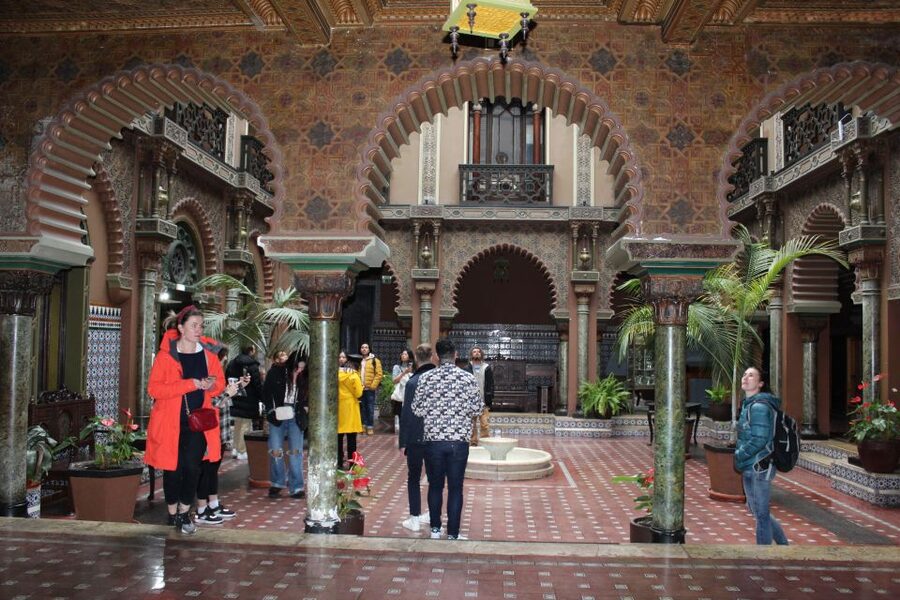
At Chafariz d’El Rei, the tour points out a fountain that reflects social class divisions during the Middle Ages. It also highlights that Africans are represented, which matters because it pushes you beyond the idea that African presence only shows up later in the story.
Fountains are small, but they’re a smart stop. They were practical structures, yet who used what, and how the city designed public spaces, all reveals hierarchy. This is the kind of detail that makes the tour feel grounded in real life, not abstract slides.
What I like about this moment is the way it reframes a familiar landmark. You’re not just looking at architecture. You’re learning how the city organized people, water access, and status.
Other Lisbon plans worth comparing
- Best of Lisbon Walking Tour: Rossio, Chiado & Alfama
★ 4.9 · 2,700 reviews - Age of Discoveries Walking Tour in Belém
★ 5.0 · 1,513 reviews - Sintra & Cascais Day Tour with Pena Palace Entry and Gardens Walk
★ 5.0 · 962 reviews - Lisbon Roots – Small group Food & Culture Walking Tour w/tastings
★ 5.0 · 910 reviews
Campo das Cebolas and the old port where enslaved people arrived
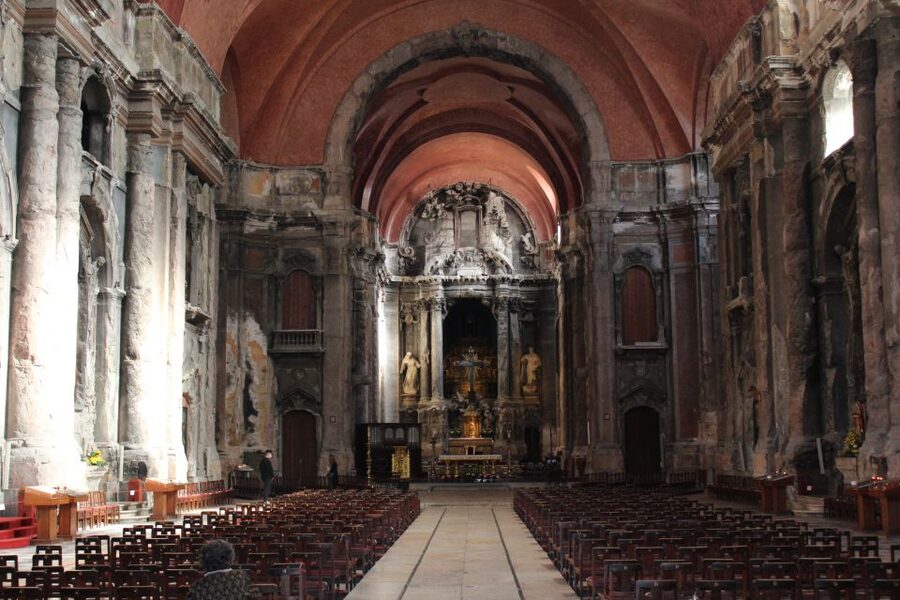
Campo das Cebolas is tied to the old port of Lisbon, the place where the first African slaves arrived in Europe. That is a heavy statement, and the tour treats it as such, with a clear link between geography and the transatlantic system.
This stop is valuable because it shows you why locations matter. When slavery becomes just a topic on paper, it can feel distant. When you stand near the port space and hear what the area was used for, the story gets sharper and more accountable.
You also get context for Lisbon’s role in broader Atlantic history. The guide connects the local scene to the larger movement of people, goods, and power across oceans.
Praça do Comércio and Baixa: slavery, rebuilding, and social interaction
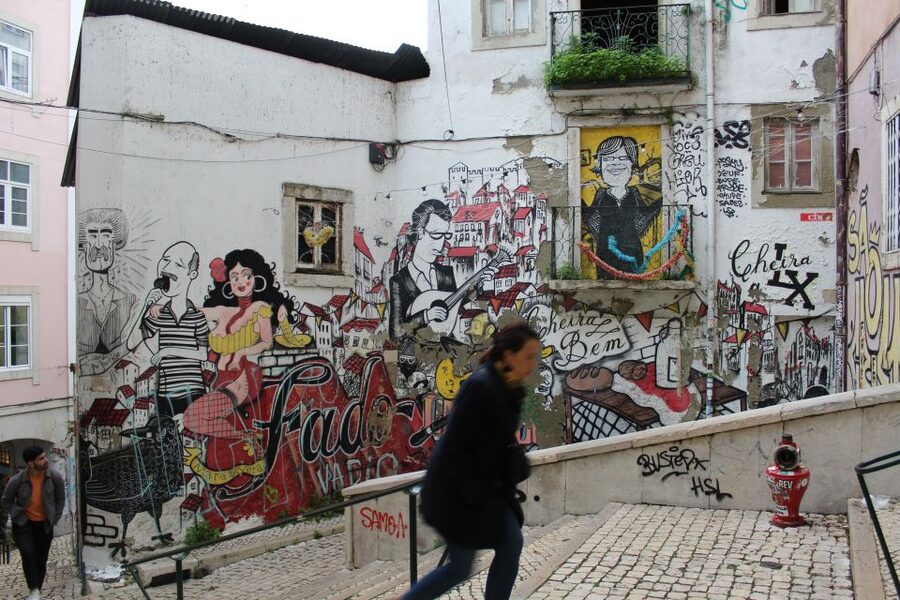
Praça do Comércio is one of Lisbon’s most emblematic squares, and it plays a central role in the slave trade story. The tour also uses the space to talk about major events in Portuguese history, which helps you understand why this part of town became a stage for power.
From there, you head into Baixa, the city’s central neighborhood. Baixa was destroyed by the 1755 earthquake, and the tour uses that backdrop to discuss how Portuguese society reorganized and how Africans interacted within that changing structure.
This section works well if you like learning how cities change after shocks. Rebuilding is not only bricks and roads. It’s also institutions, markets, and social relationships. You finish this stretch with a better sense of how Lisbon evolved physically and socially.
Rua Cor de Rosa and Rossio: integration, work, and colonial links
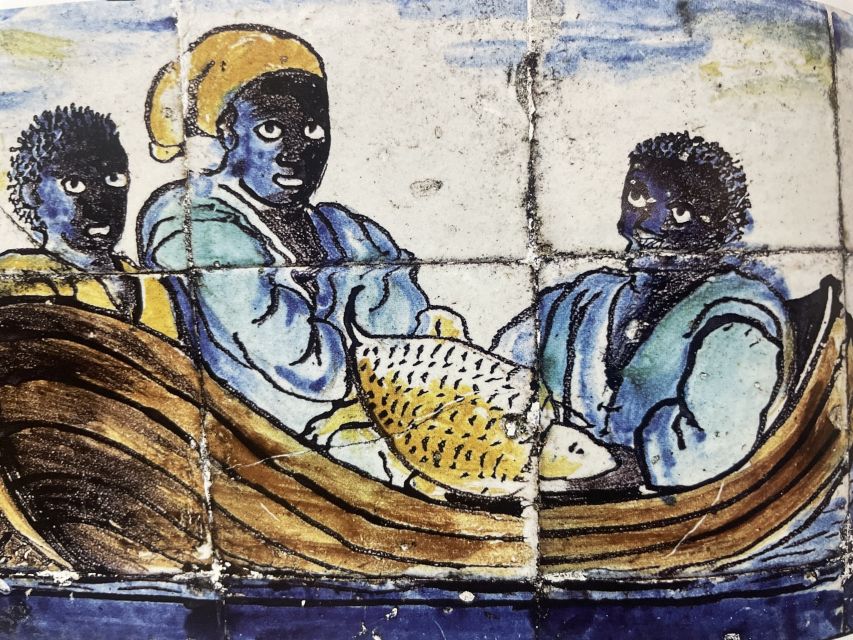
In Rua Cor de Rosa, the tour focuses on a part of the city where African women provided services. It’s a sensitive stop, but it’s also important because it brings the conversation down to lived experiences, not only official records or grand political decisions.
Then you move to Rossio, a central and busy area. Here, the guide talks about integration of Africans into Portuguese life and the creation of colonies. Rossio is a fitting place for this discussion because it sits at a crossroads of movement. When you’re in a central hub, you feel the city’s energy, which makes the topic of integration and power dynamics harder to ignore.
If you want context that helps you interpret Lisbon beyond the obvious monuments, this pair of stops is a big payoff. It connects social reality to city layout and shows how people fit into a system that was never neutral.
Church of S. Domingos and Catholic life in Portugal
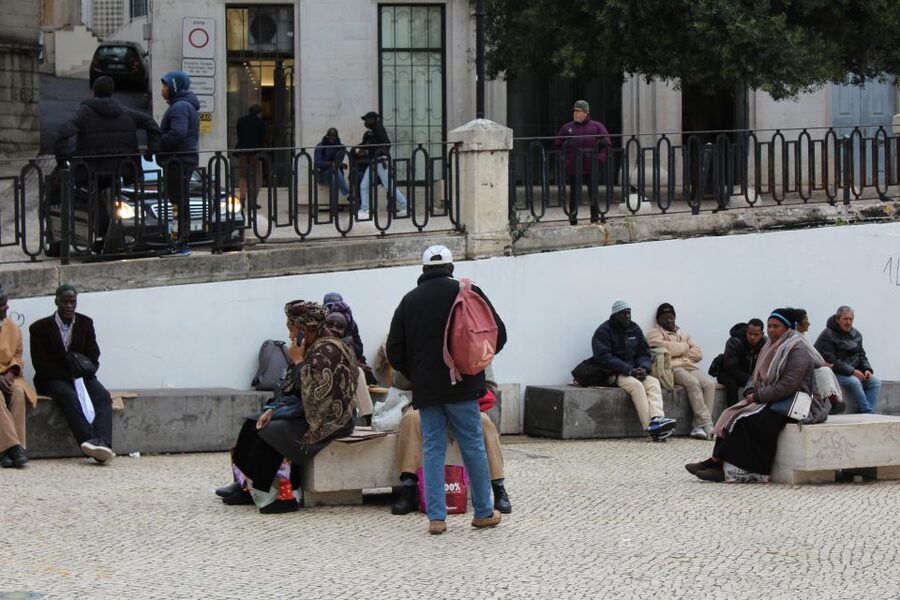
At the Church of S. Domingos, the tour looks at the form of integration of Africans in the Catholic religion and the achievements linked to that process. This is a different angle than the port and trade story, and it helps balance the overall narrative.
Religious integration can be complicated. The guide’s approach here is to show how identity, belief, and public life intersected in Portugal over time. You get a chance to think about what it meant to participate in a dominant religious culture, and how African communities could be part of that public world.
Even if churches aren’t your main interest, this stop is worth it because it keeps the story from being only about trade and punishment. It adds the theme of everyday life and community involvement.
Rossio Station, Manueline style, and the Berlin Conference era connection
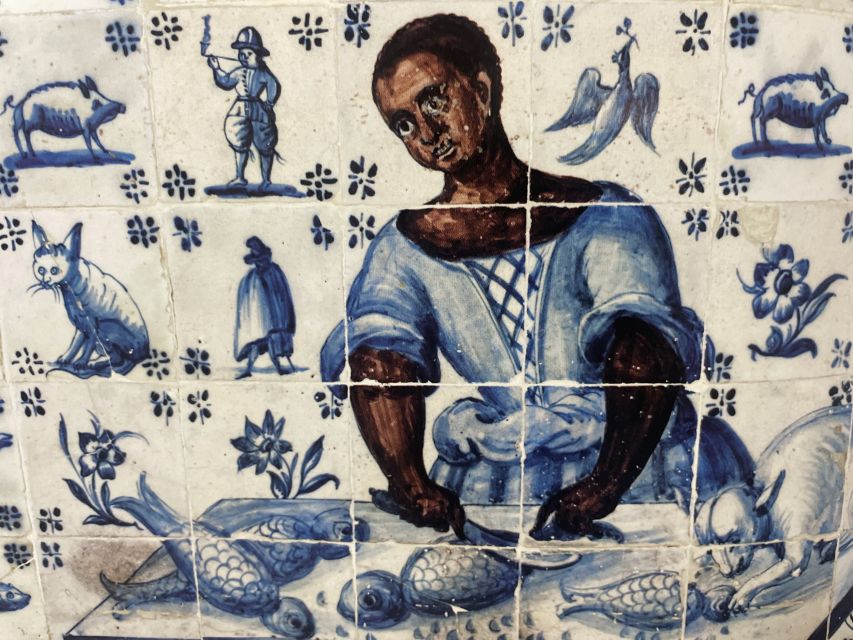
The tour ends by looking at the train station of Rossio, built during the 19th century with Manueline architectural style. The guide uses the building’s design as a lens to explain Portugal’s golden times and how the country sought recognition among European powers.
This is where the story points directly toward the Berlin Conference of 1884 and the European division of Africa into colonies. You’re not just learning a date. You’re seeing how a country expressed its status through architecture, and how that status connected to colonial systems and exploitation.
If you enjoy political history, this final stretch can hit hard. It also helps you connect the earlier parts of the walk to the late 1800s, showing continuity between empire, economy, and city identity.
Guide quality matters, and these names show up often
The difference between a good walking tour and a great one is the guide’s ability to keep the story both clear and respectful. Here, the guide experience seems to be a major strength.
Jose is praised for being friendly and knowledgeable, plus for answering questions. Al has been highlighted for tying together Moorish influence, built environment, and religious history in a way that makes Lisbon easier to understand. Alcides also gets specific praise for bringing hidden Black history into view, while staying professional and approachable.
If you take this on your first day in Lisbon, it can work like a mental map. You’ll start to recognize what different neighborhoods are telling you, and that makes later self-guided wandering more rewarding.
Price and value: what $176 buys you in real terms
At $176 per person for about 3.5 hours, you’re paying for a guided walk that covers multiple high-meaning locations across central Lisbon. There’s also an included bottle of water, and the tour is entirely on foot, so you are getting interpretive value rather than transportation value.
What justifies the price, in my view, is the range of themes packed into one route: Moorish foundations, class divisions shown in a fountain, the port and early arrival narrative, the slave trade in major civic spaces, and the religion and integration pieces. You’re not just seeing places, you’re learning how to connect them.
If you tend to skip paid tours, this is the kind where I’d say it’s worth considering because the topic is specific and the context matters. Without a guide, those streets can look like scenery. With one, they become evidence.
Who should book this Lisbon tour
This tour is a strong match if you want historical context tied to visible city spaces, not just a general overview of Lisbon. It’s also a good choice if you care about African heritage and historical honesty, and you want to understand how Africa and Portugal interacted over centuries.
It may be a harder fit if you have mobility limitations, since the route is walking-heavy and includes uphill stretches. Also, if you hate walking and want only flat, short stops, you might find the pace challenging.
Practical tips so you enjoy every stop
Bring comfortable shoes. Plan for slopes and uneven surfaces in old Lisbon streets. Since food and drinks aren’t included, consider eating beforehand and bringing a little snack if that helps your energy.
The tour runs with a live guide in English, Spanish, and Portuguese, so you can pick the language that fits you. You’ll also want to have your meeting point handled in advance, since there’s no pickup.
Lastly, bring your curiosity. This tour does not shy away from the transatlantic slave route and the slave trade. The reward is that you come away with a clearer, more honest sense of how Lisbon became what it is today.
Should you book this African History and Heritage walking tour?
I’d book it if you want Lisbon to make more sense on a human and historical level. The combination of Alfama’s Moorish roots, port-area context at Campo das Cebolas, civic spaces like Praça do Comércio, and the Rossio area’s link to 19th-century politics gives you a focused story that most casual sightseeing misses.
I would skip it if you need minimal walking, prefer light and purely celebratory history, or cannot handle uneven, hilly streets. Otherwise, it’s a thoughtful 3.5 hours that turns the city’s landmarks into a guided conversation about African legacy in Portugal.
FAQ
Where is the meeting point for the Lisbon African History and Heritage walking tour?
Meet your guide at A Padaria Portuguesa.
How long is the tour?
The duration is 3.5 hours.
What languages are available for the live guide?
The tour is offered with a live guide in English, Spanish, and Portuguese.
What’s included in the price, and what isn’t?
Included are a bottle of water, the guide, and the walking tour. Not included are hotel pickup and drop-off, plus food and drinks.
Is this walking tour suitable for people with mobility impairments?
No. The tour is listed as not suitable for people with mobility impairments.
Is free cancellation available?
Yes. Free cancellation is available up to 24 hours in advance for a full refund.
More Historical Tours in Lisbon
- Lisbon: Daytime or Sunset Boat Cruise with History and Wine
★ 5.0 · 1,053 reviews - Explore Lisbon by Tuk Tuk: History and Viewpoints
★ 5.0 · 840 reviews - Private Tuk Tuk Tour Through Lisbon’s Historical Streets
★ 5.0 · 734 reviews - Lisbon Sunset Sailing with Portuguese Wine and History
★ 5.0 · 668 reviews
Just added around Lisbon
- Tomar: Knight’s Templar Castle and Convent of Christ Tour★ 4.9 · 84 reviews
- Tour Bohemian de Tuk Tuk: Bertrand, Miradouros e Estrela★ 5.0 · 24 reviews
- From Lisbon: Fátima, Nazaré and Sintra Guided Tour★ 4.7 · 155 reviews
- From Lisbon: Tomar, Batalha, Alcobaça, & Óbidos Templar Tour★ 4.9 · 47 reviews
- From Lisbon: Sintra Pena Palace Cascais 8-People Group Tour★ 4.9 · 93 reviews
- The Real Lisbon Street Art Private Guided Tour by Minivan★ 4.7 · 49 reviews
- Lisbon: The Jewish Sephardic Walking Tour★ 4.9 · 22 reviews
- From Lisbon: Tomar, Christ Convent & Almourol Castle Tour★ 5.0 · 64 reviews
Walking Tours, compared.
Best of Lisbon Small-Group Guided Walking Tour
Read our review →
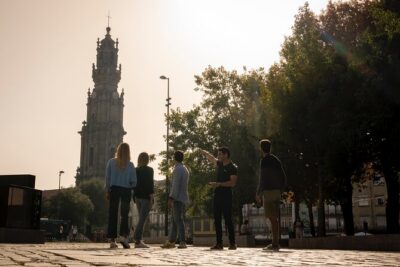
Porto Walking Tour, Lello Bookshop, River Cruise and Cable Car
Read our review →
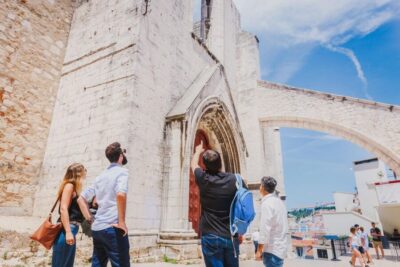
Best of Lisbon Walking Tour: Rossio, Chiado & Alfama
Read our review →
Experience Porto’s Charm: 3-Hour Guided Walking Tour
Read our review →
Enjoy a Guided Levada Walk in the Rabaçal Valley
Read our review →Browse the lists this tour appears in