
Reviewed · WALKING TOURS
Lisbon: Jewish History in Portugal Guided Walking Tour
Jewish Lisbon packs a lot into just three hours. You’ll walk through Alfama, Baixa, and Chiado while connecting everyday street corners to centuries of Jewish life in Portugal, from Sephardic families to Marranos and the aftermath of expulsion. It’s a city history lesson, but it’s grounded in real neighborhoods, not museum talk.
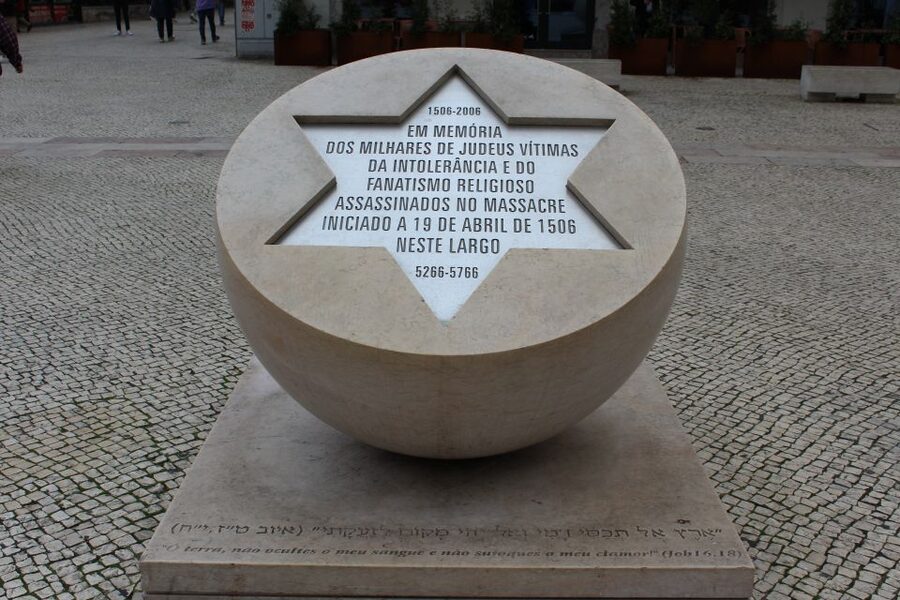
I especially loved how the guide work turns big themes into small, walkable moments. On tours led by Al or Luciano, you get a clear sense of how Jews in Portugal lived with constant back-and-forth between acceptance and rejection, and how that pressure shaped survival through knowledge, ingenuity, and entrepreneurship. The walk also gives you a tangible sense of place, including a wall with a Star of David and viewpoints over the city and port area.
One thing to plan for: this is a walking tour, and the route involves hilly areas, so it’s not suitable for people with mobility impairments. Also, transportation is not included, so you’ll want to arrive ready to walk from the start point near the bagel shop.
In This Review
- Key things to know before you go
- Jewish Lisbon still makes sense when you walk it
- Meeting at A Padaria Portuguesa, then heading into the story
- Alfama, hills, and the feel of a neighborhood shaped by memory
- Baixa and Chiado: where commerce, culture, and change collide
- Sephardic roots and Marranos: survival through shifting identities
- What you actually see on the route: views, symbols, and sites
- Guide matters: Al and Luciano bring Lisbon to life
- Price and value: what $141 buys you in Lisbon
- Pacing, comfort, and who this tour suits best
- Should you book this Jewish History in Lisbon walking tour?
- FAQ
- How long is the Lisbon Jewish history guided walking tour?
- Where do I meet for the tour?
- What languages are the guided tours offered in?
- What is included in the price?
- Is transportation included?
- What neighborhoods does the tour cover?
- Does the tour focus on Sephardic and Marranos history?
- Is this tour suitable for people with mobility impairments?
- What are the cancellation terms and payment options?
Key things to know before you go
- Neighborhood-focused: You’ll connect Jewish history to Lisbon’s Alfama, Baixa, and Chiado.
- Sephardic and Marranos focus: You’ll learn how these identities shaped Portuguese life and hardship.
- A guide who ties it together: Al and Luciano are specifically highlighted for clear, engaged storytelling.
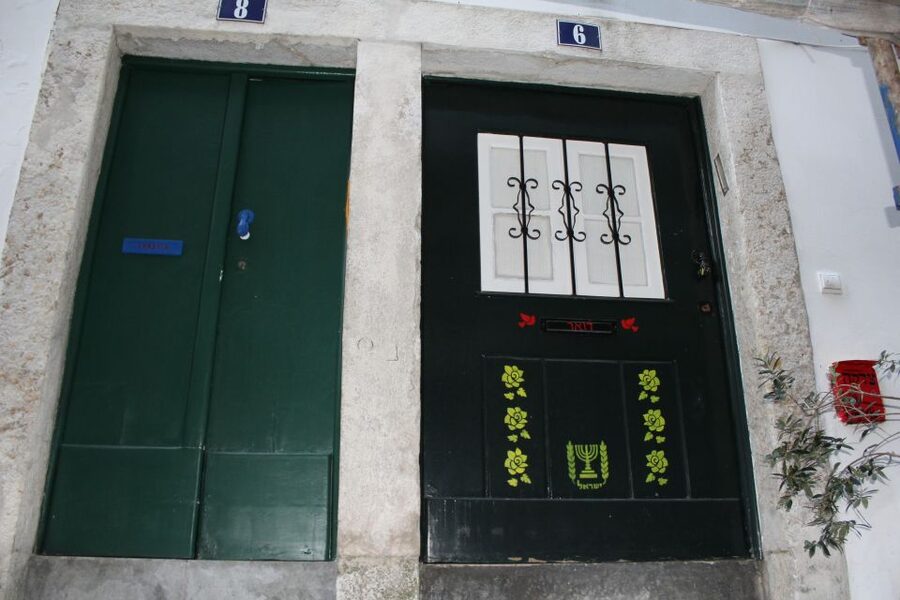
- You’ll see concrete reminders: Expect stops tied to visible Jewish symbols and sites, not just dates and names.
- Value in the pace: Three hours is long enough to make connections, without turning into an all-day grind.
Jewish Lisbon still makes sense when you walk it
Lisbon has layers. Some are obvious, like tiled façades and viewpoints. Others are easier to miss unless you know what to look for. This walking tour is designed for exactly that. It threads Jewish history through the neighborhoods where that history was lived, not stored away behind glass.
What I like about this approach is that it treats history as something that happened to people going to markets, doing business, practicing medicine, farming land, and building communities. You hear how Jews were often caught between acceptance and rejection, and how that pushed them toward resourcefulness and strong networks. You also get context for why Portugal’s Jewish story connects to a wider European and even Atlantic world, especially after the 16th-century expulsion.
And yes, it’s a guided history walk. But it doesn’t feel like a lecture that happens to move. The story stays attached to Lisbon’s streets as you move between areas.
More Walking Tours in Lisbon
- Lisbon: History, Stories and Lifestyle Walking Tour
★ 4.8 · 10,902 reviews - Best of Lisbon Small-Group Guided Walking Tour
★ 5.0 · 4,869 reviews - Lisbon: Food and Wine Small Group Walking Tour
★ 4.9 · 4,082 reviews
Meeting at A Padaria Portuguesa, then heading into the story
The meeting point is A Padaria Portuguesa, a bagel shop in Lisbon. It’s the kind of start that feels practical: you show up, find your guide, and you’re walking soon after. A bottle of water is included, which is handy because you’re out for about three hours.
The tour runs with a live guide in Portuguese and English. If you want a clear, structured narrative that still sounds human, this helps. A walking guide is doing two jobs at once: explaining the past and keeping you oriented in the present. The guides for this experience have a reputation for doing that well, especially Al and Luciano, who come across as genuinely invested in helping you understand how the Jewish presence fit into Portuguese life.
One small planning note that matters: transportation isn’t included. If you’re starting from farther away, build in extra time to get to the meeting point and still enjoy the walk.
Alfama, hills, and the feel of a neighborhood shaped by memory
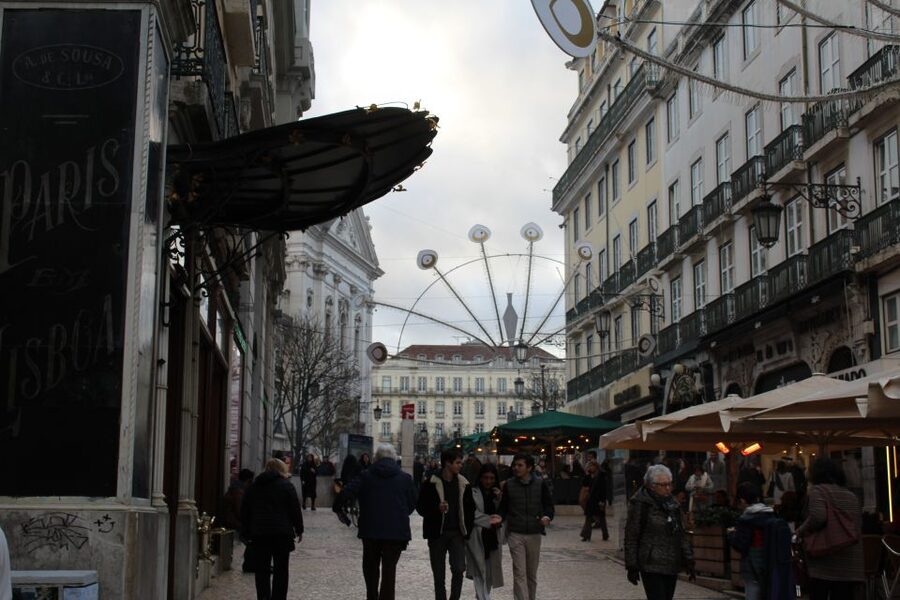
When the route reaches Alfama, you start to feel why this tour works better on foot than on a bus. Alfama’s old-street feel helps you understand the “between acceptance and rejection” part of Jewish history in Portugal. In neighborhoods like this, history isn’t an abstract concept. It’s part of how people built homes, navigated daily life, and protected community ties.
You’ll be guided through the kind of streets where stories stick. The tour’s framing emphasizes how Jews in Portugal contributed in major practical areas, including agriculture, finance, and medicine, and how their skills fed into the bigger Portuguese story of discovery-era expansion in the 16th century. It’s not just “they were there.” It’s “here’s what that presence helped make possible.”
This is also where the walking gets real. The tour includes hilly terrain, and that’s why it’s not suitable for people with mobility impairments. If you’re comfortable walking uphill in Lisbon, you’ll likely enjoy the change in pace. If you hate hills, you’ll probably feel it.
Baixa and Chiado: where commerce, culture, and change collide
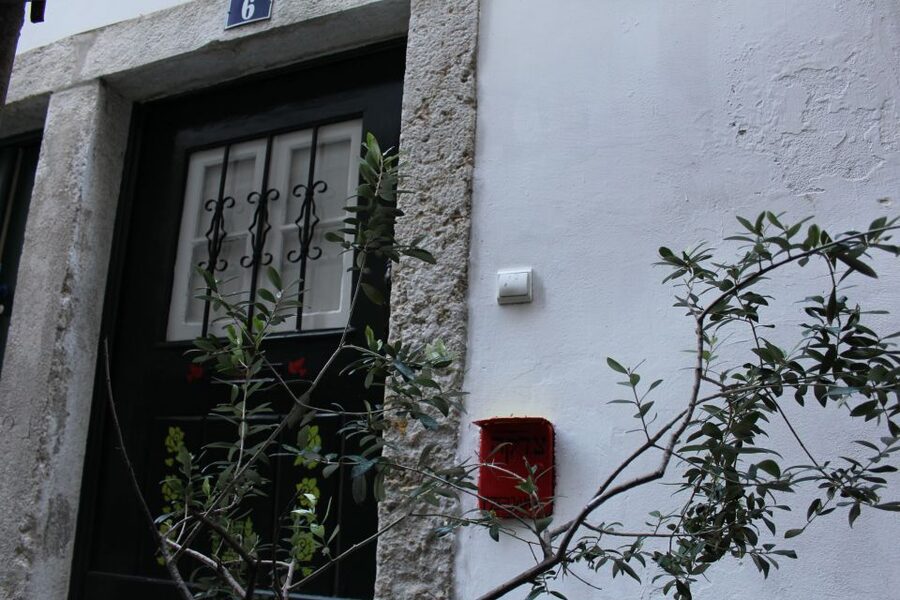
After Alfama, the story shifts. Baixa and Chiado help you see Lisbon as a city of exchange, movement, and change. The Jewish presence in Portugal wasn’t only about community life. It also intersected with the economic engine of the country.
This is where the tour’s context about Portuguese contributions really matters. You hear about Jewish influence on sectors like finance and medicine, and how entrepreneurship and knowledge were survival strategies as much as they were achievements. That perspective is useful because it prevents the story from turning into a single-note tragedy. You learn about hardship, yes, but also about how people built lives and economic value inside shifting rules.
Chiado and Baixa can also help you understand the “acceptance and rejection” swing. Different parts of Lisbon reflect different kinds of power: who had access, who had influence, and who had to hide parts of identity. As the tour moves through these areas, you can connect the historical narrative to Lisbon’s modern layout and learn to read the city like a document.
Other Lisbon plans worth comparing
- Best of Lisbon Walking Tour: Rossio, Chiado & Alfama
★ 4.9 · 2,700 reviews - Age of Discoveries Walking Tour in Belém
★ 5.0 · 1,513 reviews - Sintra & Cascais Day Tour with Pena Palace Entry and Gardens Walk
★ 5.0 · 962 reviews - Lisbon Roots – Small group Food & Culture Walking Tour w/tastings
★ 5.0 · 910 reviews
Sephardic roots and Marranos: survival through shifting identities
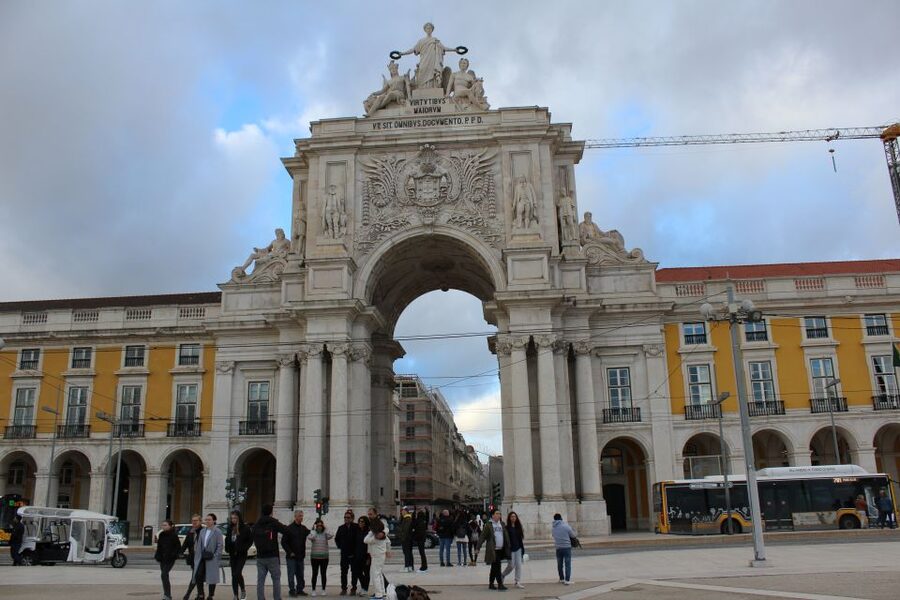
A big highlight is the focus on Sephardic Jews and Marranos. If those words are new to you, the tour gives them a human context rather than leaving them as vocabulary.
You’ll learn how Jews shaped Portuguese culture and how, over time, some Jewish families became Catholic converts under pressure, often described as sheltered converts. The key idea is that this wasn’t only a religious change. It was social risk, family pressure, and constant uncertainty. It shaped how people practiced beliefs, how they understood religion, and how they negotiated acceptance.
The Marranos story can be emotionally heavy, but the tour’s structure keeps it grounded in Lisbon geography. Instead of treating conversion as a single event in a single year, you see it as a living consequence that echoed through daily life.
You’ll also connect Portugal’s 16th-century expulsion to what happened elsewhere. The tour emphasizes that expelled Jews and their descendants went on to influence major countries, including England, Holland, and the United States. That broader sweep helps you place Lisbon in a larger map of diaspora and adaptation.
What you actually see on the route: views, symbols, and sites
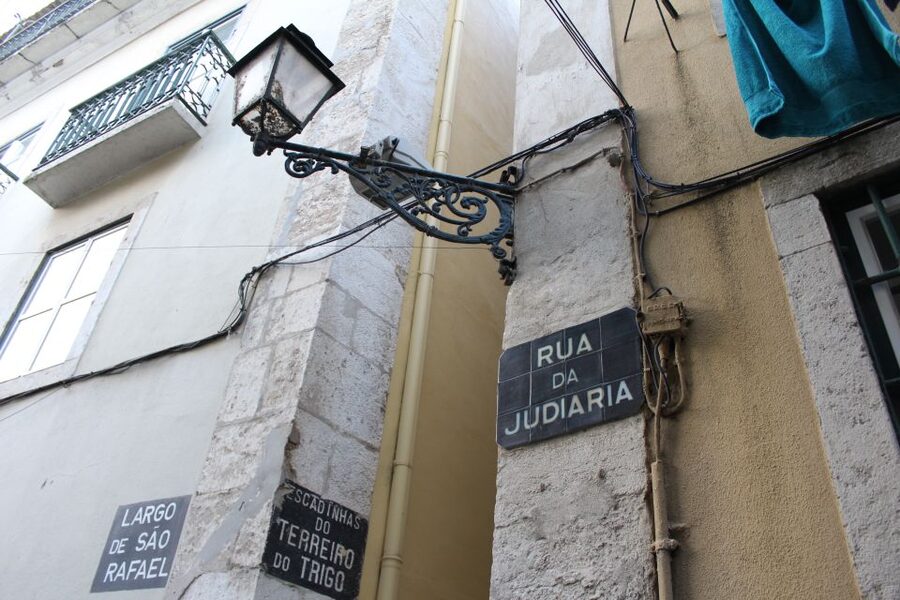
A walking tour lives or dies by what you physically encounter. This one includes stops tied to visible reminders of Jewish presence, plus moments that show you Lisbon’s geography in a new way.
From what you can expect, you’re likely to see:
- A wall with a Star of David, used as a prompt to talk about community markers and memory in the city
- Archaeological sites connected to the layers beneath Lisbon streets
- Views over the city and toward the port area, which helps you understand Lisbon’s importance as a place where trade and movement mattered
I also like that the guide approach often includes small “extra” touches that make the story feel lived, not only explained. One example from the guides’ style is providing a coffee or tea break toward the end, and in some cases a small tasting like dates from Israel purchased locally. These aren’t the point, but they add warmth and pacing at a good moment.
Guide matters: Al and Luciano bring Lisbon to life
The experience is led by a live guide, and the standout detail across the tour feedback is guide quality. Al and Luciano are both repeatedly mentioned, with the same theme: they connect Jewish history in Portugal to Lisbon’s broader history, and they do it in a way that stays clear and engaging.
Here’s what that means for you on the ground:
- You get a narrative that isn’t only dates. It’s cause and effect.
- You’re given explanations that fit a walking format, so you understand why the next street corner matters.
- The guide is accommodating and adjusts pacing if needed.
If you have a personal reason for being interested, like Sephardic heritage or family ties to Lisbon, this kind of guide can make the trip feel more like a conversation than a checklist. Some guides have been noted for tailoring the walk to interests, including heritage connections.
Price and value: what $141 buys you in Lisbon
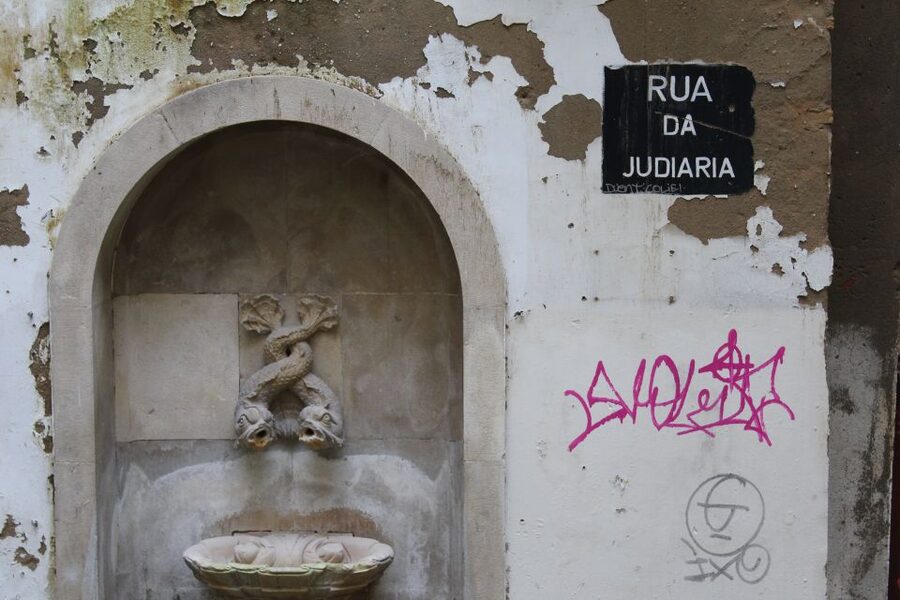
At $141 per person for a 3-hour guided walking tour, the price is in the mid-to-upper range. What makes it feel like value is that you’re not just paying for a route. You’re paying for narrative structure, local expertise, and the ability to connect Jewish history to the everyday city you’re already sightseeing.
You also get a few cost offsets:
- A bottle of water is included
- You’re getting a live guide and the walking experience itself
- The focus is specific and research-backed in theme, not a generic “Jewish sites only” loop
The tradeoff is that you should still expect to handle your own getting-to-the-start. Transportation isn’t included. If you’re already in central Lisbon and comfortable walking, this is easier to justify.
If you’re the type of traveler who wants meaningful context for what you see, this price can make sense fast. If you prefer self-guided wandering with minimal explanation, you might feel boxed in by a fixed 3-hour storyline.
Pacing, comfort, and who this tour suits best
This is a walking tour, so comfort is the biggest practical factor after your interest level. The route involves hills, and that’s why it’s listed as not suitable for people with mobility impairments. If you’re fit and used to Lisbon’s slopes, plan on it being a steady walk rather than a casual stroll.
It’s also a strong choice if you want:
- History that connects directly to neighborhoods, including Alfama, Baixa, and Chiado
- A structured look at Sephardic and Marranos history in Portugal
- Context that ties Portuguese events to the wider Jewish diaspora, including later influence in England, Holland, and the United States
If you’re traveling with kids, it may work well if they can handle guided walking and a story-heavy format. The notes from guide behavior suggest the experience can be friendly and memorable, including for family interest areas.
Should you book this Jewish History in Lisbon walking tour?
I’d book it if you want Lisbon history with a specific lens and you like your sightseeing to have meaning behind it. This tour does two good things at once: it shows you important Jewish-related markers and it explains how those stories shaped Portugal culturally and economically, even through hardship and forced conversion.
Skip it if you have trouble with hills or long walking stretches. The experience depends on moving through old neighborhoods. Also skip it if you expect a short “see the sites and go” format. This walk is about understanding, and understanding takes time.
If you’re deciding, here’s the quick rule: if Jewish history in Portugal, Sephardic identity, and Marranos history are the kinds of topics you want to connect to real streets, this is a smart use of half a day in Lisbon.
FAQ
How long is the Lisbon Jewish history guided walking tour?
It lasts about 3 hours.
Where do I meet for the tour?
Meet at A Padaria Portuguesa (a bagel shop).
What languages are the guided tours offered in?
The live guide speaks Portuguese and English.
What is included in the price?
A guide, a walking tour format, and a bottle of water are included.
Is transportation included?
No. Transportation is not included.
What neighborhoods does the tour cover?
The walk goes through traditional Lisbon areas closely linked to Jewish history, including Alfama, Baixa, and Chiado.
Does the tour focus on Sephardic and Marranos history?
Yes. The highlights include Sephardic and Marranos Jews, along with Jewish culture and influence in Portuguese culture.
Is this tour suitable for people with mobility impairments?
No. It is not suitable for people with mobility impairments.
What are the cancellation terms and payment options?
You can cancel up to 24 hours in advance for a full refund. You can also reserve now and pay later.
More Historical Tours in Lisbon
- Lisbon: Daytime or Sunset Boat Cruise with History and Wine
★ 5.0 · 1,053 reviews - Explore Lisbon by Tuk Tuk: History and Viewpoints
★ 5.0 · 840 reviews - Private Tuk Tuk Tour Through Lisbon’s Historical Streets
★ 5.0 · 734 reviews - Lisbon Sunset Sailing with Portuguese Wine and History
★ 5.0 · 668 reviews
Just added around Lisbon
- Tomar: Knight’s Templar Castle and Convent of Christ Tour★ 4.9 · 84 reviews
- Tour Bohemian de Tuk Tuk: Bertrand, Miradouros e Estrela★ 5.0 · 24 reviews
- From Lisbon: Tomar, Batalha, Alcobaça, & Óbidos Templar Tour★ 4.9 · 47 reviews
- From Lisbon: Fátima, Nazaré and Sintra Guided Tour★ 4.7 · 155 reviews
- From Lisbon: Sintra Pena Palace Cascais 8-People Group Tour★ 4.9 · 93 reviews
- The Real Lisbon Street Art Private Guided Tour by Minivan★ 4.7 · 49 reviews
- Lisbon: The Jewish Sephardic Walking Tour★ 4.9 · 22 reviews
- From Lisbon: Tomar, Christ Convent & Almourol Castle Tour★ 5.0 · 64 reviews
Walking Tours, compared.

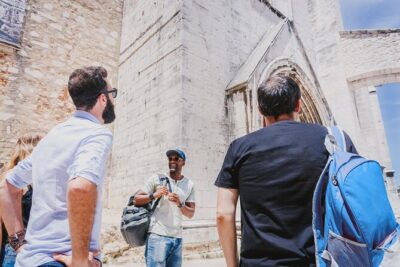
Best of Lisbon Small-Group Guided Walking Tour
Read our review →

Porto Walking Tour, Lello Bookshop, River Cruise and Cable Car
Read our review →
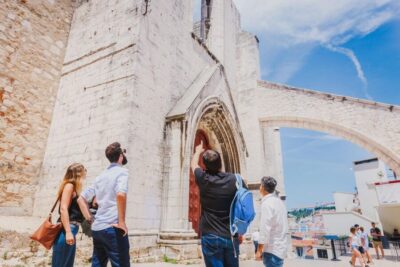
Best of Lisbon Walking Tour: Rossio, Chiado & Alfama
Read our review →
Experience Porto’s Charm: 3-Hour Guided Walking Tour
Read our review →
Enjoy a Guided Levada Walk in the Rabaçal Valley
Read our review →Browse the lists this tour appears in