
Reviewed · COOKING CLASSES
Lisbon: Portuguese street food cooking class with Drinks
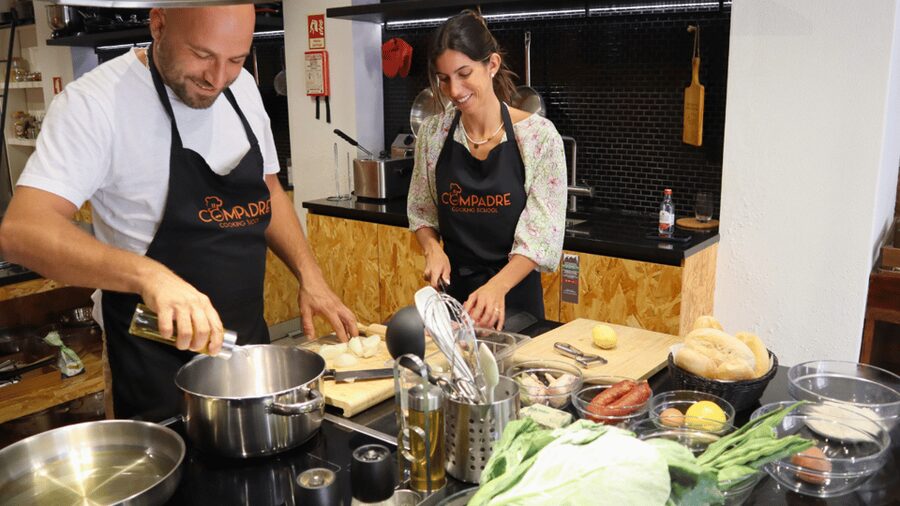
Great snacks, taught hands-on. In a short, friendly 2-hour session at Compadre Cooking School in Lisbon, you’ll make classic street favorites with local chefs and then sit down to a shared meal with wine and ginja at the end. I love that it goes past tourist-only dishes, with recipes tied to everyday Portuguese comfort food, not just plating tricks, and I also love how practical the cooking feels so you can actually repeat it later. One possible drawback: the class is very hands-on, so if you mainly want lots of watch-and-listen teaching, you may feel like you are doing too much cooking at your station.
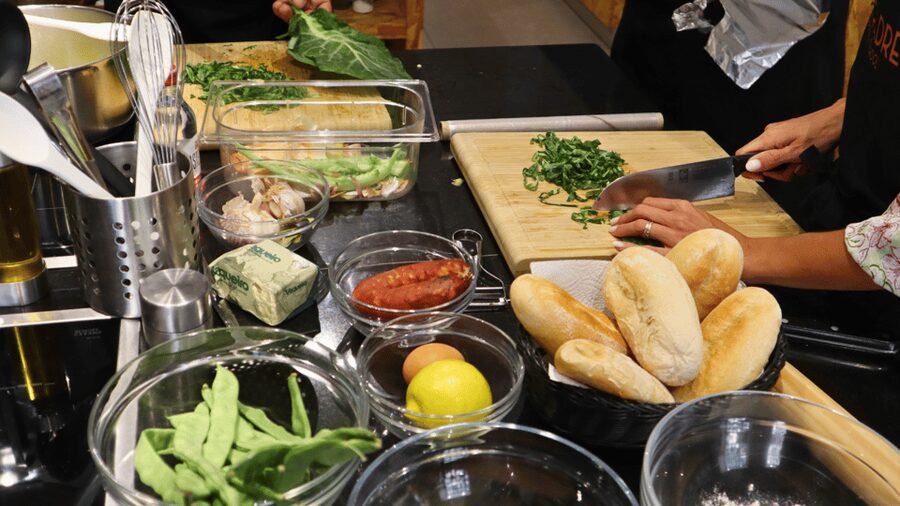
You’ll work side by side with other participants while an English-speaking instructor keeps things moving, and you’ll rotate through dishes that tell a bigger story about Portugal’s food culture. The menu centers on Bifana (pork sandwich), Caldo verde (collard greens soup), and Peixinhos da horta (the fried snack that inspired tempura). It is a great fit if you like learning by doing, and you want dishes you can recreate at home without a fully stocked pro kitchen.
Practical notes matter here. You’ll be in the kitchen, so wear comfortable shoes and clothing you can move in, and arrive about 5 minutes early to get settled. Also, it is not suitable for wheelchair users, and outside smoking is not allowed, with no alcohol or drugs permitted beyond what is provided in the experience.
In This Review
- Key Things I’d Bet You’ll Love
- Portuguese Street Food in Lisbon Kitchen Mode, Not Just Food Tasting
- Bifana, Caldo Verde, and Peixinhos da Horta: The Stories You’ll Actually Remember
- Hands-On Cooking You Can Follow Even If You’ve Never Cooked Before
- The Shared Meal Moment, Plus Wine and Ginja
- $55 for 2 Hours: Is It Good Value or Just a Premium Price?
- Who Should Book This Class, and Who Might Prefer Something Else
- Before You Go: Quick Tips That Make the Class Smoother
- Should You Book This Lisbon Street Food Cooking Class?
- FAQ
- How long is the Lisbon Portuguese street food cooking class?
- Where do I meet for the class?
- What dishes will I learn to prepare?
- Is the class taught in English?
- Does the price include drinks and the meal?
- What should I bring or wear?
- Can the class adapt for specific diets?
Key Things I’d Bet You’ll Love
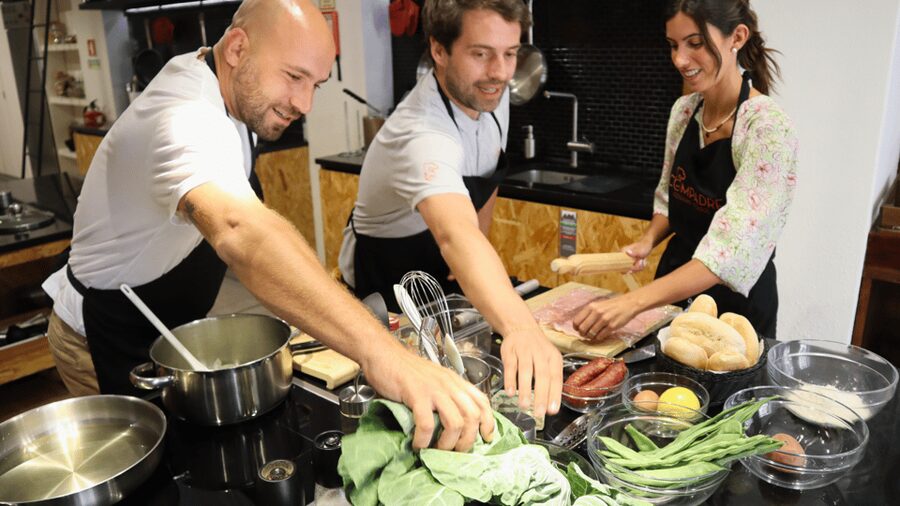
- Hands-on stations where you cook Bifana, Caldo verde, and peixinhos da horta-style bites instead of just watching
- English instruction with clear guidance so you do not need prior cooking experience
- Dish history that connects to daily life, including how peixinhos da horta relates to tempura
- A shared table meal right after cooking, so you get social time, not just food prep time
- Wine plus ginja to finish, including a glass of red or white and a cherry liqueur tasting
Portuguese Street Food in Lisbon Kitchen Mode, Not Just Food Tasting
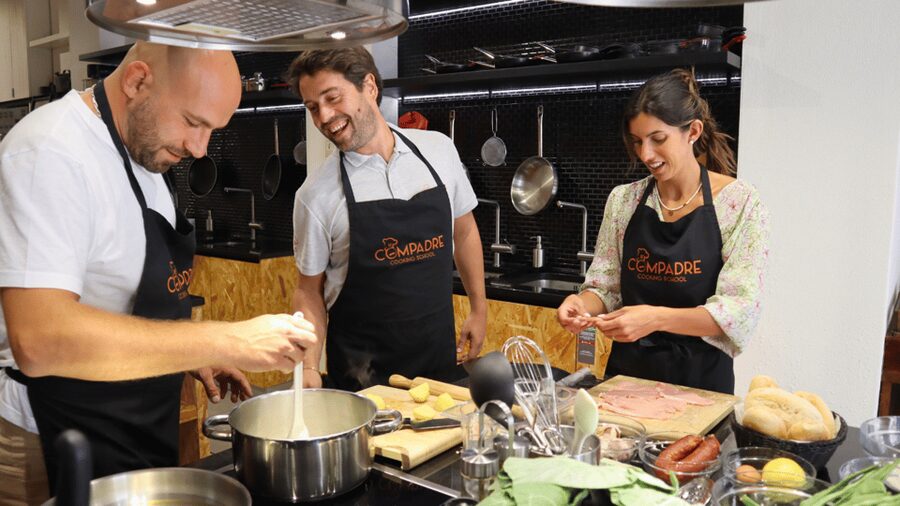
If you like eating your way through a place, this is a smart step up. You do not just sample Portuguese snacks, you learn the bones of them. In Lisbon, that means you get the flavors people reach for when they want something warm, savory, and easy to share.
At Compadre Cooking School, the setup is built for real cooking in a short window. The class runs 2 hours, and the price is $55 per person, which matters because you are not only paying for teaching. You are also getting the ingredients, a shared meal, and drinks including wine and ginja.
This is also one of the best ways to understand Lisbon food without getting lost in translation or menus. You leave with a mental checklist of how each dish comes together, plus the cultural story that explains why those ingredients became staples in Portuguese daily life.
More Cooking Classes in Lisbon
- Lisbon: Pastel de Nata Baking Class
★ 4.9 · 2,106 reviews - Lisbon: Traditional Portuguese Cooking Class
★ 4.9 · 592 reviews - Lisbon: 2-Hour Pastel de Nata Cooking Class
★ 4.8 · 461 reviews
Bifana, Caldo Verde, and Peixinhos da Horta: The Stories You’ll Actually Remember
Most food classes either ignore the why or drown you in facts. Here, you start with a short introduction that gives context for the three star dishes. You learn the origins and how these foods show up in Portuguese routines, like comfort meals and festival snack culture.
Bifana is the iconic anchor. It is the pork sandwich Portugal treats like a national snack, and cooking it forces you to focus on the parts that make it work, the seasoning and the balance of flavors in the sauce. When you make it yourself, you can taste what makes it different from a generic pork sandwich back home.
Then comes Caldo verde, a collard greens soup that feels like home in a bowl. It is simple in concept, but the technique is where it becomes special, especially in how you manage texture and consistency while keeping it flavorful. One of the most praised parts in the experience is the caldo verde itself, with people calling it fantastic and genuinely worth repeating.
Finally, you tackle Peixinhos da horta, the dish that inspired tempura. That tidbit is more than trivia. It gives you a reason to pay attention to the batter and frying logic, because you are cooking with a sense of connection to global food history while still keeping it grounded in Portuguese street snack reality.
Hands-On Cooking You Can Follow Even If You’ve Never Cooked Before
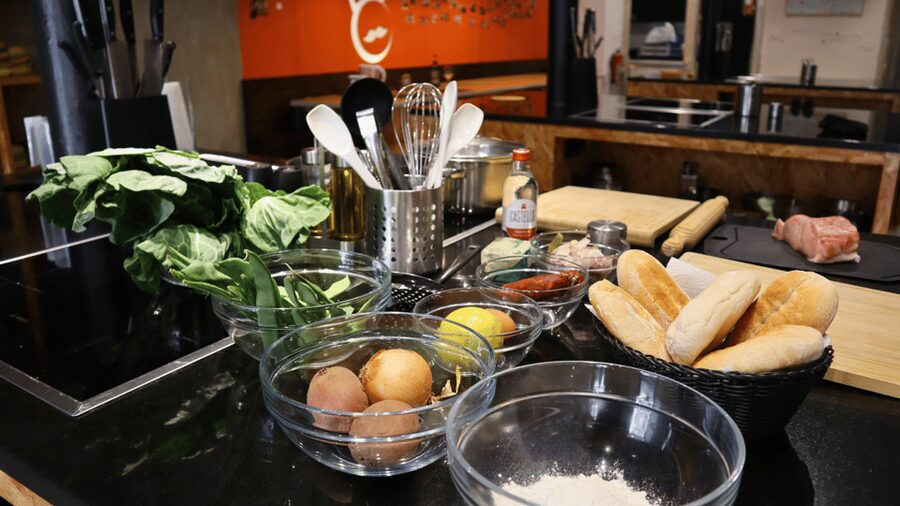
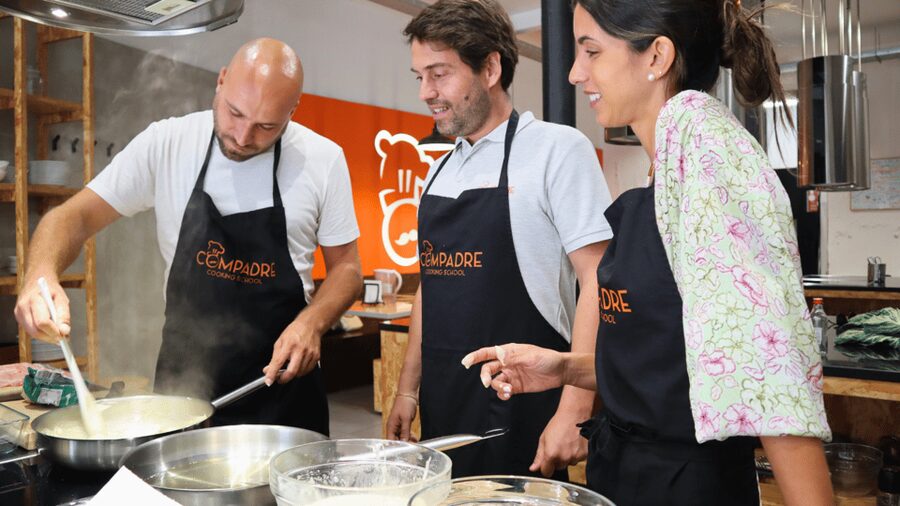
No prior cooking experience is required, and that shows in how the class flows. The instructors guide you through the process while you work at your station with other participants. You get enough steps to participate throughout most of the session, not just a quick taste and a few gestures.
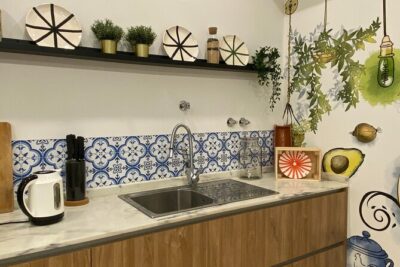
In a well-run class, the goal is simple: you should understand what you are doing while you are doing it. The space at Compadre is described as modern and clean, with cooking areas people found spacious and spotless. That kind of setup matters more than you might think, because it keeps you focused on the food instead of your surroundings.
You may notice that the style is collaborative and practical. Some classes can drift into a long lecture. This one keeps you moving, and that leads to two outcomes. First, you will remember techniques because you practiced them. Second, you might finish feeling tired in a good way, because you actually cooked the meal instead of just assembling it.
One fair consideration: the class can feel very hands-on at times, and if you prefer a more teacher-led demonstration rhythm, you might wish for slightly more instruction versus doing. Still, the overall vibe is very positive for people who want active learning.
The Shared Meal Moment, Plus Wine and Ginja
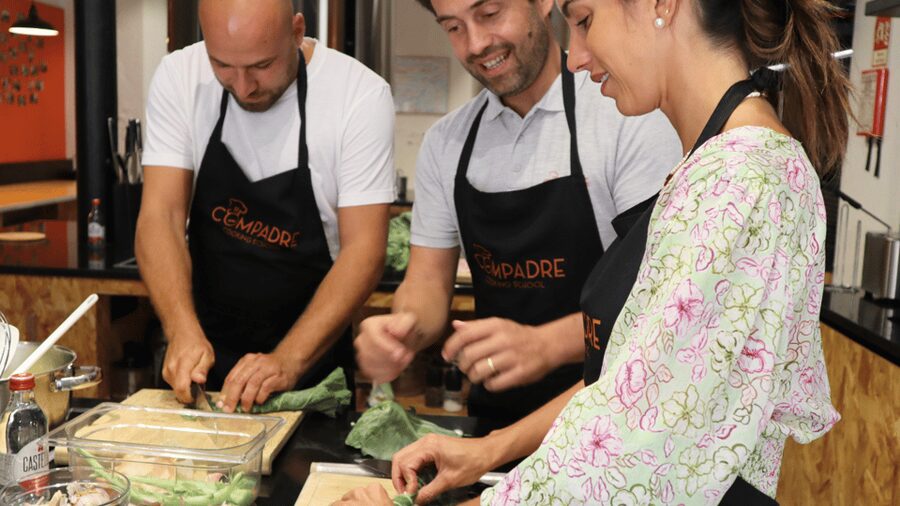
After cooking, you sit down as a group to eat what you made. This is one of those details that separates a cooking class from a cookbook workshop. The shared meal turns the dishes into a social experience, so you are not rushing off right after the last step.
You get to taste the Bifanas and the soup together in the natural order that makes sense: warm, savory, and snack-style comfort food. The final dish, the peixinhos da horta-style bites, also plays nicely here because it is the kind of food that tastes best when it is fresh and you can share it easily.
Drinks are part of the finish. You are included with a glass of wine, either red or white, which is a nice touch because it keeps the meal feeling like a complete Portuguese evening rather than a quick class break. Then you try Ginja, the traditional Portuguese cherry liqueur.
Ginja is small but memorable. It is the kind of drink that gives you a clean ending note, not just another pour. People especially enjoyed the drink side when an instructor walked through process and standards, which suggests the class pays attention even to the parts that could be treated casually.
Other Lisbon plans worth comparing
- Lisbon Portuguese Cooking Class with 3-Course Dinner
★ 5.0 · 445 reviews - Lisbon: Pasteis de Nata Baking Class
★ 5.0 · 134 reviews - Lisbon: Portuguese Cooking Class for Beginners
★ 4.9 · 78 reviews - Lisbon: Traditional Portuguese Cooking Class
★ 5.0 · 41 reviews
$55 for 2 Hours: Is It Good Value or Just a Premium Price?
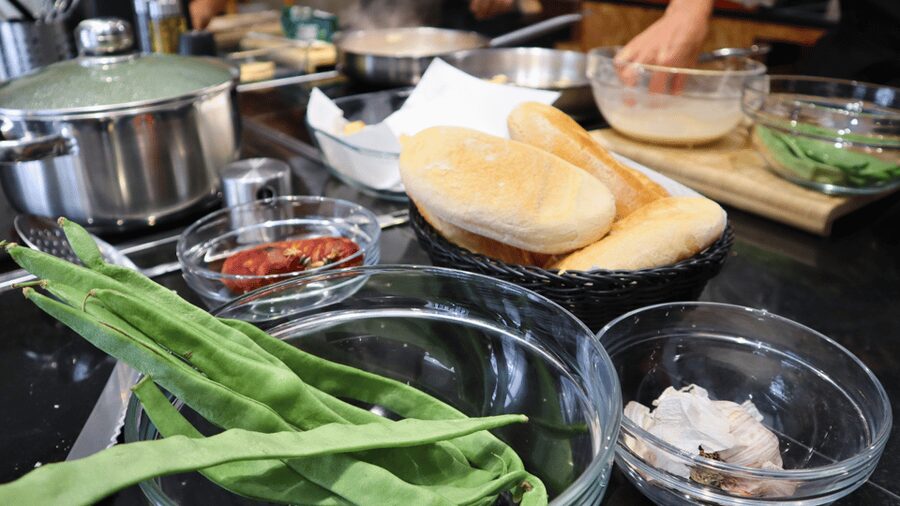
Let’s talk value, because $55 can sound either reasonable or steep depending on what’s included. Here, a big chunk of the cost is not just instruction, it’s the meal and drinks.
You get:
- Expert chef guidance
- All cooking ingredients
- A glass of wine (red or white)
- Ginja tasting
- A shared meal of what you prepared
For many experiences in Lisbon, you can easily spend similar money on a food activity that gives you samples only, or you pay more for cooking plus drinks where the meal is basic. This class aims at the full arc: learn, cook, eat, drink a little, and end with a signature Portuguese liqueur. In other words, your $55 buys a complete experience, not a half-step.
Also, the class is 2 hours, which is a sweet spot. It is long enough to do real cooking and taste what you made, but short enough that it won’t swallow your day. If you are planning multiple food stops, you need that time discipline.
Who Should Book This Class, and Who Might Prefer Something Else
This cooking class is especially good for:
- Food lovers who want Portuguese street food techniques, not just a taste
- People who learn best by doing, not by listening
- Solo travelers who want a built-in group meal and conversation time
- Couples or small groups who want a shared activity that is more interactive than a standard walking tour
It’s also a nice option if you already know Lisbon is good for eating and you want one meal where you understand what you are eating. One reason people recommend this experience is that it includes essential comfort foods beyond the usual headline dishes many visitors expect.
When to think twice:
- If you use wheelchair access as a non-negotiable requirement, this one is not suitable
- If you hate hands-on work or want a purely observational class, the format may feel too active
- If you want more drink than what is included, you’ll need to plan on paying separately, because additional drinks beyond the provided one are not included
Before You Go: Quick Tips That Make the Class Smoother
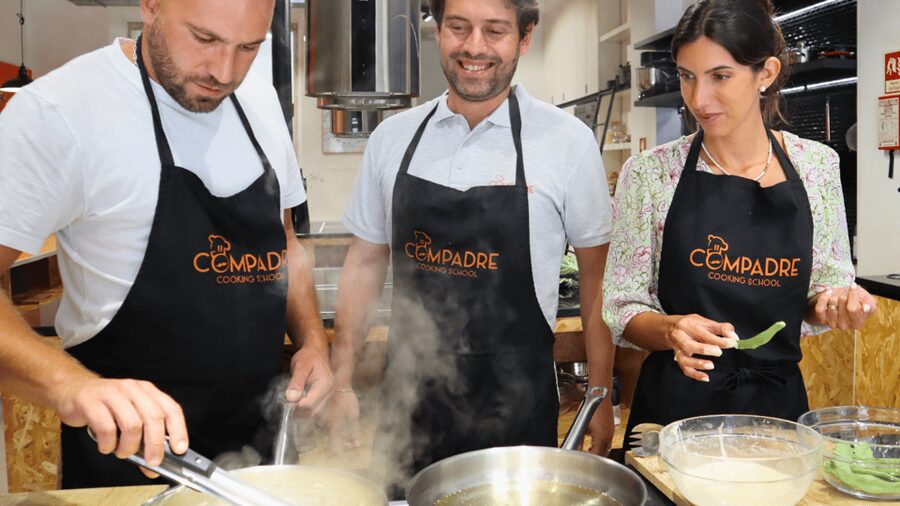
A few small habits make a big difference in kitchen classes.
First, wear comfortable shoes. You are standing and moving around a cooking setup, and you do not want sore feet to ruin your attention. Comfortable clothing helps too, since you will be participating actively in preparation.
Second, arrive about 5 minutes early to settle in. That little cushion helps you start with calm instead of rushing when the chef is ready to guide the group.
Third, keep expectations clear on what’s included. You get one glass of wine and a tasting of ginja. The experience does not include extra drinks, so if you are the type who wants multiple rounds, budget accordingly.
Finally, follow the rules on site. Smoking is not allowed, and alcohol or drugs are not permitted, which makes sense since you’re cooking and sharing a meal in a controlled environment.
Should You Book This Lisbon Street Food Cooking Class?
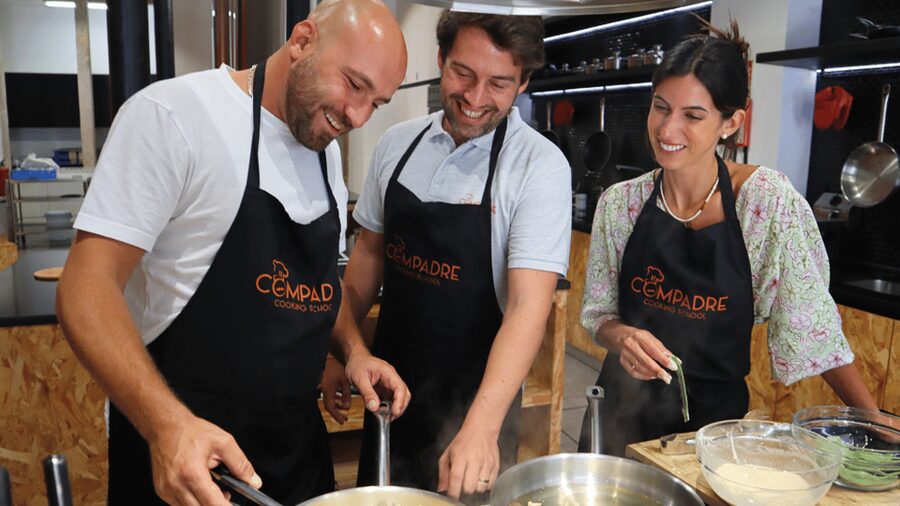
Yes, I think it’s worth booking if you want more than sampling. You get a compact, hands-on education in three iconic Portuguese dishes, plus a shared meal, wine, and ginja to close the loop. The fact that people consistently mention clean, professional stations and clear guidance is a strong signal that you are set up to succeed even if you are not a confident cook.
Skip it only if you need wheelchair accessibility, or if you strongly prefer a mostly watch-only experience. Otherwise, this is one of those Lisbon activities that turns food into a skill you carry home, not just a memory you can read about later.
FAQ
How long is the Lisbon Portuguese street food cooking class?
The class lasts 2 hours.
Where do I meet for the class?
You meet at the Compadre Cooking School kitchen.
What dishes will I learn to prepare?
The class focuses on Bifana, Caldo verde, and Peixinhos da horta.
Is the class taught in English?
Yes, the instructor speaks English.
Does the price include drinks and the meal?
Yes. You get a shared meal of the dishes you prepare, plus a glass of wine (red or white) and a tasting of Ginja.
What should I bring or wear?
Wear comfortable shoes and comfortable clothing suitable for cooking.
Can the class adapt for specific diets?
If you have a specific diet, you can contact the organizers, and they can adapt the recipes.
More Food & Drink in Lisbon
- Lisbon Small-Group Food Tour with 18 Tastings in Alfama District
★ 5.0 · 1,967 reviews - Devour Lisbon: The Ultimate Portuguese Food Tour
★ 5.0 · 1,782 reviews - Lisbon Food Tour with 10+ Tastings of Local Delicacies & Wines
★ 5.0 · 1,339 reviews - Award-Winning Original Lisbon Food Wine Tour: 19 Curated Tastings
★ 5.0 · 1,288 reviews
More Food in Lisbon
- Winner 2025 Undiscovered Lisbon Food & Wine Tour by Eating Europe
★ 5.0 · 6,390 reviews - Lisbon: Food and Wine Small Group Walking Tour
★ 4.9 · 4,082 reviews - Lisbon Small-Group Portuguese Food and Wine Tour
★ 5.0 · 3,972 reviews - Lisbon: Baixa District Food Tour with Dinner and Drinks
★ 4.9 · 1,997 reviews
Just added around Lisbon
- Tomar: Knight’s Templar Castle and Convent of Christ Tour★ 4.9 · 84 reviews
- Tour Bohemian de Tuk Tuk: Bertrand, Miradouros e Estrela★ 5.0 · 24 reviews
- From Lisbon: Fátima, Nazaré and Sintra Guided Tour★ 4.7 · 155 reviews
- From Lisbon: Tomar, Batalha, Alcobaça, & Óbidos Templar Tour★ 4.9 · 47 reviews
- From Lisbon: Sintra Pena Palace Cascais 8-People Group Tour★ 4.9 · 93 reviews
- The Real Lisbon Street Art Private Guided Tour by Minivan★ 4.7 · 49 reviews
- Lisbon: The Jewish Sephardic Walking Tour★ 4.9 · 22 reviews
- From Lisbon: Tomar, Christ Convent & Almourol Castle Tour★ 5.0 · 64 reviews
Cooking Classes, compared.
Pastel de Nata Cooking Class with Grandma’s Recipe
Read our review →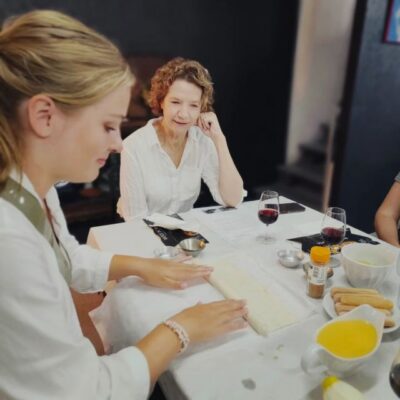
Pastel de Nata Cooking Class with Port Wine – Sé
Read our review →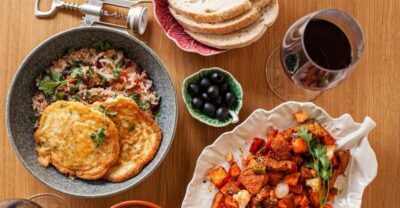

Lisbon Portuguese Cooking Class with 3-Course Dinner
Read our review →
Pastel de Nata Cooking Class with Porto Wine (Sé do Porto)
Read our review →Browse the lists this tour appears in