
Reviewed · EVORA TOURS & ACTIVITIES
Marble Tour in Vila Viçosa
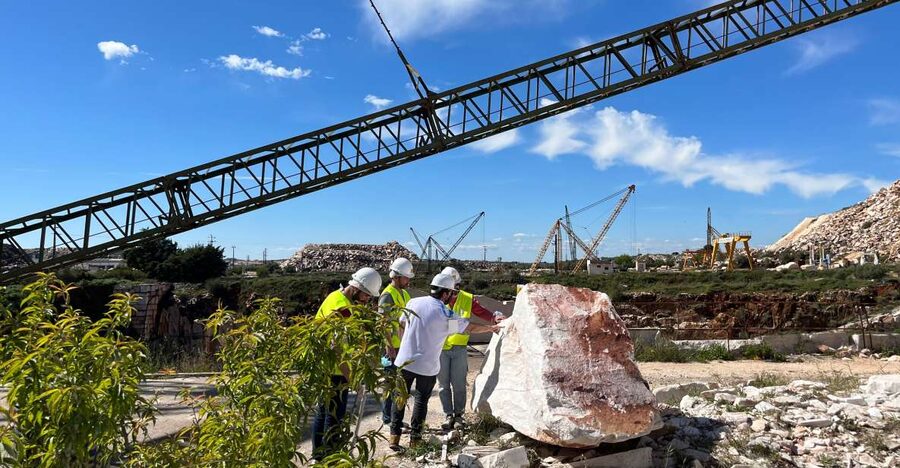
Marble turns into art here, start to finish. In Vila Viçosa you get the marble pipeline explained end to end, from extraction to finished stone, with a mix of geology, practical process, and real shop-floor views. What really grabs me is the careful way hazards and machinery get discussed alongside economic and artistic angles, so the story feels grounded, not just scenic.
I also love the two worlds you see on this tour: an artisan workshop where marble is shaped by hand, then an industrial milling setup where machines do the heavy lifting. One thing to plan for though, this is not a hop-on, hop-off situation, you’ll use your own vehicle to get between the meeting point and the sites.
The guide energy matters a lot here, and you may even meet João or Juaquina, both called out for upbeat, clear English explanations. The main drawback is logistics: no hotel pickup and you need your own car or driver to move between stops, so it can be less convenient if you’re based without easy road access.
In This Review
- Key highlights you’ll actually care about
- Vila Viçosa Marble Country, What You’re Seeing
- Getting There: Meeting Point, Timing, and the Own-Vehicle Requirement
- Stop 1 in Vila Viçosa: The Nucleus of Pedreiras de Mármore
- Artisan Marble Workshop: Manual Transformation and Craft Stories
- Industrial Processing and Milling: How the Mechanized Side Works
- Guides, Language, and the Joy of Clear Explanations
- Price and Value: Is $30.25 a Fair Deal?
- Who This Marble Tour Fits Best
- Should You Book the Marble Tour in Vila Viçosa?
- FAQ
- How long is the Marble Tour in Vila Viçosa?
- Where is the meeting point, and where does the tour end?
- Is the tour offered in English?
- Do I need my own vehicle?
- What’s the group size limit?
- What should I wear?
- Is free cancellation available?
Key highlights you’ll actually care about
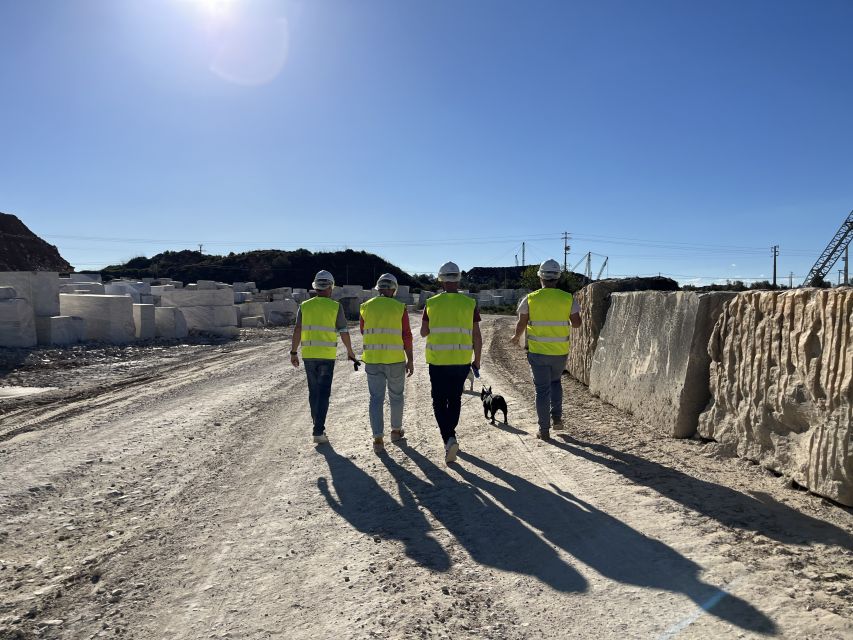
- Quarry-to-product focus: you see how marble goes from underground extraction to final goods
- Hands-on artisan shop time: manual transformation, tools, and the risks workers manage
- Industrial milling viewpoint: mechanized processing, machines, and how a milling operation runs
- Small group size: up to 10 travelers, so questions land and you do not feel rushed
- English-guided explanations: guides explain both geology and practical production, in plain language
Vila Viçosa Marble Country, What You’re Seeing
Vila Viçosa is in the Évora District, part of Alentejo marble country, and that matters because the stone is not just a souvenir here. It is an industry, a craft, and a local identity all at once. On this tour, you connect the dots between how marble is formed, how it is extracted, and how it becomes products you can recognize, from crafted work to industrial outputs.
You’ll get more than pretty photos. You learn what makes extraction tricky, why certain tools show up in the process, and what the workplace risks look like. That practical framing changes how you look at the end result. Instead of seeing a polished slab and calling it marble, you start seeing steps, decisions, and human effort behind it.
The tour also keeps a good pace for a 2 to 3 hour window. You’re not stuck in one lecture room. You move through an educational nucleus area, then workshops, including a mechanized operation. It’s a compact way to cover a lot of production logic without turning it into an all-day ordeal.
Other Evora plans worth comparing
- Évora and Megaliths Full-Day Tour from Lisbon
★ 4.7 · 456 reviews - From Lisbon: Évora and Monsaraz with Regional Wine Tasting
★ 4.7 · 345 reviews - Évora: Private walking tour with tickets to main monuments
★ 5.0 · 223 reviews
Getting There: Meeting Point, Timing, and the Own-Vehicle Requirement
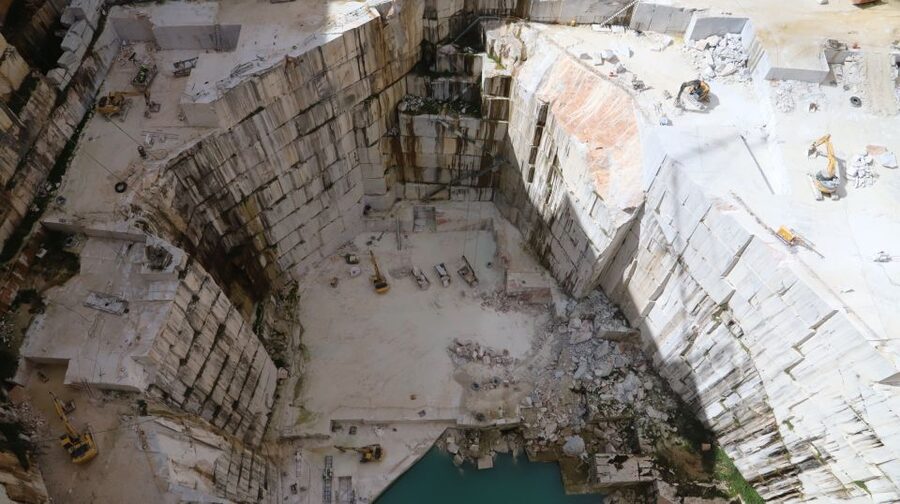
The tour starts at Rota do Mármore, Av. Duques de Bragança 4, 7160-209 Vila Viçosa, Portugal. It ends back at the same meeting point, so you are not playing the “where do I meet you later” game.
Plan for 2 to 3 hours on the ground. That length is right for this theme. Marble production is complex, but this tour keeps it practical and visual. It also helps you avoid the common trap of marathon tours that leave you hungry, tired, and unable to absorb details.
Here’s the logistics point that can make or break your day: the tour requires your own vehicle to travel between the meeting point and the places visited. Hotel pickup and drop-off are not included, and private transportation is not included either. If you already have a rental car, you are in good shape. If you don’t, you may need to arrange local transport on your own, or you might find the day more complicated than it is worth.
One more small but important note: closed footwear is mandatory, and you should have a moderate physical fitness level. The tour is not described as extreme, but it does involve workshop and processing areas where you want sturdy shoes.
Stop 1 in Vila Viçosa: The Nucleus of Pedreiras de Mármore
The first stop is Vila Viçosa and the Nucleus of Pedreiras de Mármore of the region. Think of it as your orientation base. You get a passage and presentation that walks you through the marble story, from extraction processes to what is involved in getting stone out of the ground.
What I like here is that the explanation does not treat marble like magic. You hear about extraction steps and the kinds of machinery used. You also get a clear look at existing hazards. That part matters because marble work is not only “pretty polishing.” It is heavy, technical, and safety-critical, and seeing that context makes the rest of the tour more meaningful.
The stop also touches both economic and artistic aspects. That blend is useful for you if you care about the local economy, but it’s also useful if you care about design. Marble is sold as stone, but it’s also used as a material for finished work. Understanding both sides helps you connect what you see in workshops later to the reason people do all of this work.
A practical tip for this stop: ask questions that tie geology to production. The tour format is designed for that kind of back-and-forth, and it helps you remember the details when you move to the real cutting and shaping areas.
Artisan Marble Workshop: Manual Transformation and Craft Stories
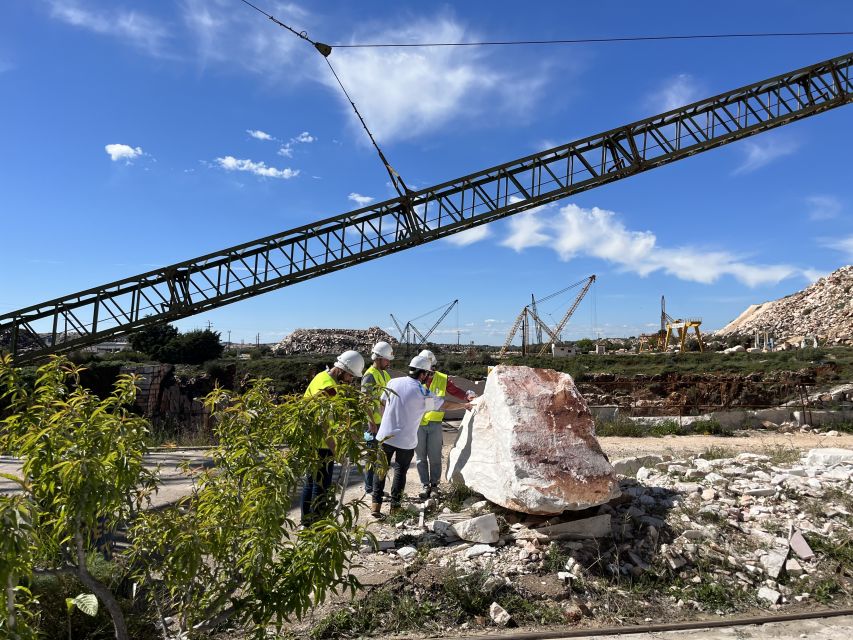
After the nucleus orientation, you visit a marble workshop where the artisanal and manual transformation of marble takes center stage. This is where the tour changes texture. You go from big-picture explanation to craft methods you can almost feel through the visuals and the guide’s description.
You’ll learn about techniques and the machinery used in the workshop setting. Just as important, you’ll hear about the dangers existing in this kind of work. That keeps things honest. Marble craft requires skill, yes, but it also requires respect for safe procedures and the realities of working with stone and tools.
The workshop also highlights final work, and it includes personal stories from the master craft side. That storytelling element is one of the reasons the tour gets such strong ratings. When a guide adds human details, you stop thinking of marble as an abstract “product category” and start thinking of it as work done by people with experience.
If you tend to enjoy craft, this stop is the one where you’ll likely slow down. Look closely at how the process is described, especially where manual work fits into the workflow. It helps you understand what people choose to do by hand and why.
In the same part of Portugal:
- Lisbon: Évora (w/ Cathedral & Bones), Cartuxa & Cork Factory
★ 4.7 · 97 reviews - From Lisbon: Évora Wine & Heritage Tour
★ 4.1 · 93 reviews - Évora: Private walking tour with tickets to main monuments
★ 5.0 · 91 reviews - Évora: Private walking tour, By Local Guide
★ 5.0 · 87 reviews
Industrial Processing and Milling: How the Mechanized Side Works
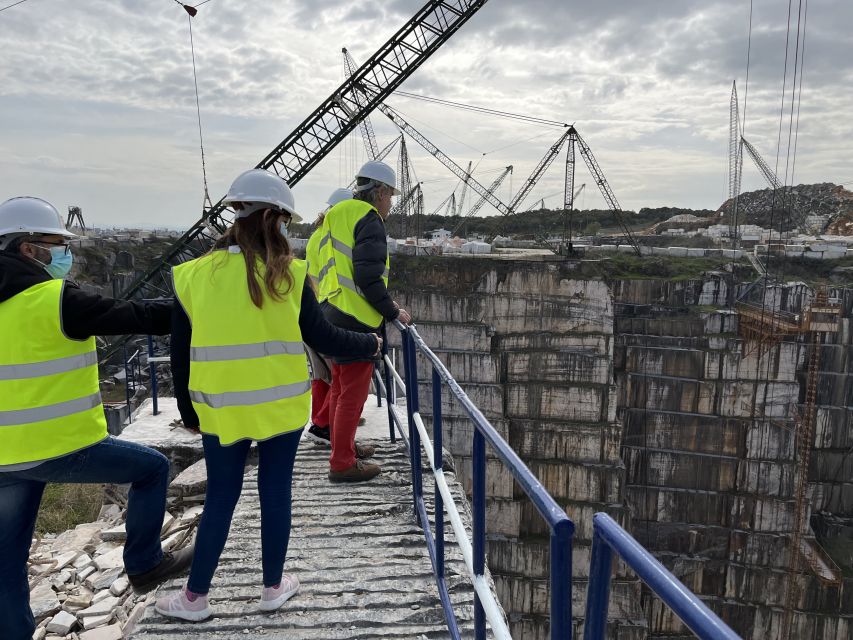
The tour finishes with a marble milling or industrial processing workshop segment. This is the mechanized counterpoint to the artisan shop.
Here you’ll see and hear about industrial processing of marble, the different machines used, and the hazards that come with an industrial environment. You also get examples of final products and the operational context of a milling operation.
The value of this stop is contrast. You can compare what you just learned in the artisan workshop with a system where machines handle much more of the processing. That makes it easier for you to understand why marble ends up looking so consistent at scale, and why industrial sites organize work around throughput and safety.
This is also where your geology-to-industry mental chain clicks. If the first stop explained extraction logic and the second stop showed shaping by hand, the milling workshop helps you understand the production “engine room.” Even without technical background, the guide’s explanation makes the workflow legible.
If you like asking practical questions, this is a good time. You can ask about how the industrial process differs in outcomes or what kinds of work are usually done before milling. Just keep questions short, since you’ll be on a time-based schedule.
Guides, Language, and the Joy of Clear Explanations
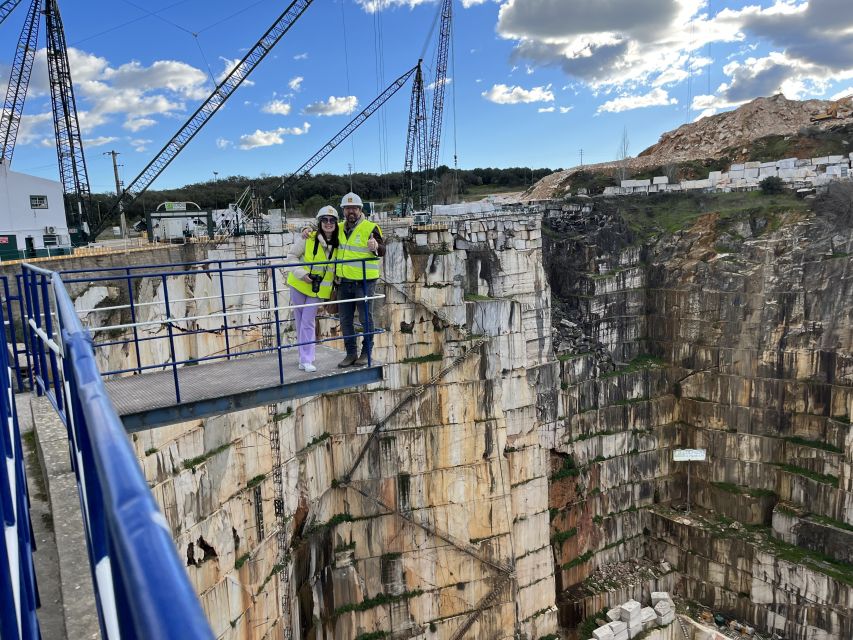
The guides are a big part of why this tour earns a 4.9 rating and high recommendation. The comments you’ll hear in the real world point to English explanations that stay entertaining and enthusiastic.
In particular, João is specifically praised for good, enthusiastic guidance, and Juaquina is praised for making the whole marble geology and quarry-cutting-pushing-pulling process understandable in English. The repeated theme is clarity plus energy, so you are not stuck translating in your head.
I’d treat the guide like your cheat code. If you want the tour to feel more personal, ask one or two questions during transitions, not just at the biggest stop. For example, you can ask what part of the process most impacts the final look, or which hazard is most common in the kind of work you’re seeing.
Also, since this is a small group with a maximum of 10 travelers, your questions are more likely to get answered directly rather than waved off.
Price and Value: Is $30.25 a Fair Deal?
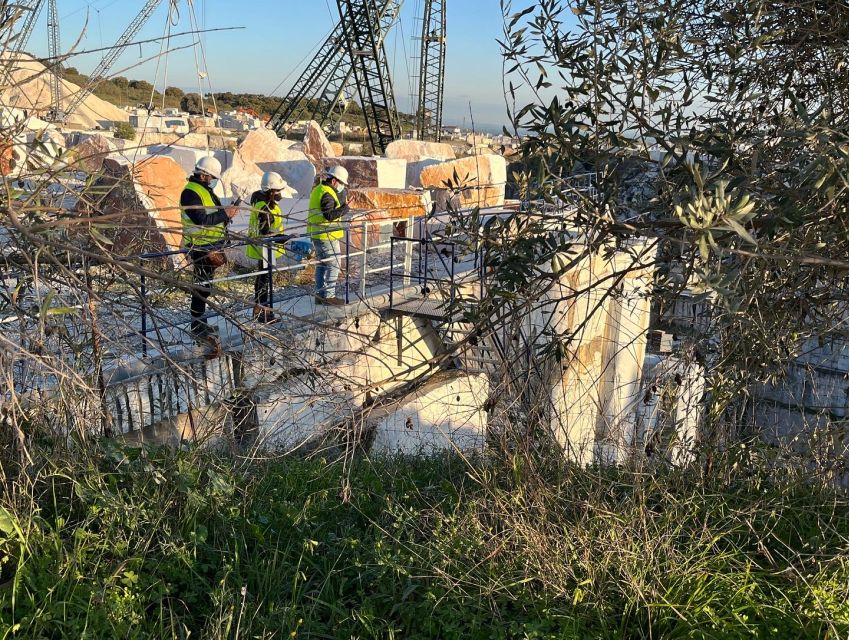
At $30.25 per person, this is priced like a focused, half-day-ish experience rather than a premium production tour. The good news is that the value is not only in the “where” but the “what.”
You’re paying for:
- a professional local guide
- a structured route that covers extraction context, artisan transformation, and industrial processing
- English guidance
- a mobile ticket format
- group discounts, when applicable
- a tour window that keeps you active for about 2 to 3 hours
What you are not paying for includes hotel pickup, hotel drop-off, food and drinks, and private transportation. That matters because if you need to add transport on top, your total cost might rise. But if you’re already driving in Vila Viçosa, you’ll likely feel the price is fair for what you cover.
Another small value angle: the tour emphasizes real processes and workplace hazards. That kind of practical learning is harder to find on generic “look at the building” tours. Here, you leave knowing how marble gets processed and why the tools and safety topics show up.
If you’re on a tight schedule and want a compact look at both craft and industry, this price point tends to make sense.
Who This Marble Tour Fits Best
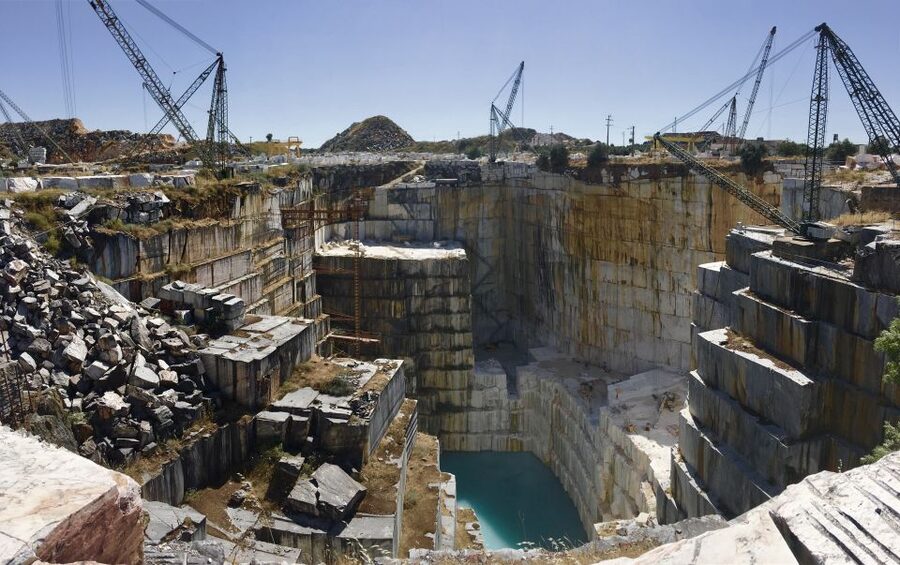
This tour fits best if you like practical travel, not just photo stops. You’ll enjoy it if you’re interested in:
- how stone is extracted and processed
- why machinery matters in production
- how artisan work differs from industrial milling
- the local economic and artistic side of materials
It also suits you if you learn better through walking and seeing than through pure museum time. You’re moving through different types of spaces, and the guide ties the pieces together.
You might want to think twice if you hate logistics. With no hotel pickup and an own-vehicle requirement between the meeting point and visited places, the day depends on how easy it is for you to get around. Food is not included either, so plan a snack or a meal before or after.
The moderate fitness note also suggests you should be comfortable enough for workshop environments and time on your feet.
Should You Book the Marble Tour in Vila Viçosa?
I’d book this if you want a short, high-impact look at marble making in the real world. You get the full pipeline feeling, not just a quarry glance. The mix of an orientation nucleus, an artisan workshop with personal craft stories, and an industrial milling segment helps you understand the entire journey from stone to finished result.
I would not book it if you want a no-effort, car-free tour with hotel pickup and drop-off. The own-vehicle requirement is the trade-off, and it can add hassle if you’re relying on taxis or public transport.
If you do have your own transport, you’re likely to feel this is good value for the time. And if you’re lucky enough to be guided by someone like João or Juaquina, the clear, enthusiastic English explanations are exactly the kind of thing that turns a technical topic into a trip you remember.
FAQ
How long is the Marble Tour in Vila Viçosa?
The tour lasts about 2 to 3 hours.
Where is the meeting point, and where does the tour end?
It starts at Rota do Mármore, Av. Duques de Bragança 4, 7160-209 Vila Viçosa, Portugal, and it ends back at the same meeting point.
Is the tour offered in English?
Yes, the tour is offered in English.
Do I need my own vehicle?
Yes. You need your own vehicle to travel between the meeting point and the places to visit.
What’s the group size limit?
The tour has a maximum of 10 travelers.
What should I wear?
Closed footwear is mandatory.
Is free cancellation available?
Yes. You can cancel up to 24 hours in advance for a full refund, and the experience requires good weather, with an alternative date or full refund if it is canceled due to poor weather.
Just added around Evora
- Monsaraz and Wine guided tour from Évora★ 4.5 · 38 reviews
- Lisbon: Évora (w/ Cathedral & Bones), Cartuxa & Cork Factory★ 4.7 · 97 reviews
- Golden Era of Évora walking & the portuguese wine tasting.★ 4.3 · 19 reviews
- From Lisbon: Évora Wine & Heritage Tour★ 4.1 · 93 reviews
- From Lisboa: Evora and Monsaraz Full-Day Tour★ 5.0 · 22 reviews
- From Lisbon: Évora + Chapel of Bones + Monsaraz + Alentejo Wines★ 5.0 · 73 reviews
- From Lisbon: Évora, Chapel of Bones & Alentejo Wine Tour★ 4.5 · 20 reviews
- Évora: Tales and Legends Guided Walking Tour★ 4.7 · 37 reviews
Evora Tours & Activities, compared.

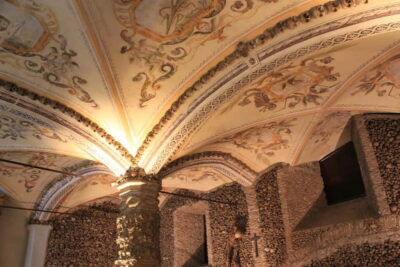
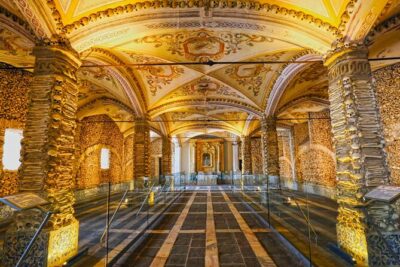
Private walking tour with tickets to main monuments
Read our review →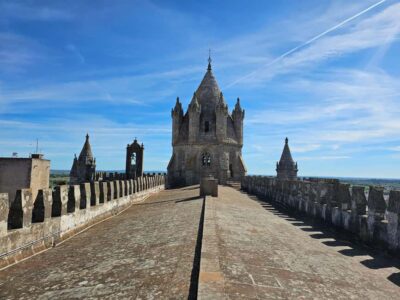
Évora (w/ Cathedral & Bones), Cartuxa & Cork Factory
Read our review →
Private walking tour with tickets to main monuments
Read our review →
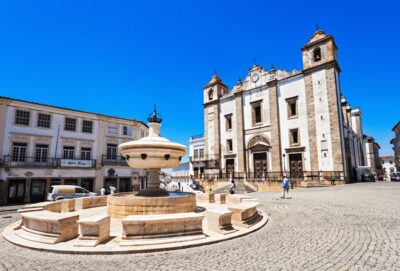
Évora + Chapel of Bones + Monsaraz + Alentejo Wines
Read our review →Browse the lists this tour appears in