
Reviewed · PORT WINE & VINEYARD TASTINGS
Golden Era of Évora walking & the portuguese wine tasting.
Évora turns into a timeline on foot. I love how the walk stitches together Roman-to-medieval architecture into one easy story, and I also love the end Alentejo wine tasting with Vanessa Schnitzer. My one watch-out: you are on your feet for the full 4 hours, so plan on comfortable shoes, and note that museum entrances are not included.
The tour starts at Chafariz da Praça do Giraldo, with the meeting point described near the Church of Santo Antão. It’s a private group, guided live in English, Spanish, or Portuguese, and it includes wine while skipping the ticket line when that applies.
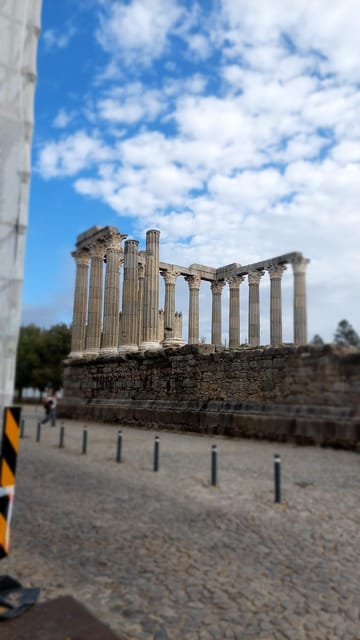
By the time you’re done, you’ll have seen why Évora earned UNESCO World Heritage status on 23 November 1986, and you’ll also have a practical sense of how Alentejo land shapes what ends up in your glass. Expect towers, fountains, churches, a Roman temple, an aqueduct, and several named highlights like the Sisebuto tower and the palace D. Manuel.
In This Review
- Key highlights worth planning for
- Walking from Praça do Giraldo through 2,000 years of Évora
- Roman, Visigoth, and Moorish layers you can actually see
- Geraldo the Fearless, the Avis dynasty, and why Évora mattered
- Towers, fountains, gardens, churches, and palace D. Manuel
- Your wine finale at Ervideira Wine Shop with Vanessa Schnitzer
- Price and logistics: is $42 worth it?
- Who this tour suits best
- Before you go: comfort, timing, and what to pack
- Should you book Golden Era of Évora and the Portuguese Wine Tasting?
- FAQ
- Where does the tour start?
- Where is the meeting point?
- How long is the Golden Era of Évora walking tour with wine tasting?
- How much does it cost?
- What is included in the price?
- Are museum entrances included?
- What languages are offered?
- Is the tour wheelchair accessible?
- What is the minimum age?
- What should I bring and what should I avoid?
Key highlights worth planning for
- A 2,000-year architectural route across Roman, Visigothic, Muslim, and medieval Évora
- Geraldo the Fearless and the reconquest story, tied directly to what you see in the streets
- UNESCO old-town context with Évora’s role from the Avis dynasty into Portugal’s Golden Age
- Specific landmarks like the Roman temple, aqueduct, Roman gateway, Sisebuto tower, and palace D. Manuel
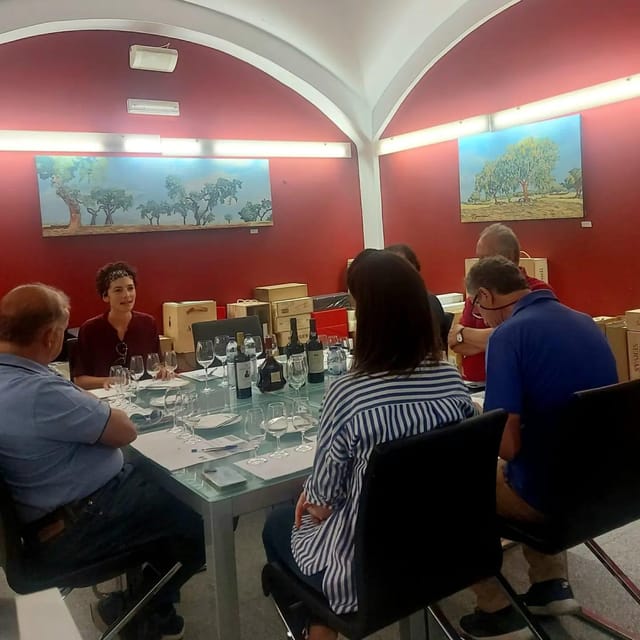
- Wine tasting in Alentejo style at Ervideira Wine Shop, hosted by Vanessa Schnitzer
- Private group pacing that can feel more comfortable than big-bus tours
Walking from Praça do Giraldo through 2,000 years of Évora
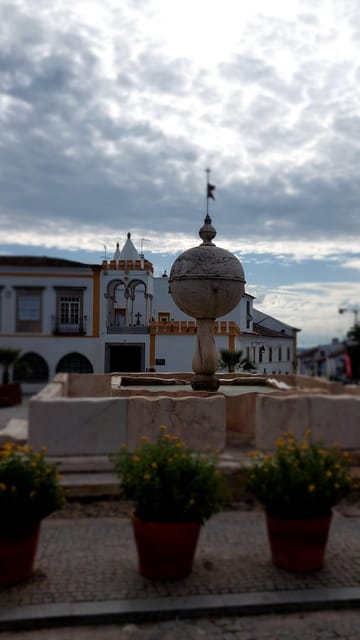
I like tours that give me a map in my head, not just a list of sights. This one starts in Geraldo Square at the Chafariz da Praça do Giraldo, which is a smart base because it’s central and visually tied to the city’s civic life. From there, you move through centuries as if the stones are turning the pages.
You’ll get a guided story that begins with early inhabitants, including the Eborones, then moves through Roman influences you can recognize in the layout and monumental remnants. The route then continues into later layers, including Visigothic and Muslim presence, and finally the medieval period that shaped Évora’s defensive look with battlements, towers, and fortified-feeling angles.
One practical plus: you’re in a private group. That generally means the guide can slow down when a question matters, and you spend less time waiting and more time looking closely at details. And because it’s a live guide in English, Spanish, or Portuguese, you’re not left trying to decode everything from a sign.
More Walking Tours in Evora
- Évora: Private walking tour with tickets to main monuments
★ 5.0 · 223 reviews - Évora: Private walking tour with tickets to main monuments
★ 5.0 · 91 reviews - Évora: Private walking tour, By Local Guide
★ 5.0 · 87 reviews
Roman, Visigoth, and Moorish layers you can actually see
Évora can feel like one long walk of “nice old buildings” if you don’t have a framework. Here, the framework is the clash of cultures and how each era left physical traces. The highlights you’re set up to notice include Roman features like the Roman temple and aqueduct, plus the Roman gateway.
From the reviews’ vibe, the guides do more than point. Vanessa Schnitzer and guides such as Paolo are both praised for connecting what you see to the larger story, especially Roman influences. You’ll also hear how later powers reused, adapted, or reinterpreted earlier spaces, which is what makes these layers feel connected rather than random.
The Visigothic and Muslim chapters matter because they change the mood of the city. Even when you’re standing in modern streets, the guide’s explanation helps you understand why certain structures look the way they do, why towers and defensive lines appear where they do, and how the city’s identity kept shifting across regimes.
If you enjoy architecture that makes sense when you have context, you’ll get more out of this tour than you would with a self-guided wander.
Geraldo the Fearless, the Avis dynasty, and why Évora mattered
A key reason this tour is more than a sightseeing walk is that it ties monuments to political turning points. The story starts with Geraldo the Fearless and the reconquest, then moves into the beginning of Portugal as a kingdom. The guide then brings you forward to the Avis dynasty and Portugal’s Golden Age in the 15th and 16th century.
Évora isn’t framed as just pretty. It’s described as a place with a special role during those centuries, and that’s why UNESCO recognized it as World Heritage on 23 November 1986. That date isn’t just trivia. It helps you understand why you’ll see so many layers packed into a walkable center.
I also like that the route doesn’t try to cover everything equally. It focuses on major, recognizable touchpoints, such as towers and named monuments like the Sisebuto tower. Those named stops make the history feel less abstract, because you anchor the story to a physical point you can later remember.
Towers, fountains, gardens, churches, and palace D. Manuel
The highlights list reads like a greatest-hits collection, but the best part is how they fit together as you walk. Expect towers and fountains as recurring visuals, with churches along the way that help you understand how faith shaped the city’s center over time.
The tour includes medieval battlement-style elements and tower views, which are exactly the kind of structures that can be hard to appreciate without a guide. Seeing them with commentary helps you imagine defense and authority, not just take photos. The route also references the Roman temple, aqueduct, and Roman gateway, which are reminders that Évora’s growth was never only medieval.
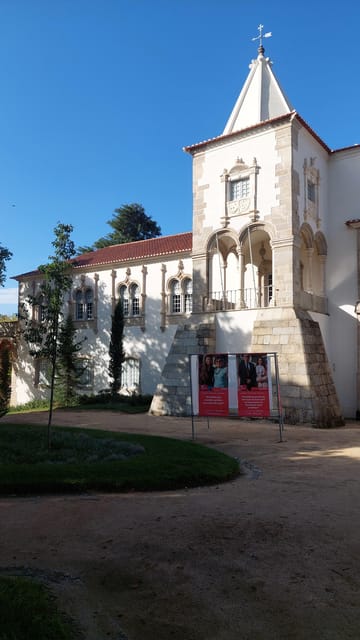
A standout from the provided highlights is palace D. Manuel. That’s the kind of stop that can make a tour feel more alive because it’s both architectural and human. In a city with so many eras, a palace helps you picture how power lived day to day.
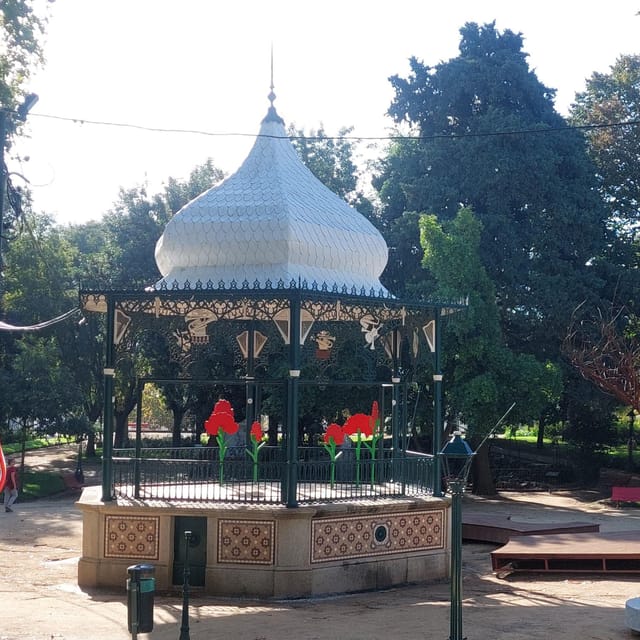
You’ll also pass through a romantic garden setting, plus statues and a broader mix of plazas and streets. This variety is a real quality-of-life factor: after 4 hours, you still feel like you saw different kinds of places, not only the same type of stone wall.
One small consideration: museum entrance tickets are not included. That’s totally fine if your goal is the walk plus the outdoor and street-level monuments. If you specifically want indoor museum time, you might need a separate ticket plan.
Other Evora plans worth comparing
- Évora and Megaliths Full-Day Tour from Lisbon
★ 4.7 · 456 reviews - From Lisbon: Évora and Monsaraz with Regional Wine Tasting
★ 4.7 · 345 reviews - Marble Tour in Vila Viçosa
★ 5.0 · 308 reviews - Lisbon: Évora (w/ Cathedral & Bones), Cartuxa & Cork Factory
★ 4.7 · 97 reviews
Your wine finale at Ervideira Wine Shop with Vanessa Schnitzer
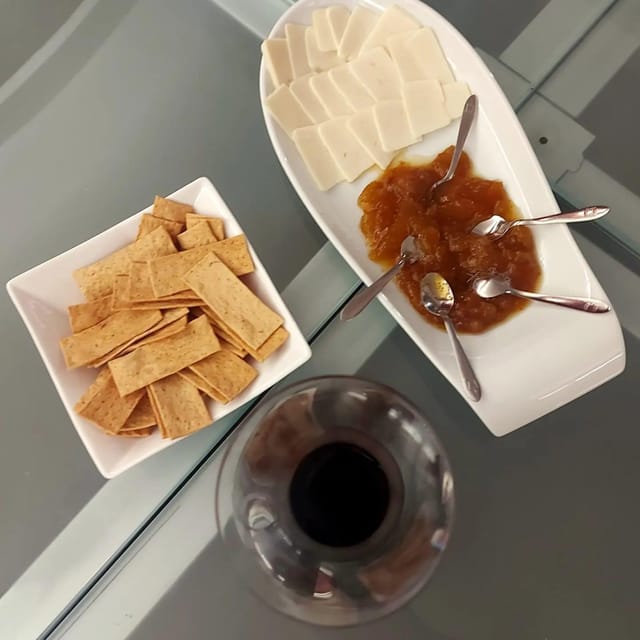
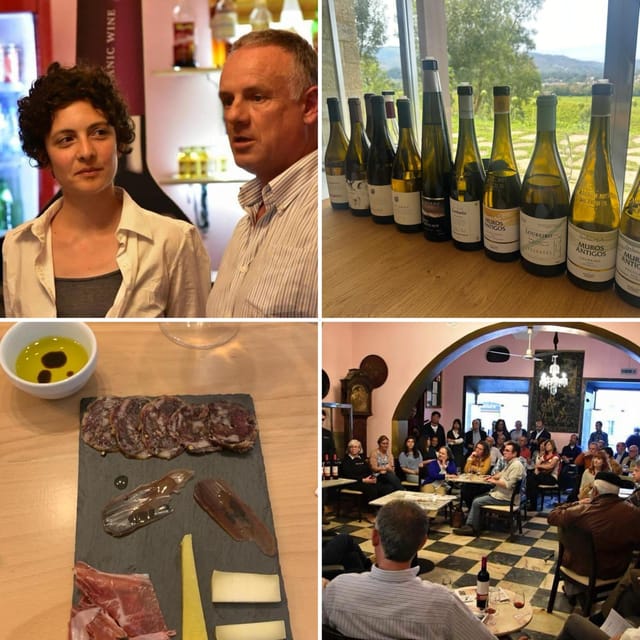
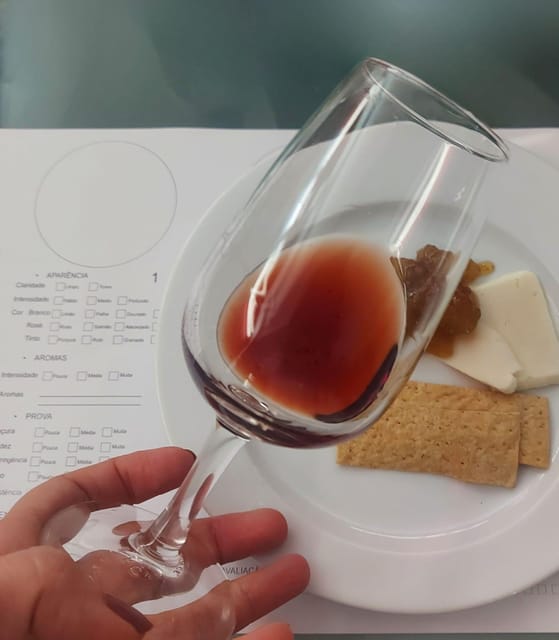
The pacing ends in a way that feels like it belongs. Instead of making you rush through more monuments, the tour finishes with wine tasting at Ervideira Wine Shop. The tasting is hosted by Vanessa Schnitzer, described as a Sommelier, Oenologist, and PhD student, with a focus on promoting Alentejo wines.
This is where you see the practical connection between place and taste. The tasting goal is to show how soil and climate give Alentejo wines a sense of place, which is the phrase that matters here because it changes how you think while tasting. You’re not just sampling flavors. You’re listening for traits that reflect region and conditions.
The tour includes the wine, so there’s no awkward pricing surprise at the end. It’s also a nice shift after hours of stone and street-level history. For many people, pairing the city walk with a regional tasting is the easiest way to remember a destination as a whole experience, not only as photos on a phone.
Important boundary: alcohol and drugs are not allowed on the activity. And the tour is not suitable for people under 19. If you’re traveling as a group with mixed ages, check that before you schedule.
Price and logistics: is $42 worth it?
At $42 per person for a 4-hour private guided experience that includes wine, the value is fairly strong. Here’s the math that matters: you’re paying for two things that are usually separate. First, you get a structured walking tour that covers multiple historical periods in a way that’s explained live. Second, you get a wine tasting that includes alcohol, led by a named sommelier and oenology specialist.
You also get “skip the ticket line” listed as included. Even if you’re not doing museums, that matters because it can reduce friction at timed or ticketed viewpoints. Just keep in mind that museum entrance fees are not included, so you might still need to pay separately if you choose to enter any museum during your free time.
One review theme that translates into real-life advice: pace and explanations matter. Paolo and Vanessa are praised for passion and clear architectural period spotting, but one person noted the guide spoke a bit quickly. If you prefer slower storytelling, you can solve this by asking questions as you go. If you want to slow things down, a private group format helps.
The bottom line: if you like guided context and you want Alentejo wine without juggling plans, this is good value for the money.
Who this tour suits best
This works especially well if you’re the type of traveler who likes cause-and-effect. You want to know not only what a monument is, but why it exists where it exists, and how the city changed hands over time.
It’s also a solid choice if you’re short on time in Évora. A 4-hour tour gives you a structured sweep through the highlights, then ties the experience together with a tasting in the heart of Alentejo wine culture. And because it’s listed as wheelchair accessible, it’s more inclusive than many purely walking-focused experiences.
Because it’s a private group, it suits couples and small groups who want a more personal pace. If you’re the kind of solo traveler who gets annoyed by large crowds, this can feel calmer and more conversational.
If you are traveling with kids or teens, remember the age limit is 19+. And if your main goal is indoor museum hours, you might pair this with a separate museum plan, since museum entrances are not included.
Before you go: comfort, timing, and what to pack
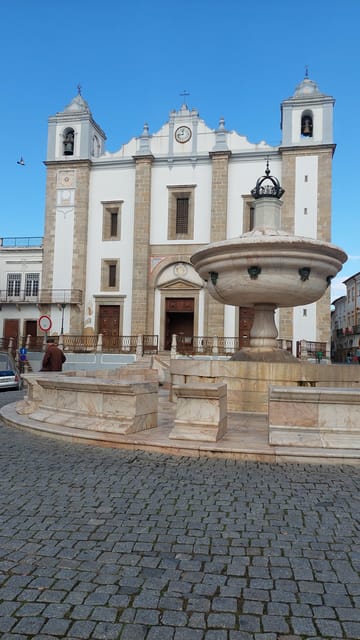
This is a walking tour, so plan for cobblestones and uneven old-street footing. Bring comfortable shoes and comfortable clothes, plain and simple. The tour includes a break time, so you’re not stuck continuously walking for 4 hours without rest.
You’ll be outdoors most of the time, then shift indoors for the wine tasting at the shop. In hot months, plan your water strategy. You don’t want to lose the history part because you’re thinking about heat or thirst.
Also note the languages are English, Spanish, and Portuguese. If you’re booking from another language background, confirm your language preference early so the guide can deliver at the speed and style you need.
Should you book Golden Era of Évora and the Portuguese Wine Tasting?
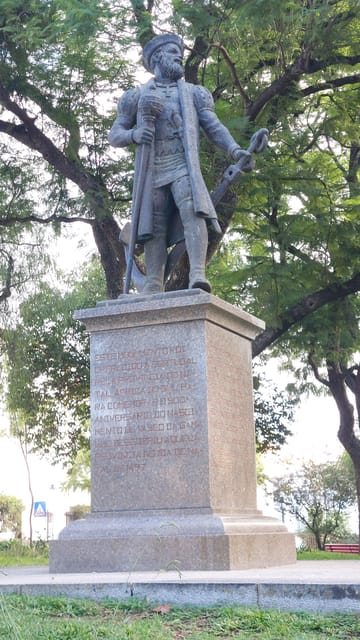
Book it if you want Évora to make sense fast, with a guide who connects Roman, Visigothic, and Muslim layers to later medieval power. The palace D. Manuel stop, the named towers like the Sisebuto tower, and the Roman features like the aqueduct and gateway are exactly the kind of “you would miss this on your own” sights a guided route should highlight.
Skip it or supplement it if your top priority is museum interiors, since entrance tickets are not included. Also be honest about your walking tolerance, because this is a full half-day on foot.
If you want your Évora visit to end with something local, not just another souvenir stop, the Ervideira Wine Shop tasting with Vanessa Schnitzer is a satisfying way to close the loop. You leave with a memory you can taste, not only see.
FAQ
Where does the tour start?
The tour starts at Chafariz da Praça do Giraldo.
Where is the meeting point?
The meeting point is near the Church of Santo Antão.
How long is the Golden Era of Évora walking tour with wine tasting?
The duration is 4 hours.
How much does it cost?
The price is $42 per person.
What is included in the price?
The wine is included. The tour also includes a live tour guide and states that you can skip the ticket line.
Are museum entrances included?
No, entrance in museums is not included.
What languages are offered?
The live guide is available in English, Spanish, and Portuguese.
Is the tour wheelchair accessible?
Yes, the tour is listed as wheelchair accessible.
What is the minimum age?
The tour is not suitable for people under 19.
What should I bring and what should I avoid?
Bring comfortable shoes and comfortable clothes. Alcohol and drugs are not allowed.
More Food & Drink in Evora
- Winner 2025 Undiscovered Lisbon Food & Wine Tour by Eating Europe
★ 5.0 · 6,390 reviews - Porto: Cálem Cellar Tour, Interactive Museum & Wine Tasting
★ 4.5 · 4,113 reviews - Lisbon: Food and Wine Small Group Walking Tour
★ 4.9 · 4,082 reviews - Lisbon Small-Group Portuguese Food and Wine Tour
★ 5.0 · 3,972 reviews
Port Wine Tastings in Evora
- From Porto: Douro Valley w/ Boat Tour, Wine Tasting & Lunch
★ 4.7 · 19,061 reviews - Complete Douro Valley Wine Tour with Lunch, Wine Tastings and River Cruise
★ 5.0 · 12,920 reviews - Porto: Douro Valley with Winery Lunch, Tastings & Cruise
★ 4.7 · 7,002 reviews - Porto: Live Fado Show with Glass of Port Wine
★ 4.8 · 6,498 reviews
Just added around Evora
- Monsaraz and Wine guided tour from Évora★ 4.5 · 38 reviews
- Lisbon: Évora (w/ Cathedral & Bones), Cartuxa & Cork Factory★ 4.7 · 97 reviews
- From Lisbon: Évora Wine & Heritage Tour★ 4.1 · 93 reviews
- From Lisboa: Evora and Monsaraz Full-Day Tour★ 5.0 · 22 reviews
- From Lisbon: Évora + Chapel of Bones + Monsaraz + Alentejo Wines★ 5.0 · 73 reviews
- From Lisbon: Évora, Chapel of Bones & Alentejo Wine Tour★ 4.5 · 20 reviews
- Évora: Tales and Legends Guided Walking Tour★ 4.7 · 37 reviews
- Evora University, Cathedral & Bones Chapel — SkipLine + Wine★ 5.0 · 33 reviews
Port Wine & Vineyard Tastings, compared.
Douro Valley w/ Boat Tour, Wine Tasting & Lunch
Read our review →
Complete Douro Valley Wine Tour with Lunch, Wine Tastings and River Cruise
Read our review →
Douro Valley with Winery Lunch, Tastings & Cruise
Read our review →

Live Fado Show with Port Wine at Lisboa em Fado
Read our review →
Bridges Cruise & Sunset & Port Wine Cellar Option
Read our review →
Cálem Cellar Tour, Interactive Museum & Wine Tasting
Read our review →
Douro Valley Small-Group Tour with Wine Tasting, Lunch and Boat
Read our review →Browse the lists this tour appears in