
Reviewed · COOKING CLASSES
Portuguese ‘Petiscos’ Cooking Class
Five petiscos, one shared table.
This Portuguese petiscos cooking class in Lisbon turns small plates into a full evening of hands-on learning. In about 3 hours, you cook up to five seasonal snacks, including Caldo Verde, then sit down together with drinks and coffee or tea.
I like that it is genuinely beginner-friendly. You do not need knife skills or cooking confidence, because the chef team guides you step by step. One thing to consider is that the exact menu can shift by season, so your five petiscos may not match every item listed in the sample menu.
My second favorite part is the value of the meal setup. You are not just tasting, you are cooking, sharing, and washing it down with included wine and beer (with non-alcoholic options available for under 18). For the price, it is a lot of food plus real instruction, in a small group.
In This Review
- Key things to know before you cook
- Petiscos class in Lisbon: what you are really doing
- Price and what $102.12 buys you in the real world
- Where you meet and how the 3-hour timing feels
- The Caldo Verde starter: the warm-up you can actually remember
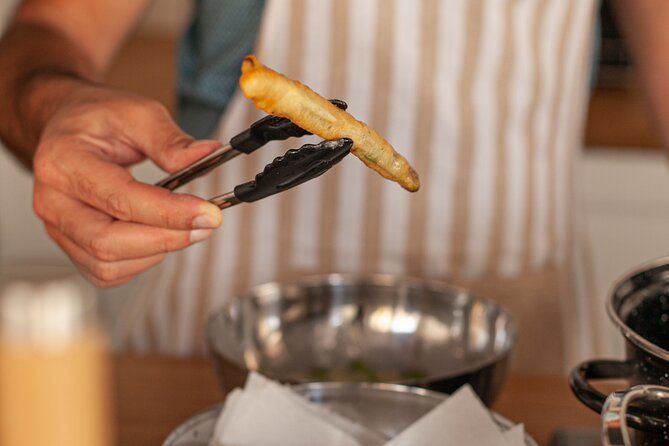
- Pica-pau, bacalhau fritters, eggs, and other petiscos you might cook
- The food format that makes the class feel like Lisbon
- Drinks, coffee or tea, and how the meal ties it together
- Who will enjoy this class most
- The instructor effect: examples like Miguel and Pedro
- Clean, organized kitchens and enough space to actually cook
- Recipes to take home: turning petiscos into repeatable home cooking
- Should you book this Lisbon petiscos cooking class
- FAQ
- How many petiscos will I learn in this class?
- How long is the Portuguese petiscos cooking class?
- Do I need cooking experience to join?
- What food and drinks are included?
- Is alcohol served to everyone?
- What is the group size?
- Where does the class meet in Lisbon?
- What is the cancellation policy?
Key things to know before you cook
- Up to 5 petiscos in a single 3-hour session, always including Caldo Verde
- Small group experience capped at 10, designed to feel more personal (not a big factory tour)
- Included Portuguese drinks like wine or beer, plus coffee or tea with your meal
- Seasonal menu changes, so you should expect some variation in what you cook
- Take-home recipes after class, so you can recreate the petiscos later at home
Petiscos class in Lisbon: what you are really doing
Think of this as a shortcut to understanding Portuguese eating culture. Petiscos are the small plates Portugal does so well, and the class teaches you why they work. They are meant for sharing, easy to eat while chatting, and varied enough that nobody needs to order a single “main event” every time.
You start by cooking from a simple, guided plan. As you move through the petiscos, you learn basic techniques rather than memorizing recipes like a robot. It is also a social format: you end up eating what you made together, which changes the whole vibe compared with a basic tasting tour.
The class also leans into real Lisbon flavor combos. From what is offered, you will see Portuguese favorites like cod, eggs, sausage, and that famous custard tart style, all showing up as part of the petiscos tradition and snack culture.
More Cooking Classes in Lisbon
- Lisbon: Pastel de Nata Baking Class
★ 4.9 · 2,106 reviews - Lisbon: Traditional Portuguese Cooking Class
★ 4.9 · 592 reviews - Lisbon: 2-Hour Pastel de Nata Cooking Class
★ 4.8 · 461 reviews
Price and what $102.12 buys you in the real world

At $102.12 per person, you are paying for three things that usually cost extra when booked separately: instruction, ingredients, and the meal drinks.
You are not just learning theory. The experience includes hands-on preparation of up to five petiscos, and the food ends up on your table. That is a big deal because ingredients and time are the hidden costs in many cooking classes.
On top of that, you get the “stay awhile” part: snacks plus Portuguese wine and beer, and also coffee or tea. For a short 3-hour evening, that inclusion is part of why this feels like good value rather than a pricey cooking demo.
The one trade-off is that you are not paying for a private class. It is capped at 10, and it is designed to be small, but it is still a group format. If you want one-on-one instruction all the time, you might find you share the kitchen stations with others.
Where you meet and how the 3-hour timing feels
You meet at R. Aliança Operária 54, 1300-049 Lisboa, Portugal. The activity ends back at the same meeting point.
Because the class runs about 3 hours, it works best when you are not racing across town. It also tends to be a smart first or second stop in Lisbon. One review described taking it shortly after landing, and that makes sense: you get a quick education in Portuguese flavors early, then you can recognize patterns while you eat later.
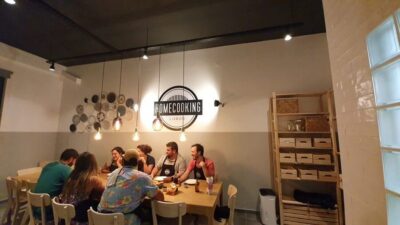
The venue is a working kitchen, and multiple reviews mention a clean, organized space with a layout that supports everyone having a station with help as needed. You should plan to arrive a few minutes early so you can get settled and start on time.
Also, you get a mobile ticket, which is handy. And the class is offered in English, which keeps the pace comfortable if you are not fluent in Portuguese.
The Caldo Verde starter: the warm-up you can actually remember
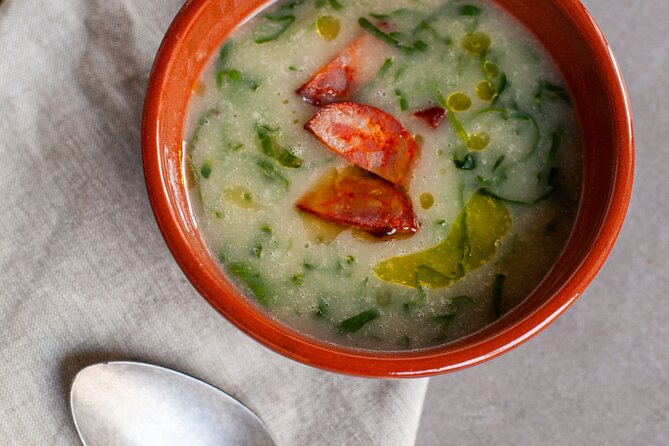
Caldo Verde is the centerpiece you will plan around. Even in a class focused on petiscos, this soup plays the role of “anchor dish,” because it shows how Portuguese comfort food can be simple and still feel special.
From the information shared, Caldo Verde is a classic Portuguese potato soup. In class, you will learn the basics of making it, guided by the chef team. This matters because once you understand the rhythm of a soup like this, you can apply the same instincts to other small-plate dishes, especially ones where you balance seasoning and texture.
It also sets expectations for the rest of the session. Petiscos are not one-note bites. A soup gives you a cozy start, then you shift into frying, eggs, or savory mains that pair nicely with the included drinks.
A practical tip: treat Caldo Verde as your reference dish. Taste it at the end, notice the salt and consistency, then compare how it matches the other petiscos on the table. That is how you learn, not just what you eat.
Other Lisbon plans worth comparing
- Lisbon Portuguese Cooking Class with 3-Course Dinner
★ 5.0 · 445 reviews - Traditional Portuguese Cooking Class in Lisbon
★ 5.0 · 287 reviews - Pasteis de Nata Baking Class from Lisbon
★ 5.0 · 248 reviews - Portuguese Cooking Class in Lisbon
★ 5.0 · 141 reviews
Pica-pau, bacalhau fritters, eggs, and other petiscos you might cook
The class focuses on cooking up to five seasonal petiscos, including Caldo Verde. The sample menu lists several options that could appear depending on the season and what your session is running. You might see dishes like:
- Pica-pau
- Pataniscas de bacalhau (cod fritters)
- Ovos com farinheira (eggs with farinheira)
- Pastéis de bacalhau (cod pastries)
- Peixinhos da horta (fried fish shaped bites)
- Ovos verdes
- Flaming chorizo
Some reviews also give a clearer picture of how the learning can feel in practice. One person mentioned cod fish fritters with large portions, another mentioned a dried cod casserole and red beans and rice, and another highlighted a seared veal dish with a mustard and white wine sauce. That mix is consistent with a petiscos approach: you are cooking different textures and flavor styles in a single class.
Two things I think make this section work well for you:
- You learn multiple techniques in a short time. That stops you from getting bored halfway through.
- The flavors stay Portuguese, so you are not just doing random “international cooking.”
One consideration: because the menu is seasonal, you should not assume you will cook every item shown in the sample list. If you have a strong favorite, message the provider before booking and ask what is currently scheduled.
The food format that makes the class feel like Lisbon
This is not a quiet lecture. You cook at stations, then you sit down and eat what you made.
Reviews repeatedly mention a shared table setup and a clear “everyone participates” feeling, even when groups are small. That is exactly what petiscos are supposed to be: communal, snack-driven, and designed for conversation.
A few details are worth highlighting because they affect your comfort:
- The kitchen is described as clean and spotless in reviews
- There is support for cleanup as class progresses, so the process does not feel chaotic
- Stations and partner-style cooking can make it easier to keep moving
If you are traveling with friends or a partner, this shared format gives you an instant group activity that is not dependent on finding a reservation at the right time.
Drinks, coffee or tea, and how the meal ties it together
You get Portuguese wines and beers included. You also get other non-alcoholic beverages, and if you are under 18, alcoholic beverages are not served, with water, juices, or tea available instead.
This part matters because petiscos often pair with simple, refreshing drinks. You are cooking salty and savory bites, sometimes fried, sometimes sauced or egg-based. Having drinks included helps you taste the balance while you cook and again when you eat.
You also get coffee or tea with your meal, which is a nice endcap for a session that can otherwise feel like only snacks. It also makes the class feel more complete, like a real evening out rather than a half hour of cooking followed by a souvenir recipe card.
Who will enjoy this class most
This is ideal if you want hands-on learning without intimidation.
It is especially good for:
- Beginner cooks who want a guided experience and do not want to feel out of place
- Food lovers who want to understand Portuguese small plates beyond just ordering them in restaurants
- Solo travelers or friends who like group energy and communal eating
It may not be the best fit if:
- You want a highly technical cooking class focused on advanced pastry or knife skills. The emphasis here is petiscos and practical, accessible preparation.
- You are hoping for a fully customized menu. Since menus change seasonally, you should expect variation.
For language comfort, the class is offered in English, so you can focus on techniques rather than deciphering every step.
The instructor effect: examples like Miguel and Pedro
In the reviews, the instructors come up fast as a reason the class works. People mention chefs like Miguel and Pedro as patient, engaging, and good at explaining the history and reasons behind dishes.
That is not fluff. When a chef connects a dish to Portuguese food culture, you cook with more confidence. You also tend to remember what you did because you understand why it matters.
The best part for you is that “competent chefs and instructors” are part of the promise, and reviews back up that the teaching style is step by step. That is what turns a fun activity into real skill you can repeat later.
Clean, organized kitchens and enough space to actually cook
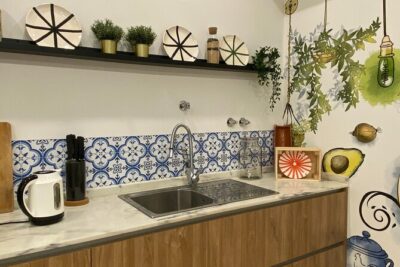
Cooking classes can be stressful when the kitchen is too tight. Here, the venue is described as clean, organized, and spacious enough for participants to work at stations, with support for cleanup.
One review also highlighted a stainless steel kitchen and plenty of space, plus another mentioned the layout allowed participants to work at their own area and partner up comfortably.
Practical takeaway: if you are the kind of person who hates waiting around, this setup is more likely to keep you moving. In a 3-hour class, that matters more than fancy decorations.
Recipes to take home: turning petiscos into repeatable home cooking
One reason this class gets strong praise is that you do not only leave with a full stomach. You also get access to recipes afterward, so you can recreate the petiscos.
Some reviews mention receiving recipes after the class and accessing them later to cook again at home. One person wondered about where the recipes or a printable cookbook lived, because they were told it was on the website. So my advice is simple: after booking, check how you will receive the recipes. If it is online, make sure you know where to find them before you assume you will get a printed packet.
Even without a cookbook, the value is still strong. You learn multiple dishes in one evening, then you can pick two or three that match your tastes and cook them again when you want a Lisbon-style snack night.
Should you book this Lisbon petiscos cooking class
If you want a high-value, beginner-friendly way to learn Portuguese small plates, I think you should book it. You get up to five petiscos including Caldo Verde, plus drinks and coffee or tea, in a small-group format that keeps the experience personable.
Book it if:
- you like practical cooking instruction
- you want to eat what you make with a group
- you value Portuguese flavors like cod, eggs, sausage, and comforting soups
- you want recipes afterward, not just a memory
Consider skipping or picking something else if:
- you need a guaranteed exact menu lineup, since it changes seasonally
- you want a long, advanced class focused on one deep specialty
If you are on the fence, do it this way: pick a day when you are not too rushed, arrive a bit early, and come hungry. This class is built for that, and it makes Lisbon food click fast.
FAQ
How many petiscos will I learn in this class?
You will learn the basics of Portuguese gastronomy through the hands-on preparation of up to five different petiscos, including Caldo Verde.
How long is the Portuguese petiscos cooking class?
The class runs for about 3 hours.
Do I need cooking experience to join?
No. The class is described as perfect for beginner chefs, and you do not need cooking expertise.
What food and drinks are included?
The experience includes snacks and Portuguese wine and beer, along with coffee or tea. Non-alcoholic beverages are also available.
Is alcohol served to everyone?
No. Alcoholic beverages won’t be served to participants under 18. Water, juices, or tea are available instead.
What is the group size?
The experience is designed to be limited to a small group, with a maximum of 10 travelers.
Where does the class meet in Lisbon?
You meet at R. Aliança Operária 54, 1300-049 Lisboa, Portugal. The activity ends back at the meeting point.
What is the cancellation policy?
You can cancel for free up to 24 hours before the experience starts for a full refund. If you cancel less than 24 hours before, the amount paid is not refunded. If the experience is canceled because the minimum number of travelers is not met, you will be offered a different date or a full refund.
Just added around Lisbon
- Morning Sailing Tour in Tagus River from Lisbon★ 5.0 · 68 reviews
- Private Half Day – The Majestic Pena Palace & Sintra★ 5.0 · 90 reviews
- Lisbon Private 3 hours tour★ 4.5 · 33 reviews
- PRIVATE Unforgettable Full Day Tour to Sintra from Lisbon★ 5.0 · 236 reviews
- Lisbon: Catamaran Luxury Sunset and Wine Tour★ 5.0 · 119 reviews
- Lisbon’s authentic Food and Wine tour with a Winemaker★ 5.0 · 67 reviews
- Sesimbra Wild Beach Tour from Lisbon★ 5.0 · 57 reviews
- Private Jeep Tour from Lisbon – Arrábida, Sesimbra & Beach Picnic★ 5.0 · 48 reviews
Cooking Classes, compared.
Pastel de Nata Cooking Class with Grandma’s Recipe
Read our review →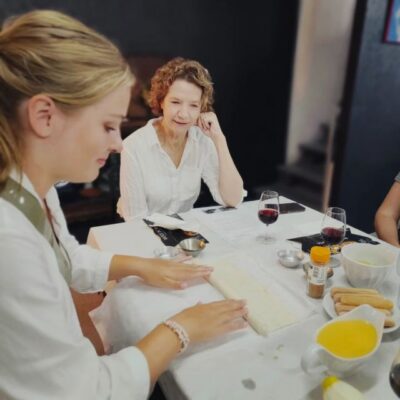
Pastel de Nata Cooking Class with Port Wine – Sé
Read our review →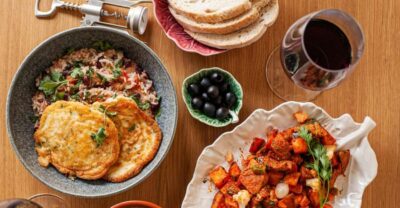


Lisbon Portuguese Cooking Class with 3-Course Dinner
Read our review →
Pastel de Nata Cooking Class with Porto Wine (Sé do Porto)
Read our review →Browse the lists this tour appears in