Reviewed · FOOD & PASTEL DE NATA TOURS
Lisbon Market and Food Tour with Cooking Class and Lunch
Fresh seafood and real cooking skills in four hours.
This Lisbon market and food tour is interesting because you start by shopping for ingredients with a chef, then you move straight into a hands-on class. I love the small-group feel, which keeps things relaxed, and I also like the market-first approach that puts the freshest fish, shellfish, produce, and herbs at the center of the meal.
After the walk, you’ll cook a traditional Portuguese menu made of fish, meat, and dessert, then eat what you make with Portuguese wine. I love that it feels like a practical food lesson, not a demo, and that you get lots of support while you chop, prep, and learn techniques. One possible drawback: this is active, and you will spend about four hours cooking, so plan your day for a lighter afternoon, not more sightseeing.
In This Review
- Key highlights
- Starting at R. Bernardim Ribeiro 9: how the day gets going
- The market walk: where Portuguese cooking starts with ingredients
- What you’ll cook: the Portuguese dishes and why they matter
- Peixinhos da Horta: learning Portuguese tempura style
- Cataplana: the main dish built on seafood and spice
- Algarve orange roll: dessert that anchors the meal
- The cooking class itself: stations, technique, and real work
- Wine and snacks during the prep
- Lunch at the end: a feast with the people you cooked with
- Group size, pacing, and who should book
- Price and value: is $141.50 worth it?
- FAQ
- How long does the Lisbon market and cooking class last?
- Where does the tour meet?
- What time does the tour start?
- Is the tour offered in English?
- Can you adapt the class for food allergies?
- Is there free cancellation?
- Should you book this Lisbon market and cooking class?
Key highlights
- Chef-led market shopping for fresh fish, shellfish, and seasonal vegetables
- Hands-on Portuguese cooking class with guided steps and kitchen support
- A full lunch you prepare yourself, paired with Portuguese wines
- Traditional menu format: fish dish, meat dish, and a dessert like Algarve orange roll
- Small groups (max 12) so you actually get time at the stations
- Food adaptations possible when you tell them your allergies ahead of time
Starting at R. Bernardim Ribeiro 9: how the day gets going
The experience starts at R. Bernardim Ribeiro 9, near public transportation, and it kicks off at 9:30 am. You meet your chef/instructor first, then the group heads to the market area to shop for the day’s ingredients. Even if you’re new to Portuguese food, this structure helps you understand what you’re cooking before you ever touch a knife.
This start time also makes practical sense. You’re done before midday becomes midday rush, which makes it a smart use of a half-day in Lisbon. If you’re the type who prefers to learn by doing, rather than only reading menus, you’ll likely feel right at home quickly.
One more detail worth noting: it’s offered in English, and you’ll receive a mobile ticket. That sounds minor, but it helps you avoid the little headaches that eat time when you’re on a trip schedule.
More Cooking Classes in Lisbon
- Lisbon: Pastel de Nata Baking Class
★ 4.9 · 2,106 reviews - Lisbon: Traditional Portuguese Cooking Class
★ 4.9 · 592 reviews - Lisbon: 2-Hour Pastel de Nata Cooking Class
★ 4.8 · 461 reviews
The market walk: where Portuguese cooking starts with ingredients
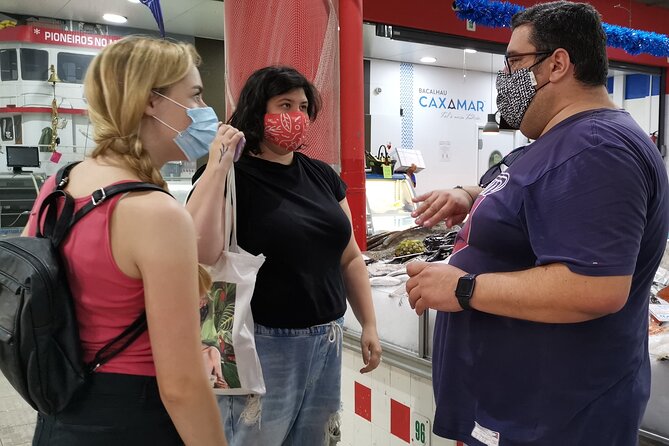
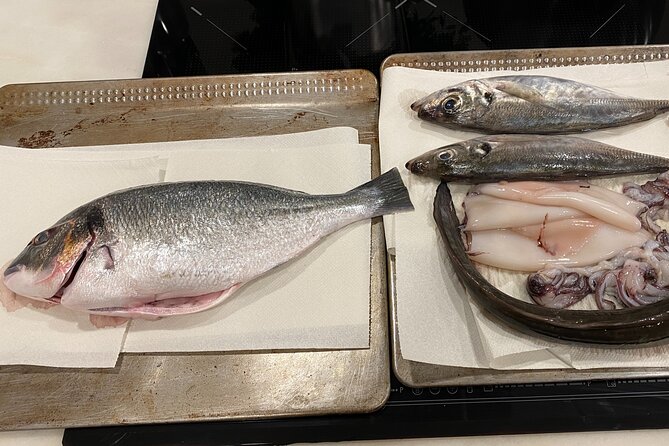
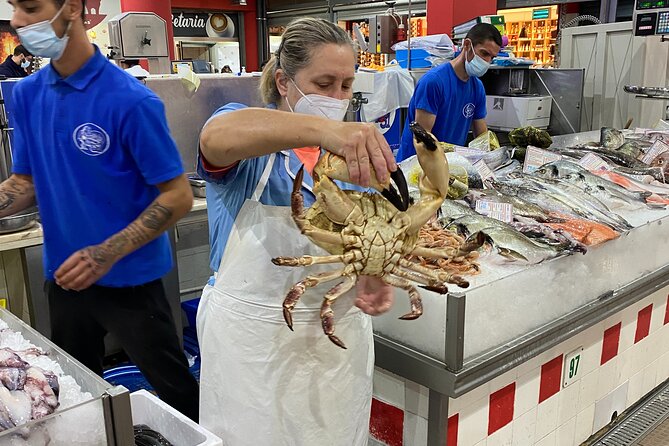
The market portion is the heart of why this tour works. Instead of showing up to cook with pre-selected ingredients, you shop for what the meal becomes. That matters in Lisbon because fish and produce change quickly with the day, and the chef’s goal is to get you ingredients at their freshest possible point.
You’ll likely see a lot of color and variety during the shopping time, especially in vegetables and herbs, plus an impressive range of seafood. Your chef uses the market not just as a grocery stop, but as a lesson in how Portuguese cooking connects to what’s available locally.
In practical terms, here’s what you’re doing at the market:
- You’re selecting the seafood and produce that match the dishes on the class menu
- You’re getting hands-on guidance on what to choose and how to think about flavor
- You’re sampling along the way, which helps you learn what to expect from the final meal
Some past classes have included tastings such as Portuguese bread and cheeses, and in certain setups you may also encounter oyster-style items while shopping. Even if your menu doesn’t go that far, the tasting component is still useful. It helps you learn the taste language before you cook, so your finished plate feels more intentional and less random.
What you’ll cook: the Portuguese dishes and why they matter
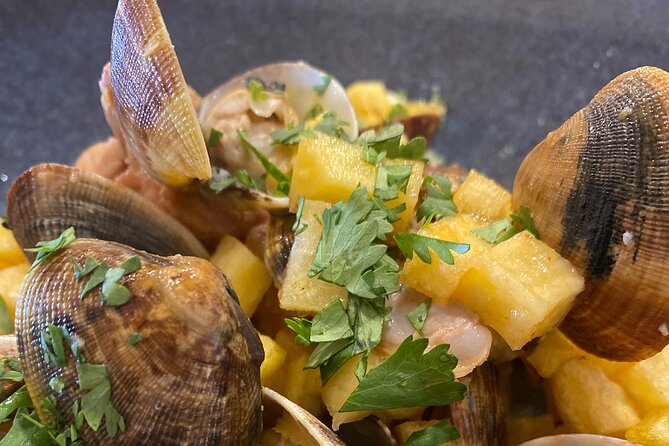
The class is designed around a traditional Portuguese meal built in three parts: a fish dish, a meat dish, and dessert. The sample menu includes Peixinhos da Horta (Portuguese tempura style), Cataplana (seafood cataplana), and an Algarve orange roll. Even if your exact dishes shift slightly based on the day, you can treat this menu format as a reliable guide.
Peixinhos da Horta: learning Portuguese tempura style
Peixinhos da Horta is a very recognizable Portuguese comfort food. You get to understand how the country treats simple ingredients with technique, and it’s a good starter dish because it’s hands-on without being overwhelming. You’re not just seasoning and hoping. You’re learning a method, which you can repeat later at home.
More Food Tours in Lisbon
- Lisbon: Baixa District Food Tour with Dinner and Drinks
★ 4.9 · 1,997 reviews - Lisbon Small-Group Food Tour with 18 Tastings in Alfama District
★ 5.0 · 1,967 reviews - Devour Lisbon: The Ultimate Portuguese Food Tour
★ 5.0 · 1,782 reviews - Lisbon Food Tour with 10+ Tastings of Local Delicacies & Wines
★ 5.0 · 1,339 reviews
Cataplana: the main dish built on seafood and spice
Cataplana is a signature Portuguese flavor system, and it’s perfect for a cooking class because it showcases multiple ingredients working together. With seafood cataplana on the menu, expect the meal to lean toward rich briny flavors balanced by aromatic seasonings.
The biggest value here is confidence. By the time you finish cooking, you understand how to make a Portuguese-style seafood dish feel cohesive. That’s hard to learn from a restaurant meal alone.
Algarve orange roll: dessert that anchors the meal
Dessert is orange roll from the Algarve, which is a fun choice because it reminds you Portugal is more than just seafood. Citrus and sweet bread or pastry elements show up often in Portuguese home cooking, and dessert makes the whole day feel complete rather than like you just ate your way through the main course.
If you’re the kind of traveler who wants one cooking lesson plus a clear souvenir, the orange roll is that souvenir. It gives you a taste of regional Portugal you can remember long after the market smells fade.
The cooking class itself: stations, technique, and real work
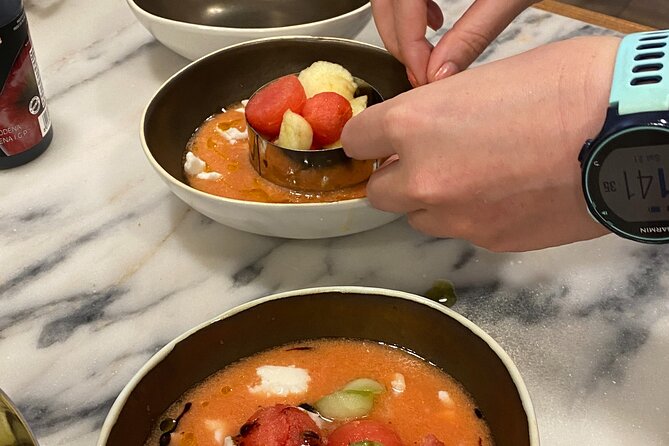
This part is hands-on in the best way. You’re in a real cooking environment, and the chef/instructor guides you through prep and cooking steps while you work. Many classes happen in a kitchen setup with the tools you need right there on site, which means you’re not scrambling for gadgets or trying to guess measurements without support.
What makes the cooking class especially well liked is pacing. Even when the schedule feels full, the instruction keeps you moving without feeling rushed. In real-world terms, that matters because you’re learning multiple steps: chopping, assembling, and cooking, all while watching and getting corrections.
Based on hands-on feedback from past participants, chefs may also show or reinforce skills such as:
- filleting fish
- shucking oysters
- working at your station without getting lost in the crowd
That kind of practical teaching is why this tour tends to score so high. You leave with techniques you can repeat, not just memories of food. And because the group is small, you’re more likely to get help in the moments you need it, like when timing matters or when a dish looks different from what you imagined.
Wine and snacks during the prep
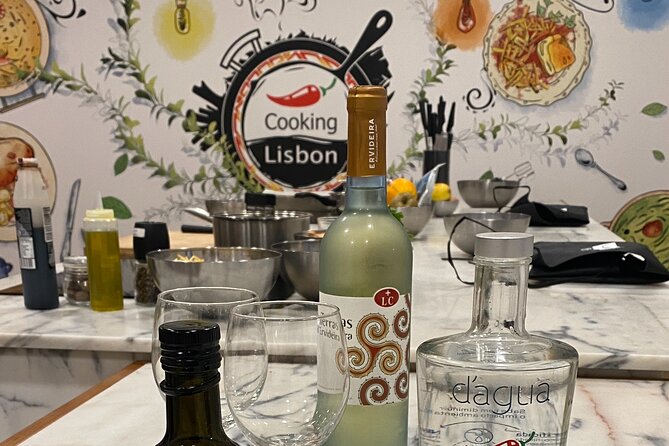
You can expect Portuguese wines with the meal and often during the overall experience. Water and juices also tend to be available, and snacks show up throughout the class period so you don’t feel like you’re working on an empty stomach.
For me, that matters because cooking is slow. Even good kitchen teamwork needs time, and hunger makes everything feel harder. Snacks keep energy steady, and wine adds that Lisbon lunch rhythm, the one locals seem to treat as normal.
Lunch at the end: a feast with the people you cooked with
After cooking, you all sit down together and eat what you made. This is not a quick grab-and-go lunch. It’s the payoff moment, when the market choices turn into flavor on your plate.
The shared meal does two things well:
- You get to compare how each person’s dish came out, and you learn what worked.
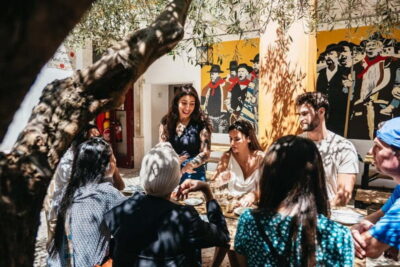
- You get a relaxed social setting, which is one of the reasons small-group classes feel more memorable than bigger tours.
This is also when the Portuguese wine pairing makes sense. You’re not choosing wine blindly. You understand the foods you just cooked, so the wine becomes part of the lesson. It’s an easy way to build a deeper taste memory, especially if you’re new to Portuguese red or white styles.
If you have allergies, the tour info is clear that you should tell them ahead of time so the class can adapt. That is important, because fish and shellfish are central to many of these menus. You should not assume swaps will happen automatically. Send the details early so the chef has time to adjust safely.
Group size, pacing, and who should book
This experience runs about 4 hours and caps at 12 travelers, which is a sweet spot. Large food tours can feel like a conveyor belt. Here, the size supports actual teaching and hands-on participation.
It’s also a good fit if you:
- want a Lisbon food experience that goes beyond restaurant eating
- like cooking as a skill, not just as entertainment
- enjoy market time, especially for fish and produce
It may feel less ideal if you:
- want a mostly passive tour with minimal hands-on cooking
- dislike seafood or meat and are not confident the meal can be adapted
Don’t worry about feeling awkward. The class setup is designed for beginners, and the chef/instructor takes you step by step. You’ll likely leave with a new favorite dish to recreate and a clearer idea of what makes Portuguese cooking taste like Portuguese cooking.
Price and value: is $141.50 worth it?
At $141.50 per person for about four hours, this isn’t a budget snack stop. But the price makes sense when you break it down.
You’re paying for:
- guided market shopping for fresh ingredients
- a guided hands-on cooking class
- a full lunch that includes what you prepared
- Portuguese wine, plus snacks and drinks during the session
- instruction quality that supports you at your station
A comparable experience in many European cities is often either market-only, or cooking-only, or lunch-only. Here, you get the whole arc, which is why value tends to feel strong.
Also, the small group size helps. You’re not just buying food. You’re buying time with the chef and feedback while you learn techniques. That’s the part that usually justifies the cost.
FAQ
How long does the Lisbon market and cooking class last?
It runs about 4 hours (approx.).
Where does the tour meet?
You meet at R. Bernardim Ribeiro 9, 1150-068 Lisboa, Portugal, and the activity ends back at the meeting point.
What time does the tour start?
The start time is 9:30 am.
Is the tour offered in English?
Yes, it’s offered in English.
Can you adapt the class for food allergies?
Yes. You should tell them your food allergies so the class can be adapted.
Is there free cancellation?
Yes, there is free cancellation up to 24 hours in advance for a full refund.
Should you book this Lisbon market and cooking class?
If you like Lisbon through food, this is a strong pick. You get market context first, then you cook a traditional Portuguese meal that typically includes fish, meat, and dessert, and you finish by eating what you made with Portuguese wine. The small group size also means you’ll feel involved rather than shuffled along.
Book it if you want a memorable half-day that teaches real technique and gives you a clear, delicious plan for what to cook later. Skip it if you want a purely sightseeing-focused morning or if you need a very specific diet that you’re not sure can be adapted. If you do have allergies, contact them early and be specific. That’s when this kind of tour shines most.
More Food in Lisbon
- Winner 2025 Undiscovered Lisbon Food & Wine Tour by Eating Europe
★ 5.0 · 6,390 reviews - Lisbon: Food and Wine Small Group Walking Tour
★ 4.9 · 4,082 reviews - Lisbon Small-Group Portuguese Food and Wine Tour
★ 5.0 · 3,972 reviews - Award-Winning Original Lisbon Food Wine Tour: 19 Curated Tastings
★ 5.0 · 1,288 reviews
Food Walks in Lisbon
- Lisbon Exclusive PRIVATE Food Tour with 6 or 10 Tastings
★ 4.5 · 1,113 reviews - Lisbon: Tastes and Traditions Guided Food Tour
★ 4.9 · 931 reviews - Lisbon Private Food Tour – Taste 10+ Local Dishes & Wines
★ 5.0 · 896 reviews - Lisbon Awakens: A Culinary Crossroads, Reborn.
★ 5.0 · 748 reviews
Just added around Lisbon
- Morning Sailing Tour in Tagus River from Lisbon★ 5.0 · 68 reviews
- Private Half Day – The Majestic Pena Palace & Sintra★ 5.0 · 90 reviews
- Lisbon Private 3 hours tour★ 4.5 · 33 reviews
- PRIVATE Unforgettable Full Day Tour to Sintra from Lisbon★ 5.0 · 236 reviews
- Lisbon: Catamaran Luxury Sunset and Wine Tour★ 5.0 · 119 reviews
- Lisbon’s authentic Food and Wine tour with a Winemaker★ 5.0 · 67 reviews
- Sesimbra Wild Beach Tour from Lisbon★ 5.0 · 57 reviews
- Private Jeep Tour from Lisbon – Arrábida, Sesimbra & Beach Picnic★ 5.0 · 48 reviews
Food & Pastel de Nata Tours, compared.

Porto Food & Wine Tasting Tour with Lunch or Dinner Option
Read our review →
Baixa District Food Tour with Dinner and Drinks
Read our review →
Lisbon Small-Group Food Tour with 18 Tastings in Alfama District
Read our review →
Devour Lisbon: The Ultimate Portuguese Food Tour
Read our review →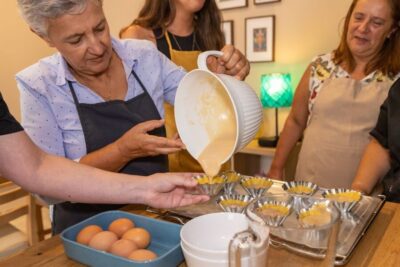
Pastel de Nata Cooking Class with Grandma’s Recipe
Read our review →